
If you have been following the Avinox story over the last 12 to 18 months, the interesting bit is no longer “can it make big numbers?” The question is whether Avinox can turn a disruptive motor into a mature, buyable, serviceable eMTB ecosystem in the UK across multiple bike brands, without the ownership headaches that sometimes follow new tech launches. That is why the current chatter about the Avinox M2 motor matters. Not because anyone needs “more power” for UK trail centres and bridleways, but because a second-generation Avinox motor could be where Avinox fixes the niggles, expands battery options, tightens dealer support, and makes the whole system feel less like a first-wave product and more like a long-term platform.
At the same time, 2026 appears to be the year Avinox begins distancing the drive system name from DJI. If you have seen “DJI Avinox” written everywhere, you will now notice more brands and product pages simply using “Avinox”. That branding shift matters for trust and longevity, especially for riders weighing resale value, firmware support, and whether they want to buy into a newer ecosystem rather than stick with the established Bosch and Shimano world.
If you want the UK buying context around Avinox-powered bikes, it is also worth cross-reading our coverage of the Atherton S.170E Avinox presale and the gravity-leaning Velduro Rogue R Avinox eMTB, plus the practical fine print in Amflow PL Carbon Pro UK stock and registration.
Avinox M2 motor in 2026: the “DJI” name is fading, but the platform is expanding
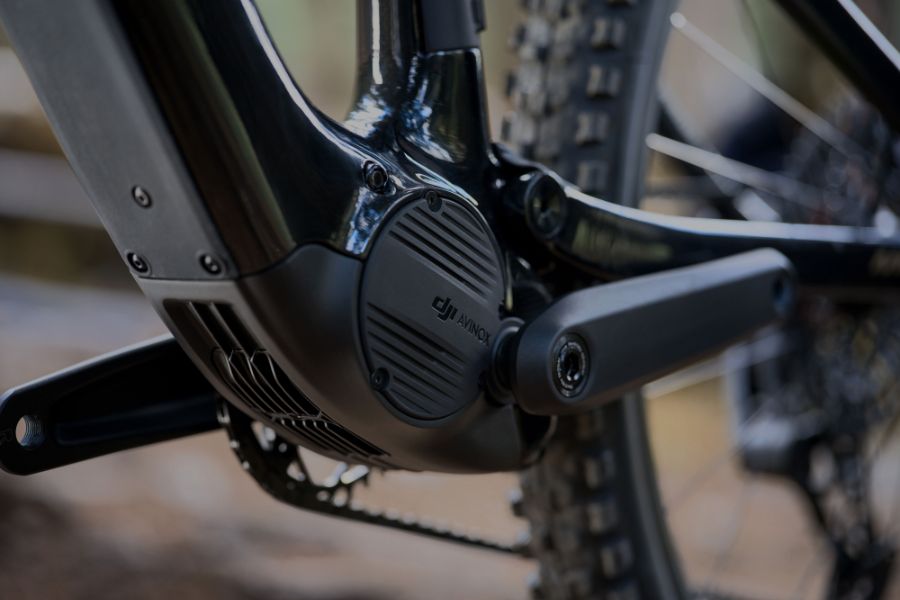
The simplest way to describe the current situation is that Avinox is positioning itself as a standalone e-bike drive brand rather than a DJI side project. You can see this in how the official Avinox site presents the system, the branding on motor covers and displays in recent imagery, and the broader shift in how bike brands refer to the drive system.
For UK riders, this is not about politics or corporate structure. It is about purchase confidence. A clear, stable brand identity usually correlates with a clearer support roadmap: spare parts pipelines, firmware updates, service training, and warranties that are easier to administer through normal bike retail channels.
If you are already researching motor behaviour and the “feel” side of the decision, anchor yourself with our e-MTB motors and batteries explained guide and the UK-focused comparison angle in DJI Avinox vs Bosch CX-R: what matters for UK eMTB riders. Numbers do not tell you how a motor behaves at 6 to 10kph on a wet, rooty climb.
Avinox M1 recap: the key specs that made Avinox disruptive
Before talking about the Avinox M2 motor, it is worth grounding the conversation in what Avinox currently claims for the Avinox M1 drive unit and the broader Avinox drive system.
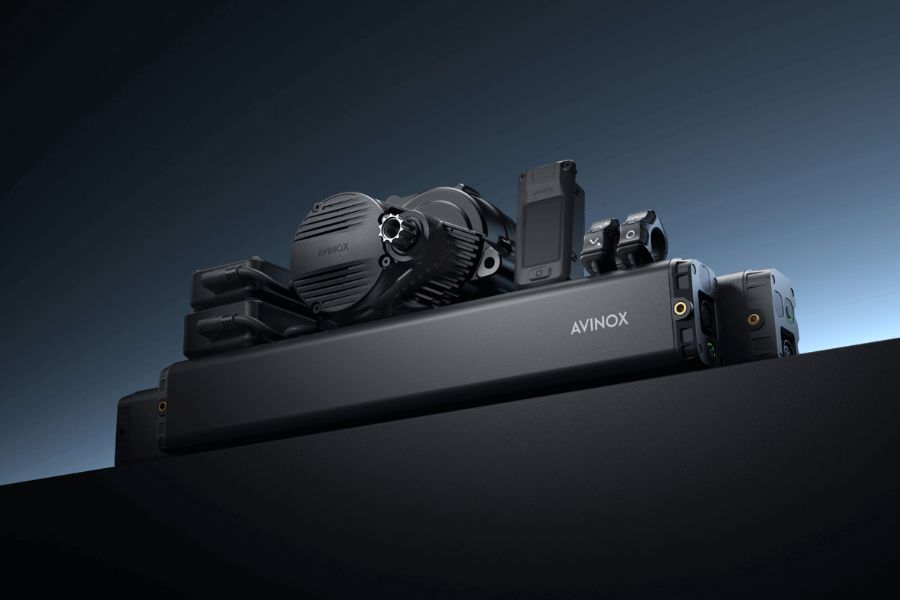
According to Avinox’s figures, the Avinox M1 drive unit is a compact mid-drive rated at 2.52kg, 105 Nm of sustained torque, and 250W of rated power, designed for regulated markets. Avinox also emphasises that “assist experience” is algorithm-driven, with Auto mode and tunable support parameters available via the Avinox Ride app.
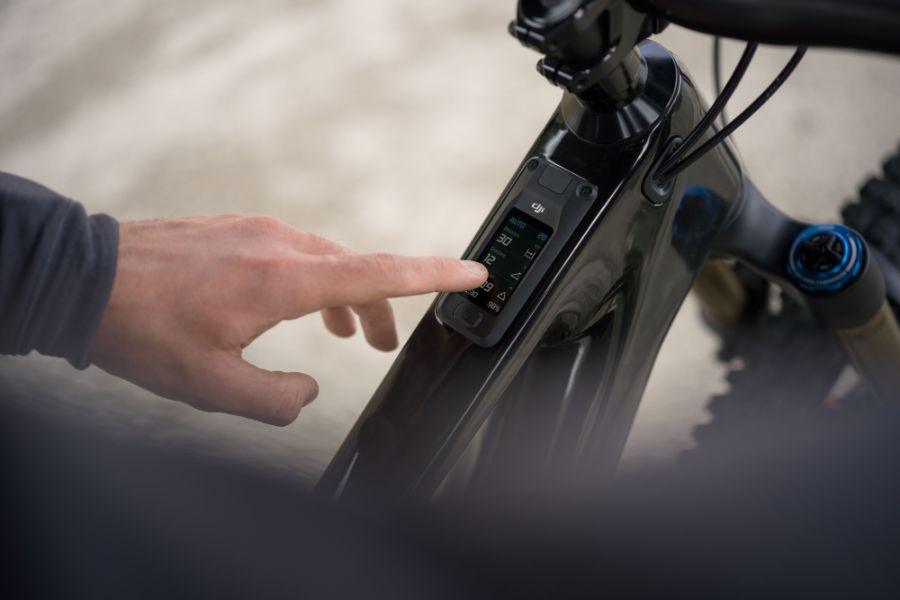
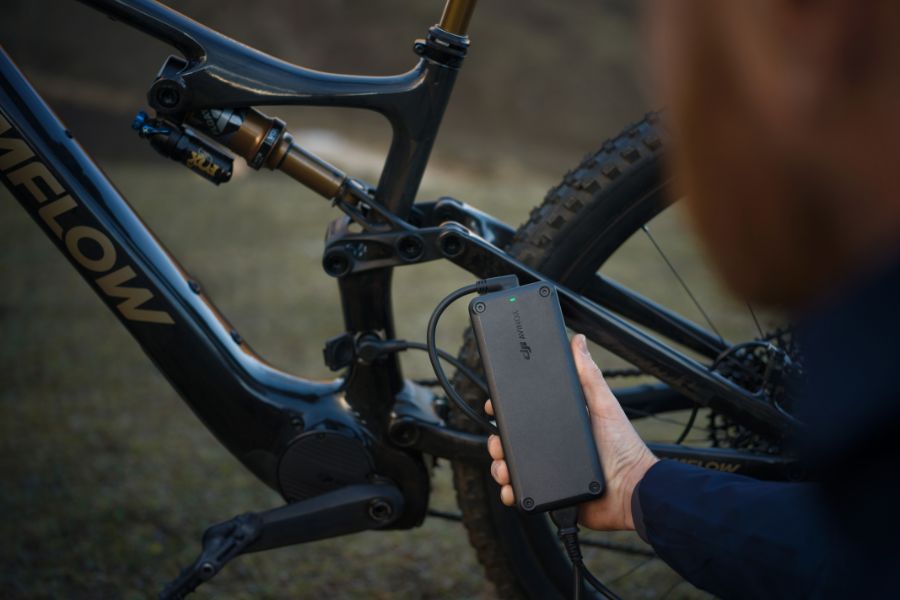
On batteries, Avinox positions the system around two main sizes, 600Wh and 800Wh, with a fast-charging pitch based around a GaN charger. It also markets a built-in touchscreen display and a connected app experience, which are increasingly important in how modern eMTB systems differentiate themselves, especially for riders who like to tune modes and track data.
In plain UK riding terms, Avinox M1 has built its reputation around three things: high output potential, a modern interface and connectivity, and a compact package that allows slimmer downtubes and a slightly different weight distribution compared to some established full-power setups.
Avinox M2 motor rumours: what is being suggested, and what is not confirmed
Right now, the Avinox M2 motor is firmly in rumour territory. There is no formal Avinox “M2” product page and no clear public launch spec sheet you can treat as confirmed.
What is being discussed in industry chatter broadly splits into two plausible directions.
One possible Avinox M2 motor direction is a stronger, more robust motor that delivers higher output more consistently, potentially at a small weight gain. The other possible direction is a lighter, “SL-style” Avinox M2 variant that trades outright torque for a lighter ride and broader reach across the bike category beyond full-power eMTBs.
There are also rumours that Avinox could use a second-generation motor cycle to address practical issues riders have flagged in real-world use, including refinement areas such as coasting noise, long-term durability perceptions, and software behaviours that could be improved with a more mature firmware platform.
The key point to keep repeating for Electric MTB UK readers is that none of this is confirmed until Avinox publishes it, brands launch bikes with it, and UK retailers can confirm what is actually shipping.
What an Avinox M2 motor needs to prove in the UK
If Avinox M2 does land in 2026, the UK success criteria will not be “more torque”. It will be a package of practical wins that affect real riding and real ownership.
First, low-speed control and predictability. UK trails are often traction-limited and slow. A motor that feels smooth, calm and controllable at low cadence, low speed and high load is more valuable than a motor that feels explosive.
Second, cut-off behaviour and drag. The 25km/h assist cutoff applies to almost every mixed ride. A system that transitions cleanly and pedals naturally above the limit fits typical UK riding better than one that feels abrupt or resistant.
Third, battery choices that make sense for UK riding styles. A 600Wh option can make a bike feel sharper and easier to throw around in winter slop. An 800Wh option suits long rides, heavier riders, and uplift-style lap days where you want to keep assistance at a high level. If Avinox expands battery options again, the question is not headline capacity, it is whether the sizes are realistically available on complete bikes in the UK, and whether chargers, spares and replacements are straightforward.
Fourth, servicing and support. This is the biggest one. The motor ecosystem is only as strong as the support behind it. If Avinox wants to convert cautious buyers, the UK needs visible dealer support, credible turnaround times for warranty issues, and clear availability of spares and diagnostics. This is where established players like Bosch still hold an advantage by default.
Fifth, staying clearly on the right side of UK legality and access. The Avinox conversation online often gets tangled up in peak-output talk. For UK riders, the baseline is still that a legal eMTB should comply with EAPC rules, and anything that pushes into “motor vehicle” territory becomes an access and insurance headache. If you want the plain-English legal picture, keep our UK e-MTB law explained guide close to hand.
Which bikes are making Avinox feel “real” in the UK right now
A year ago, Avinox was heavily associated with the Amflow headline. In 2026, the platform story is broader, which is exactly what makes the Avinox M2 rumour interesting: second-generation motors usually arrive when a system is treated as a long-term ecosystem, not a one-off launch.
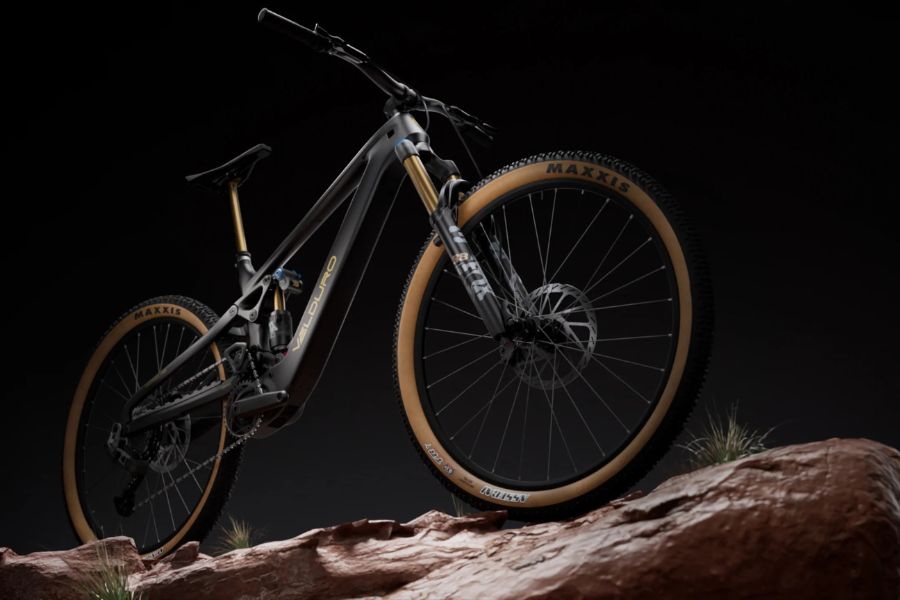
In the UK context, the key point is that Avinox is now appearing on genuinely different bike propositions: from a gravity-leaning build like the Velduro Rogue R, to a premium UK-facing enduro platform like the Atherton S.170E, to wider retail availability signals through Amflow stock listings.
If you are considering buying an Avinox-powered bike now, do not only ask “Is the motor good?” Ask: who will service it locally, what the warranty pathway looks like, and how the brand handles software updates and diagnostics. Those questions matter more than any single torque figure.
Should you wait for Avinox M2, or buy an Avinox M1 bike now?
If you are buying in the next 4 to 12 weeks, waiting for Avinox M2 purely on speculation is risky unless you are genuinely happy to delay your riding season. Rumoured motors slip, first-wave availability can be limited, and early bikes with a new motor sometimes ship with “version one” firmware that takes time to mature.
On the other hand, if you are planning a spring or summer purchase and are not in a hurry, it is reasonable to keep the Avinox M2 on your shortlist and monitor developments around major launch windows.
A sensible middle ground for many UK buyers is this: choose the bike platform you actually want first, then choose the motor ecosystem second. If a specific Avinox M1 bike fits your riding and budget right now and you have confidence in UK support, buying now may be the right decision. If you are on the fence and you can wait, the Avinox M2 rumours are at least worth tracking because they hint at platform maturity, not just performance escalation.