
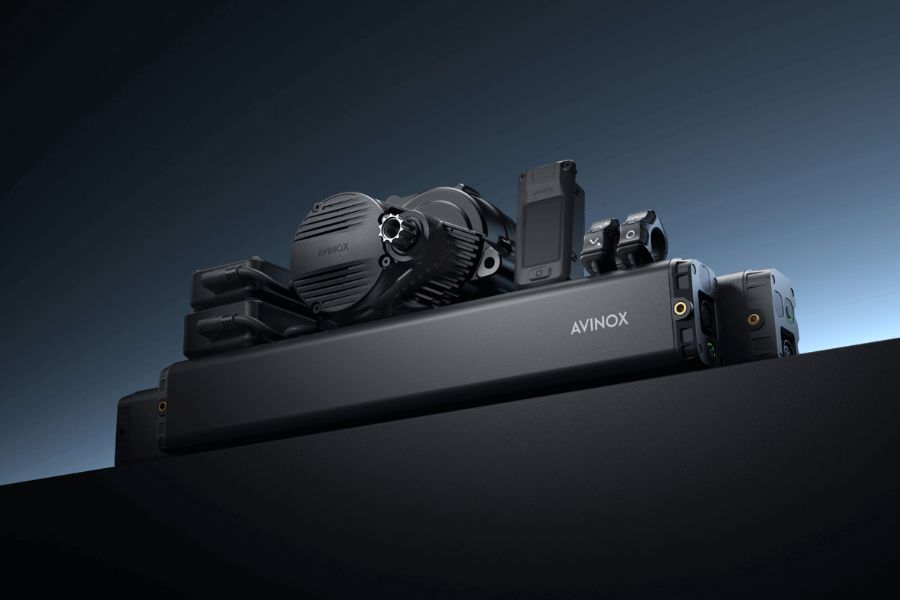
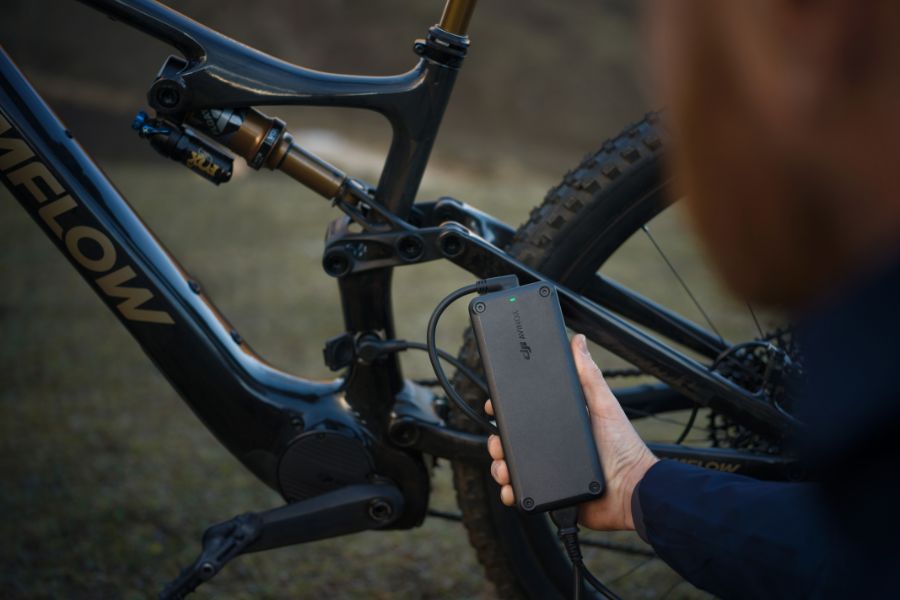
Range extenders are having a moment in the eMTB world, largely because riders want flexibility. Sometimes you want the lightest possible bike for a one-hour blast after work. Other times, you want maximum capacity for a long day that mixes climbs, trail centre laps, and a cold ride back to the car. A range extender, when done properly, is a neat way to avoid owning multiple batteries, which is why DIY and third-party solutions have become common in certain corners of the market. This has lead new motor manufacturer Avinox to issue a range extender warning.
Avinox has now addressed that behaviour directly, and it has done so in a way that is worth paying attention to. In its official FAQ, Avinox states that it has not released any battery extenders; that current Avinox hardware and firmware are not compatible with third-party extenders; and that using an unauthorised extender may cause malfunction, void the warranty, and, in severe cases, cause component damage or pose a fire hazard.
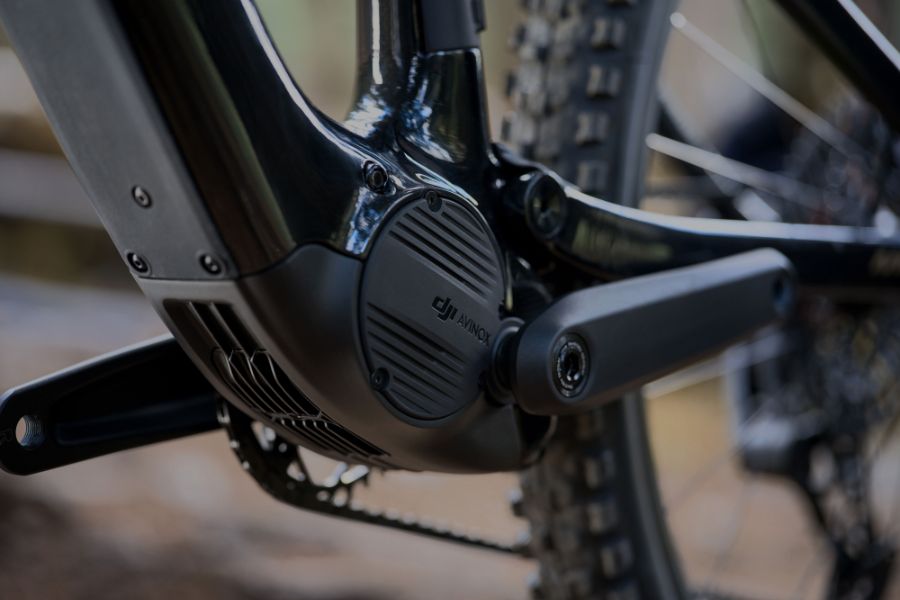
That last part of the Avinox range extender warning is the key. Brands often discourage unofficial modifications, but “fire hazard” is a deliberate escalation. It signals that this is not just a commercial protection move. It is also a reminder that modern eMTB batteries and battery management systems are tightly integrated, and that plugging unknown third-party power sources into a system designed around specific electrical characteristics is inherently risky.
If you are new to Avinox as a platform, our broader context piece on DJI Avinox vs Bosch CX-R: what matters for UK eMTB riders is a useful starting point, because it frames the ecosystem question rather than treating motors as simple “power numbers”.
What Avinox actually said about third-party extenders
This is not vague wording. On the Avinox FAQ page, the question is explicit: Can third-party battery extenders be used with the Avinox Drive System? The answer is equally direct: Avinox has not released any battery extenders, and current hardware and firmware are not compatible with third-party solutions. It then warns that unauthorised extenders may cause malfunction and void the warranty, and that, in severe cases, they could damage components or pose a fire hazard. The official statement is available in the Avinox Drive System FAQ.
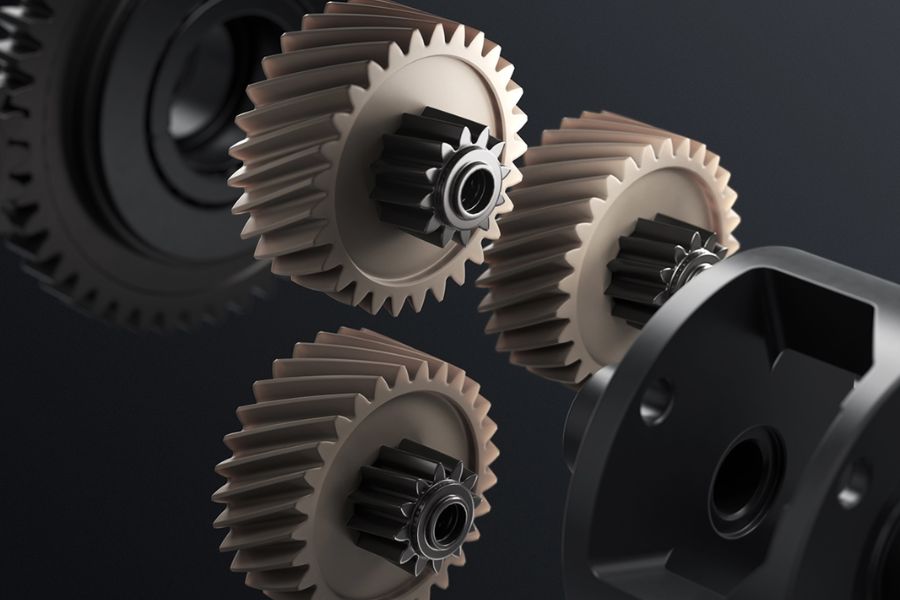
Avinox also uses the same FAQ section to underline battery durability and protection ratings, noting IP56 for the battery, IP66 for the drive unit, and a stated retention of up to 80% capacity after 500 cycles. None of that is unusual in isolation, but it provides context for why the system is engineered as a closed loop: the battery, firmware, and monitoring are designed to work together as a package.
Why the range extender temptation is so strong right now
There are two reasons riders seek extenders. The first is simple capacity. Big batteries are great until you start thinking about weight, charging, and the way a heavier bike feels in slow, technical UK conditions. The second is future-proofing. A modular system can let you adapt as your riding changes, rather than buying a whole new bike when you start doing bigger days.
The catch is that “modular” needs to be designed that way from the start. Systems such as TQ’s lightweight setups and certain bike-specific solutions include official extenders, connectors, and discharge logic. When riders try to create their own solutions, they are effectively bypassing the very safety and management layer that makes modern lithium systems viable.
If your goal is simply to ride further, you will often get better results by improving consumption rather than chasing extra capacity. That is why we keep pointing riders back to fundamentals like cadence, mode strategy, and tyre drag. Our guide to how to get more range from your e-MTB battery on UK trails is the best internal reference for that approach.
The Amflow angle: official components, warranty, and what it implies
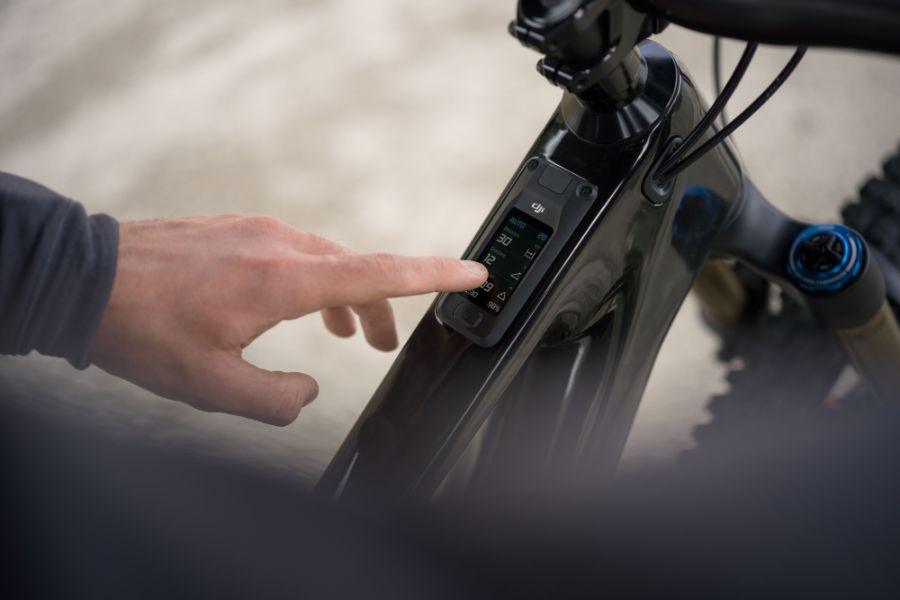
Avinox is closely tied to the Amflow ecosystem in the UK conversation, as that is where many riders first encountered the drive system. Amflow’s own support documentation reinforces the broader “closed system” stance. It states that the drive unit must use official Avinox components and that modifications to the drive system will void the warranty and may violate legal requirements. You can read that in Amflow’s support pages here: Amflow Support and its FAQ here: Amflow PL FAQ.
For UK riders, the practical point is not just the warranty. It is also a liability. If you fit an unofficial power source and something goes wrong, you could be left with a damaged bike and no manufacturer support. And because the Avinox range extender warning has explicitly raised the safety risk, it becomes harder to argue that a third-party extender was a reasonable or “normal” modification.
If you are currently shopping in that segment, our roundup style news post on Amflow PL Carbon Pro in the UK: retailers, stock, deals, and fine print is relevant context, because it frames availability and ownership expectations, not just hype.
What this means if you are waiting for an official extender
Two realistic outcomes follow from the wording of the Avinox range extender warning. Either an official range extender is planned and the brand wants to shut down risky third-party behaviour in the meantime, or the platform is being pushed towards higher-capacity integrated batteries rather than add-on packs. There is already chatter about where Avinox might go next as a system, and our piece on Avinox M2 motor rumours: what we know so far, and what UK eMTB riders should actually watch in 2026 covers the sensible “watch points” without overcommitting to speculation.
Either way, the safest move today is straightforward: do not plug unofficial power sources into an Avinox system, and do not assume that “it worked for someone on a forum” means it is safe or compatible over the long term. If you need more range right now, prioritise riding efficiency, and if you need true modularity, choose a bike and motor ecosystem that officially supports it.