
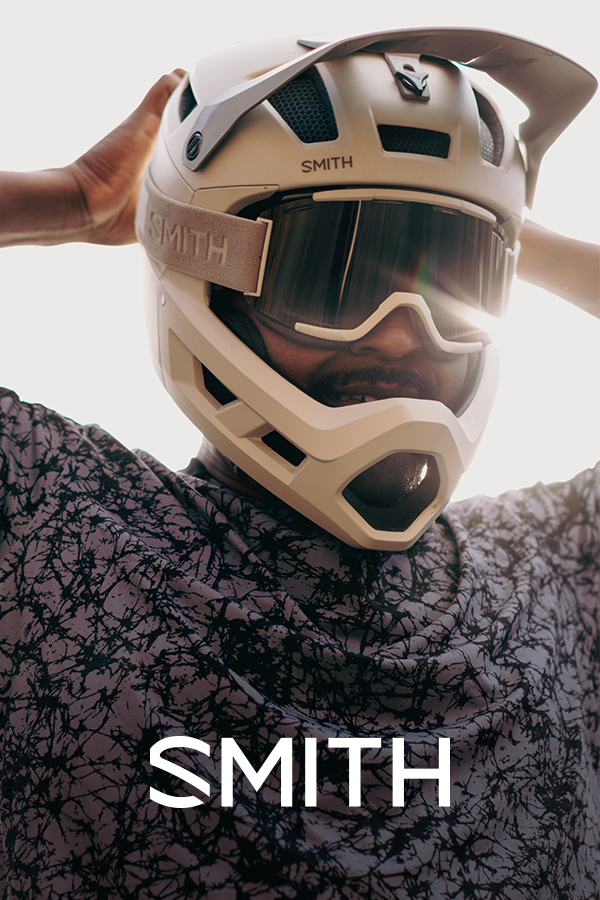
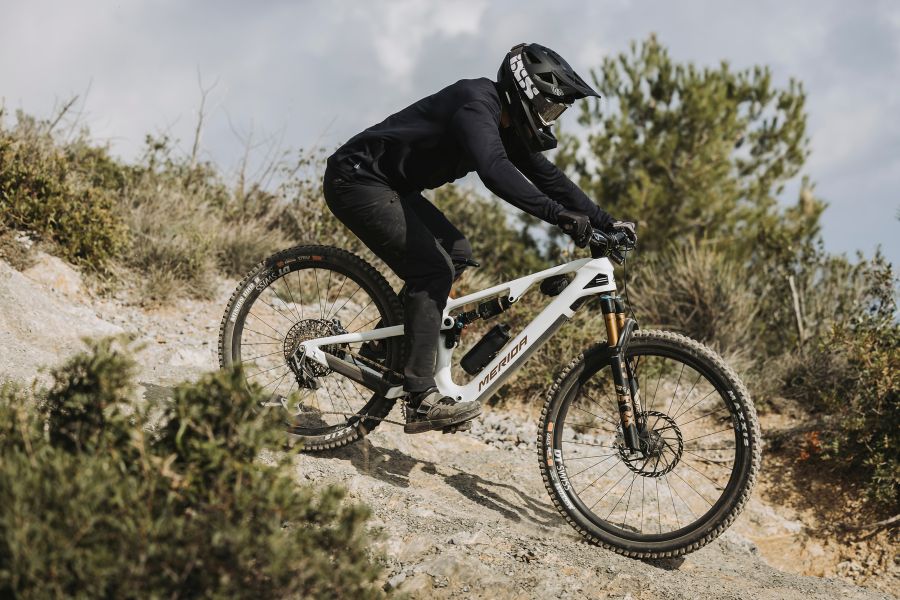
A convertible MTB helmet is the closest thing mountain biking has to a “one helmet, two moods” solution. For UK riders, that’s not a gimmick — it matches how many real rides play out. You might grind up a long fireroad climb, winch up a muddy bridleway, or spin between trail sections… then point the bike into a steep, rooty descent where you want the extra confidence of a chin bar. The best convertible MTB helmets in 2026 are designed to switch between open-face and full-face protection without forcing you to own (and carry) two separate lids.
This buyer’s guide is built for mountain bikers first — not just e-MTB riders — but it’s easy to see why electric riders love this category. Assisted climbs often mean more laps, more descending, and more time riding in mixed intensity. A detachable chin bar MTB helmet can make sense if you ride trail centres, enduro-style terrain, uplift days, or you simply want the option of extra coverage when the trail is at its worst. Below, you’ll find seven of the strongest convertible full face MTB helmet options to consider, ordered by price.
What is a convertible MTB helmet?
A convertible MTB helmet (sometimes called a removable chin guard helmet or detachable chin bar helmet) is a mountain bike helmet that can be used in two configurations: open-face for climbing and general trail riding, and full-face for descending. Some use tool-free clips or buttons; others use magnetic systems. The key buying point is simple: the conversion needs to be quick enough that you’ll actually use it — and the helmet still needs to fit properly in both modes, with stable retention, usable ventilation, and a visor that works with goggles.
The best convertible MTB helmets 2026 shortlisted
Giro Switchblade Mips — £205.99 (RRP £274.99)
MET Parachute MCR Mips — £209(RRP £299.99)
Leatt MTB Enduro 3.0 — From £212.49 (RRP: £249.99)
Bell Super Air R Spherical — £225 (£299.99)
uvex jakkyl hde 2.0 — £239.95
Leatt MTB Enduro 4.0 — From £239.99 (RRP: £289.99)
Bell Super DH Spherical — £268 (RRP £314.99)
The best convertible MTB helmets 2026
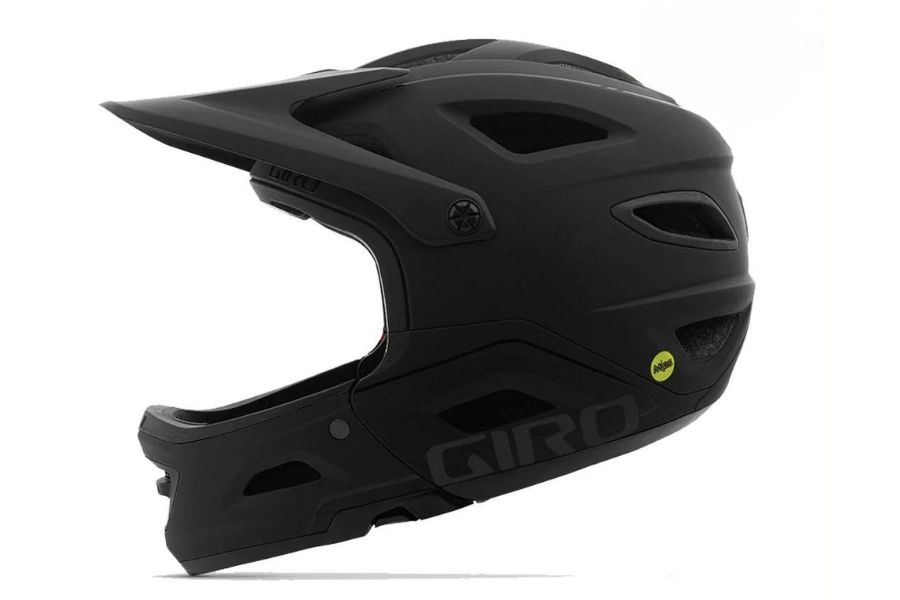
Giro Switchblade Mips
£205.99 (RRP £274.99)
If you want a convertible MTB helmet that’s aimed squarely at enduro-style riding without drifting into luxury pricing, the Leatt MTB Enduro 3.0 is a very logical place to start. It’s built for the classic UK ride shape: steady climbing or linking sections in open-face mode, then adding the chin bar when you know the next descent is steep, fast, or properly technical. For riders who bounce between trail-centre loops, natural singletrack and wintery bridleway descents, that flexibility is exactly the appeal of a detachable chin bar MTB helmet.
The reason this style of helmet works so well in Britain is that conditions change quickly. Wet roots, off-camber chalk, greasy rock and deep mud all punish small mistakes, and extra face coverage can be reassuring when you’re tired late in a ride. The Enduro 3.0 also leans into practicality: it’s designed to ventilate well for climbing and it’s the sort of lid you can happily wear for long sessions without feeling like you’re hauling a downhill helmet around all day. If your priority is “one helmet that can do most rides”, this is the most budget-friendly way into the best convertible MTB helmets 2026 conversation.
Pros
Versatile convertible MTB helmet concept for UK trail rides
20-vent airflow focus for long climbs and sweaty mileage
360° Turbine tech approach to rotational impact reduction
Cons
Goggle compatibility isn’t explicitly stated — worth checking with your own goggles before buying
Specifications
Type: Convertible (removable chin bar)
Rotational protection: 360° Turbine Technology
Fit system: Flat Lock Strap divider and fit system
Ventilation: 20 vents
Visor: Adjustable visor with breakaway function
Goggle compatibility: Not specified
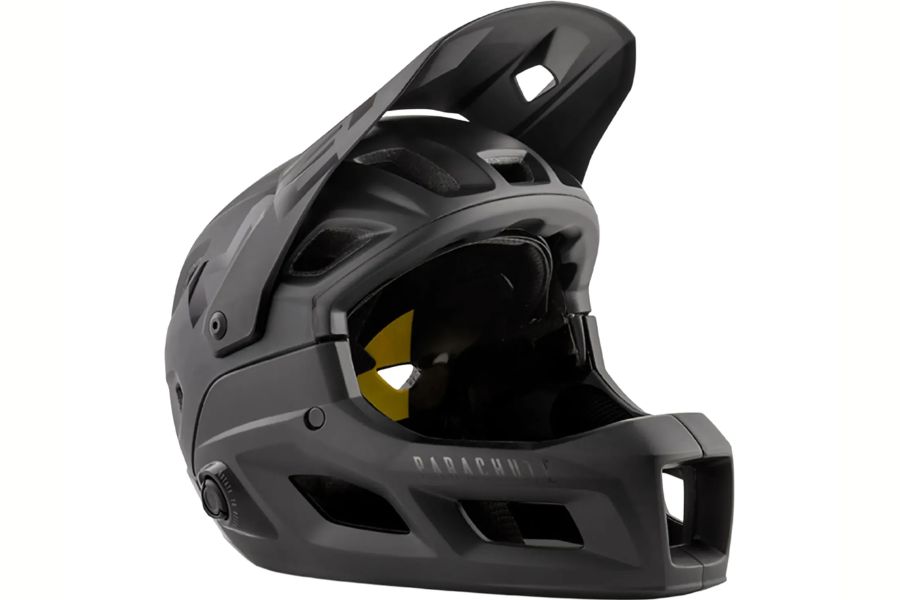
MET Parachute MCR Mips
£209(RRP £299.99)
The MET Parachute MCR Mips is the “systems-focused” choice in this guide — a convertible full face MTB helmet that’s designed to feel like two genuinely usable helmets in one, rather than a single lid that’s slightly compromised in both modes. For UK riders, it’s a strong match for enduro-style trail riding, e-MTB loops where you rack up repeated descents, and anyone who rides a mix of technical singletrack and long linking climbs. It’s also one of the more distinctive options thanks to its Magnetic Chinbar Release (MCR) concept, which is aimed at making the conversion feel quick and intuitive.
For a best convertible MTB helmets 2026 shortlist, the Parachute MCR makes sense because it’s explicit about the practical details that matter: Mips for rotational impact management, a BOA fit system for easy adjustment, 21 vents for airflow, and an adjustable visor designed with goggle storage in mind. This is the kind of helmet you buy when you want a premium detachable chin bar MTB helmet that feels engineered around modern trail riding — not just adapted from a downhill shell. If you want the “two helmets in one” idea taken seriously, this is the top-end benchmark to beat.
Pros
Magnetic chin bar release concept designed for quick conversion
Mips + BOA fit system combination for premium feel and adjustability
21 vents and adjustable visor designed around real trail riding needs
Cons
Premium pricing compared with simpler detachable chin guard designs
Specifications
Type: Convertible (MCR magnetic chinbar release)
Rotational protection: MIPS brain protection system
Fit system: BOA-FS1 Fit System
Ventilation: 21 vents (internal air channeling)
Visor: Adjustable visor
Goggle compatibility: Visor supports goggle storage
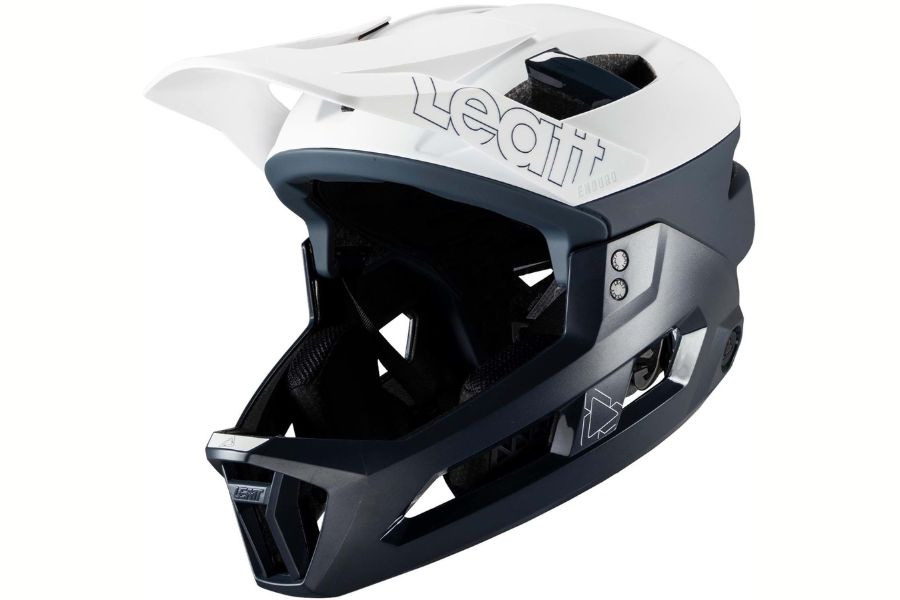
Leatt MTB Enduro 3.0
From £212.49 (RRP: £249.99)
If you want a convertible MTB helmet that’s aimed squarely at enduro-style riding without drifting into luxury pricing, the Leatt MTB Enduro 3.0 is a very logical place to start. It’s built for the classic UK ride shape: steady climbing or linking sections in open-face mode, then adding the chin bar when you know the next descent is steep, fast, or properly technical. For riders who bounce between trail-centre loops, natural singletrack and wintery bridleway descents, that flexibility is exactly the appeal of a detachable chin bar MTB helmet.
The reason this style of helmet works so well in Britain is that conditions change quickly. Wet roots, off-camber chalk, greasy rock and deep mud all punish small mistakes, and extra face coverage can be reassuring when you’re tired late in a ride. The Enduro 3.0 also leans into practicality: it’s designed to ventilate well for climbing and it’s the sort of lid you can happily wear for long sessions without feeling like you’re hauling a downhill helmet around all day. If your priority is “one helmet that can do most rides”, this is the most budget-friendly way into the best convertible MTB helmets 2026 conversation.
Pros
Versatile convertible MTB helmet concept for UK trail rides
20-vent airflow focus for long climbs and sweaty mileage
360° Turbine tech approach to rotational impact reduction
Cons
Goggle compatibility isn’t explicitly stated — worth checking with your own goggles before buying
Specifications
Type: Convertible (removable chin bar)
Rotational protection: 360° Turbine Technology
Fit system: Flat Lock Strap divider and fit system
Ventilation: 20 vents
Visor: Adjustable visor with breakaway function
Goggle compatibility: Not specified
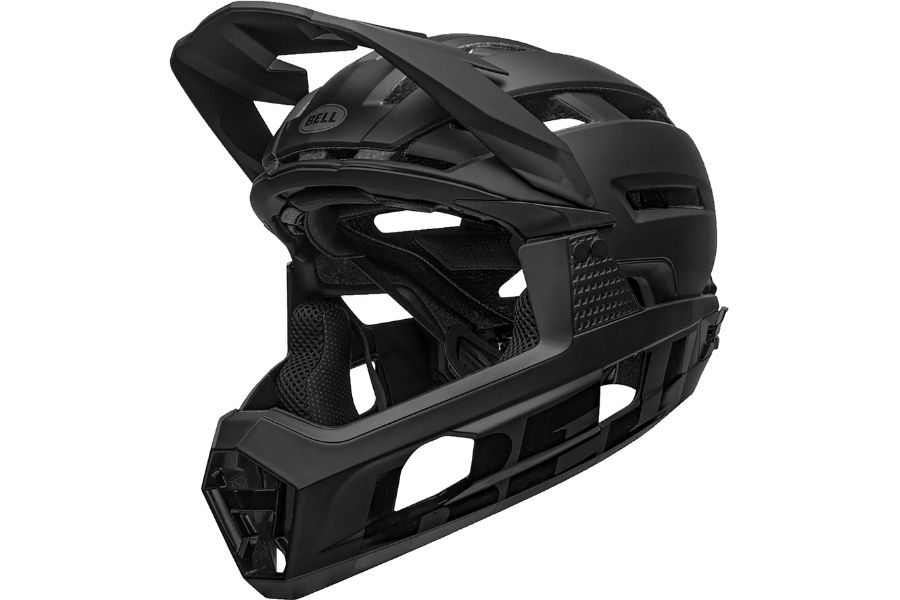
Bell Super Air R Spherical
£225 (£299.99)
The Bell Super Air R Spherical is often the helmet riders end up considering when they want a convertible MTB helmet that still feels light and “trail-first” in character. It’s built around the idea that you shouldn’t have to choose between a helmet you enjoy wearing for long UK rides and a helmet that gives you extra confidence for steep descents. That makes it especially relevant for riders who do big mixed loops: bridleways into singletrack, trail-centre sections linked by fireroads, and the kind of riding where you might not want a full-face on your head for the entire day — but you absolutely do want one for a handful of key descents.
As part of the best convertible MTB helmets 2026 shortlist, the Super Air R Spherical is a strong “all-rounder” pick because it doesn’t force a hardcore downhill identity. The fit system and ventilation approach are aimed at real pedalling comfort, and Bell’s goggle gripper and adjustable visor details are exactly the kind of everyday usability features that make a convertible helmet feel less fiddly. If you like the idea of a detachable chin bar MTB helmet but you don’t want something that feels overbuilt for most of your riding, this is one of the most convincing premium options.
Pros
Trail-friendly feel with convertible chin bar versatility
Spherical Technology powered by Mips approach to rotational forces
Goggle Gripper and adjustable visor details for day-to-day trail use
Cons
Premium pricing once you move beyond entry-level convertible helmets
Specifications
Type: Convertible (removable chin bar)
Rotational protection: Spherical Technology™ powered by Mips®
Fit system: Float Fit™
Ventilation: Overbrow Ventilation™ (intake ports + internal air-channel matrix)
Visor: Adjustable visor
Goggle compatibility: Goggle Gripper™; visor supports goggle storage/positioning
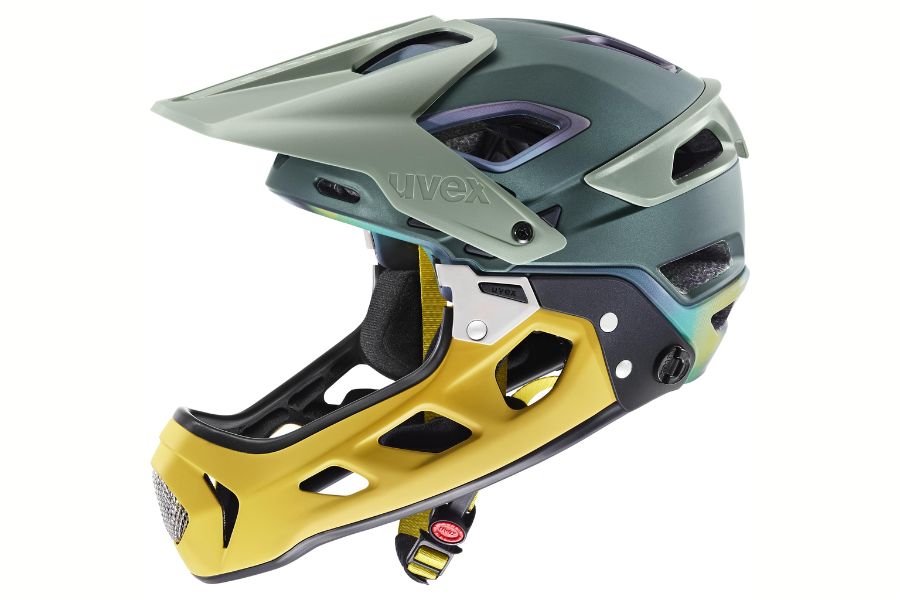
uvex jakkyl hde 2.0
£239.95
The uvex jakkyl hde 2.0 is a convertible full face MTB helmet that’s built around the idea that enduro riding is a mix of effort and commitment — you climb hard, then you descend hard, and you want your helmet to keep up. For UK mountain bikers, that makes it a strong fit for trail centres, mixed-surface loops, and long “link it all together” routes where you’ll spend a lot of time pedalling but still want the option of extra protection when things get serious. The detachable chin guard lets it switch roles quickly, which matters because a convertible MTB helmet only makes sense if you’ll actually bother converting it mid-ride.
Where the jakkyl hde 2.0 stands out in this shortlist is the emphasis on keeping you cool and comfortable across changing intensity. Ventilation is a big deal on long British climbs — especially for e-MTB riders who still work hard but tend to do more laps — and this one is explicitly built around airflow, with a visor designed to play nicely with goggles. If you’re shopping for the best convertible MTB helmets 2026 and your rides include big elevation, varied weather and lots of stop-start effort, this is a sensible, practical option to compare against the more premium, more downhill-leaning choices below.
Pros
Detachable chin guard design for open-face and full-face use
14 ventilation openings aimed at climbing comfort
Visor and goggle management details built into the concept
Cons
Rotational protection system isn’t specified on the manufacturer listing
Specifications
Type: Convertible (detachable chin guard)
Rotational protection: Not specified
Fit system: BOA® (model dependent; this BOA version is listed with BOA, with IAS also used on other variants)
Ventilation: 14 ventilation openings (with insect net mesh insert)
Visor: Infinitely adjustable visor
Goggle compatibility: Visor accommodates goggles; integrated fastener helps keep goggles in place
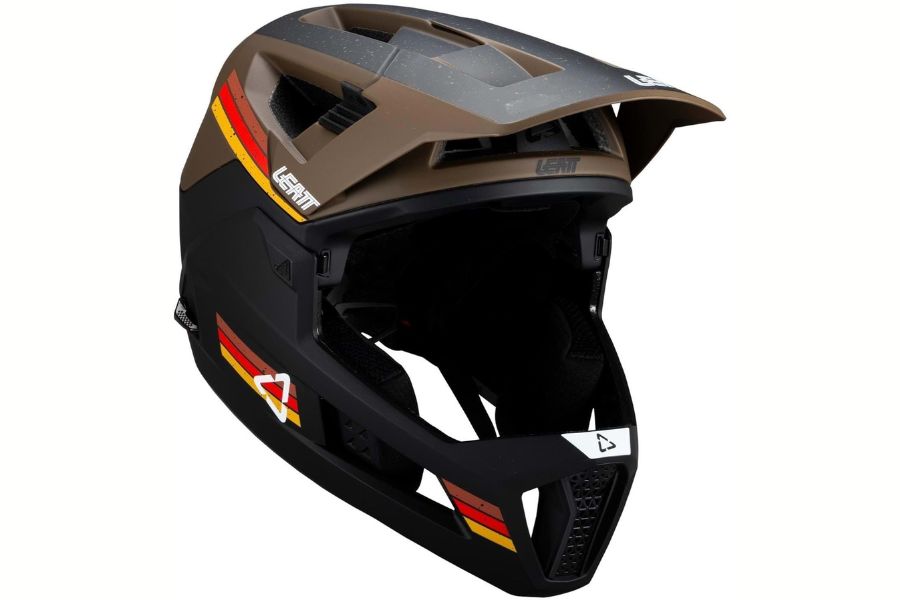
The Leatt MTB Enduro 4.0 is the step-up option if you like the Leatt convertible concept but want something a bit more premium and a bit more “ride it hard” in feel. It’s still fundamentally a detachable chin bar MTB helmet, designed for the rhythm of climbing and descending, but it’s aimed at riders who spend more time on technical trails, steeper enduro lines, and faster trail-centre terrain. In UK terms: if your descents are often wet, rough and high consequence — and you want a helmet that feels genuinely confidence-inspiring — the Enduro 4.0 belongs on your shortlist.
The appeal of the best convertible MTB helmets 2026 isn’t just extra protection; it’s being able to choose the right setup for the moment without switching helmets entirely. The Enduro 4.0 is designed with that reality in mind: ventilation is still part of the brief (important when you’re grinding up climbs in a British summer or doing repeat laps on an e-bike), but it keeps the full-face option ready for when you want to commit to a line. If you want a removable chin guard MTB helmet that doesn’t feel like a compromise either way — and you’re happy paying a little more for that — this is a strong mid-to-upper shortlist pick.
Pros
Convertible MTB helmet aimed at enduro and aggressive trail riding
360° Turbine Technology approach to rotational forces
Premium-leaning option without going all the way to “DH-only” pricing
Cons
Goggle compatibility isn’t explicitly stated — worth checking fit with your preferred goggles
Specifications
Type: Convertible (removable chin bar)
Rotational protection: 360° Turbine Technology
Fit system: Flat Lock Strap divider and fit system
Ventilation: 18 vents
Visor: Adjustable visor with breakaway function
Goggle compatibility: Not specified
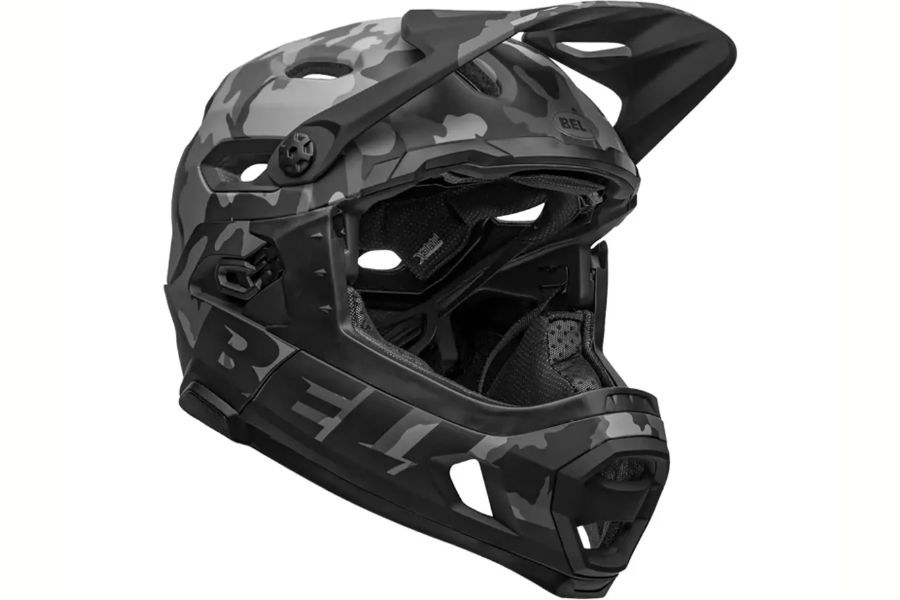
Bell Super DH Spherical
£268 (RRP £314.99)
If your idea of a convertible MTB helmet is “proper downhill credibility, but with the option to climb”, the Bell Super DH Spherical is exactly that. This is a removable chin bar MTB helmet built for steep terrain, bike parks, and hard-charging trail riding where you want a more substantial lid than a typical open-face trail helmet — yet still like the idea of taking the chin bar off for longer climbs or mellower linking sections. For UK riders who mix uplift days, trail centres and natural descents, that versatility can genuinely reduce compromise.
The Super DH leans into the “serious helmet” end of the category: it’s designed around Bell’s Spherical Technology (powered by Mips) approach, and it’s the kind of helmet you shortlist when you prioritise confidence on rough descents. The details also match what mountain bikers actually do: a goggle-friendly opening, an adjustable visor with goggle storage, and a fit system that’s designed to stay stable when the ride gets hectic. If you’re trying to choose among the best convertible MTB helmets 2026 and you want one that feels closer to a downhill helmet than a trail lid, this is one of the most relevant benchmarks.
Pros
Downhill-certified direction with removable chin bar versatility
Spherical Technology powered by Mips approach to rotational forces
Goggle-friendly eye port and visor designed for goggle storage
Cons
Overbuilt for mellow bridleways — it makes the most sense if you descend hard
Specifications
Type: Convertible (tool-free removable chin bar)
Rotational protection: Spherical Technology™ powered by Mips®
Fit system: Float Fit DH™
Ventilation: Overbrow Ventilation™ (intake ports + internal air-channel matrix)
Visor: Adjustable visor (goggle storage)
Goggle compatibility: Goggle-friendly eye port; visor supports goggle storage
Frequently Asked Questions
What is the best convertible MTB helmet in 2026?
There isn’t one best option for everyone — the best convertible MTB helmets 2026 depend on how hard you descend, how much you climb, and whether you want a downhill-certified feel or a lighter trail-first helmet. Use the shortlist above to match helmet style to your riding.
Are detachable chin bar MTB helmets worth it for UK riding?
Often, yes. UK riding tends to mix long climbs, linking sections and short-but-technical descents. A detachable chin bar MTB helmet lets you climb in open-face mode and add extra face protection when the trail gets steep, rooty or high consequence.
Do convertible helmets feel as safe as a full-time full-face helmet?
Convertible full face MTB helmets can offer serious protection, but construction and certifications vary by model. If you mainly ride bike parks, uplift days, or very steep terrain, you may still prefer a dedicated full-face. For mixed trail riding, convertible models can be a smart compromise.
Do I need MIPS in a convertible MTB helmet?
Mips (or equivalent rotational-impact systems) is common in this category and can be a meaningful feature, but it’s not the only factor. Fit, stability, comfort and correct sizing matter hugely — a well-fitting helmet is the one you’ll actually wear properly on every ride.
What should I look for when buying a removable chin guard MTB helmet?
Prioritise fit and stability first, then look at how easy the chin bar is to remove and refit, whether the visor works with goggles, and whether ventilation is good enough for long climbs. A convertible MTB helmet is only “best” if you’ll happily use it in both modes.