

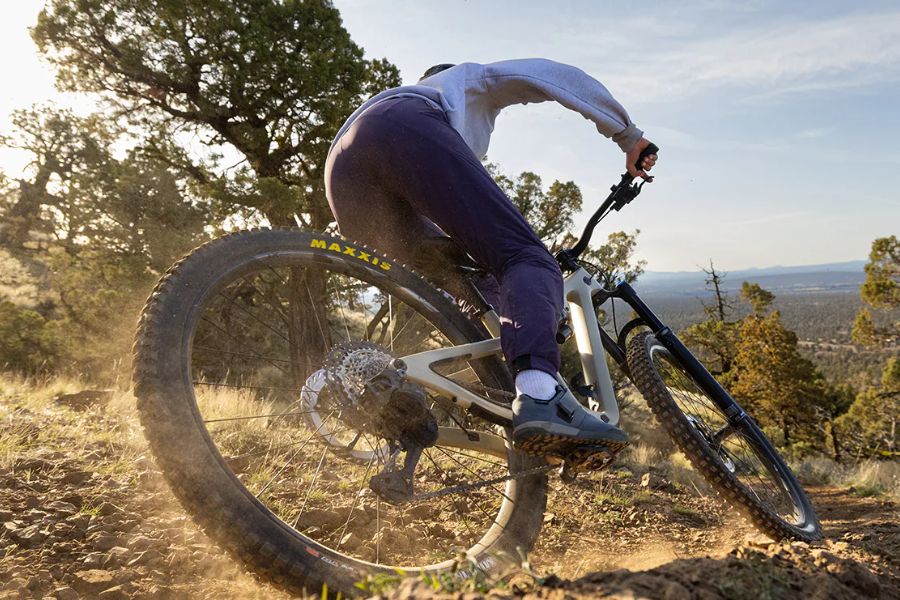
If you’re searching for the best eMTB brake pads 2026, you’re probably chasing one of three outcomes: more bite on steep descents, less fade on long runs, or braking that stays quiet and predictable when the trails are wet. On an eMTB, brake pads matter more than they do on a normal mountain bike because you carry extra weight, you arrive at corners faster, and you tend to do more descending per ride. That combination pushes pads into the hot zone quickly, especially in UK conditions where mud, grit and water can turn a “good” pad into a noisy, glazed mess within a couple of rides.
The other reason best eMTB brake pads 2026 is a worthwhile guide is that pads are one of the few upgrades that genuinely change how your bike rides for relatively little money. The right compound can transform lever feel, reduce arm pump, and make your braking more consistent when it matters. But there is no universal best pad. Resin (organic) pads are usually quieter with better initial bite, sintered (metal) pads usually last longer and handle heat better, and semi-metal pads sit in the middle. Your rotor type, your brake model, your terrain, and even how often you ride in the wet will decide what “best” means for you.
Electric MTB UK is reader-supported. If you buy through links on this page, we may earn an affiliate commission. This helps fund independent journalism and testing and does not affect what we write or how products are ranked.
The best eMTB brake pads shortlisted
Jagwire Pro Semi-Metallic Disc Brake Pads (Shimano compatible) — £11.99 (RRP £14.99)
Shimano D03S Resin Disc Brake Pads (4-piston) — £13.29 (RRP £21.99)
Hope Brake Pads (e-bike compound options) — £15.69 (RRP £16.50)
Shimano N03A Resin Disc Pads and Spring (4-piston, finned) — £16.49 (RRP £27.99)
Magura 8.P Performance Disc Brake Pads — £19.63
Galfer E-Bike Disc Brake Pads (G1652 compound, fitment dependent) — £20.49 (RRP £24.99)
SRAM Code Disc Brake Pads (Organic) — £20.99 (RRP £27.00)
Magura 7.R Race MT Disc Brake Pads — £21.00 (RRP £21.34)
Sinter 13 Brake Pads (SRAM Code, Guide RE fitments) — £26.99
SwissStop RS Disc Brake Pads (fitment dependent) — £29.99
Shimano N04C Metal Disc Pads and Spring (4-piston, finned) — £42.99
We’ve prioritised pads that make sense for real eMTB ownership: widely available, proven compounds, and options that cover the most common brake systems on UK eMTBs (Shimano 4-piston, SRAM Code and Guide RE, Magura MT, and Hope V4). We’ve also included one strong value aftermarket option because many riders want a cheaper pad for wet winter mileage without giving up too much performance.
Quick compatibility check and bedding-in: pad shape matters more than brand. Confirm your caliper model (it is usually printed on the caliper body or shown in your bike spec). Match the pad shape and fitment first, then pick compound. Once installed, bed pads in properly: 15–25 controlled stops from medium speed, letting the brakes cool slightly between runs. Most noise complaints that get blamed on “bad pads” are actually poor bedding-in, contamination, or a rotor that is already glazed.
The best eMTB brake pads
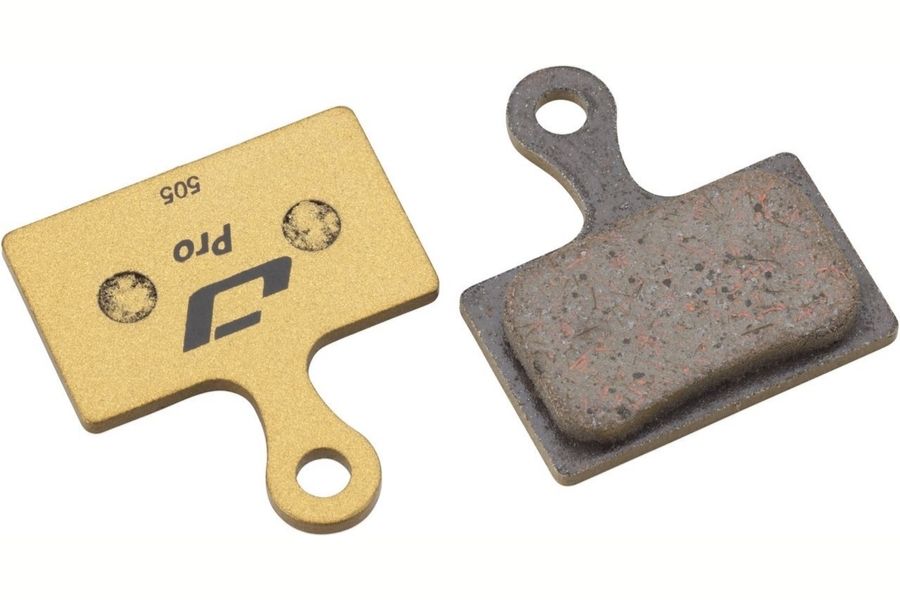
Jagwire Pro Semi-Metallic Disc Brake Pads (Shimano compatible)
£11.99 (RRP £14.99)
If you want a budget-friendly route into better braking feel, Jagwire’s semi-metallic pads are a smart starting point. For many UK riders chasing the best eMTB brake pads 2026 on a realistic budget, the win is balance. Semi-metallic pads tend to offer more durability and wet-weather consistency than a soft resin pad, without the full-on noise potential and sharp “on-off” feel that some sintered pads can produce on cold, wet rotors. That makes them a sensible winter option for bridleways, trail centres and general eMTB mileage where you are braking often but not necessarily doing huge alpine-style descents.
They also make sense as a “diagnostic” pad. If your brakes feel inconsistent, you can fit these, bed them in properly, and quickly work out if your issues are contamination or rotor condition rather than pad compound. Jagwire also uses lightweight backing plates in many of its ranges, which can slightly improve heat behaviour and reduce the heavy, dead lever feel you sometimes get when cheaper pads overheat early.
Pros
Strong value option for year-round UK riding
Predictable feel in wet conditions compared with very soft resin pads
A sensible choice for riders who want durability without going fully sintered
Cons
Not the best option for sustained, high-heat enduro descending on a heavy eMTB
Specifications
Compound: Semi-metallic
Backing plate: Lightweight plate (as per product range spec)
Brake compatibility: Shimano fitment (model list varies by version, confirm pad shape)
Intended use: Trail, mixed conditions, frequent braking
Included: Pads plus spring (varies by kit)
Notes: Best results with careful bedding-in and clean rotors
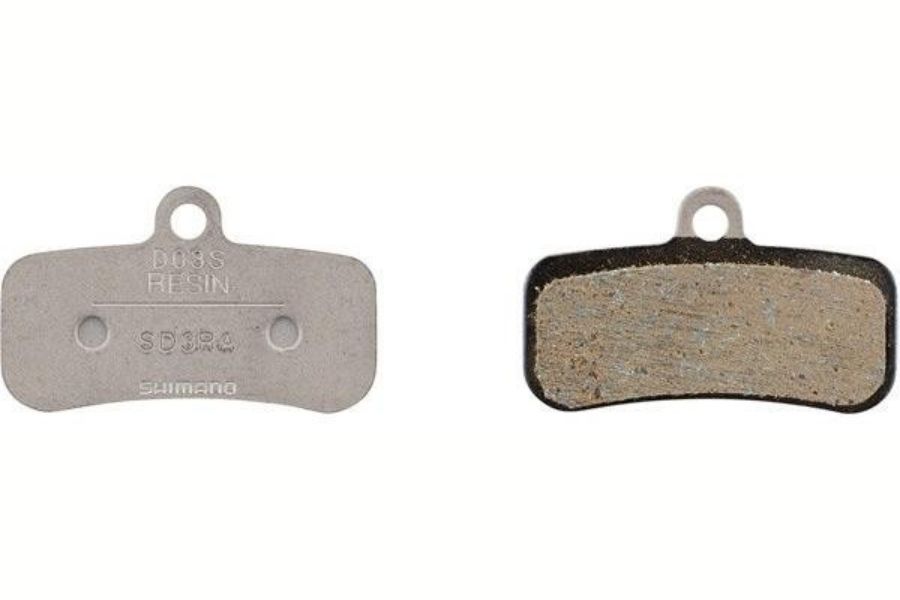
Shimano D03S Resin Disc Brake Pads (4-piston)
£13.29 (RRP £21.99)
For Shimano 4-piston brakes, Shimano’s own D03S is a genuinely strong baseline pad and still one of the easiest recommendations in a best eMTB brake pads 2026 guide. It’s a resin pad, which means it typically delivers a quieter ride, smoother modulation, and an easier bedding-in process than most metallic options. On UK trails, that matters because wet riding already pushes noise and vibration up. A pad that starts quietly and stays predictable is often more confidence-inspiring than one that feels powerful but chatters every time the rotor is damp.
The D03S also makes sense for riders who want better lever feel rather than maximum lifespan. Resin pads tend to have strong initial bite at lower temperatures, so they feel good on short, punchy descents and stop-start trail centre riding. The trade-off is that resin pads can wear faster in winter grit and can fade sooner on long, steep descents, especially on a heavier eMTB. If your riding is mostly trail centres, bridleways and natural singletrack rather than repeated enduro runs, D03S remains a very solid “fit and forget” choice.
Pros
Smooth, quiet braking feel that suits UK wet riding
Easy bedding-in, strong bite at lower temperatures
Reliable OEM option for common Shimano 4-piston systems
Cons
Wears faster than sintered pads in gritty winter conditions
Specifications
Compound: Resin (organic)
Backing plate: Steel
Brake compatibility: Shimano 4-piston D-type calipers (commonly used on XTR, XT, SLX, Deore 4-piston systems)
Intended use: Trail, general UK riding, quieter performance
Included: Pads and spring
Notes: Rotor condition makes a big difference, replace or deglaze rotors if noise persists
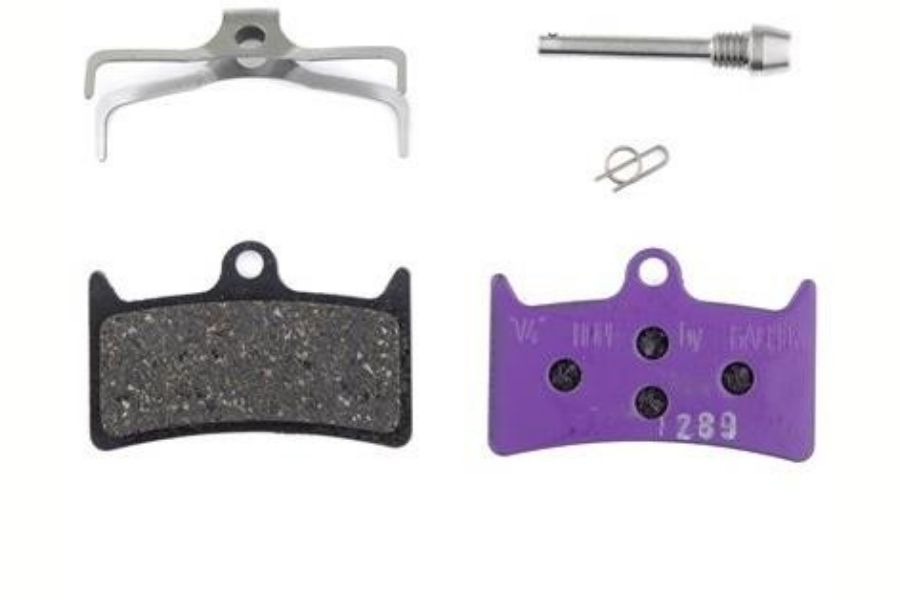
Hope Brake Pads (e-bike compound options)
£15.69 (RRP £16.50)
Hope’s brake pads deserve a place in any best eMTB brake pads 2026 shortlist for one simple reason: lots of UK riders run Hope calipers, and Hope offers multiple compounds that let you tune braking to your riding. If you have V4, TR4, or related Hope calipers, the e-bike compound option is aimed at heavier bikes and higher speeds, which is exactly the eMTB problem. The goal is consistent bite under load, better heat tolerance, and a pad that stays usable for longer when you’re riding in the wet every week.
The other reason Hope pads make sense is that they are designed around the system. You are matching pad, rotor, and caliper behaviour the brand expects, which often results in better feel and fewer weird noise issues than random third-party pads. For UK winter riding, the pad choice is often about controlling noise and managing rotor wear as much as it is about raw stopping power. Hope’s range gives you a sensible path: standard for quieter summer riding, sintered for winter longevity, and e-bike compound if you want that extra durability and heat management on a heavier bike.
Pros
Multiple compounds so you can tune feel and durability
E-bike compound suits heavier bikes and frequent braking
Strong option for UK riders running Hope V4 and similar calipers
Cons
Performance depends heavily on matching the correct compound to your conditions
Specifications
Compound: Choice of standard, sintered, race, and e-bike compound (by fitment)
Backing plate: Brand-specific plate by model
Brake compatibility: Hope calipers (select your exact caliper model and pad shape)
Intended use: Trail, enduro, DH, eMTB depending on compound
Included: Pads, spring, plus hardware in some kits
Notes: If you swap compound type, re-bed properly and clean rotors to avoid contamination carryover
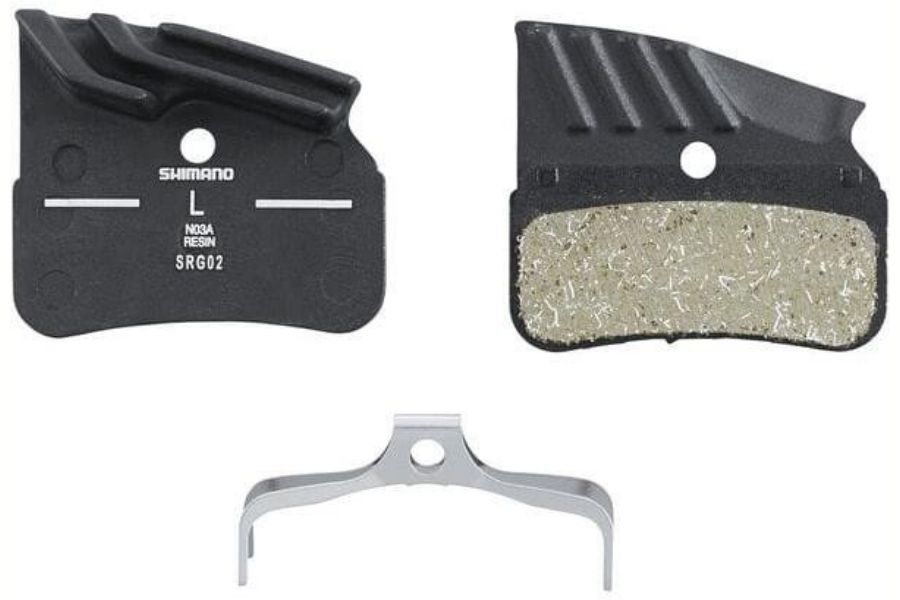
Shimano N03A Resin Disc Pads and Spring (4-piston, finned)
£16.49 (RRP £27.99)
If you like the feel of resin pads but ride steep enough terrain to notice fade, finned resin pads are often the sweet spot, and Shimano’s N03A is a strong example. In the best eMTB brake pads 2026 context, this is the “resin pad that tries to survive eMTB heat.” You keep the quieter bite and predictable modulation of resin, but the cooling fins help move heat away from the pad and caliper area, which can reduce that spongy lever feel that appears after long braking zones.
For UK riding, N03A makes particular sense if you ride trail centres with repeated descents, or if you ride natural hills where you spend a long time dragging brakes on steep, greasy tracks. It is also a good match for riders who value control more than maximum bite. Resin pads are often easier to modulate, which helps on slick roots and wet rock where locking a wheel is the fastest route to a crash. You will still get faster wear than a full sintered pad in winter grit, but if you want “resin feel, more heat tolerance,” this is one of the most sensible OEM choices.
Pros
Resin feel with better heat management thanks to cooling fins
Strong modulation for wet, technical UK trails
Good step up from basic resin pads without jumping to full metallic
Cons
Still not as long-lasting as sintered pads in gritty winter conditions
Specifications
Compound: Resin (organic)
Backing plate: Alloy and steel with cooling fins
Brake compatibility: Shimano 4-piston finned pad fitment (confirm your exact caliper model)
Intended use: Trail, enduro style riding where you want quieter control
Included: Pads and spring
Notes: Best paired with clean rotors and correct bedding-in to avoid glazing
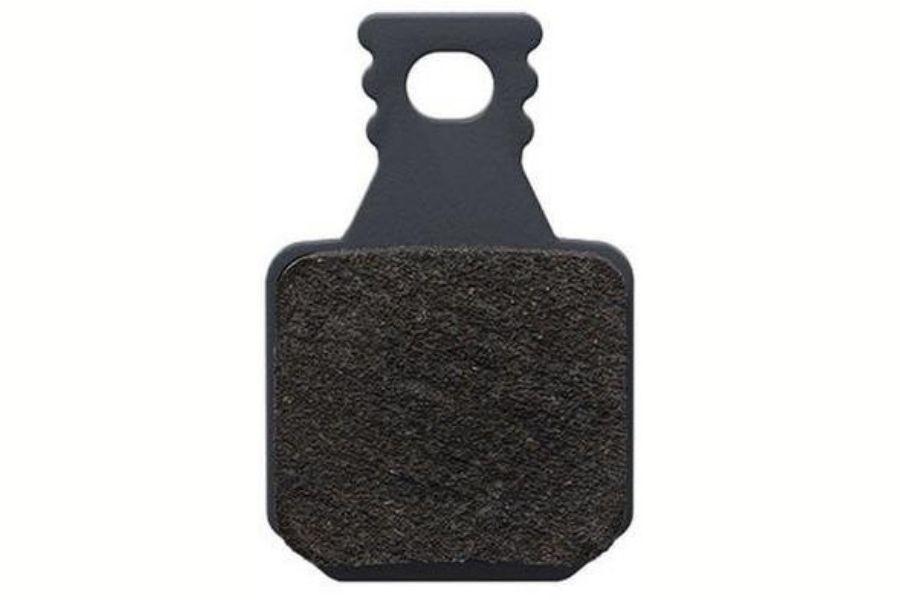
Magura 8.P Performance Disc Brake Pads
£19.63
Magura owners often end up experimenting with pads because MT brakes can feel incredible when dialled, but fussy when contaminated. The 8.P Performance pad is a sensible “daily driver” choice for riders who want consistent braking without turning every ride into a pad science experiment. In a best eMTB brake pads 2026 list it earns its spot because it’s aimed at dependable performance across conditions, which is exactly what many UK eMTB riders need. Think long rides, mixed surfaces, and plenty of wet riding where quietness and predictability matter.
The key advantage of a performance pad like this is balance. You get solid bite without the harshness that some race pads can bring, and you typically get better longevity than very soft compounds. It’s also a good pad for riders who do a lot of climbing and descending in one ride. You are not always running at maximum speed, but you are braking frequently, and that constant heat cycling is what can cook cheaper pads. The 8.P is a practical option for year-round riding, and a good starting point if you want to judge whether you really need to step up to a harder race compound.
Pros
Strong all-round pad for UK conditions and mixed terrain riding
Predictable feel without being overly grabby
Good baseline choice before moving to more aggressive race pads
Cons
Not the most aggressive option if you prioritise maximum bite above all else
Specifications
Compound: Performance compound (Magura range)
Backing plate: Magura-specific
Brake compatibility: Magura MT series 4-piston fitments (confirm pad shape for your caliper)
Intended use: Trail, touring, mixed conditions, eMTB mileage
Included: Pads set (kit format varies)
Notes: Clean rotors and avoid chain lube overspray, Magura pads are sensitive to contamination
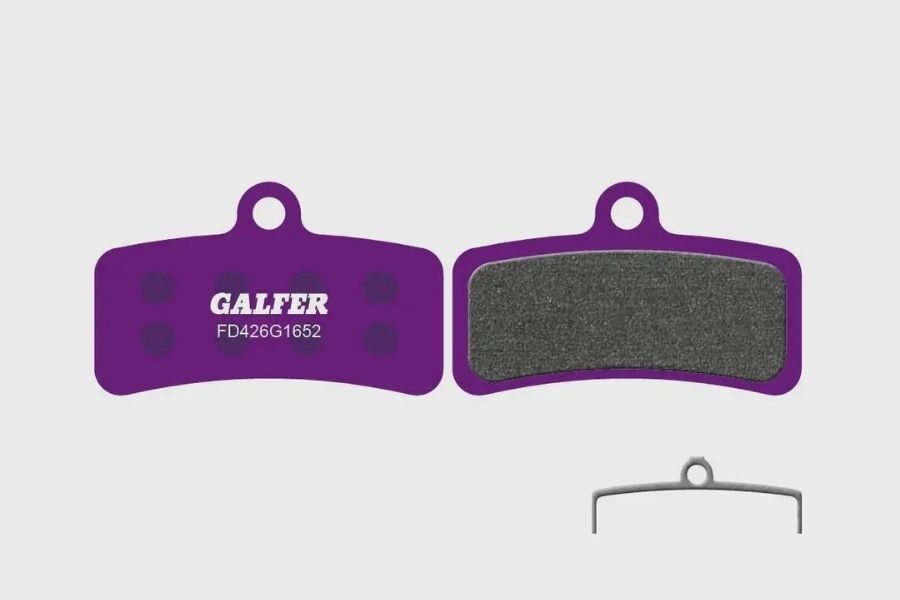
Galfer E-Bike Disc Brake Pads (G1652 compound, fitment dependent)
£20.49 (RRP £24.99)
Galfer’s e-bike compound pads are one of the most logical upgrades for riders who want more durability and heat resistance without automatically going full metallic. In the best eMTB brake pads 2026 conversation, Galfer’s G1652 is designed specifically for e-bike use, with the goal of maintaining braking power and consistency under higher weight and higher average speed. The practical benefit for UK riders is that you can often get strong performance with less noise than some harsh sintered pads, particularly if you ride in mixed conditions and you want a pad that does not sound awful the moment the rotors get damp.
Another reason Galfer works well for affiliate content is fitment coverage. There are G1652 options for multiple brake systems, so you can recommend the compound as the concept, then guide riders to the correct pad shape for their calipers. In use, these pads tend to suit riders who do longer rides, ride faster descents, and want pad life that keeps up with the amount of riding an eMTB encourages. If your stock pads feel like they disappear every few weeks, a purpose-built e-bike compound is often the most sensible next step.
Pros
Designed for e-bike loads, higher speeds, and heat resistance
Strong option for riders who want durability without the harshest metallic feel
Wide fitment coverage across common brake systems
Cons
You must select the correct Galfer pad code for your exact brake model
Specifications
Compound: Galfer G1652 e-bike compound
Backing plate: Brand-specific by fitment
Brake compatibility: Multiple systems (choose the pad code that matches your caliper)
Intended use: eMTB trail riding, heavier bikes, longer descents
Included: Pads set (kit dependent)
Notes: Best paired with good rotor condition, glazed rotors can make any pad feel weak and noisy
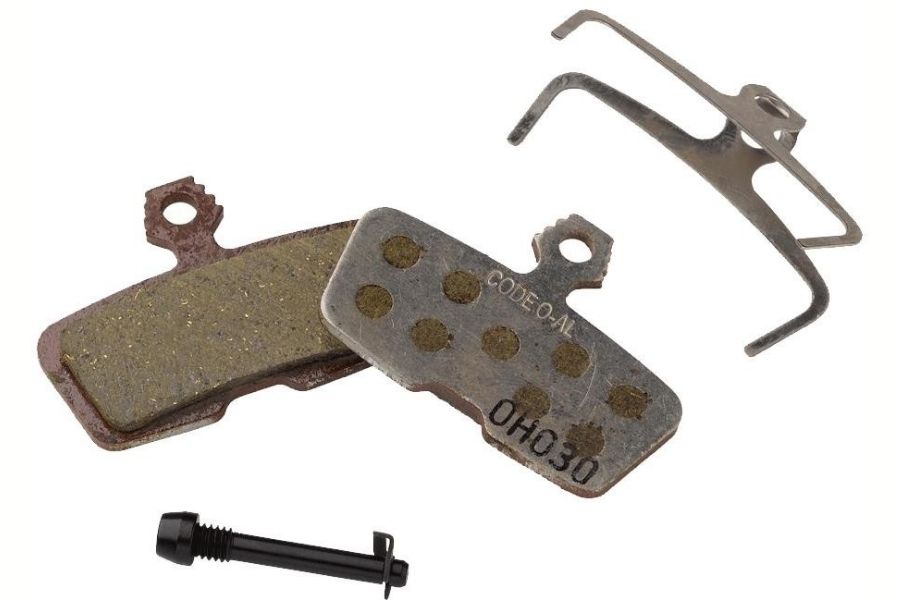
SRAM Code Disc Brake Pads (Organic)
£20.99 (RRP £27.00)
SRAM Code brakes are common on full-power eMTBs for good reason: they cope with speed and weight. But Code performance is heavily pad-dependent, and the stock organic pad is still a very useful reference point. If your goal is the best eMTB brake pads 2026 for Code calipers, it is worth understanding what organic does well: strong initial bite, smoother modulation, and typically less noise in the wet than many metallic alternatives. That makes it a good pad for trail riders who want control on slippery surfaces and who dislike the harsh, gritty sound that can come with sintered pads in winter.
The limitation is heat. On long descents, organic pads can fade earlier, and on gritty winter rides they can wear quickly. But many UK riders are not doing endless alpine descents. They are doing repeated UK trail centre laps, natural descents, and lots of mixed riding where the ability to feather brakes and stay smooth matters as much as maximum heat capacity. Organic Code pads also bed in quickly, which helps if you swap pads frequently or you run different pad compounds seasonally. Use them as your baseline, then step up to sintered or performance aftermarket if you want more durability.
Pros
Strong bite and modulation for technical UK trails
Generally quieter than metallic pads in wet conditions
Good baseline pad for Code owners, easy to bed in
Cons
Can fade and wear faster than sintered pads on long, heavy braking descents
Specifications
Compound: Organic
Backing plate: Steel (varies by version)
Brake compatibility: SRAM Code calipers (check model year and pad shape)
Intended use: Trail, mixed riding, riders who prioritise modulation
Included: Pads and spring (kit dependent)
Notes: If you swap compound type, clean rotors thoroughly before installing new pads
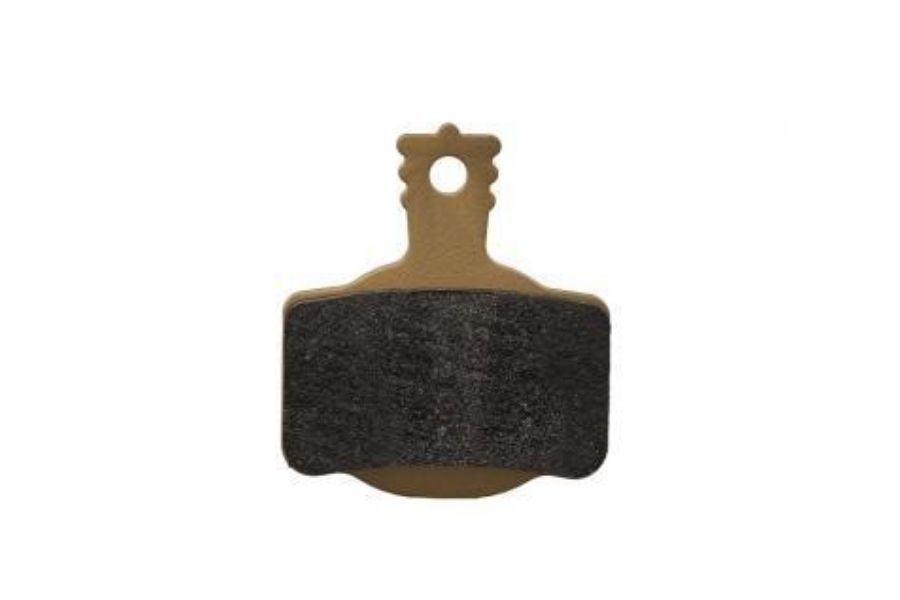
Magura 7.R Race MT Disc Brake Pads
£21.00 (RRP £21.34)
If you ride hard and you are regularly pushing brakes into the red zone, Magura’s 7.R Race pads are the “serious descending” option in this guide for MT brakes. In a best eMTB brake pads 2026 list, they sit above the 8.P because they are aimed at higher braking power and better performance under heat. For UK riding, that matters most on steep trail centre runs, bike-park style laps, and long natural descents where you are braking heavily and repeatedly. A race-style pad is not just about power, it’s about consistency, so the lever feel does not fall apart halfway down.
The trade-off is usually noise and rotor wear. Harder, more aggressive pads can be louder in the wet and can be less forgiving if you are sensitive to modulation. But if you are the rider who is always finishing descents thinking “I wish I had more brake,” then moving to a more aggressive pad is one of the simplest upgrades you can make. Get bedding-in right, keep rotors clean, and these pads can give Magura brakes the kind of dependable bite that makes steep eMTB riding feel more controlled.
Pros
Strong option for riders who need consistency on steep, high-heat descents
Suits aggressive trail centre riding and faster eMTB descending
A clear performance step up within the Magura pad range
Cons
More likely to be noisy in wet conditions than softer performance pads
Specifications
Compound: Race-focused compound (Magura 7.R range)
Backing plate: Magura-specific
Brake compatibility: Magura MT series fitments (confirm pad type for your caliper)
Intended use: Aggressive trail, enduro style descending, high heat use
Included: Pads set (kit dependent)
Notes: Clean rotors are critical, any contamination can make race pads feel inconsistent
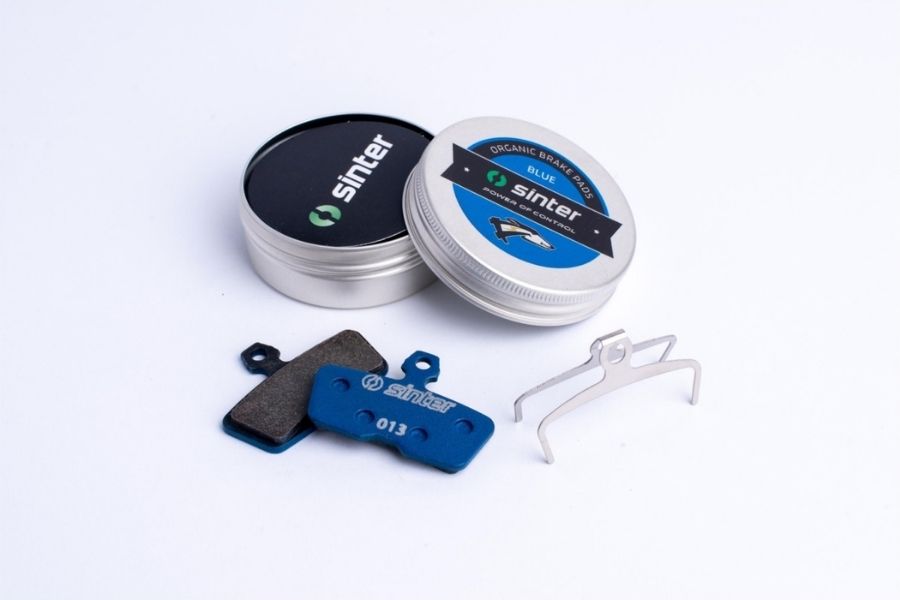
Sinter 13 Brake Pads (SRAM Code, Guide RE fitments)
£26.99
Sinter pads are a strong “aftermarket performance” move for riders who want a more purposeful pad than many OEM options. For SRAM Code and Guide RE users hunting the best eMTB brake pads 2026, Sinter’s range is appealing because it offers distinct compounds aimed at specific outcomes, including high temperature stability and wet-weather performance. On an eMTB, that matters because you can easily overwhelm a pad that was fine on a lighter bike. The extra speed and weight mean your brakes spend more time managing heat, not just stopping you.
The benefit of a performance pad like this tends to show up late in the descent, when OEM pads start to feel vague. You want consistent bite and a lever feel that stays predictable, even when the rotor is hot and the trail is rough enough that you are braking in awkward, unsteady moments. Sinter pads can also make sense if you ride through winter, as some compounds are designed to keep friction stable when everything is wet and gritty. Just be honest with yourself about what you want. If you prioritise silence, you may prefer a softer compound. If you prioritise durability and heat handling, a more aggressive compound is usually the point.
Pros
Performance-focused options for heavier bikes and repeated descending
Good upgrade choice for Code and Guide RE eMTB setups
Useful compound choices for wet UK conditions and higher heat loads
Cons
Some compounds can increase noise compared with softer organic pads
Specifications
Compound: Range of Sinter compounds by colour or series (choose based on your riding)
Backing plate: Brand-specific by pad model
Brake compatibility: SRAM Code and Guide RE fitments (confirm exact pad version)
Intended use: eMTB trail, enduro descending, heavy braking conditions
Included: Pads set (kit dependent)
Notes: Bed in carefully, aggressive compounds need correct bedding to avoid glazing
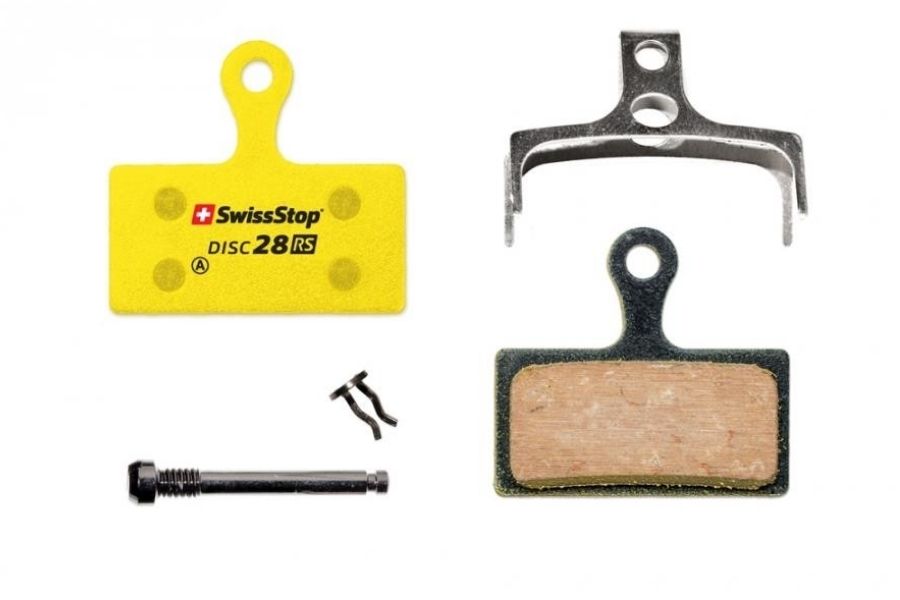
SwissStop RS Disc Brake Pads (fitment dependent)
£29.99
SwissStop RS pads are a premium choice for riders who want strong braking with a focus on control and low noise, which is a combination many pads fail to deliver. In a best eMTB brake pads 2026 guide, RS makes sense for riders who want a “refined” feel: predictable modulation, consistent friction across conditions, and fewer of the squeal issues that can plague wet-weather riding. That is especially relevant in the UK where you often start a descent with cold, wet rotors and you want the first few corners to feel as controlled as the last few.
RS pads can be a smart upgrade if you are unhappy with the trade-off of standard pads. Many riders move to sintered for durability, then hate the noise and harsh bite. Others stay on organic for quietness, then get frustrated by rapid wear. A pad like SwissStop RS aims to sit in a more balanced zone, particularly for riders who care about feel and consistency. As always, rotor condition matters. A glazed or contaminated rotor will make even great pads feel inconsistent. But if you keep your braking system clean, RS pads can deliver a very “sorted” braking experience on an eMTB.
Pros
Excellent modulation and predictable feel for technical riding
Often quieter than many high-durability alternatives in wet conditions
Premium option for riders who prioritise consistency and control
Cons
Premium pads still need clean rotors and correct bedding-in to perform properly
Specifications
Compound: SwissStop RS (organic-based performance compound)
Backing plate: Fitment-dependent
Brake compatibility: Multiple systems, select the correct Disc code for your caliper
Intended use: Trail, technical riding, riders who want quiet consistency
Included: Pads set (kit dependent)
Notes: If you want maximum pad life above all else, a full sintered pad may last longer
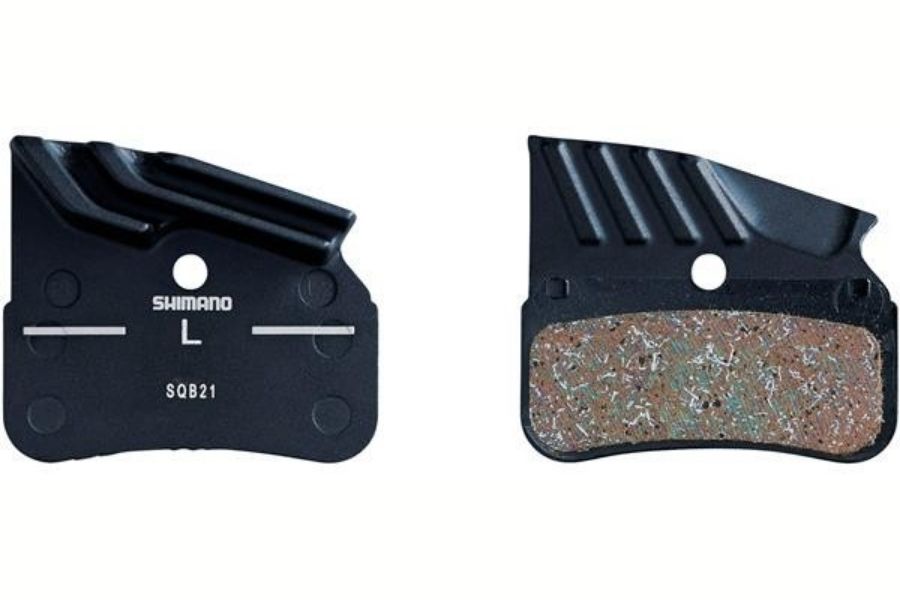
Shimano N04C Metal Disc Pads and Spring (4-piston, finned)
£42.99
If your riding routinely pushes brakes into fade territory, Shimano’s N04C finned metallic pads are one of the most credible “maximum durability and heat management” choices for Shimano 4-piston systems. For the best eMTB brake pads 2026 category, N04C is the pad you choose when you are tired of burning through resin pads or you are riding steep enough terrain that you can feel braking performance changing halfway down. Metallic pads tolerate heat better and usually last longer, and the cooling fins help keep temperatures down at the caliper, which can improve consistency on long descents.
In UK terms, these pads shine for riders who ride hard, ride often, and ride through winter. Wet grit eats pads, and an eMTB’s higher average speed means more braking load. N04C is built for that reality. The trade-off is potential noise. Metallic pads can be louder in the wet and can feel more abrupt than resin, especially before they are fully warmed. If you are sensitive to modulation, you might prefer finned resin first. But if your goal is fewer pad changes, better fade resistance, and braking that stays strong when the trail is steep and fast, N04C is one of the best OEM answers available.
Pros
Excellent durability and heat tolerance for hard eMTB riding
Cooling fins help reduce fade on longer descents
Strong choice for winter grit and frequent riding
Cons
Metallic pads can be noisier in wet conditions than resin alternatives
Specifications
Compound: Metal (sintered)
Backing plate: Alloy and steel with radiator fins
Brake compatibility: Shimano 4-piston finned pad fitment (common on XTR, XT, SLX 4-piston systems, confirm model)
Intended use: Aggressive trail, enduro descending, heavy eMTB use
Included: Pads and spring
Notes: Best performance with suitable rotors and thorough bedding-in
Frequently Asked Questions
What brake pad compound is best for eMTB riding in the UK?
For many riders, resin is best for quiet control and modulation, especially on wet UK trails. Sintered (metal) is best for durability and heat resistance, particularly for steep trail centres and heavier eMTBs. Semi-metal is often the best all-round compromise.
How do I know which brake pads fit my eMTB?
Start with your brake caliper model, not your bike model. The caliper code is usually printed on the caliper body. Match the pad shape and fitment first, then choose compound. If you guess the pad shape, you will waste money.
Why do my eMTB brakes squeal after changing pads?
Common causes are poor bedding-in, contaminated pads or rotors (often from chain lube), glazed rotors, or a pad compound that does not match your conditions. Clean rotors with proper disc brake cleaner, deglaze if needed, then re-bed carefully.
Should I change brake rotors when I change pads?
Not always, but it depends on rotor condition. If the rotor is badly worn, contaminated, or glazed, new pads can bed in poorly and stay noisy. If you are changing compound type, cleaning or light sanding can help prevent contamination carryover.
How often should eMTB brake pads last?
It depends massively on terrain, rider weight, braking style, and conditions. UK winter grit can halve pad life. Resin pads usually wear faster than sintered pads. If you are replacing pads very frequently, moving to an e-bike specific compound can be cost-effective.