If you’ve found yourself searching for the best full-face MTB helmets 2026, you’re probably at one of two points: either you’re riding steeper, faster terrain (or visiting trail centres and bike parks more often), or you’ve simply decided you want more confidence than an open-face lid can give. A good full-face mountain bike helmet can be a genuine game-changer for UK riding, because our trails are often traction-limited rather than predictably fast — wet roots, slick rock, muddy ruts and awkward off-camber turns where crashes aren’t always dramatic, but they can still be messy.
It’s also worth saying clearly: full-face helmets aren’t just for downhill. The modern category has split into two broad styles. There are enduro full-face helmets designed to be pedalled in — lighter-feeling, more ventilated, and more comfortable for long rides and long climbs. Then there are downhill MTB helmets that prioritise a more solid, planted feel and higher protection expectations for uplift and bike-park days. Both can be “the best full-face MTB helmet” depending on how you ride. If you’re mostly pedalling and mixing in technical descents, enduro-style full-face lids make the most sense. If you’re riding uplift days regularly, chasing speed, or riding bigger features, you’ll often prefer a more DH-leaning helmet.
For Electric MTB UK, the key point is that this is MTB kit first, not “eMTB-only” kit. But if you ride an e-MTB, you may simply do more descending in a typical session — more laps, more repeats, more time on rough terrain — which can make a breathable, stable full-face helmet feel like a sensible upgrade rather than an overreaction. Whether you ride analogue or assisted, the best full-face mountain bike helmet is the one that fits your head shape properly, works with your goggles, and feels comfortable enough that you actually wear it.
This guide picks seven strong options and ranks them low to high by price. Use the shortlist to choose a sensible level first, then decide whether you want a pedal-friendly enduro full-face or a more DH-focused downhill helmet feel.
The best full-face MTB helmets shortlisted
Bell Sanction 2 — £96.99 (RRP £109.99)
Endura SingleTrack Full Face Helmet – £109 (RRP £160)
Fox Rampage — £159.99 (RRP £224.99)
Troy Lee Designs Stage — £168 (RRP £299.99)
Smith Mainline — £179.99 (RRP £285)
Giro Insurgent Spherical Full Face – £202.99 (RRP £349.99)
POC Otocon Race — £209.99 (RRP: £300)
Fox Proframe RS — £209.99 (RRP £329.99)
Specialized Gambit — £225
We’ve prioritised helmets that make sense for UK ownership: reputable safety design, secure fit systems, goggle compatibility, and ventilation that matches real riding rather than showroom try-ons. Where a helmet leans more “enduro pedal days” or more “bike park and uplift”, we’ve stated that clearly.
Quick sizing & fit: full-face helmet fit matters even more than open-face fit. Your head shouldn’t rattle inside the shell, your cheeks should feel lightly supported (without pain), and the helmet should sit level and low enough to protect the forehead. If you’re between sizes, don’t guess — try both. Different brands suit different head shapes, and the “best full-face MTB helmet” on paper is useless if it gives you pressure points after 20 minutes.
The best full-face MTB helmets 2026
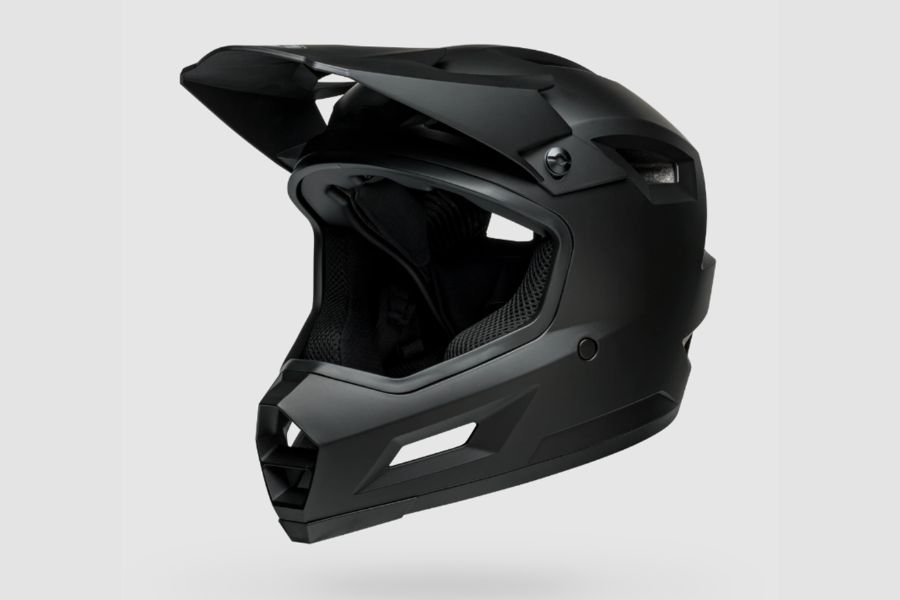
Bell Sanction 2
£96.99 (RRP £109.99)
Best for riders who want a genuinely affordable full-face MTB helmet for trail centres and occasional bike-park days.
The Sanction 2 makes sense if you’re stepping up from an open-face and you want a full-face mountain bike helmet that doesn’t cost premium money. It’s the sort of purchase that fits riders who ride a mix of UK trail centres, steeper local descents and the occasional uplift day — especially if you want that extra facial protection without immediately committing to high-end pricing.
At this end of the market, the biggest win is simply getting used to riding in a full-face. Some riders worry that a downhill-style helmet will feel claustrophobic, but a modern budget full-face can still be surprisingly wearable for shorter climbs and mixed rides. The key is expectation: it’s not trying to be the lightest enduro full face helmet, and it won’t feel as airy as pricier options, but it can be a very sensible “first full-face” that you’ll actually use.
Pros
Strong value entry into full-face MTB helmets for 2026
Good option for UK trail centres and occasional bike-park use
Simple, practical choice for riders moving up from open-face
Cons
Less ventilated and less refined than premium enduro full-face helmets
Specifications
Type: Full-face mountain bike helmet
Rotational protection: Yes (version dependent)
Fit system:
Ventilation:
Visor: Fixed or adjustable (version dependent)
Goggle compatibility: Yes
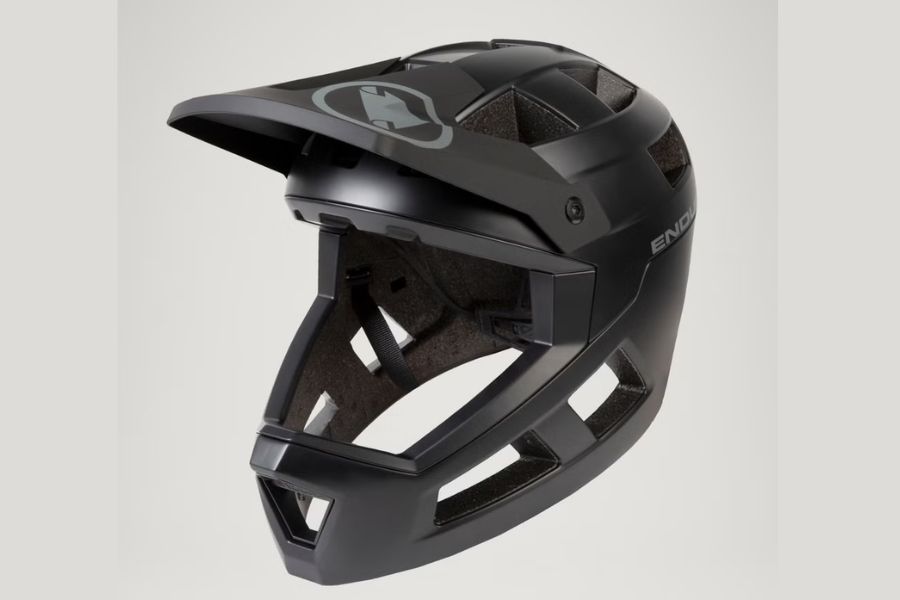
Endura SingleTrack Full Face Helmet
£109 (RRP £160)
If you’re shopping for a budget full-face MTB helmet that still feels genuinely trail-ready, the Endura SingleTrack Full Face Helmet is a smart, UK-friendly option.
It’s aimed at riders who want that extra full-face confidence for trail centres, steeper local descents and occasional bike-park days, without stepping straight into premium enduro pricing. Crucially, it’s designed to be worn on real rides rather than saved for “special occasions”: the large vents help keep it breathable on climbs, the micro-adjust fit system makes it easier to dial in a stable fit, and the goggle-friendly layout (including a rear strap gripper) suits typical UK riding where goggles often come out in winter.
As a “first full-face mountain bike helmet” it also makes sense because it covers the practical basics well: removable, fast-wicking padding for comfort, a simple visor setup, and recognised safety certifications that match how MTB riders actually use full-face lids. If you want the same helmet with added rotational impact tech, Endura also sells a SingleTrack Full Face Mips® version as the step-up option.
Pros
Affordable full-face MTB helmet option for UK trail riding and trail centres
Goggle-friendly design with rear strap gripper for winter and bike-park days
Breathable, lightweight feel for a budget enduro-style full-face
Cons
If rotational impact protection is a must-have, you’ll want the Mips® version instead
Specifications
Type: Full-face mountain bike helmet (trail / enduro use)
Rotational protection:
Fit system: One-handed micro-adjust system with multiple anchor points
Ventilation: Large vents for increased airflow
Visor:
Goggle compatibility: Goggle-friendly with rear strap gripper
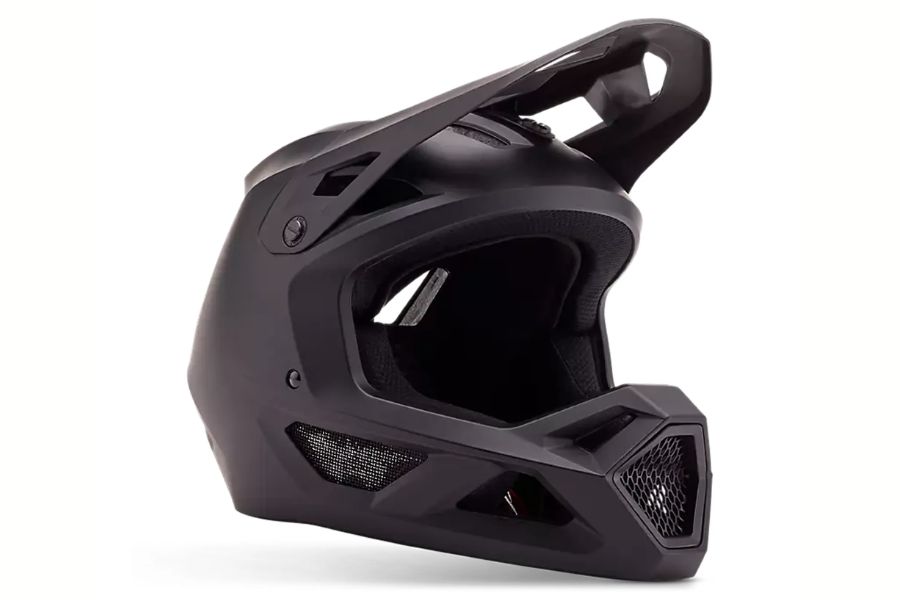
Fox Rampage
£159.99 (RRP £224.99)
Best for riders who want a more downhill-leaning full-face MTB helmet for bike parks, uplift days and faster descending.
The Rampage is a classic choice when your riding is starting to include more lift-assisted days, more speed, and more “commitment” on the downs. In UK terms, that often means trail centres ridden harder, trips to Wales or Scotland, or simply the point where you’ve decided you want a downhill MTB helmet feel rather than a super-light enduro shell.
This kind of helmet suits riders who prioritise a solid, planted feel when the trail is rough and fast. It’s also a practical option for winter riding and messy conditions, when goggles become part of the kit and a full-face helps you stay comfortable and confident. The trade-off is that it’s not the most pedal-friendly choice for long climbs, but if your focus is descending confidence, it’s a strong shortlist pick.
Pros
Downhill-leaning full-face feel for bike parks and uplift days
Confidence-inspiring option for faster, rougher riding
A sensible choice for goggle-heavy winter riding
Cons
Heavier and warmer than an enduro-style full-face mountain bike helmet
Specifications
Type: Full-face MTB helmet (downhill-leaning)
Rotational protection: Yes (version dependent)
Fit system:
Ventilation:
Visor: Adjustable peak
Goggle compatibility: Yes
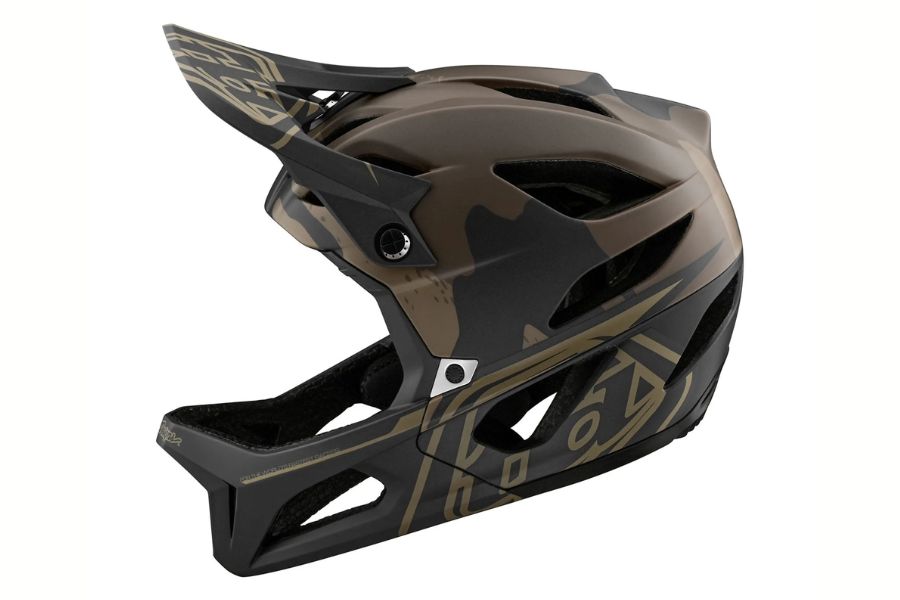
Troy Lee Designs Stage
£168 (RRP £299.99)
Best for riders who want an enduro full face helmet that’s realistic to pedal in on long UK rides.
The Stage sits firmly in the “ride it all day” category: it’s designed to feel lighter and more breathable than a pure downhill helmet, while still giving you the full-face reassurance many riders want for steeper trail-centre descents and rough natural trails. If you pedal to the top and want full-face confidence on the way back down, this is the style of helmet that makes sense.
For UK riding, this category is especially appealing because we rarely get perfect traction. When the ground is slick and unpredictable, crashes can happen at awkward speeds and angles — and a comfortable, pedal-friendly full-face often feels like a sensible upgrade rather than overkill. The Stage-type helmet is also a strong match for e-MTB riders who do lots of repeats, because it’s built to be worn for longer sessions without feeling like a downhill-only compromise.
Pros
Pedal-friendly enduro full-face MTB helmet style
Good choice for long UK trail-centre days and mixed rides
A strong option for riders who want full-face confidence without DH bulk
Cons
Not as “tank-like” as a dedicated downhill MTB helmet for constant bike-park use
Specifications
Type: Full-face MTB helmet (enduro-focused)
Rotational protection: Yes (system varies)
Fit system:
Ventilation:
Visor: Adjustable peak
Goggle compatibility: Yes
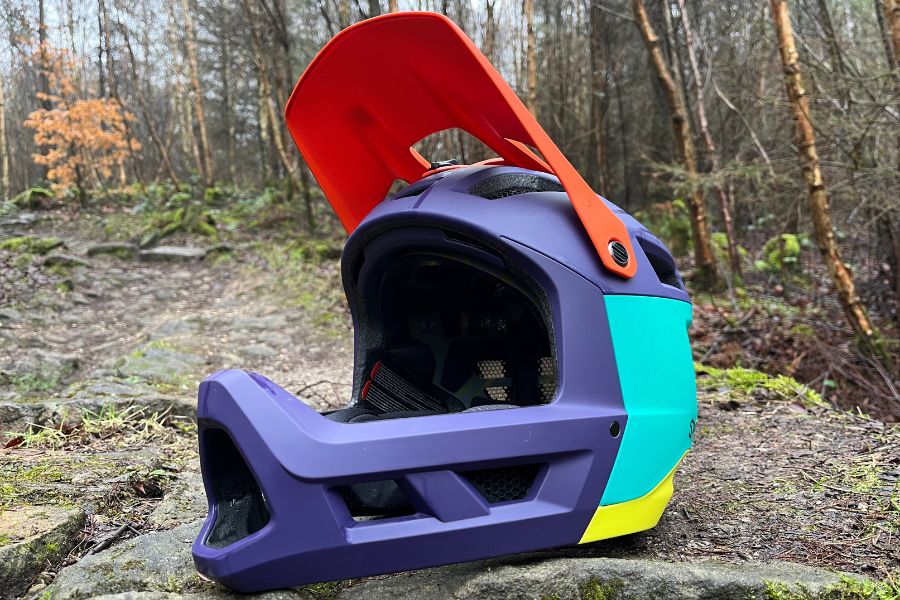
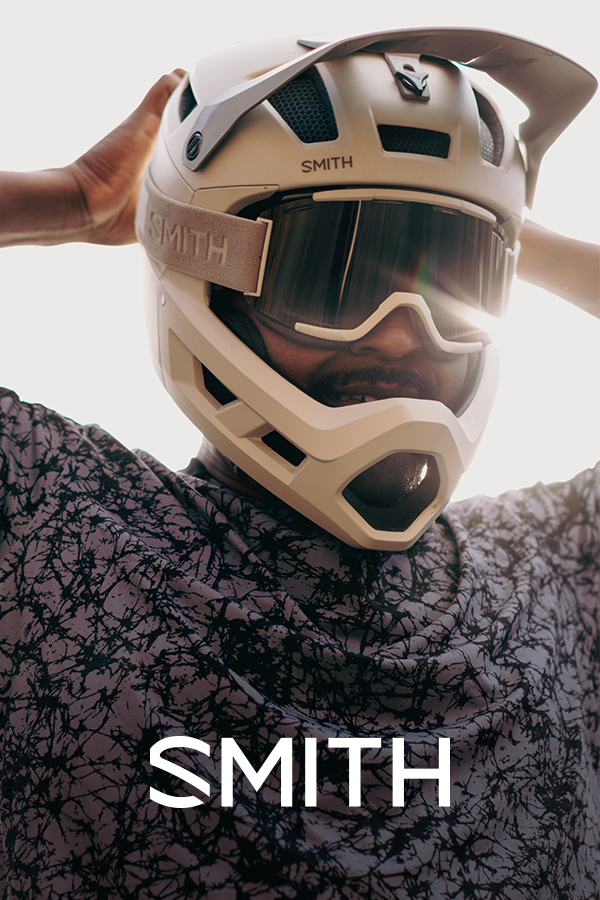
Smith Mainline
£179.99 (RRP £285)
Best for riders who want a breathable full-face mountain bike helmet that still feels stable for proper descending.
The Mainline is a great example of why enduro full-face helmets have taken off: it’s aimed at riders who climb under their own steam (or with assistance) and still want a confident full-face on the descents. If you’re looking for the best full face MTB helmet for mixed UK riding — bridleway links, trail centres, natural descents — this is exactly the kind of helmet that fits the brief.
The real advantage here is wearability. A full-face only “works” if you’ll actually put it on for a normal ride, not just a special trip. The Mainline-style helmet is designed to feel less stifling, which makes it easier to justify on long rides, warm-weather sessions, or stop-start UK terrain where you’re constantly changing pace. If you want one full-face to cover most riding days, this is a sensible place to look.
Pros
Strong balance of ventilation and stability for enduro-style riding
Very usable for long rides and repeated descents
A practical “one full-face for most rides” option
Cons
If you ride bike parks every week, you may prefer a more DH-focused helmet feel
Specifications
Type: Full-face MTB helmet (enduro-focused)
Rotational protection: Yes (version dependent)
Fit system:
Ventilation:
Visor: Adjustable peak
Goggle compatibility: Yes
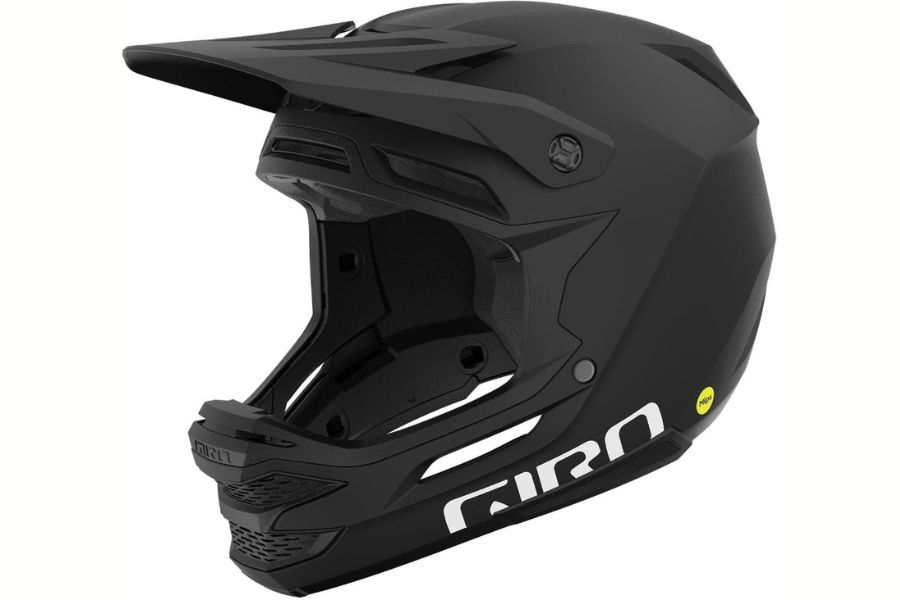
Giro Insurgent Spherical Full Face
£202.99 (RRP £349.99)
Best for riders who want a more protective, gravity-focused full-face MTB helmet for uplift days, bike-park laps and harder eMTB descending.
If you’re comparing the best full-face MTB helmets 2026 and want something that sits closer to a proper downhill lid than a lightweight pedal-all-day option, the Giro Insurgent Spherical deserves a place on the shortlist. This is the sort of helmet that makes sense for riders spending more time on steep, rough descents, whether that means regular uplift days, enduro racing, or e-MTB riding where repeated laps quickly add up. Giro has built it around Spherical Technology powered by Mips, pairing EPS and EPP layers in a ball-and-socket design to help redirect impact forces, while the Roc Loc Air DH fit system adds a more dialled, secure feel than many gravity helmets manage.
Ventilation is stronger than you might expect for such a confidence-inspiring full-face, with 20 vents, internal channeling, Wind Tunnel cheek pad ventilation and large rear exhaust ports helping it feel more usable than an old-school downhill helmet. The trade-off is obvious: this is still a substantial, gravity-first helmet, so riders focused on long climbs and lighter trail riding may prefer something more enduro-led. But for riders who want maximum reassurance, it is one of the strongest options in this category.
Pros
High-protection full-face MTB helmet feel for bike parks, uplift days and harder descending
Premium rotational impact protection with Spherical Technology powered by Mips
More ventilated than many gravity-focused downhill helmets
Cons
Heavier and less pedal-friendly than lighter enduro-style full-face MTB helmets
Specifications
Type: Full-face MTB helmet (downhill / gravity-focused)
Rotational protection: Spherical Technology powered by Mips
Fit system: Roc Loc Air DH fit system
Ventilation: 20 vents with internal channeling, Wind Tunnel cheek pad ventilation and maximised rear exhaust vents
Visor: Adjustable moto-style screw-in visor with tool-free breakaway bolts
Goggle compatibility: Yes
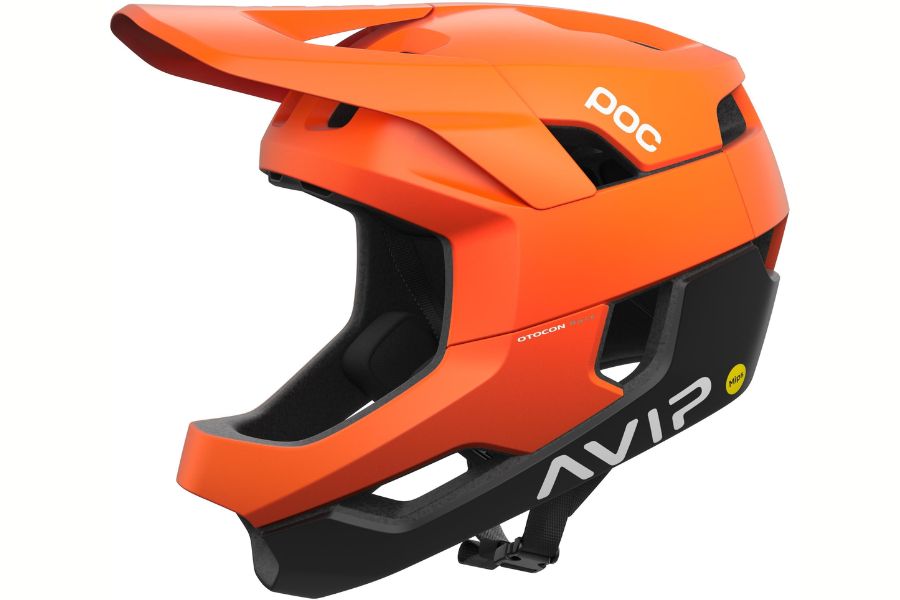
POC Otocon Race
£209.99 (RRP: £300)
Best for riders who want a top-end full-face mountain bike helmet for aggressive trail riding and big days out.
The Otocon Race sits at the premium end of the enduro full-face category, aimed at riders who want maximum confidence for steep, rough descents but still want the ventilation and wearability that makes sense for pedalled riding. If your riding includes hard trail-centre lines, rough natural descents, and all-day sessions where comfort really matters, it’s the kind of helmet that can feel worth the money.
This is also a helmet that suits riders who care about the overall system: how it works with goggles, how it handles winter layers, and how stable it feels when you’re pushing on. For UK riding where conditions are often messy and unpredictable, a premium full-face can be as much about consistent comfort and confidence as it is about protection. If you want a flagship enduro full-face and you plan to use it regularly, it’s a standout option.
Pros
Premium enduro full-face MTB helmet for aggressive trail riding
Strong option for big UK days and frequent descending
Excellent “one helmet for hard riding” appeal
Cons
Overkill if your riding is mostly mellow bridleways and light trail use
Specifications
Type: Full-face MTB helmet (enduro-focused)
Rotational protection: Yes (system varies)
Fit system:
Ventilation:
Visor: Adjustable peak
Goggle compatibility: Yes
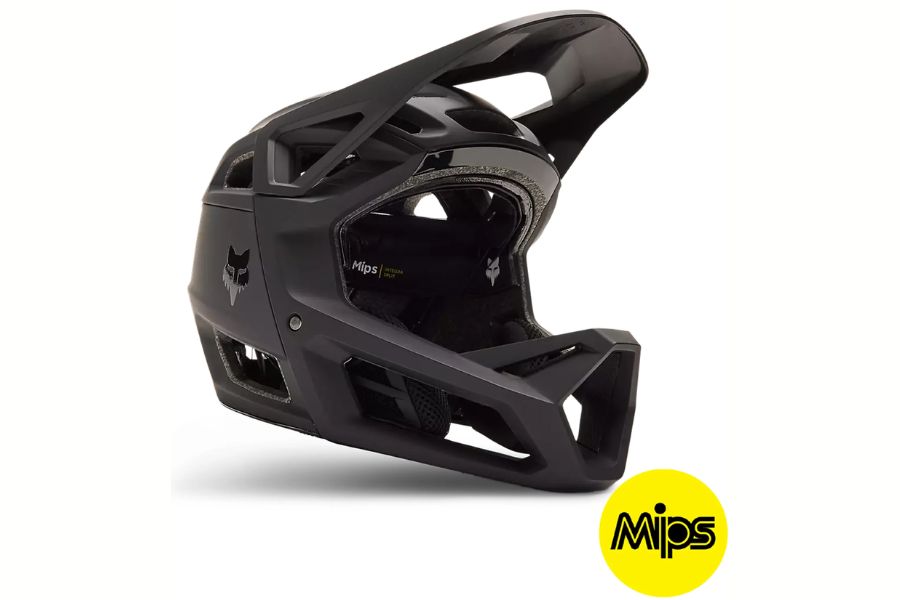
Fox Proframe RS
Best for riders who want a premium enduro full face helmet for frequent, hard riding in UK conditions.
The Proframe RS is for riders who already know they want a full-face for most rides — not just the occasional “big day”. It’s designed to feel stable when you’re riding faster and rougher descents, while still being breathable enough that you can justify it on pedalled rides. If you’re hunting for the best full-face MTB helmets 2026 and you ride a lot, this is the kind of premium option that can make sense.
The difference at this end of the market is refinement. Over time, you notice the small things: how well the helmet manages sweat, whether it creates pressure points, how stable it feels when you’re tired, and whether it plays nicely with goggles and gloves in winter. If you ride frequently and want a full-face mountain bike helmet that feels like a long-term tool rather than a “special occasion” lid, the Proframe RS belongs on the shortlist.
Pros
Premium feel for riders who wear a full-face often
Stable, confidence-inspiring option for harder descending
Designed for long rides and repeated trail-centre laps
Cons
Price is high if you only want a full-face for occasional days
Specifications
Type: Full-face MTB helmet (enduro-focused)
Rotational protection: Yes (system varies)
Fit system:
Ventilation:
Visor: Adjustable peak
Goggle compatibility: Yes
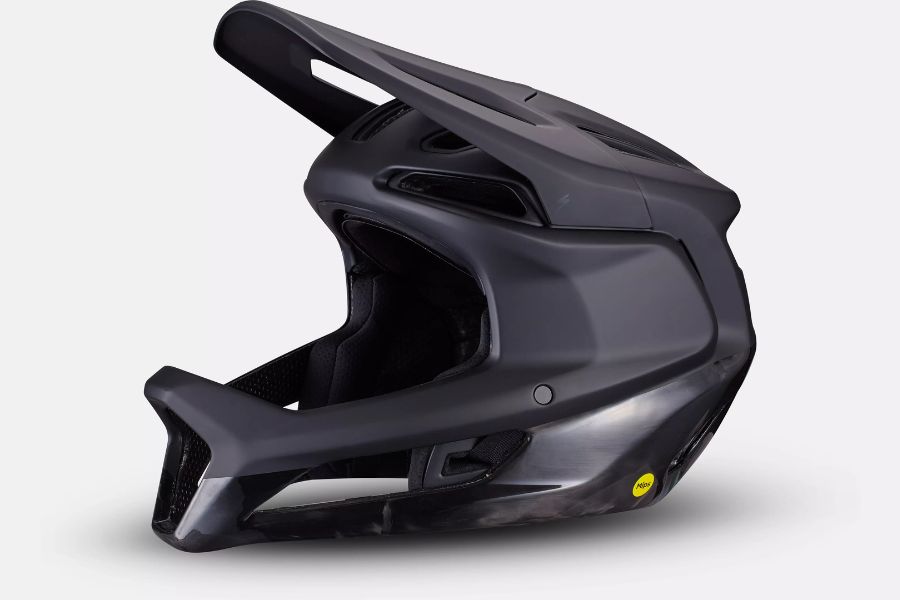
Specialized Gambit
£225
Best for riders who want a lightweight full face MTB helmet feel for long trail rides and all-day pedalling.
The Gambit suits riders who like the idea of full-face protection but don’t want to feel like they’re wearing a downhill lid on every climb. It’s built for the rider who pedals, sweats, and rides for hours — then still wants that extra confidence on the descents. If your riding is trail centres, steep local lines, and big UK day rides, this is the full-face style that tends to get worn the most.
It’s also a strong “first premium full-face” option if you’ve tried heavier helmets and found they stay on the shelf. The big win with a pedal-friendly full-face is simply habit: if the helmet is comfortable enough that you don’t dread the climbs, you’ll keep wearing it, and that’s what matters. For e-MTB riders who rack up lots of repeats, the same logic applies — you’re buying comfort and usability as much as protection.
Pros
Lightweight-feeling enduro full-face MTB helmet style
Excellent match for long rides and pedalled trail days
A good step up if you want premium comfort without DH bulk
Cons
Not the best choice if your riding is mainly uplift and bike-park laps
Specifications
Type: Full-face mountain bike helmet (enduro-focused)
Rotational protection: Yes (system varies)
Fit system:
Ventilation:
Visor: Adjustable peak
Goggle compatibility: Yes
Frequently Asked Questions
What’s the best full-face MTB helmet in the UK for 2026?
The best full-face MTB helmet UK riders can buy in 2026 depends on how you ride. For pedal-friendly riding, look at enduro full face helmets like the Stage, Mainline or Gambit. For more bike-park and uplift use, a more downhill-leaning full-face may suit you better.
Are full-face MTB helmets worth it for trail centres?
Yes, especially if you ride steeper trail-centre descents regularly or you’re pushing your speed. Many riders choose a full-face mountain bike helmet for trail centres because it adds confidence and protection without needing a pure downhill helmet.
Can you wear a full-face helmet for eMTB riding?
Absolutely. You don’t need an eMTB-specific helmet, but e-MTB riding often means more laps and more descending, which can make a breathable enduro full face helmet a very sensible upgrade.
What’s the difference between an enduro full-face helmet and a downhill MTB helmet?
Enduro full-face helmets are designed to be pedalled in: typically more ventilated and lighter-feeling. Downhill MTB helmets tend to feel more solid and are often preferred for uplift days and bike-park riding where pedalling comfort matters less.
How should a full-face mountain bike helmet fit?
It should sit level and low on the forehead, feel snug all around, and not rock when you move your head. Cheek pads should make light contact without pain. If you’re between sizes, try both — fit and head shape matter more than the “best MTB helmets” list on paper.