
If you are searching for the best MTB knee pads 2026 has to offer, the right pair should do more than simply cover your knees. Good knee pads need to stay in place while pedalling, protect properly when you crash, work with your riding shorts or trousers, breathe well enough for long climbs and avoid bunching behind the knee once the ride gets rough.
Knee pads are one of the most useful pieces of mountain bike protection because knees are often the first thing to hit the ground in a crash. A slow-speed front wheel washout on a greasy root, a slide on loose gravel, a pedal strike, or an awkward dab on a rocky climb can all leave you wishing you had worn pads. For UK mountain biking, where mud, wet roots, trail centres, natural descents and bridleways often overlap, knee protection makes a lot of sense.
For eMTB riders, the case is even stronger. Electric mountain bikes can mean longer rides, more repeated descents and more time on rough trails, even if the total distance does not look extreme on paper. You do not need a special eMTB-only knee pad, but the best MTB knee pads 2026 for electric mountain biking need to balance protection with comfort, because a hot, slipping or bulky pad will quickly end up in the car rather than on your legs.
This guide focuses on trail and enduro-style knee pads rather than full downhill braces. Some are lightweight sleeves for all-day pedalling, some use advanced impact materials such as D3O, VPD, SAS-TEC, Koroyd or ReaFlex, and some offer more coverage for rougher riding. If you are building a wider protection setup, our best eMTB protection 2026 guide covers back protectors, chest protectors, knee pads, shin guards and elbow pads together.
The best MTB knee pads 2026 shortlisted
7iDP Transition Knee Pads – £24.99 (RRP £69.99)
Rockrider All-Mountain and Enduro Light D3O MTB Knee Pads – £39.99 (RRP £49.99)
Endura SingleTrack Knee Pads II – £44.99 (RRP £64.99)
7iDP Sam Hill Knee Pads – £54.99 (RRP £89.99)
POC Joint VPD Air Knee Guards – £64.99 (RRP £70)
Fox Enduro Pro MTB Knee Guards – £72.99 (RRP £94.99)
Endura MT500 D3O Ghost MTB Knee Pads – £80.99 (RRP £95)
Leatt ReaFlex Pro Knee Guards – £84.99 (RRP £99.99)
Troy Lee Designs Stage Knee Guard – £94.99 (RRP £109.99)
Bluegrass Aura Knee Pads – £122
What to look for in the best MTB knee pads 2026
The best MTB knee pads 2026 should match the riding you actually do. A lightweight sleeve pad is usually the best choice for long trail rides, steady eMTB loops and riders who want something they can leave on all day. A heavier, deeper pad makes more sense for enduro riding, bike-park laps and rougher natural trails where crashes are more likely to be faster or harder.
Certification matters, but it is not the only thing to look at. Many MTB knee pads are tested to EN1621-1, which is the common motorcycle-derived impact standard used for limb protection. Level 1 usually means lighter, more flexible protection. Level 2 means greater impact attenuation, but often with more material, more warmth or a slightly bulkier feel. Type A and Type B refer to coverage area, with Type B giving more protective coverage.
Impact material is another key difference. D3O is flexible while riding but stiffens under impact. VPD, ReaFlex, SAS-TEC and Koroyd all take slightly different approaches to energy management, but the goal is similar: protection that is wearable enough for real riding. The best choice is not always the thickest pad. It is the pad you will actually wear on the rides where crashes happen.
Fit is just as important as impact material. Knee pads should feel snug without cutting off circulation. The top cuff needs to grip the thigh securely, while the lower cuff should stop the pad twisting or dropping. Silicone grippers, compression sleeves and shaped impact pads all help, but sizing is crucial. Measure your leg properly rather than guessing from normal clothing size.
Ventilation matters for UK riding, even in cooler weather. A pad that gets sweaty on climbs can become uncomfortable very quickly, especially under waterproof trousers or on longer eMTB rides. Look for breathable rear panels, mesh sleeves, perforated pads and moisture-wicking fabrics if you want a knee pad for all-day use.
The best MTB knee pads 2026
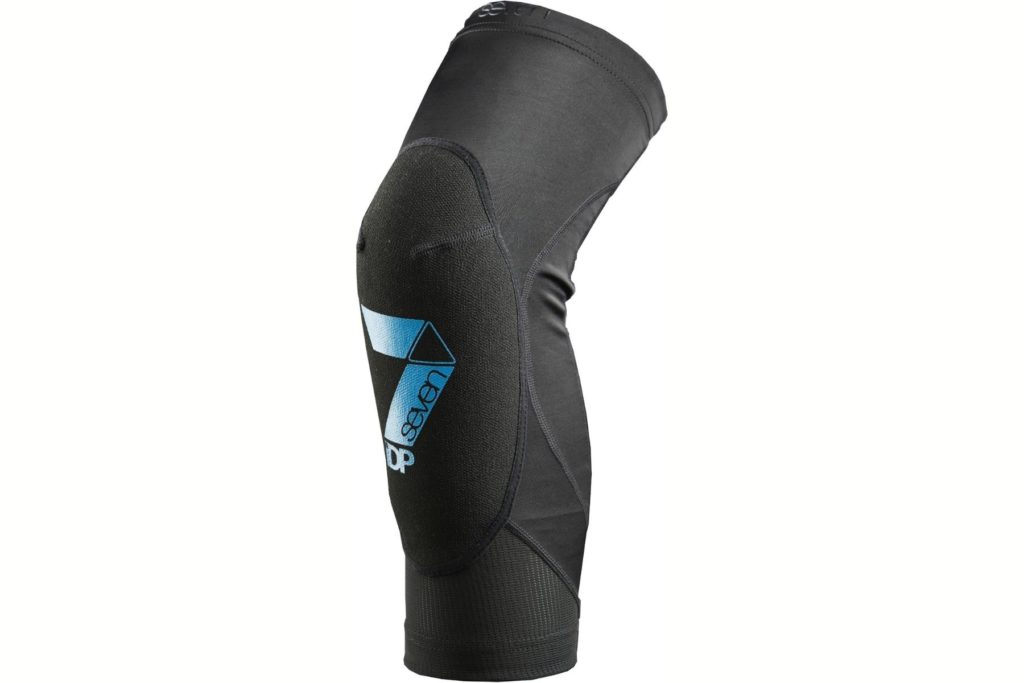
7iDP Transition Knee Pads
£24.99 (RRP £69.99)
The 7iDP Transition Knee Pads are the lowest-cost option in the guide, but they still deserve a place because they solve a very common problem: riders who want simple knee protection for normal trail riding without feeling over-armoured. They are particularly useful if you want a lighter sleeve-style pad for local loops, pump tracks, flow trails and less aggressive eMTB rides.
The Transition is not the knee pad to choose if you regularly ride bike parks, rocky enduro stages or high-speed downhill tracks. It is better understood as a confidence pad for everyday mountain biking. It gives you more protection than bare knees, while staying light and easy enough to wear for the whole ride.
That matters because knee pads only work if they are on your legs. For riders who dislike bulky armour, a low-profile sleeve can be the difference between wearing protection every ride and leaving heavier pads at home. The Transition leans heavily into that comfort-first approach.
The price also makes it a useful spare or second pair. If you already own a heavier set for bike-park days, the 7iDP Transition can cover mellower summer rides where you still want some protection but do not want maximum coverage.
The limitation is impact performance. This is not the most substantial pad here, and riders who want certified Level 2 protection should look at options such as the Bluegrass Aura or 7iDP Sam Hill instead. But as an affordable, simple trail sleeve, it is very easy to justify.
Pros
Very affordable
Lightweight sleeve-style fit
Good for everyday trail riding
Easy to wear for longer rides
Cons
Not the best choice for aggressive riding
Specifications
Protection material: Lightweight impact foam
Certification: Not stated
Fit system: Slip-on sleeve construction
Ventilation: Lightweight breathable sleeve
Sizes: Not stated
Weight: Not stated
Best for: Budget trail riding and lighter protection
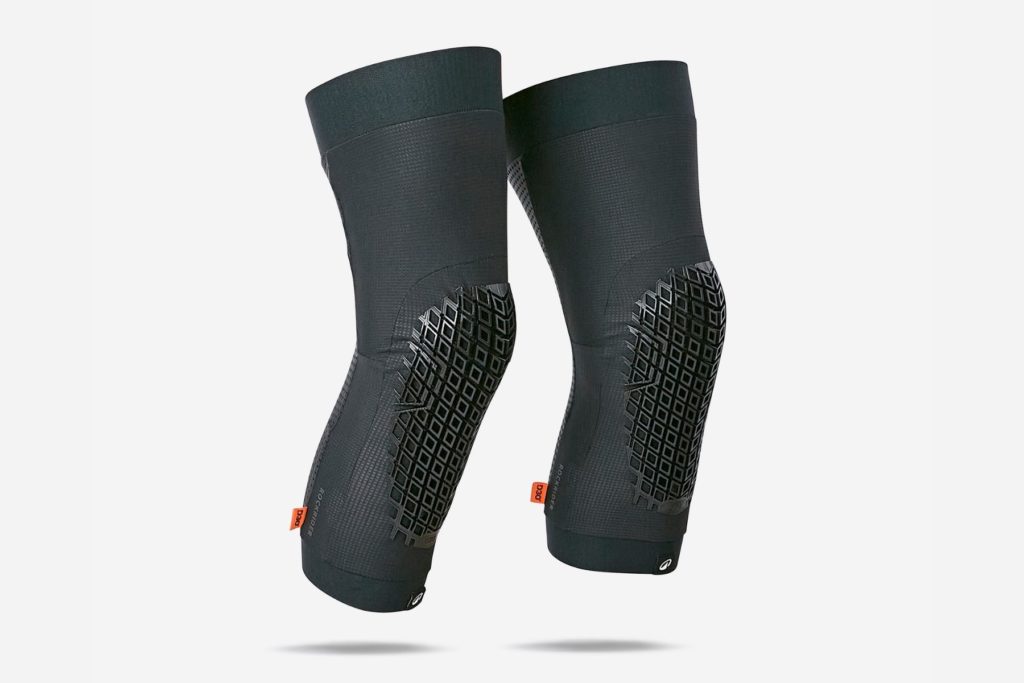
Rockrider All-Mountain and Enduro Light D3O MTB Knee Pads
£39.99 (RRP £49.99)
The Rockrider All-Mountain and Enduro Light D3O MTB Knee Pads are the budget pick in this best MTB knee pads 2026 guide, and they make a lot of sense for riders who want proper knee protection without spending premium money. They are not basic foam sleeves. They use D3O protection in a lightweight format, which gives them far more credibility than many low-cost pads.
The appeal is obvious: they are affordable, flexible and designed for all-mountain and enduro riding rather than casual cycling. That makes them a strong first pair of MTB knee pads for riders moving beyond easy trails, especially if you are starting to ride trail centres, natural singletrack or eMTB loops where crashes and pedal strikes are more likely.
The sleeve design keeps things simple. Elasticated silicone bands help hold the pads in place, while the D3O insert is designed to remain flexible during normal riding. That matters because a first knee pad needs to be comfortable enough that you keep wearing it. If your first set feels bulky, hot or restrictive, it is easy to stop bothering.
The trade-off is that these are still value-focused pads. The sleeve, fit and finish are unlikely to feel as refined as Bluegrass, Endura, Fox, Leatt, POC or Troy Lee Designs options. But for the money, the Rockrider pads are one of the easiest ways to add meaningful trail protection to your riding kit.
Pros
Excellent price
D3O impact protection
Flexible sleeve-style design
Good first proper MTB knee pad
Cons
Less refined than premium pads
Specifications
Protection material: D3O impact insert
Certification: Not clearly stated on UK listing
Fit system: Sleeve fit with elasticated silicone bands
Ventilation: Lightweight breathable construction
Sizes: S, M, L, XL
Weight: Size dependent
Best for: Budget trail riding and first MTB knee pads
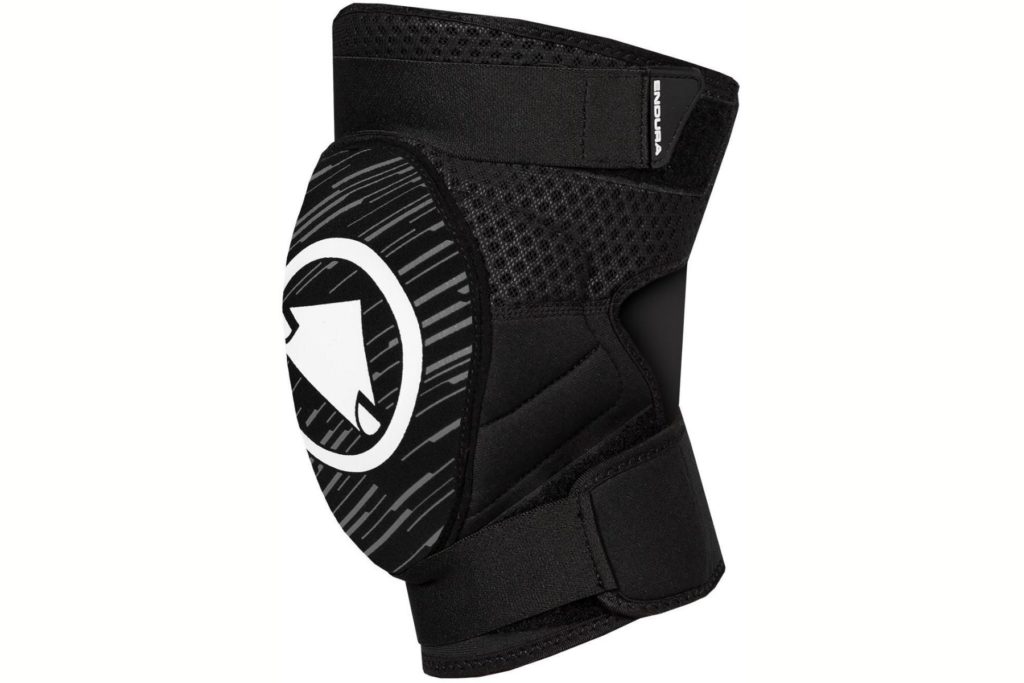
Endura SingleTrack Knee Pads II
£44.99 (RRP £64.99)
The Endura SingleTrack Knee Pads II are a good value choice for riders who want something more protective than a very light sleeve, but still realistic for normal pedalling. They sit below Endura’s more premium MT500 pads, which makes them a sensible option for riders who want reliable trail protection without moving into high-end pricing.
The SingleTrack range has always made sense for UK riding because it focuses on practical trail use rather than race-only kit. These knee pads are the sort of protection you can wear for woodland loops, trail centres, eMTB rides and longer weekend rides where occasional crashes are part of the picture but you do not need full downhill armour.
The fit is the key thing here. A good trail pad needs to stay put when climbing and descending, and it needs to work under MTB shorts or trousers without feeling like it is constantly fighting your kit. The SingleTrack pads aim for that middle ground: enough coverage to feel worthwhile, but not so much bulk that they become annoying.
They are not as low-profile as the Endura MT500 D3O Ghost, and they do not have the same premium “barely there” feel. They are also not as protective on paper as the Bluegrass Aura or 7iDP Sam Hill. But as an affordable, practical, everyday trail knee pad, the SingleTrack Knee Pads II are a strong option.
Pros
Good value from a trusted UK trail brand
More substantial than minimalist sleeves
Sensible everyday trail protection
Useful for trail centres and eMTB rides
Cons
Less advanced than premium D3O Ghost pads
Specifications
Protection material: Impact foam construction
Certification: Not clearly stated
Fit system: Trail sleeve fit
Ventilation: Breathable rear construction
Sizes: S/M, M/L, L/XL
Weight: Not stated
Best for: Everyday UK trail riding
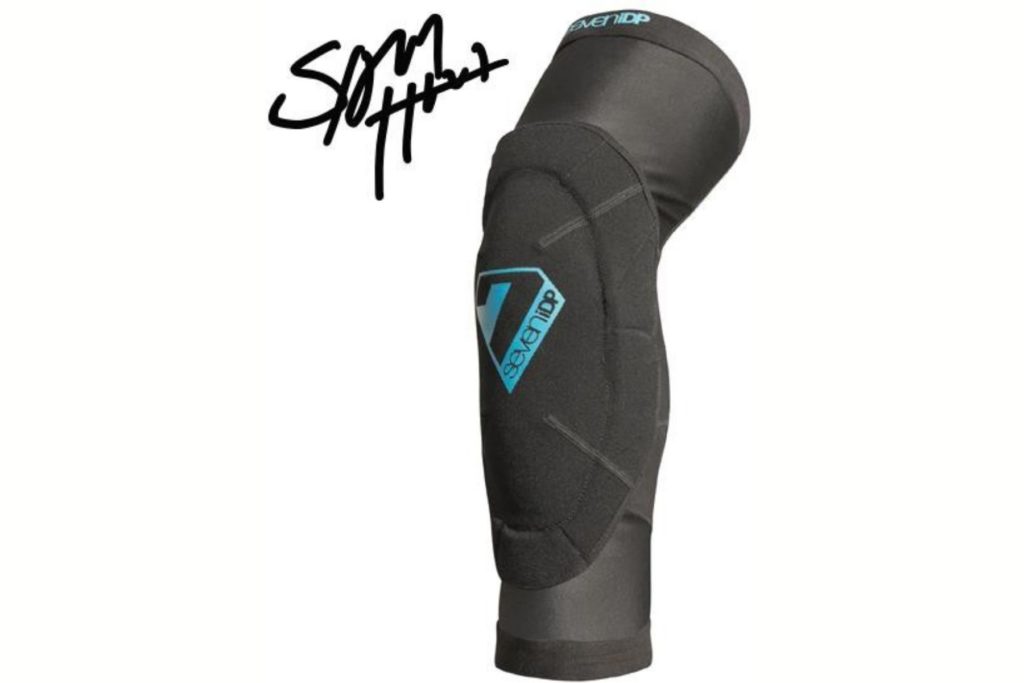
7iDP Sam Hill Knee Pads
£54.99 (RRP £89.99)
The 7iDP Sam Hill Knee Pads are the gravity-leaning choice in this guide and one of the best options if your riding is rougher, faster or more enduro-focused. They were developed with feedback from Sam Hill, and that tells you a lot about the intended use: proper protection that still needs to be pedal-friendly.
The headline detail is CE EN1621-1:2012 Level 2 certification. That puts the Sam Hill pads into a more protective category than many lighter trail pads, while the design still aims to stay comfortable enough for long rides. If you want a knee pad for enduro, bike parks, natural descents and harder eMTB use, that balance is exactly what you should be looking for.
The compression-fit slip-on design sits higher on the thigh than many pads, which helps with stability. An internal silicone strip helps stop the pad sliding down, while the breathable four-way stretch mesh runs along the rear and lower front of the pad to help airflow.
These are not as minimal as the Endura MT500 D3O Ghost or POC Joint VPD Air, and they will feel more substantial on the leg. That is the trade-off. You get more confidence and a more gravity-ready design, but they are not the coolest or most invisible pads for gentle summer rides.
For aggressive trail, enduro and riders who want Level 2 protection without stepping into a full knee/shin guard, the 7iDP Sam Hill remains one of the strongest choices.
Pros
CE EN1621-1:2012 Level 2 protection
Strong choice for enduro and rough eMTB riding
Compression fit with internal silicone strip
Breathable four-way stretch mesh
Cons
More substantial than lightweight trail sleeves
Specifications
Protection material: Impact-reactive knee protection
Certification: CE EN1621-1:2012 Level 2
Fit system: Compression slip-on design with internal silicone strip
Ventilation: Breathable four-way stretch mesh rear panel
Sizes: S, M, L, XL
Weight: Not stated
Best for: Enduro, bike parks and rougher eMTB riding
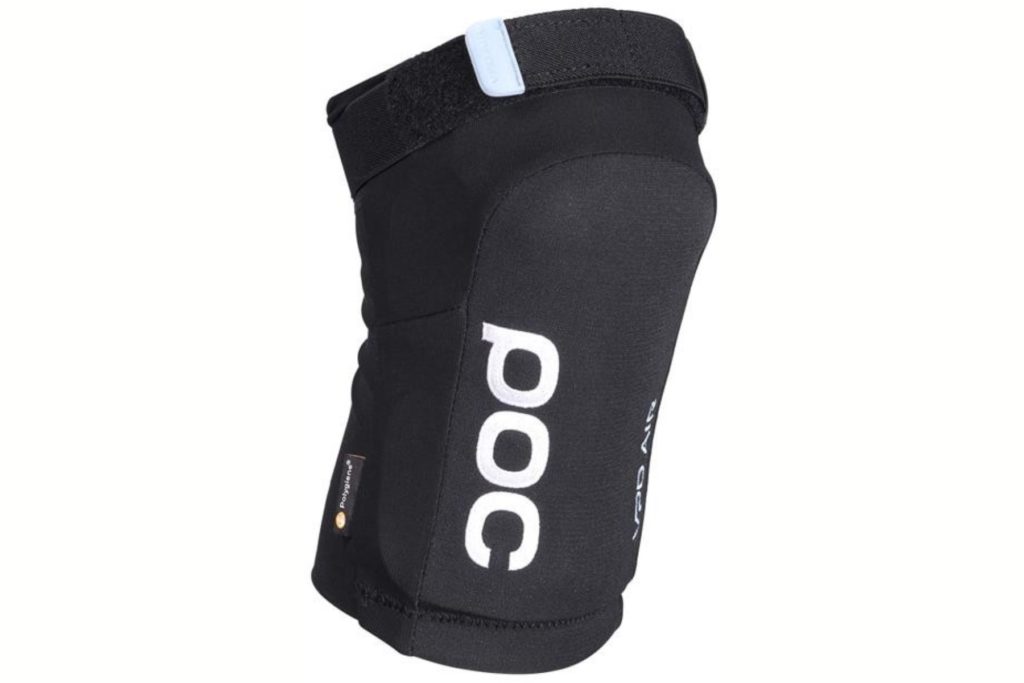
POC Joint VPD Air Knee Guards
£64.99 (RRP £70)
The POC Joint VPD Air Knee Guards are the low-profile premium option for riders who value flexibility and ventilation. They are not trying to be huge, heavily armoured pads. Instead, they are aimed at riders who want protection that feels natural on the bike and does not get in the way of pedalling.
The VPD Air material is lightweight and impact absorbing, while the reinforced stretch fabric helps the pad hold its shape. POC has also kept the profile low, which makes the Joint VPD Air a good choice if you dislike bulky protection or want a knee pad that works neatly under trail trousers.
The fit system is simple but effective. An elastic strap helps tune the fit, while neoprene anti-slip material on the inside helps keep the pad stable. That matters on long eMTB rides where a slipping knee pad becomes irritating very quickly.
This is a light-duty pad rather than a full enduro or downhill guard, so riders who regularly hit bike parks, rock gardens or steeper natural trails may want something with more coverage. The Bluegrass Aura, Leatt ReaFlex Pro, 7iDP Sam Hill or Fox Launch-style options will feel more protective.
For normal trail riding, though, the POC Joint VPD Air is one of the best MTB knee pads 2026 if your priority is comfort, flexibility and a clean premium fit.
Pros
Lightweight VPD protection
Low-profile fit
Good flexibility and ventilation
Neoprene anti-slip support
Cons
Light-duty protection compared with bigger enduro pads
Specifications
Protection material: VPD Air compound
Certification: Not clearly stated on retailer listing
Fit system: Sleeve fit with elastic strap and neoprene anti-slip
Ventilation: Lightweight flexible construction
Sizes: XS, S, M, L, XL
Weight: Not stated
Best for: Trail riders wanting low-bulk knee protection
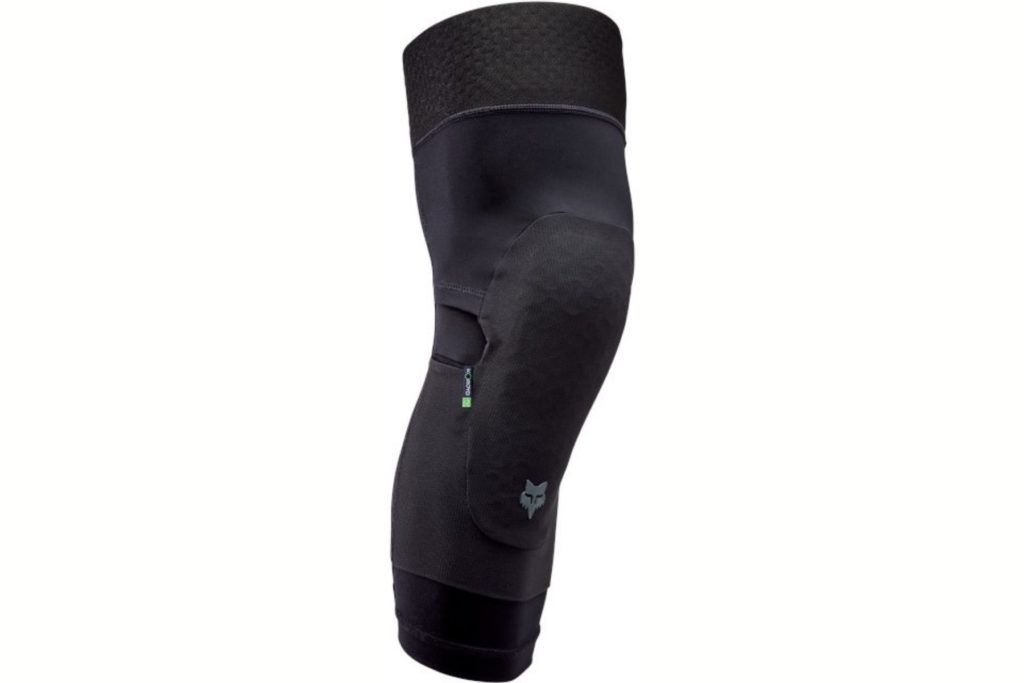
Fox Enduro Pro MTB Knee Guards
£72.99 (RRP £94.99)
The Fox Enduro Pro MTB Knee Guards are one of the best MTB knee pads 2026 for riders who want a modern sleeve-style pad that still feels genuinely trail-focused. They are designed around flexibility and mobility, but the Koroyd insert gives them a more technical feel than basic foam sleeves.
Koroyd is the key feature. It gives impact protection while keeping the pad relatively light and breathable, which suits riders who want a knee guard they can wear while pedalling hard. The Enduro Pro is not a rigid, heavy, bike-park-only pad. It is built for riders who climb, descend and keep moving.
The minimal sleeve construction makes them comfortable on the bike, while the large elastic gripper panels with silicone print help keep the pads centred on the knee. That is particularly useful for eMTB riders who might ride repeated descents but still need the pad to behave on climbs and flatter linking sections.
Fox also includes an antimicrobial treatment to help reduce odour, which is a practical detail for kit that gets sweaty and muddy. The EN1621-1 Level 1 CE certification gives some useful reassurance, although riders wanting higher protection levels should consider Level 2 options such as the Bluegrass Aura or 7iDP Sam Hill.
The Enduro Pro is a very strong all-day trail pad. It is not the heaviest-duty option, but for riders who want comfort, flexibility and credible protection, it is one of the safest choices.
Pros
Koroyd impact insert
Lightweight sleeve-style construction
EN1621-1 Level 1 CE certification
Good mobility for pedalling
Cons
Level 1 protection rather than Level 2
Specifications
Protection material: Koroyd impact insert
Certification: EN1621-1 Level 1 CE certified
Fit system: Minimal sleeve with large silicone gripper panels
Ventilation: Lightweight breathable sleeve construction
Sizes: XS, S, M, L, XL, XXL
Weight: Not stated
Best for: All-day trail and enduro riding
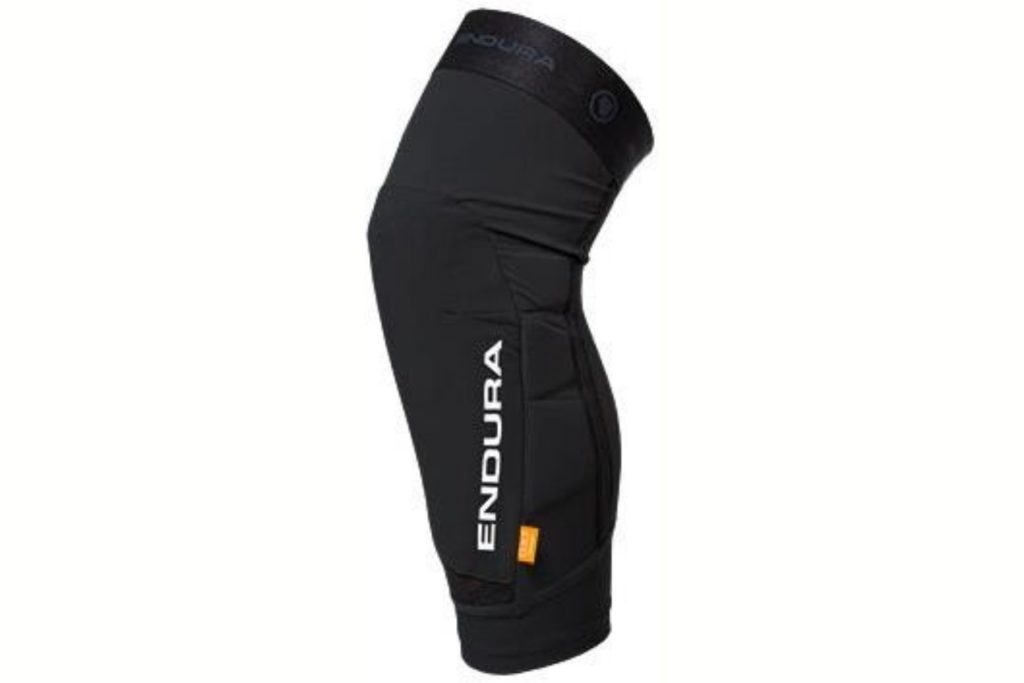
Endura MT500 D3O Ghost MTB Knee Pads
£80.99 (RRP £95)
The Endura MT500 D3O Ghost MTB Knee Pads are the premium low-bulk option in this guide. They make the most sense for riders who know they should wear knee pads, but hate the feel of traditional bulky protection. The whole point here is certified protection that almost disappears once you are riding.
The D3O Ghost insert is the reason they stand out. It is thin, flexible and designed to move naturally with the leg, which makes the MT500 Ghost much less intrusive than older-style knee pads. That is a major advantage for long trail rides, eMTB loops and days where you want protection on for several hours rather than just one descent.
Endura has also built the sleeve properly. The lightweight stretch ripstop outer should help with durability, while the high-wicking breathable mesh backing helps manage heat and sweat. The elastic jacquard cuff with silicone gripper is there to keep the pad stable without relying on bulky straps.
These are not the pads to choose if you want maximum hard-shell confidence or deep downhill coverage. Their strength is comfort, flexibility and wearability. For many UK riders, that is exactly what makes them useful. A slightly lighter pad worn every ride is often more valuable than a bigger pad that only comes out for bike parks.
If your riding is mostly trail centres, natural singletrack, bridleways, eMTB loops and longer rides, the Endura MT500 D3O Ghost is one of the easiest premium recommendations.
Pros
Very low-bulk D3O Ghost protection
CE EN 1621/1 certified insert
Comfortable for long rides
Breathable mesh backing and silicone gripper cuff
Cons
Not the most protective-feeling pad for bike-park use
Specifications
Protection material: D3O Ghost insert
Certification: CE EN 1621/1 certified
Fit system: Stretch sleeve with elastic jacquard cuff and silicone gripper
Ventilation: High-wicking breathable mesh backing
Sizes: S/M, M/L, L/XL
Weight: Not stated
Best for: All-day trail and eMTB comfort
Leatt ReaFlex Pro Knee Guards
£84.99 (RRP £99.99)
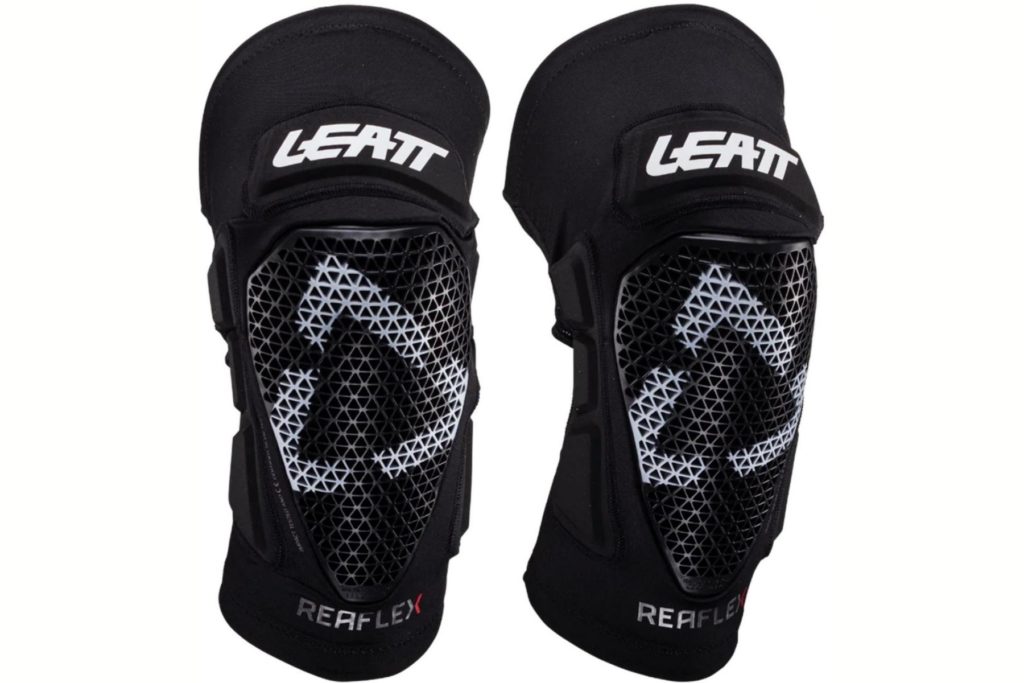
The Leatt ReaFlex Pro Knee Guards are a strong choice if you want a modern, slim knee pad with more protection than a basic lightweight sleeve. Leatt has built these around ReaFlex impact gel, with side and upper knee protection as well as the main knee cup, which gives them a more complete feel than minimalist trail pads.
The shape is one of the biggest strengths. The pre-curved design is intended to follow the knee naturally, while the silicone printed non-slip cuffs and cupped knee grip help keep the pad stable without needing a separate thigh strap. That matters because straps can add security, but they can also create pressure points on long rides.
The ReaFlex Pro is CE tested and certified to EN1621-1, and Leatt gives it a total protection score of 15 out of 25. It is not the brand’s most extreme protection product, but it is designed for riders who want a good balance between coverage, comfort and pedalling freedom.
Ventilation is also a strength. Leatt uses MoistureCool and AirMesh wicking fabrics, with perforated protection materials to help airflow. That makes the ReaFlex Pro a sensible option for eMTB riders who need protection for repeated descents but do not want to overheat on climbs.
It is not the cheapest pad here, but it feels like one of the more technically rounded options. If you want something slimmer than a gravity pad but more protective than a basic sleeve, the Leatt ReaFlex Pro is very well judged.
Pros
ReaFlex impact gel protection
CE EN1621-1 certified
Side and upper knee protection
Good ventilation and no separate thigh strap
Cons
More expensive than simpler trail pads
Specifications
Protection material: ReaFlex impact gel
Certification: CE EN1621-1 certified
Fit system: Pre-curved sleeve with silicone printed cuffs and cupped knee grip
Ventilation: MoistureCool, AirMesh and perforated protection materials
Sizes: S, M, L, XL, XXL
Weight: From 300g per pair
Best for: Technical trail and enduro riding
Troy Lee Designs Stage Knee Guard
£94.99 (RRP £109.99)
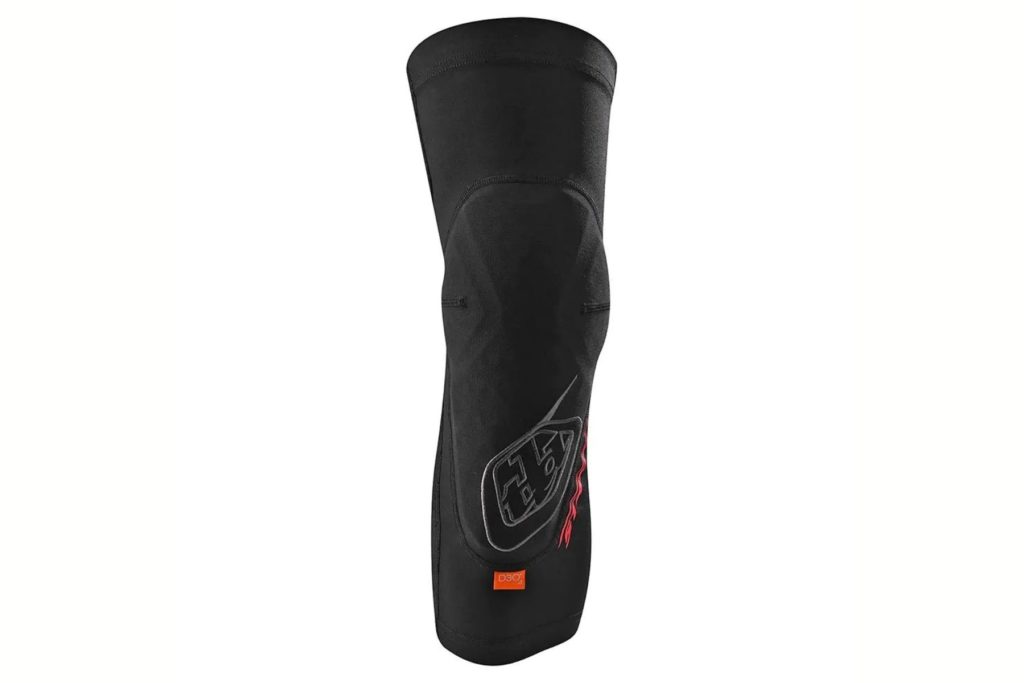
The Troy Lee Designs Stage Knee Guard is one of the most useful pads in this best MTB knee pads 2026 guide because it gives you a proper trail and enduro feel without becoming too bulky. It uses D3O impact protection and a sleeve design that aims to stay comfortable across longer rides, which makes it a strong fit for modern trail and eMTB use.
The Stage sits in a very practical middle ground. It is more substantial than the lightest sleeve pads, but it is not a full downhill knee/shin guard. That makes it ideal for riders who want extra reassurance on rougher descents, bike-park-style trails and faster eMTB rides, while still being able to pedal comfortably.
The details are well judged. The breathable and wicking chassis helps manage heat, the mesh rear panel improves airflow behind the knee, and the articulated design helps the pad move with the leg rather than fighting the pedal stroke. The slide-resistant exterior kneecap is also useful because knee pads take abrasion as well as impact.
The Fitlock compression calf and honeycomb silicone leg gripper are important because slipping is one of the most common knee pad complaints. A pad that slowly migrates down the leg on every climb is irritating, and a pad that shifts during a crash is even worse.
The Stage is not the newest or most minimal design here, and riders who want Level 2/Type B coverage should look at the Bluegrass Aura. But as a comfortable, D3O-equipped trail and enduro knee guard, it remains a very strong buy.
Pros
D3O impact protection
Good balance of protection and pedal comfort
Mesh rear panel and wicking chassis
Silicone gripper and compression calf help stability
Cons
Not as low-profile as the slimmest sleeve pads
Specifications
Protection material: D3O impact pad
Certification: CE EN1621-1 certified impact pad
Fit system: Sleeve fit with Fitlock compression calf and silicone gripper
Ventilation: Breathable/wicking chassis and mesh rear panel
Sizes: XS/S, M/L, XL/XXL
Weight: Not stated
Best for: Trail, enduro and eMTB riding
Bluegrass Aura Knee Pads
£122
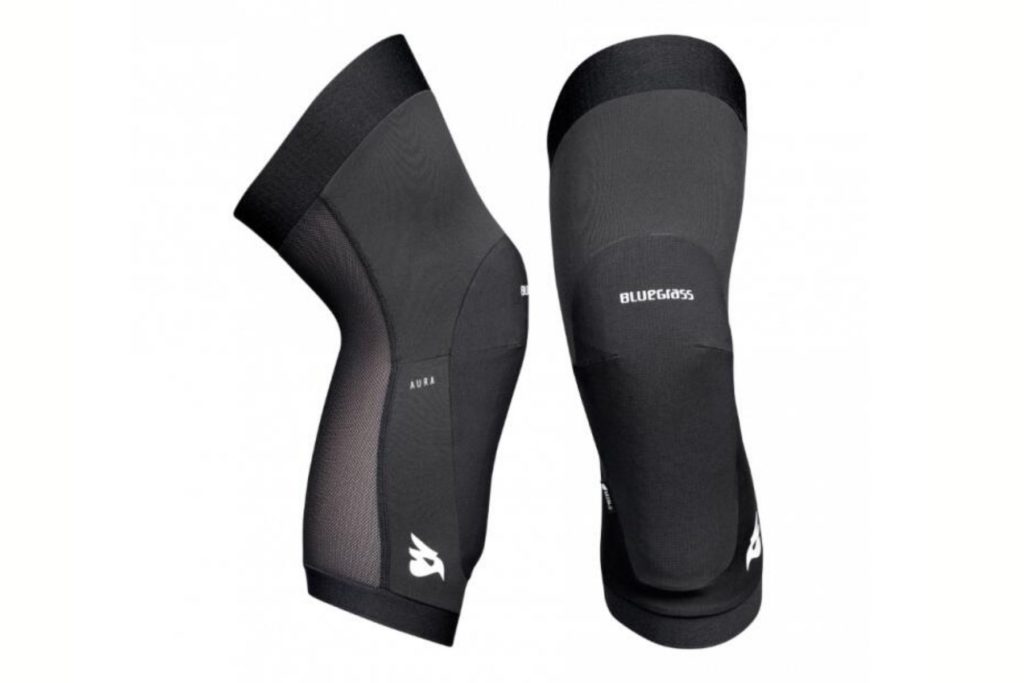
The Bluegrass Aura Knee Pads are one of the most interesting options in this best MTB knee pads 2026 guide because they offer serious certification in a surprisingly slim package. They are listed as EN 1621 Level 2 / Type B certified, which puts them above many lightweight trail pads on paper while still aiming for all-day wearability.
That makes the Aura a particularly strong option for riders who want more protection than a minimal sleeve but do not want the bulk of a full downhill pad. The SAS-TEC impact material gives the pad its protective core, while the extended sleeve design is there to improve stability during climbs, descents and longer rides.
The Type B rating is important because it means a larger tested coverage area than Type A. That does not automatically make it the best pad for every rider, but it does make the Aura especially appealing if you want more coverage around the knee without moving to a heavy knee/shin guard.
The details are also well suited to real trail riding. Four-way stretch fabric helps the pad move naturally, elastic silicone grippers help prevent slipping, and the rear breathable seamless mesh is designed to reduce irritation behind the knee. Claimed pair weights range from 260g to 280g depending on size, which is impressively light given the certification level.
The main limitation is that a higher-protection pad can still feel warmer or more present than the lightest options. But if you want a modern, slim, Level 2/Type B-certified knee pad for trail and eMTB riding, the Bluegrass Aura is one of the standout choices.
Pros
EN 1621 Level 2 / Type B certification
SAS-TEC impact protection
Slim design for the protection level
Four-way stretch fabric and silicone grippers
Cons
May feel warmer than the lightest sleeve pads
Specifications
Protection material: SAS-TEC impact protection
Certification: EN 1621 Level 2 / Type B
Fit system: Long sleeve construction with silicone top and calf grippers
Ventilation: Rear breathable seamless mesh
Sizes: XS, S, M, L, XL
Weight: Claimed 260g-280g per pair, size dependent
Best for: High-protection trail and eMTB riding without heavy bulk
Which MTB knee pads should you buy?
The best MTB knee pads 2026 choice depends on how hard you ride, how long you stay on the bike and how much protection you are prepared to wear every ride.
If you want the cheapest proper starting point, choose the Rockrider All-Mountain and Enduro Light D3O pads. They give you D3O protection at a very low price and are ideal for riders buying their first pair of MTB knee pads.
If you want an even cheaper lightweight sleeve for mellower trail riding, the 7iDP Transition is worth considering. It is not the most protective pad here, but it is easy to wear and very affordable.
If you want a good everyday UK trail pad, the Endura SingleTrack Knee Pads II are a sensible choice. They are practical, straightforward and well suited to trail centres, woodland loops and general eMTB riding.
If you want a D3O-equipped trail pad with a more traditional enduro feel, the Troy Lee Designs Stage Knee Guard is one of the best middle-ground options. It balances comfort, ventilation and protection very well.
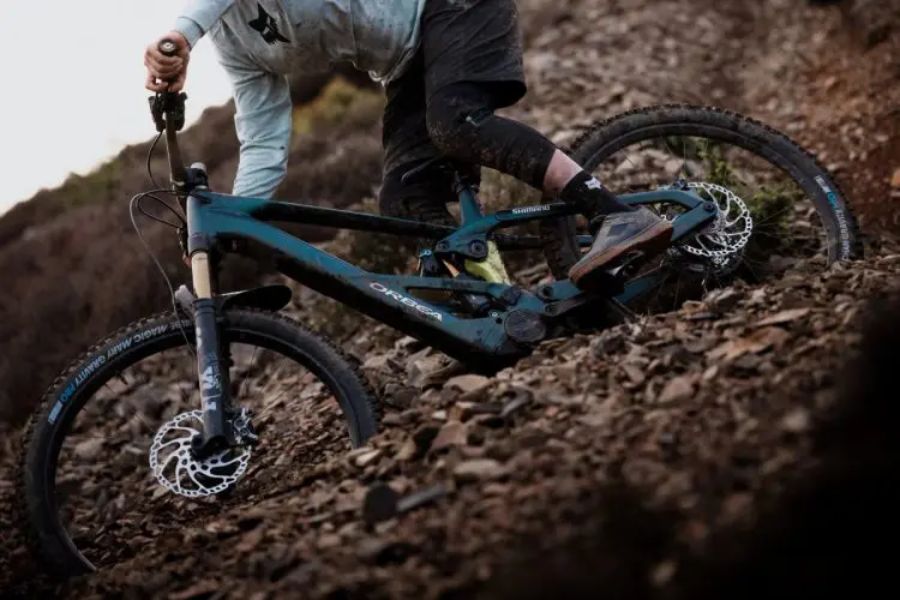
If low bulk matters most, choose the POC Joint VPD Air or Endura MT500 D3O Ghost. The POC is the lighter-duty premium trail option, while the Endura is the more refined “barely there” D3O choice.
If you want strong all-day trail performance with modern impact technology, the Fox Enduro Pro and Leatt ReaFlex Pro are both excellent. The Fox uses Koroyd and feels very trail/enduro focused, while the Leatt offers a slim design with extra side and upper knee protection.
If you want the highest protection level in a slim package, the Bluegrass Aura is the standout thanks to its EN 1621 Level 2 / Type B certification. If you want a more gravity-ready pad for enduro, bike parks and rougher eMTB riding, the 7iDP Sam Hill is the stronger choice.
Lightweight knee pads or heavier enduro pads?
Lightweight knee pads are better for long rides, hot weather, trail centres, bridleways and riders who value comfort over maximum coverage. They are easier to pedal in, usually cooler and more likely to be worn every ride.
Heavier enduro pads are better for rough natural trails, bike parks, uplift days, racing and harder eMTB use. They usually offer more coverage and impact confidence, but can feel warmer and bulkier.
Most UK riders are best served by a mid-weight trail pad. Something like the Troy Lee Designs Stage, Fox Enduro Pro, Endura MT500 D3O Ghost, Bluegrass Aura or Leatt ReaFlex Pro will cover a wide range of riding without feeling like downhill armour.
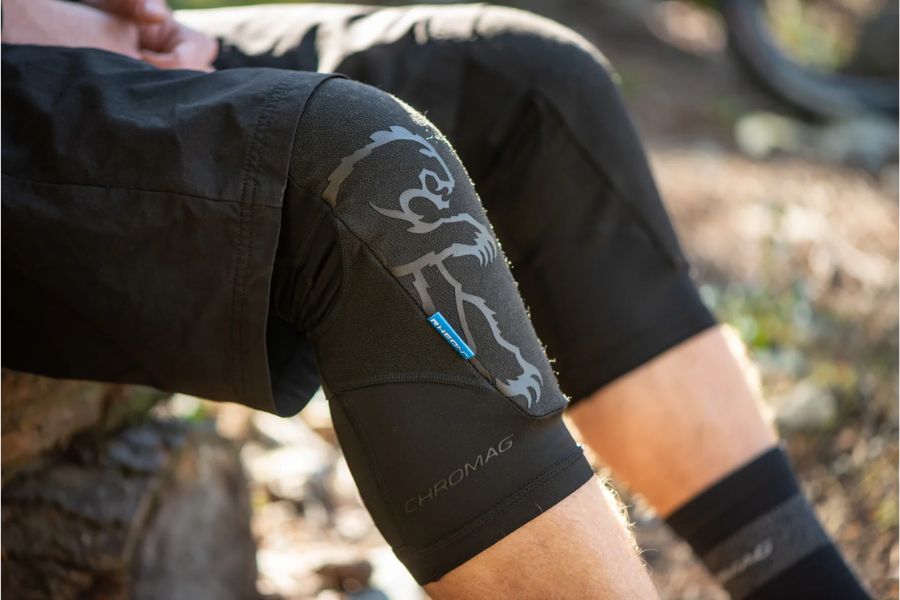
CE Level 1 or Level 2 knee pads?
CE Level 1 knee pads are usually lighter and more flexible. They make sense for riders who want protection they can wear all day, especially on trail rides where comfort is the priority.
CE Level 2 knee pads are tested to a higher impact attenuation requirement. They can be a better choice for riders who crash harder, ride rougher trails, visit bike parks or want more reassurance. The trade-off is that Level 2 pads can be warmer or more substantial, although modern designs such as the Bluegrass Aura and 7iDP Sam Hill show that Level 2 protection does not have to mean old-school bulk.
Certification is useful, but fit still matters. A certified pad that slips out of place is not doing its job properly.
How should MTB knee pads fit?
MTB knee pads should feel snug when you first put them on, but they should not cut into the leg or cause pins and needles. The pad should sit directly over the kneecap and stay there when you bend your leg, pedal, squat and walk around.
Measure your thigh and calf using the brand’s size guide. Do not rely only on your normal clothing size. A pad that is too loose will slip, twist or move in a crash. A pad that is too tight will become uncomfortable on climbs and may leave pressure marks.
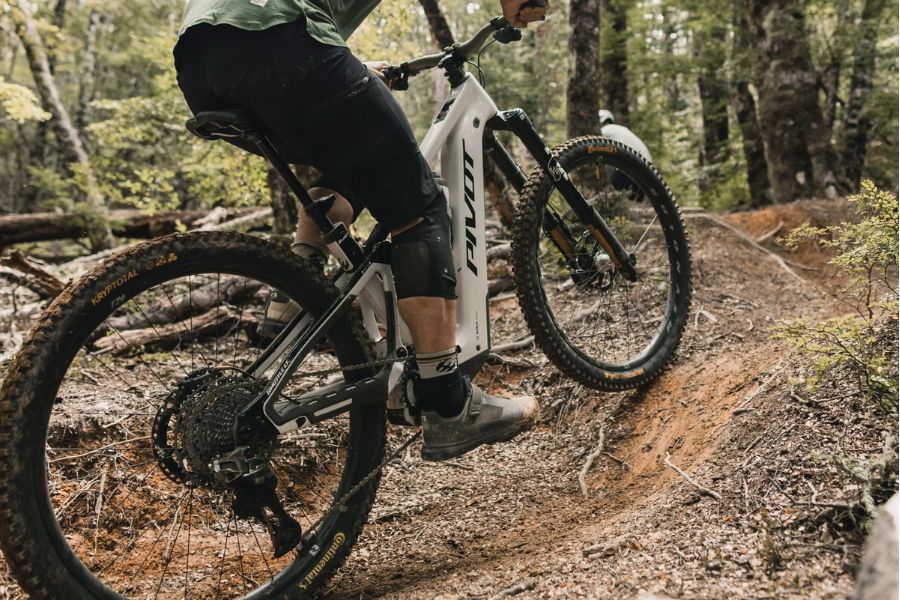
Try them in a riding position if you can. Knee pads often feel different once you are seated on the bike, especially behind the knee. If the rear fabric bunches or the top cuff digs in immediately, it will probably get worse on a longer ride.
Frequently Asked Questions
What are the best MTB knee pads 2026 for most riders?
The best MTB knee pads 2026 for most riders are the Troy Lee Designs Stage, Endura MT500 D3O Ghost, Bluegrass Aura, Fox Enduro Pro and Leatt ReaFlex Pro. The Troy Lee is the best all-round D3O trail pad, the Endura is the best low-bulk comfort option, the Bluegrass offers excellent protection for its slim shape, the Fox is a strong trail/enduro sleeve, and the Leatt is one of the best technical all-rounders.
Do eMTB riders need knee pads?
Yes, knee pads make a lot of sense for eMTB riders. Electric mountain bikes often mean longer rides, more repeated descents and more time on rough trails. You do not need eMTB-specific pads, but you do need pads that are comfortable enough to wear for long rides and secure enough to stay in place.
Are lightweight MTB knee pads enough?
Lightweight MTB knee pads are enough for many trail riders, especially if your priority is comfort and all-day use. They are not the best choice for bike parks, downhill riding or repeated hard crashes, but they are far better than riding with no knee protection.
What is the difference between Level 1 and Level 2 knee pads?
Level 1 knee pads are generally lighter and more flexible, while Level 2 knee pads are tested to a higher impact attenuation requirement. Level 2 usually means more protection, but sometimes more bulk or warmth. The best choice depends on your riding rather than the number alone.
What does Type B mean on knee pads?
Type B refers to a larger tested protective coverage area than Type A. In simple terms, a Type B pad covers more of the knee area under the relevant test standard. That can be useful for riders who want more reassurance without moving to a full knee/shin guard.
Are D3O knee pads good for mountain biking?
Yes, D3O knee pads are popular because the material is flexible while riding but stiffens under impact. That makes it well suited to mountain biking, where pads need to move naturally on climbs but still provide protection in crashes.
Are knee pads with straps better than sleeve pads?
Not always. Straps can add security, especially for heavier pads, but they can also create pressure points. Sleeve pads are often more comfortable for long rides, but they need good sizing and grippers to stay in place. The best design depends on your leg shape and riding style.
Can I wear MTB knee pads under trousers?
Yes, many low-profile MTB knee pads work well under riding trousers. Slim pads such as the Endura MT500 D3O Ghost, POC Joint VPD Air and Fox Enduro Pro are particularly suitable. Bulkier pads may feel restrictive under tighter trousers.
How do I stop MTB knee pads slipping?
Start with the correct size. Then look for silicone grippers, longer sleeves, compression fit and a shape that matches your leg. Knee pads often slip because they are too large, because the upper cuff is not secure, or because the pad is fighting against your shorts or trousers.
Should I buy knee pads or shin guards first?
Most riders should buy knee pads first because knees are more likely to hit the ground in crashes. Shin guards become more important if you ride flat pedals, regularly hit your shins, ride rocky terrain or want more lower-leg protection. Some riders eventually use both.