


The best MTB neck warmers take the edge off a cold descent without becoming a nuisance on the climb. A thin tube is easy to stash when you warm up; fleece and heavier merino make more sense for slow winter rides and exposed trails. These eight options cover both ends of that range, with the Simond MT500 our pick for all-round value.
ELECTRIC MTB UK THE SHORTLIST
MTB neck warmers: the shortlist
Choose by warmth and fabric, then jump to the full card for the exact product and offers.
The MT500 combines 89% merino wool with polyamide reinforcement in a compact 155g/m² fabric. That makes it a useful middle ground between the cheapest polyester tubes and a thicker winter layer. Riders who run hot should look at the Quechua HIKE 100 or Van Rysel RoadR 100; for colder days, the Van Rysel 500 adds fleece at the neck without putting the same bulk over the mouth.
You do not need a mountain-bike logo on a neck warmer. Fabric, fit and how easily you can lower it matter more. The same tube can be useful on the ride to the trails, on an exposed hilltop and while packing the bike away afterwards.
The best MTB neck warmers in detail
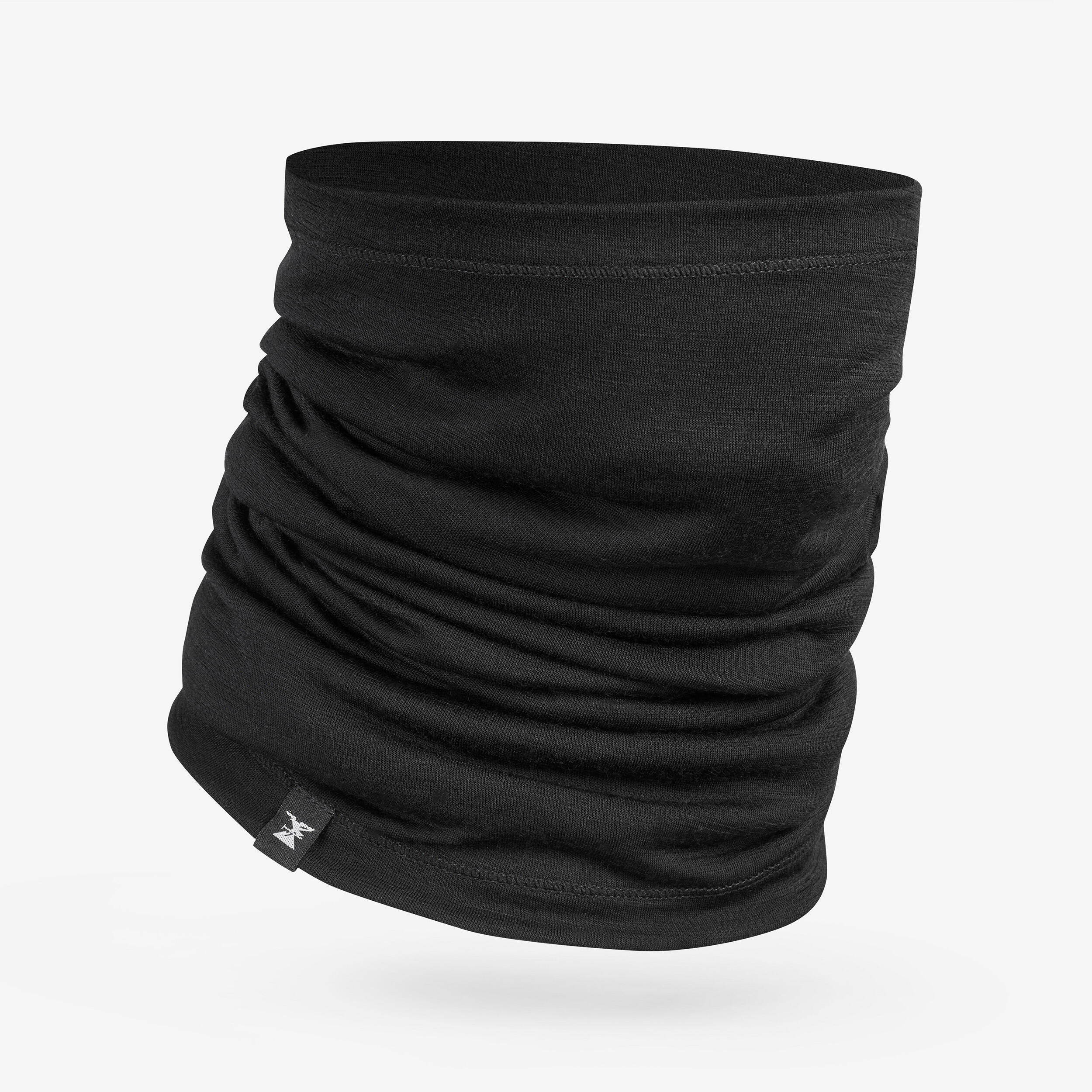
Simond MT500 Merino Neck Warmer
A merino-blend tube for cool rides and multi-day trips.
+ Pros
- Merino wool for temperature versatility
- Polyamide reinforcement
- Compact multi-use design
− Cons
- Not a windproof membrane
- Follow wool-specific care instructions
Compare prices
Black, model 8916432
Prices and availability may change. Prices last checked: 2026-10-28 07:24 UTC. Prices are checked when this guide is updated. Confirm the current price and availability with the retailer.
Why it makes the shortlist
The MT500 makes a sensible all-round choice if you want the feel of merino without a high price. Its reinforced yarn is useful in a layer that gets stuffed into pockets and washed regularly. We favour it for changeable autumn rides and cooler touring days. It is not the warmest option for sustained freezing conditions, and a wet wool layer still needs drying after a ride. Check the care label rather than treating it like a polyester jersey.
Key specifications
- Material
- 89% merino wool, 11% polyamide
- Fabric weight
- 155g/m²
- Wool fibre
- 18.5 microns
- Colour
- Ultra black
- Model
- MT500, 8916432
- Care
- Machine wash at 30°C; no tumble drying
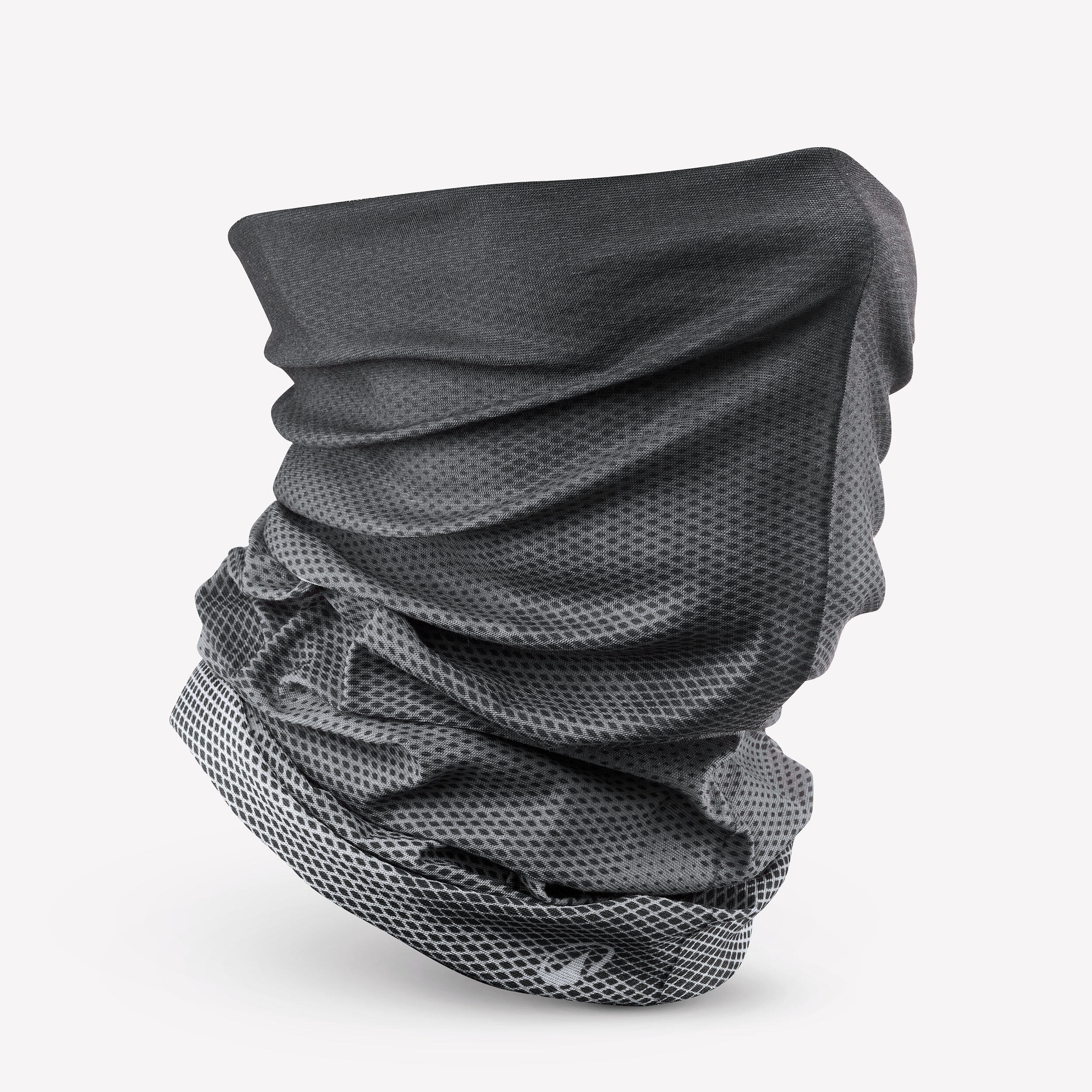
Quechua HIKE 100 Neck Tube
A low-cost spare tube for cool starts and everyday rides.
+ Pros
- Very low entry price
- Multiple wearing positions
- Approximately 58g
− Cons
- Basic warmth rather than deep-winter insulation
- No windproof membrane specified
Compare prices
Black, unique size, model 8965251
Prices and availability may change. Prices last checked: 2026-10-28 07:24 UTC. Prices are checked when this guide is updated. Confirm the current price and availability with the retailer.
Why it makes the shortlist
This is the practical spare to keep in a riding bag or jacket pocket. Its appeal is straightforward: a modest price and enough versatility to cover the neck or ears as conditions change. We would choose it for mild-weather riding rather than expecting the warmth of a thicker fleece. Position any folded section so it does not interfere with helmet fit, and lower it if it becomes damp during sustained climbing.
Key specifications
- Material
- 100% polyester
- Claimed weight
- Approximately 58g
- Size
- One size
- Colour
- Black
- Model
- HIKE 100, 8965251
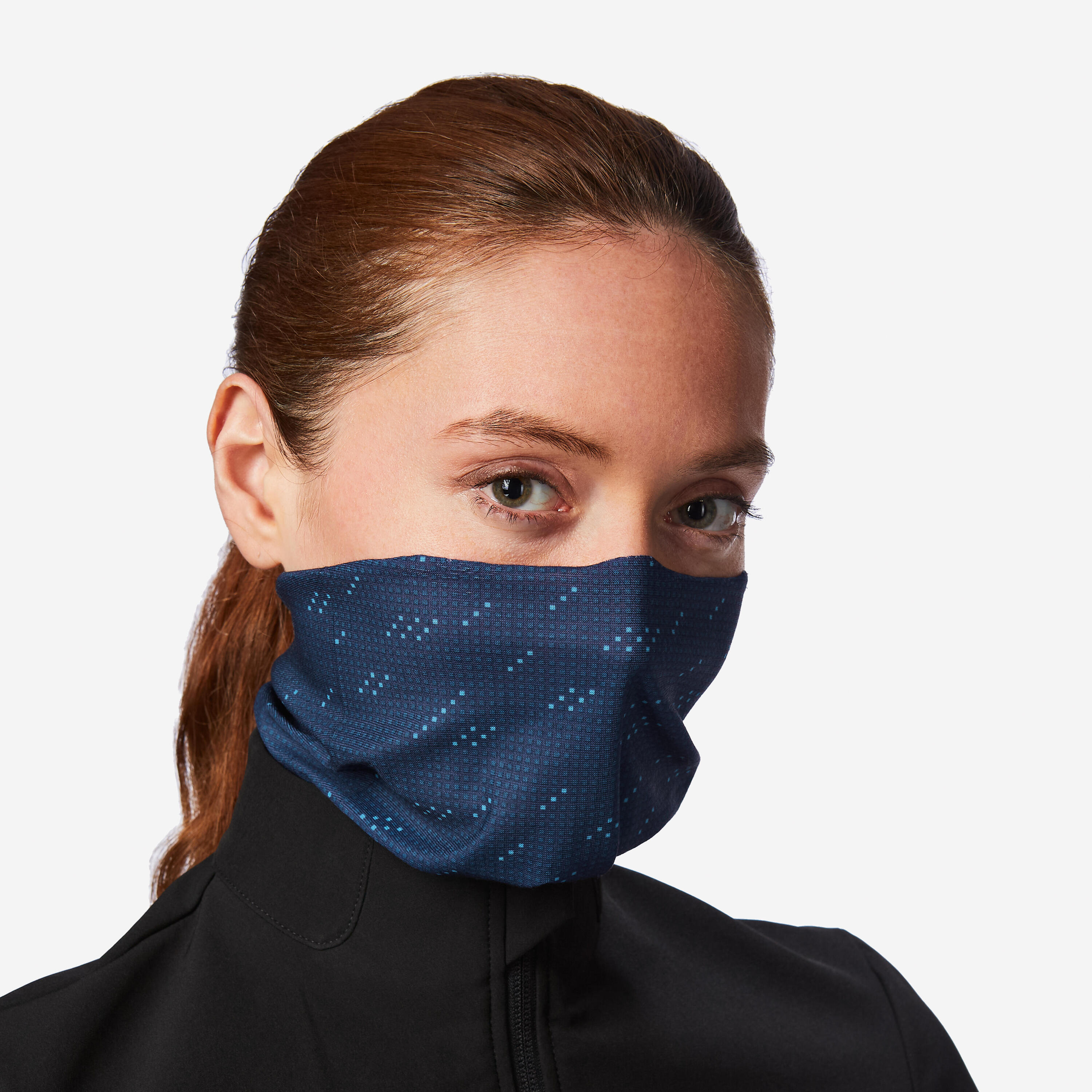
Van Rysel RoadR 100 Neck Warmer
A lightweight stretchy tube for variable riding conditions.
+ Pros
- Low price
- Quick-drying fabric
- Compact and versatile
− Cons
- Limited insulation for freezing rides
- No waterproof protection
Compare prices
Navy blue, unique size, model 8569855
Prices and availability may change. Prices last checked: 2026-10-28 07:24 UTC. Prices are checked when this guide is updated. Confirm the current price and availability with the retailer.
Why it makes the shortlist
The RoadR 100 suits riders who want a small layer they can raise for a chilly descent and tuck away on climbs. Its light fabric and modest price make it an easy everyday option. Choose the fleece 500 instead if warmth matters more than pack size. Although the product comes from a road-cycling range, the simple tube format is just as useful off-road; helmet comfort and an unobstructed view matter more than the discipline on the label.
Key specifications
- Material
- 100% polyester
- Construction
- Lightweight stretch tube
- Size
- One size
- Colour
- Navy blue
- Model
- RoadR 100, 8569855
- Care
- Wash at 30°C; line dry; no fabric softener
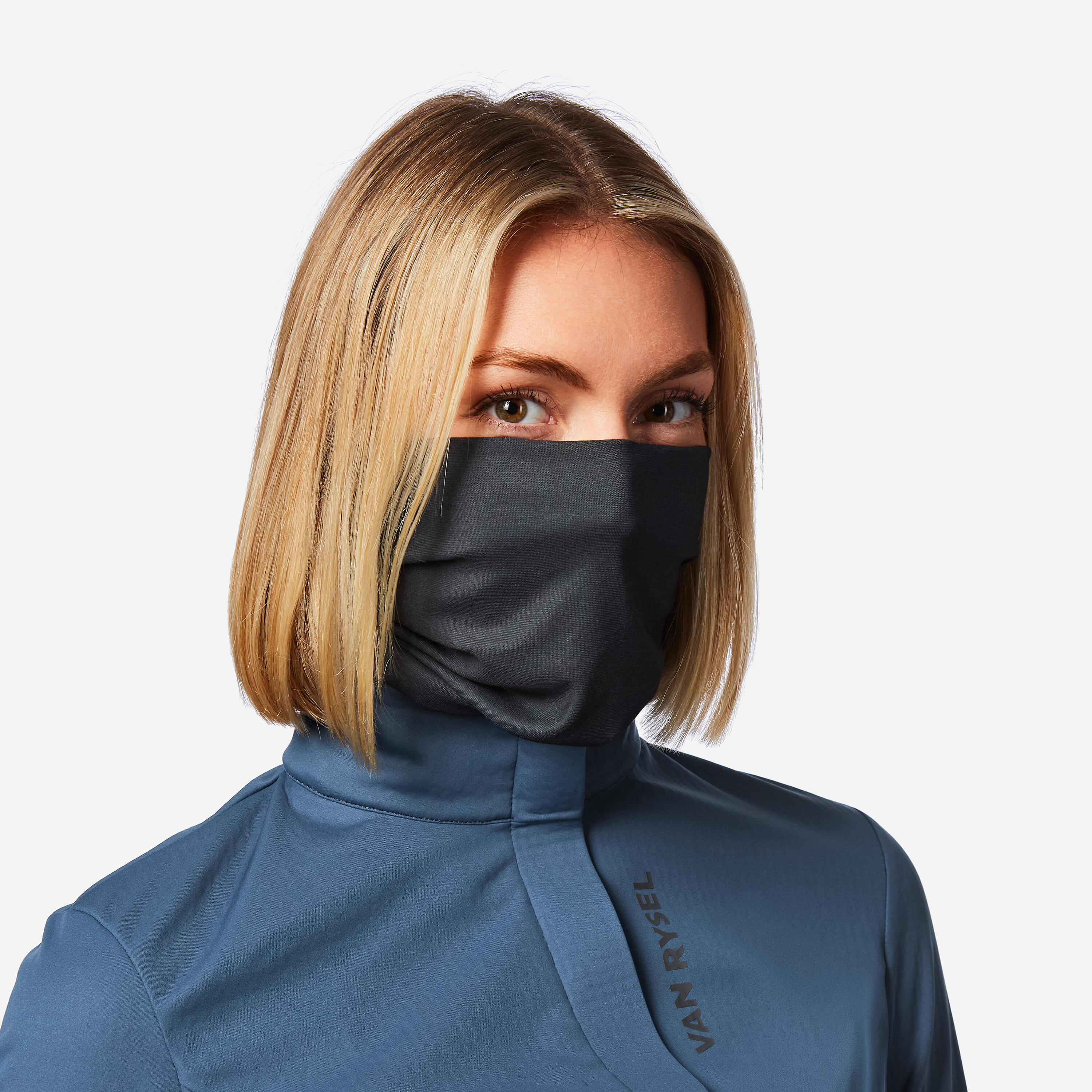
Van Rysel 500 Fleece Neck Warmer
Warm fleece below the chin with a thinner upper section.
+ Pros
- Affordable cold-weather layer
- Brushed fleece lower section
- Thin upper section for face coverage
− Cons
- More bulk than a simple tube
- Can be too warm on hard climbs
Compare prices
Smoked black / black, unique size
Prices and availability may change. Prices last checked: 2026-10-28 07:24 UTC. Prices are checked when this guide is updated. Confirm the current price and availability with the retailer.
Why it makes the shortlist
The two-part design gives the 500 a clear purpose: warmth at the neck without equally thick material over the mouth. It is an inexpensive choice for winter commutes to the trails and exposed descents. That extra insulation is less appealing for riders who overheat quickly, so plan to lower it during climbing. Check the overlap with your jacket collar and do not force thick folds underneath a tightly adjusted helmet.
Key specifications
- Main fabric
- 100% polyester
- Outer fabric
- 91% polyester, 9% elastane
- Lower section
- Brushed fleece
- Upper section
- Thin polyester
- Size
- One size
- Colour
- Smoked black / black
- Model
- 500, 8549181
- Care
- Wash at 30°C; line dry; no fabric softener
Altura Merino Cycling Snood
An affordable merino-blend layer for chilly trail rides.

+ Pros
- Low price for a wool-blend option
- Reflective detail
- Versatile tube format
− Cons
- A blend rather than pure merino
- No waterproof membrane
Compare prices
Black, one size
Prices and availability may change. Prices last checked: 2026-10-28 07:24 UTC. Prices are checked when this guide is updated. Confirm the current price and availability with the retailer.
Why it makes the shortlist
The Altura is an accessible way to try a wool-blend neck warmer without paying premium clothing prices. It suits cool starts and steady winter riding, and the synthetic blend adds practical everyday versatility. Do not buy it expecting pure merino or a weatherproof barrier. A thin polyester tube is easier to stow for hard climbs, while a warmer fleece is useful when exposed descents dominate the ride.
Key specifications
- Material
- Merino/wool and synthetic blend
- Size
- One size
- Colour
- Black
- Detail
- Reflective trim
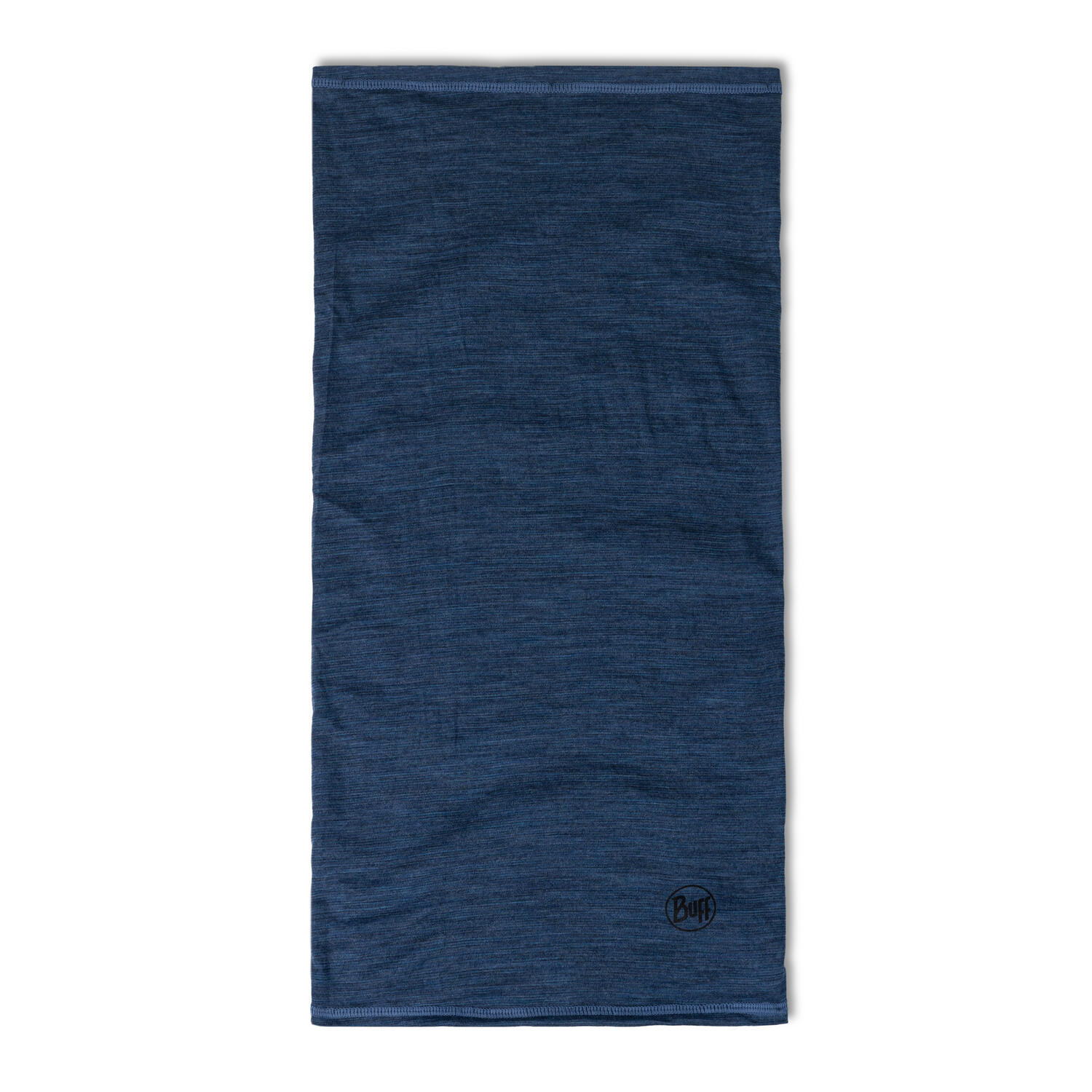
Buff Merino Lightweight Neckwear
A pure-merino option for cool rides without fleece bulk.
+ Pros
- Listed as 100% merino wool
- Lightweight multifunctional format
- Useful for changeable conditions
− Cons
- Costs more than blended tubes
- Marketplace seller-specific delivery and returns
Compare prices
Hurricane blue, adult listing
Prices and availability may change. Prices last checked: 2026-10-28 07:24 UTC. Prices are checked when this guide is updated. Confirm the current price and availability with the retailer.
Why it makes the shortlist
Choose the lightweight Buff when pure merino is the priority and you do not want the bulk of winter fleece. It is a useful layer for cool starts, steady efforts and longer days with changing temperatures. The premium is substantial beside the basic synthetic tubes, so it makes most sense if you already prefer wool next to your skin. The offer is sold by Avenue 85 through Decathlon; check that seller’s delivery and returns details at checkout.
Key specifications
- Material
- 100% merino wool
- Fabric weight
- 125g/m²
- Construction
- Seamless tube
- Colour
- Hurricane blue
- Size
- Adult
- Seller
- Avenue 85 via Decathlon
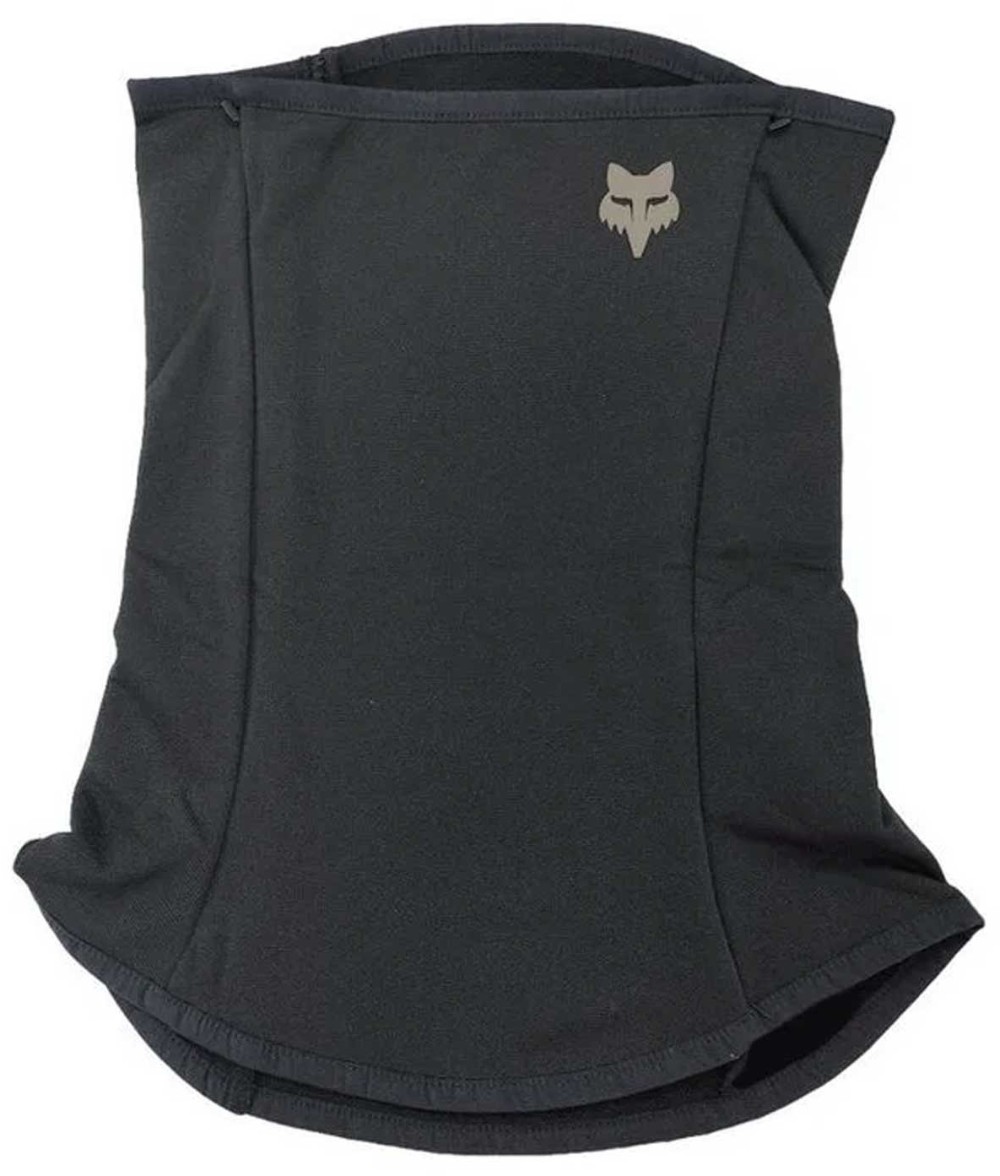
Fox Defend Neck Gaiter
A Polartec option for cold descents and winter trail riding.
+ Pros
- Insulating Polartec fabric
- Designed to stay raised while riding
- Can be lowered on climbs
− Cons
- Warmer than needed for mild rides
- Costs more than a simple thin tube
Compare prices
Black, one size
Prices and availability may change. Prices last checked: 2026-10-28 07:24 UTC. Prices are checked when this guide is updated. Confirm the current price and availability with the retailer.
Why it makes the shortlist
Choose the Defend when a thin tube is not enough for cold, exposed descents. Its warmer fabric makes it a more purposeful winter layer, although riders who run hot may prefer to lower it on climbs. Check that it sits comfortably with your jacket collar and helmet straps. It is a warmth layer, not a replacement for a waterproof jacket or a guarantee against wind-driven rain.
Key specifications
- Fabric
- Polartec
- Size
- One size
- Colour
- Black
- Use
- Cold-weather riding
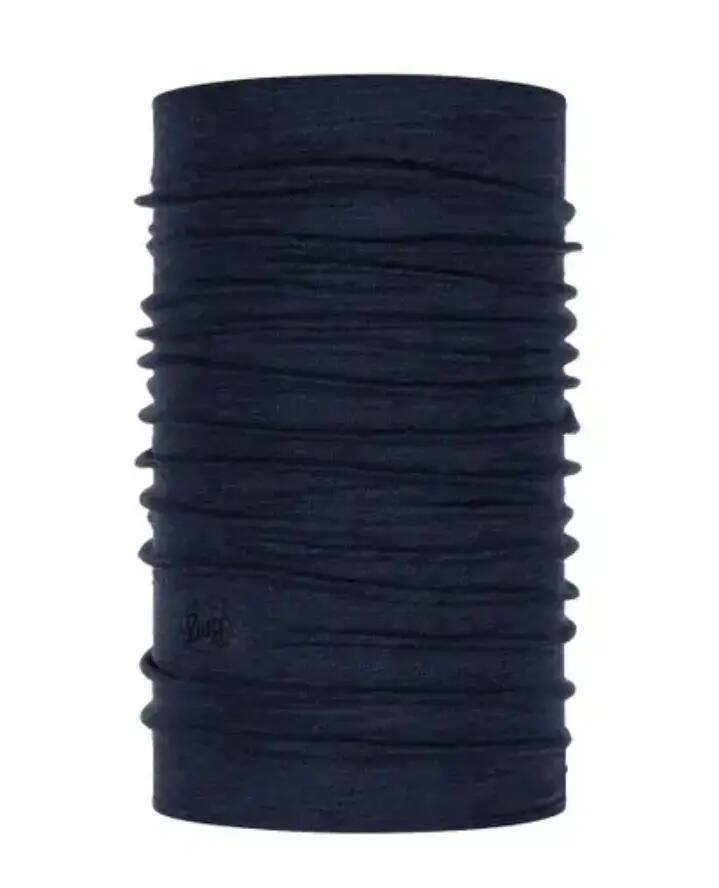
Buff Merino Midweight Neckwear
A warmer pure-merino option for cold, steady rides.
No current price comparison available.
Dark blue, one size, EAN 8428927368010
+ Pros
- 100% merino composition listed
- Midweight warmth
- Simple multifunctional tube
− Cons
- More expensive than wool blends
- Less suited to warm, high-effort rides
Why it makes the shortlist
The midweight Buff is the more winter-focused alternative to the lightweight version. We would choose it for steady rides, long stops and chilly descents when a thin tube feels insufficient. Its higher price is easier to justify if you value pure wool and will use it beyond cycling. For hard climbing, a lighter tube can be more comfortable. This specific offer comes from Avenue 85 on Decathlon’s marketplace, with that seller handling fulfilment and returns.
Key specifications
- Material
- 100% merino wool
- Fabric weight
- 250g/m²
- Construction
- Seamless tube
- Colour
- Navy blue
- Size
- One size
Merino, synthetic or fleece: which should you choose?
A light polyester tube is the practical starting point if you mainly want to take the chill off the first few minutes of a ride. It packs small, costs little and is easy to wash after a muddy outing. The Quechua HIKE 100 and Van Rysel RoadR 100 both use polyester; neither has the insulation of a thicker winter warmer.
Merino is worth considering if you prefer wool next to your skin, particularly for longer, cooler rides. Check the composition as well as the name. The Simond MT500 is a wool-rich blend, the Altura combines wool with synthetic fibres, and the two Buff options use pure merino. A blend is not automatically a compromise: the added fibres can change stretch, handling and care requirements.
Fabric weight helps separate the Buff options. The Lightweight listing uses 125g/m² material, while the navy Midweight here is 250g/m². Those figures describe the fabric, not the total weight of the garment. The heavier version is the more suitable starting point for cold, steady riding; the lighter one is easier to justify when repeated climbs keep you warm.
Fleece is the more deliberate cold-weather choice. The Van Rysel 500 places brushed fleece low down, with thinner material above it, while the Fox Defend uses Polartec fabric. Both make sense when warmth is the priority. On an eMTB, assistance can reduce the effort of climbing, but you can still overheat on technical sections. Choose something you can lower before it becomes clammy.
Getting the fit right with a jacket and helmet
Try the warmer with your usual jacket zipped up. It should close the gap around your neck without bunching under the chin strap or making it awkward to turn your head. A one-size label does not guarantee that every tube will feel equally snug, especially when pulled over the chin.
If you wear glasses, check whether your breath is being directed towards the lenses. Lowering the top edge below your mouth can help, particularly on climbs. Stop somewhere safe to adjust a slipping warmer rather than riding with fabric obstructing your view.
Only wear material under a helmet if the helmet manufacturer permits it and the fit remains correct. Thick folds can change the way the helmet sits. For most trail riding, keeping the warmer around your neck is the simplest arrangement.
Keeping comfortable through a winter ride
Raise the tube before a cold descent, then lower it as your effort rises. Tuck the lower edge into your collar to reduce gaps. None of these picks replaces a waterproof jacket in prolonged rain, and a saturated warmer is a good reason to carry a dry spare in your pack.
Shorter days also change what you need to carry. Our night-riding lights guide covers lighting for the journey home and riding after dark.
Washing and drying
Follow the garment label, especially with wool. Wash away sweat and trail grit, dry the tube fully and avoid leaving it damp in a riding bag. The Van Rysel tubes specify a 30°C wash and line drying without fabric softener. Check each garment separately rather than giving every warmer the same wash as your riding trousers.
MTB neck-warmer questions
Is a snood different from a neck gaiter? The names often describe the same tube-shaped garment. Construction matters more: a light stretch tube, a fleece-lined warmer and a heavy wool tube can feel quite different despite similar labels.
Is the warmest neck warmer always best for winter? No. A steep, sheltered climb can feel warm even on a cold day. Choose for the exposed sections and your usual effort, with enough room to lower or remove the warmer as conditions change.
Do you need an MTB-specific neck warmer? No. A hiking or road-cycling tube can work well if it fits comfortably with your riding kit. Prioritise an unobstructed view, easy adjustment and the right level of warmth.
