
Over the past week, a rumour has done the rounds that “Bosch has acquired Magura”. It’s an easy misunderstanding to make because the names are intertwined, but it isn’t what’s actually been announced. What Bosch eBike Systems has done is acquire MAGURA’s remaining 50% stake in the joint venture called MAGURA Bosch Parts & Services (MBPS). In plain English: the after-sales parts and service business that has been shared between the two companies is set to become wholly owned by Bosch from 2026, subject to the usual regulatory approvals. Magura itself — the brakes, rotors, levers and all the rest — hasn’t been “bought” as a brand in the way people are implying.
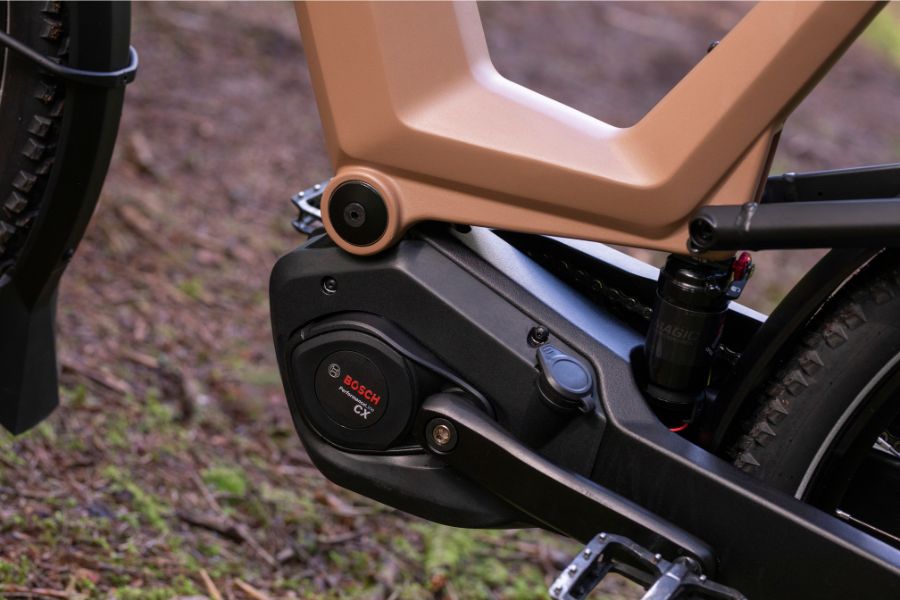
If you ride an eMTB (or maintain one), that distinction matters. Because MBPS sits in the less glamorous but absolutely essential part of the sport: the supply chain, the warranty pipeline, the “can the shop get the part this week?” reality that decides whether your bike is rolling on Saturday or hanging in the garage.
What has actually been acquired?
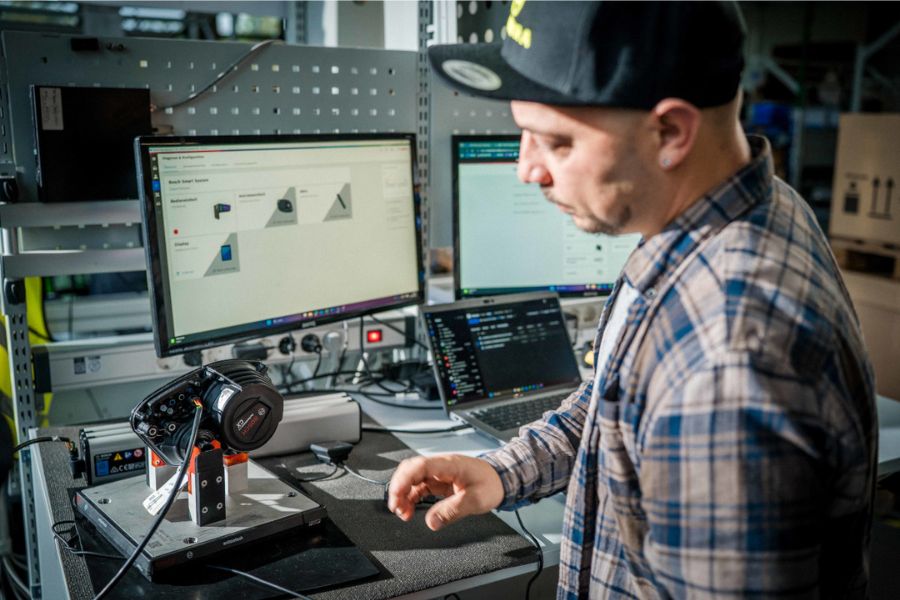
MBPS is a distribution and service operation that supports Bosch and Magura products (and, depending on market, other premium component lines as well). The job is not to design your brakes or develop the next motor platform; it’s to make sure that parts, spares, warranty handling and dealer support actually function at scale.
That is why the announcement is framed around Bosch strengthening its position in service. For riders, the benefit is indirect but real: when after-sales is well run, you feel it as shorter downtime, clearer warranty routes, and fewer dead ends when something small takes your bike out of action.
Why this matters to eMTB riders in the UK
The UK is a mature Bosch market and a big eMTB market, which means lots of bikes on the trails with Bosch systems that rely on a healthy dealer network and reliable parts flow. Whether you’re riding a full-power bruiser or a lighter, more “MTB first” eMTB, you’re still dependent on the boring essentials: diagnostic support, authorised service capability, firmware updates done properly, and the ability for a shop to get what it needs without a guessing game.
Bosch taking full control of MBPS could matter in a few practical ways.
First, clarity of responsibility. Joint ventures can work brilliantly, but when something goes wrong, riders don’t care whose logo is on the org chart — they just want a clear answer on what happens next.
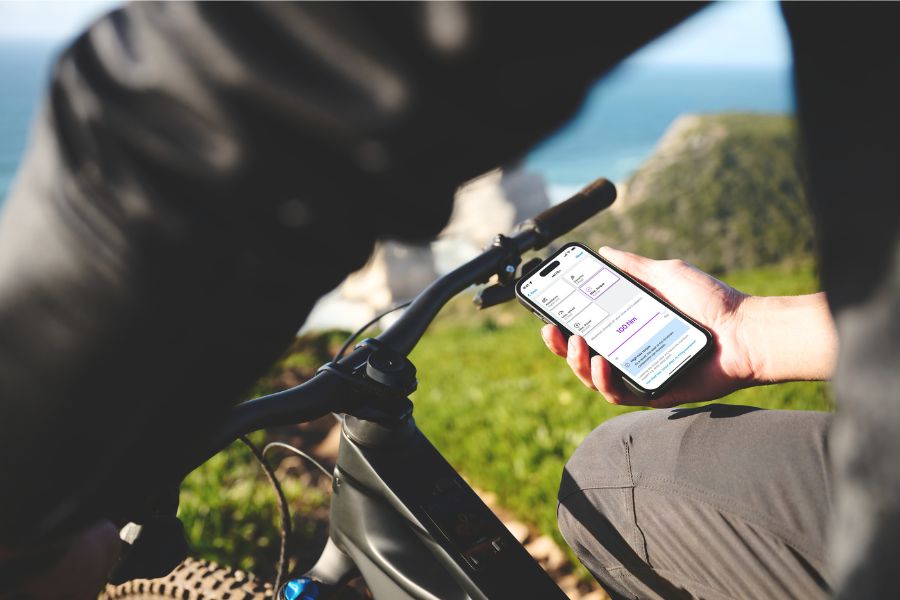
Second, tighter integration with Bosch’s wider eBike Systems strategy. Bosch has been investing heavily in the “system” side of eMTBs: not just motors and batteries, but displays, sensors, apps, connectivity and service processes that are increasingly standardised. When the service and spares arm sits fully inside that ecosystem, you would expect tighter coordination between what gets shipped, what gets supported, and how issues are resolved.
Third, fewer delays caused by parts friction. No company can magic parts out of thin air, but the best service operations are the ones that minimise friction: accurate stock data, sensible allocation, quick shipping, and clear substitution options when exact items are unavailable.
What doesn’t change (and what to watch next)
It’s worth stating clearly what this doesn’t mean.
It doesn’t mean Bosch suddenly designs Magura brakes. It doesn’t mean Magura is disappearing, nor that every Magura decision is now controlled by Bosch. And it doesn’t mean your local shop becomes a Bosch service centre if it isn’t already one.
What it does mean is that from 2026, MBPS is expected to operate as a Bosch-owned company (assuming approvals), and that the after-sales machinery behind many Bosch- and Magura-equipped bikes is being pulled tighter into Bosch’s orbit.
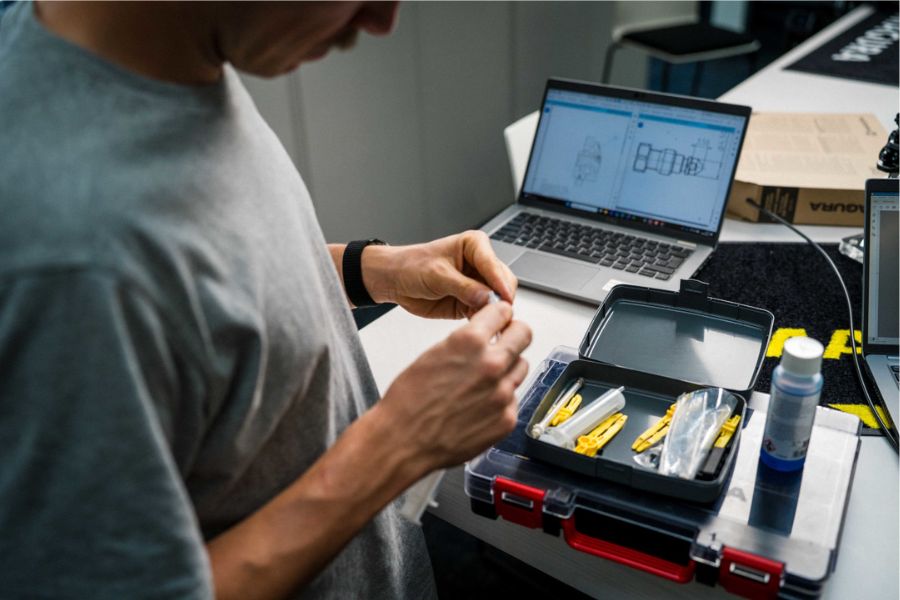
If you’re a rider, the sensible things to watch over the next season are not corporate headlines, but rider-level outcomes: are turnaround times improving, are warranty routes clearer, are common parts easier to source, and are dealers better supported when something unusual crops up?
Why you can trust Electric MTB UK
We’re an independent publication focused on electric mountain bikes and the kit that supports them. Our buyer’s guides are built from hands-on testing where possible, informed research, and clear criteria (performance, reliability, value, and suitability for real riding). We may earn money through advertising and affiliate commission when you purchase via our links, but commercial relationships do not buy favourable coverage or control rankings. Read who we are, how we fund the site, and how we protect editorial independence.