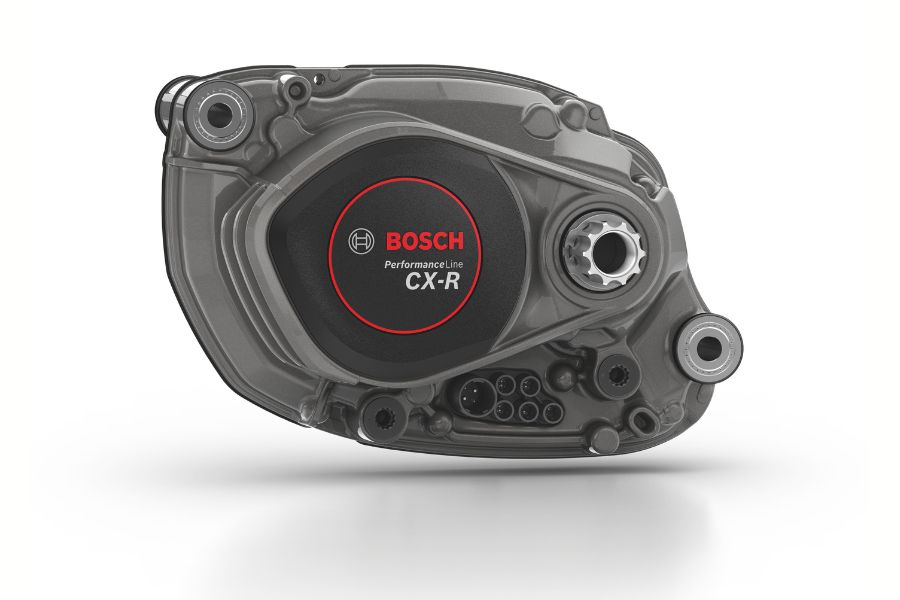
Bosch’s Performance Line CX-R has quickly become one of the most searched eMTB motor names in the UK, partly because it sits right at the sharp end of the current “full-power arms race”. It is also confusing in a particular way. A lot of riders assume the CX-R is automatically “better “than the standard CX just because it has the Race label and sits above it in the range. In reality, Bosch’s smart-system ecosystem lets you access a significant share of the real-world performance story (power, torque, and support characteristics) without necessarily buying the CX-R motor itself, depending on the bike and firmware you end up on.
That makes the sensible question slightly different from the internet debate. The practical question is not “Is Bosch CX-R the best eMTB motor?” The practical question is “who will actually notice what CX-R is trying to do, and who will pay for it, but ride past the benefits?” If you ride UK trail centres, bridleways and natural woodland singletrack, you will already know that traction, low-speed control and how cleanly the motor fades out at 25km/h can matter more than a headline number. That is why it is worth grounding your research in a plain-English explainer like our own, which explains our eMTB motors and batteries before you get pulled into spec sheets.
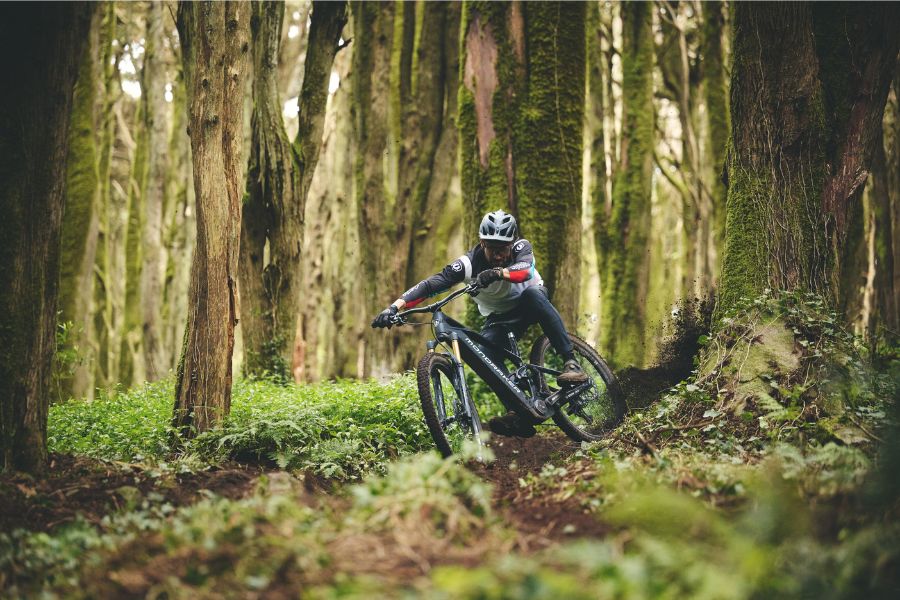
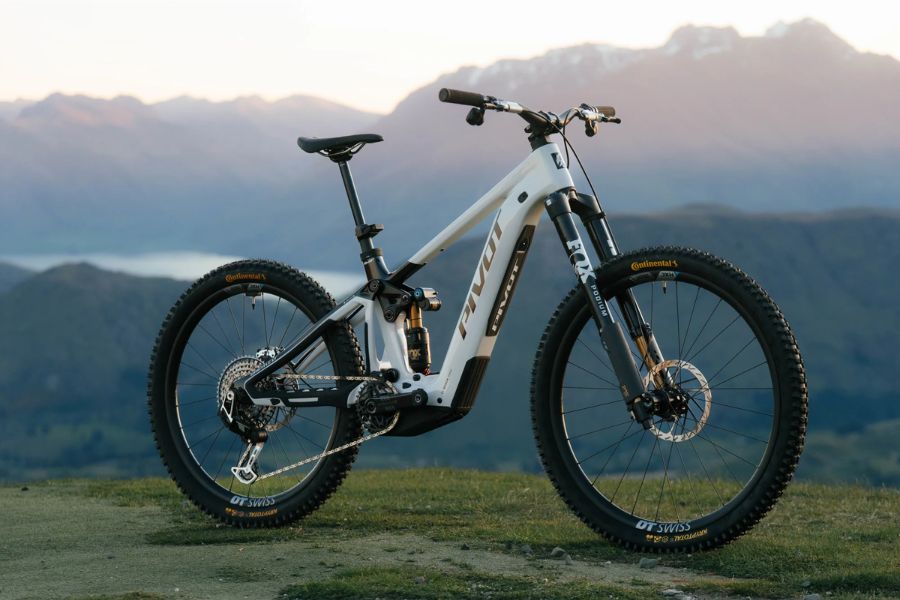
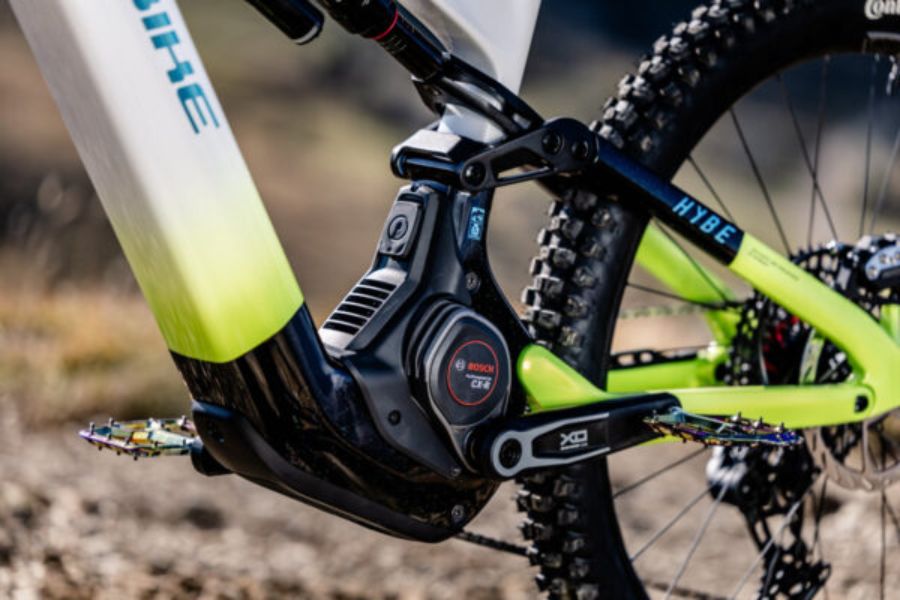
The other reason this matters right now is that CX-R is appearing on genuinely desirable bikes, not just niche builds. You can see the direction of travel in launches like the Haibike HYBE CF 11 2026 with Bosch CX-R and Kiox 400C, and the Pivot Shuttle LT updated for 2026. These bikes are designed for riders who want to climb steep, technical terrain repeatedly and still have a composed enduro chassis when the descent turns fast and rough. In other words, they are the exact use cases Bosch is targeting with CX-R.
Bosch CX-R in plain English
Bosch positions the Performance Line CX-R as the top-tier, most aggressive flavour of its current Performance Line CX family, built around the same smart-system platform and designed to deliver its support with a sharper, more immediate feel. The headline story is Race mode, which Bosch describes as its most uncompromising support setting, paired with maximum Extended Boost for hard accelerations and race-style efforts.
The easiest way to understand this is to imagine the difference between a motor that helps you “get up the climb” and a motor that helps you “win the first 20 seconds of the climb”. Race mode is about urgency, not calmness. That matters for sprint starts, punchy climbs where you need the bike to surge immediately, and technical uphills where a half pedal stroke delay can be the difference between clearing a step and stalling. It is also why some riders will love it, and others will find it too much in typical UK wet conditions.
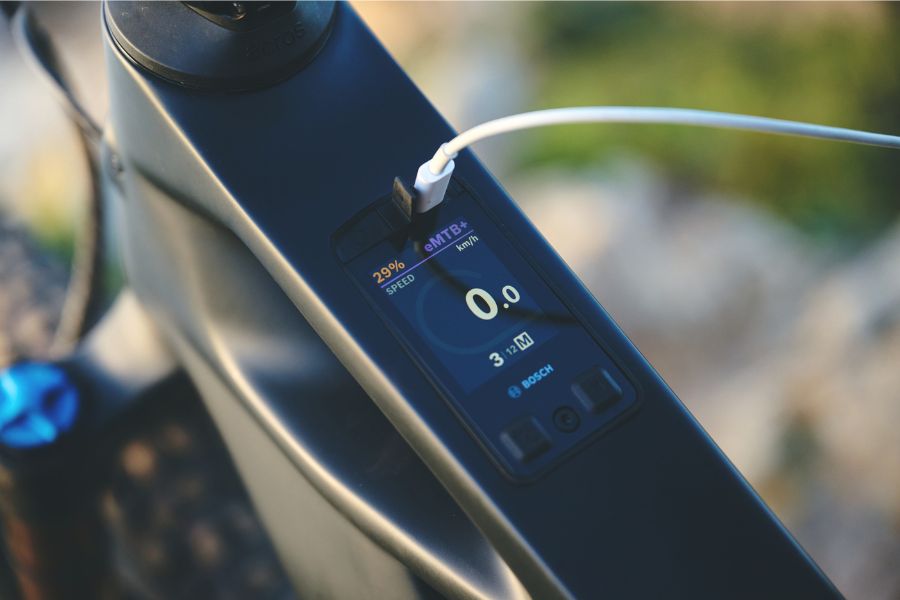
The other part of the CX-R story is the ecosystem around it. Bosch has been leaning hard into tuneability and updates via the eBike Flow app, and that matters because it changes the buying conversation. In recent years, Bosch riders have become accustomed to meaningful changes delivered through firmware and mode tuning, rather than just new hardware.
Who CX-R suits, and who should skip it
CX-R makes the most sense for riders who already ride their eMTB like an enduro bike, not just use assist to extend range. If you regularly hit steep, awkward climbs where momentum is fragile, or you ride bike-park style terrain where you are repeatedly accelerating hard out of corners and compressions, the CX-R’s sharper response can feel like a genuine advantage. The same is true if you race or ride with faster groups and want an eMTB motor that responds instantly to changes in pace.
It is also a good match for heavier riders, riders who carry kit, or anyone who wants a significant buffer for grim winter conditions where rolling resistance is high, and climbs feel slower. Not because CX-R magically creates range, it does not, but because the whole “race eMTB” category is increasingly paired with bigger batteries and aggressive chassis, as you can see on bikes such as the Pivot Shuttle LT updated for 2026.
Where CX-R is easier to question is for riders who spend most of their time on bridleways, mixed-surface trails, mellow trail-centre loops, and general UK off-road exploring. If you care more about smooth, predictable traction than instant punch, you may not enjoy the most aggressive support character. If you are buying your first full-power eMTB, it is also easy to mistake “race” for “best”, when what you actually need is a motor that is calm at low speed, easy to modulate on slippery climbs, and predictable when you are tired. If that sounds like you, start with the basics of what sort of eMTB you actually want, using What is an eMTB? and then work back toward the motor decision.
Another practical point is that UK riding often rewards restraint. Wet roots, off-camber mud and tight turns mean that an aggressive ramp can break traction and force you to dab, even if the motor is technically “stronger”. If you want to ride further, not just harder, it is worth pairing any high-output motor research with range habits. Our guide on how to get more range from your eMTB battery is the sensible companion read here, because the most significant range gains are usually behavioural, not hardware.
UK take: buying reality, updates, and the Bosch ecosystem
In the UK market, CX-R is best treated as a specialist option that is now appearing on mainstream and premium bikes. If you are already shopping in the top tier and know you want a full-power enduro eMTB, the CX-R is part of the package, so it makes sense to understand it properly. That is why it features in our coverage of bikes like the Haibike HYBE CF 11 2026, where the CX-R motor and integrated display choice are as important as suspension spec for the intended use.
If, however, you are choosing between two bikes and one happens to have CX-R, do not treat that as an automatic win. Consider dealer support, the battery ecosystem, and the bike’s overall design. Bosch’s advantage in the UK remains its breadth of support and ecosystem maturity, including the way smart-system updates are delivered through the eBike Flow app update stream. Over a couple of seasons, that can matter as much as any single mode.
None of this is about pushing past UK limits. UK-legal pedal assist still cuts off at 15.5mph (25km/h), and if you are unsure where the lines are, our UK eMTB law explained guide is the internal reference point to share with newer riders.