
The DJI Avinox vs Bosch CX-R debate has become the new “pub argument” in the eMTB world because it looks simple at first glance. DJI arrived with headline numbers that made the industry blink, and Bosch responded with a motor that leans into race character and ecosystem refinement. On paper, it is tempting to reduce the whole conversation to torque and watts. In the UK, riding is rarely the smartest way to choose.
The better way to think about DJI Avinox vs Bosch CX-R is to treat it as an ownership and ride-feel decision, not just a power decision. UK trails are often slow, wet, tight and traction-limited, and our riding also tends to involve mixed access, short road links, bridleway connectors, and trail-centre loops where the 25km/h cut-off behaviour matters. This is exactly why we keep pointing riders back to the eMTB motor and battery explanations: the “feel” is driven by tuning, support curves, cut-off behaviour, and how controllable the system is at low speeds.
It also matters because Avinox is no longer “just the Amflow story”. We are now seeing Avinox expanding to more builds and brands, and UK riders can realistically shop it rather than just read about it. That is why we have covered bikes like the Atherton S.170E Avinox eMTB presale and the Velduro Rogue R Avinox gravity eMTB, plus the practical buying fine print around Amflow PL Carbon Pro UK stock and registration.
The power numbers, and what they really mean in the UK
DJI’s Avinox system is widely regarded by DJI and many independent testers as a high-output unit. DJI’s Avinox site positions the system at approximately 105 Nm of sustained torque and reports a 250W rated power, with peak power subject to regional regulations: Avinox Drive System. Independent testing and media coverage often reference higher peak figures in certain modes.
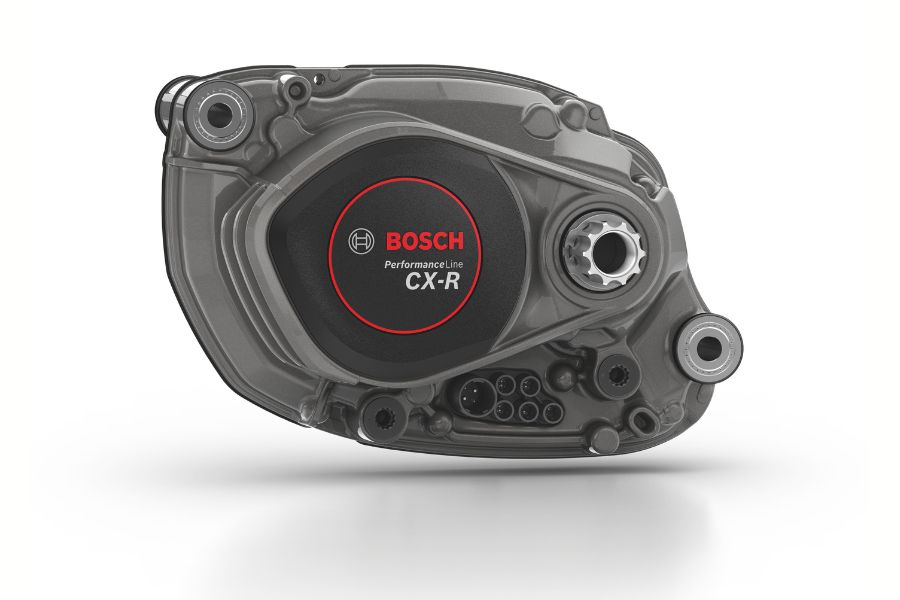
Bosch’s CX-R, by contrast, is centred on a lower peak number set, with a strong emphasis on delivery and control. Bosch’s own product page highlights the Race mode character and Extended Boost behaviour for the Bosch Performance Line CX-R. Independent testing has also shown that the CX-R’s character can be more aggressive than some riders prefer, even though the system is extremely capable.
For UK riders, the key is not to get tangled in “watts panic” without context. UK-legal pedal assist is still governed by the EAPC framework, and the baseline rules are clearly summarised on GOV.UK: Riding an electric bike: the rules. Both systems are being used on UK-legal eMTBs that cut off assistance at 25km/h, so what you feel on a climb is about how the system delivers support inside that envelope, not about turning your eMTB into something else.
Ride feel, drag, cut-off, and control
If you want the shortest version of the Avinox argument, it is this: lots of testers say it is extremely powerful, but it is also surprisingly smooth when it is well-tuned. That matters in the UK because the cut-off transition and low-speed modulation are things you notice on almost every ride, not just on the steepest climb of the day.
Bosch’s counterpoint tends to be about ecosystem refinement and ride integration. Many riders appreciate how natural Bosch feels when you are not sprinting, and how consistent it is across different terrains and conditions.
The other “UK practical” element is drag and resistance when pedalling above the assist limit or when the motor is not contributing much. A motor that feels freewheeling and calm can be a better match for mixed riding, where you are not in max support all day. This is one of the reasons it is smart to cross-reference with your own riding habits and range goals, and to consider how to get more range from your eMTB battery, because the motor that feels best at 8km/h in tech climbing might not be the one you enjoy on flatter, faster linking sections.
Buying reality in the UK: bikes, support, batteries, and resale
The Avinox story is now a UK buying story, not just an internet story. You can see that clearly with Atherton’s Avinox-powered S.170E range, which is being sold in tiers and positioned as a serious enduro platform, not a curiosity. Atherton’s own presale pages show how the UK buying journey is being structured: Atherton S.170E presale. We have also covered the UK-facing angle in our own news, including the Atherton S.170E Avinox presale from £6,999 and the more gravity-leaning direction with the Velduro Rogue R Avinox eMTB.
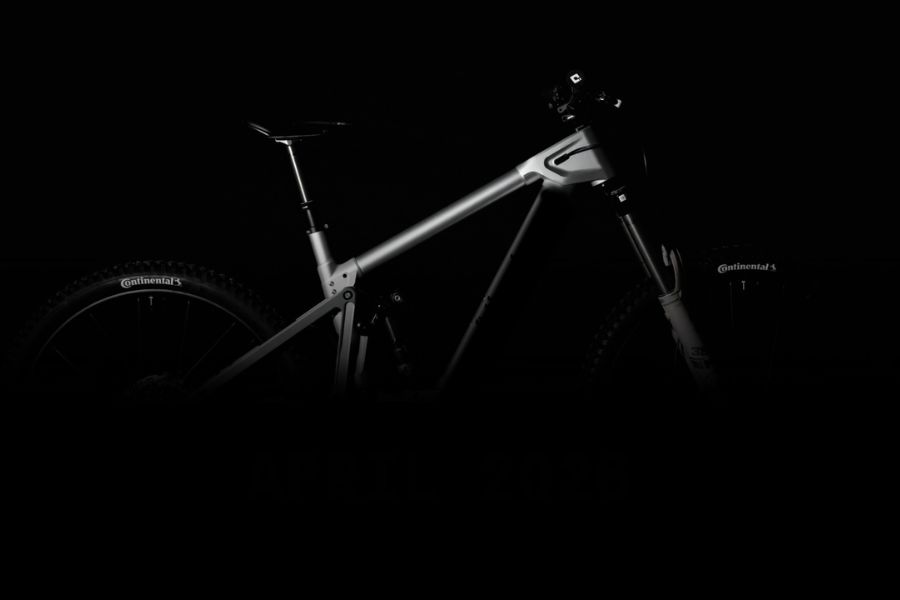
Bosch’s advantage remains its dealer network depth and a long-established service ecosystem, which matters for UK owners who want to ride rather than troubleshoot. If you are buying your first eMTB and need confidence that you can access diagnostics and support locally, Bosch still has a strong position. It is also worth remembering that Bosch’s smart-system approach relies heavily on ongoing updates and features via the eBike Flow app, which can provide long-term benefits.
The sensible way to choose, if you are genuinely split, is to anchor the decision in your real reality:
If you want maximum shove, future-facing tech features, and you are comfortable buying into a newer ecosystem that is expanding fast, Avinox is now a real contender in the UK.
If you want mature dealer support, a familiar ride character, and the reassurance of a widely supported ecosystem, Bosch CX-R and the broader Bosch CX smart-system family may make more sense.
Whatever you choose, keep the baseline for legal and access clear. If you are unsure where the lines are, share and reference the UK eMTB law explained, as it helps address the “e-bike vs motorbike” confusion that still causes problems for access and public perception.