If you are trying to decide between DJI vs GoPro for e-MTB riding, you are really asking a more useful question: which is the best action camera for e-MTB riders who want smoother trail footage, longer battery life, easier mounting and less fuss on wet UK rides? That is a much better place to start than generic camera specs alone, because an electric mountain bike ride places very specific demands on an action camera.
On an e-MTB, cameras have to deal with repeated vibration, sudden changes in light under tree cover, wet weather, mud, gloves, repeated stops and starts, and the kind of battery drain that comes from filming multiple descents in one outing. Riders also tend to want slightly different footage from a road rider or travel creator. On an e-MTB, you are more likely to care about chest-mounted stability, bar-mounted usability, wide field of view, low-light woodland detail and a battery that does not die just as the best descent starts.
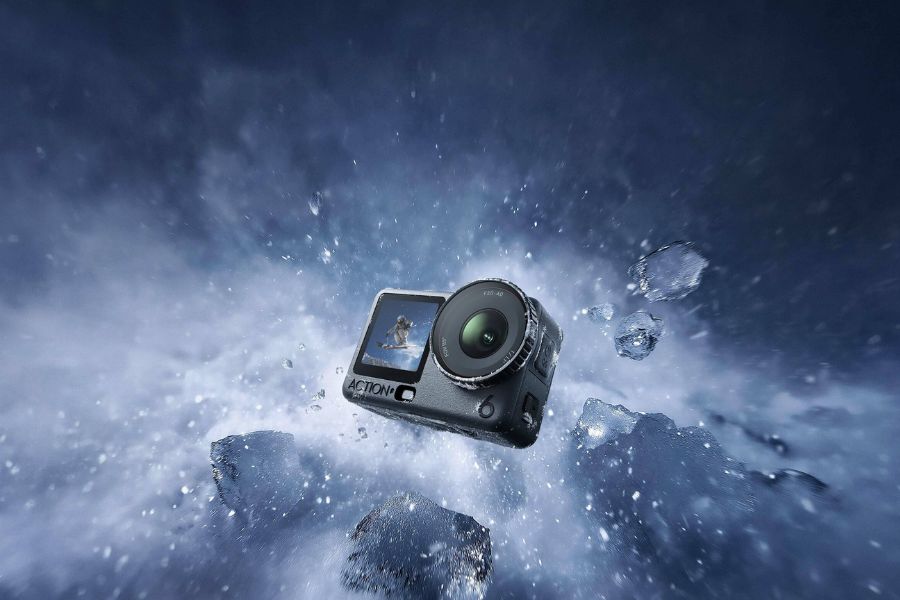
That is why the current DJI vs GoPro battle is genuinely interesting. DJI’s Osmo Action 5 Pro has become a serious rival thanks to its strong battery claims, larger sensor story and user-friendly feature set, while the GoPro HERO13 Black still has the deeper action-sports pedigree, a broader mounting and lens ecosystem, and the kind of familiarity many mountain bikers already trust. For Electric MTB UK readers, this is not just a tech story. It is a buying decision that sits right alongside other ride kit choices, from full-face helmets to practical gear found through our wider e-MTB buyers guide.
What matters most in a DJI vs GoPro comparison for e-MTB riders?
A lot of generic camera comparisons put too much weight on resolution numbers. That matters, of course, but for e-MTB riders it is not the whole story. If you are filming trail centre laps, natural descents, after-work winter rides or a big day with multiple battery-assisted climbs, the best action camera for e-MTB use needs to get several basics right.
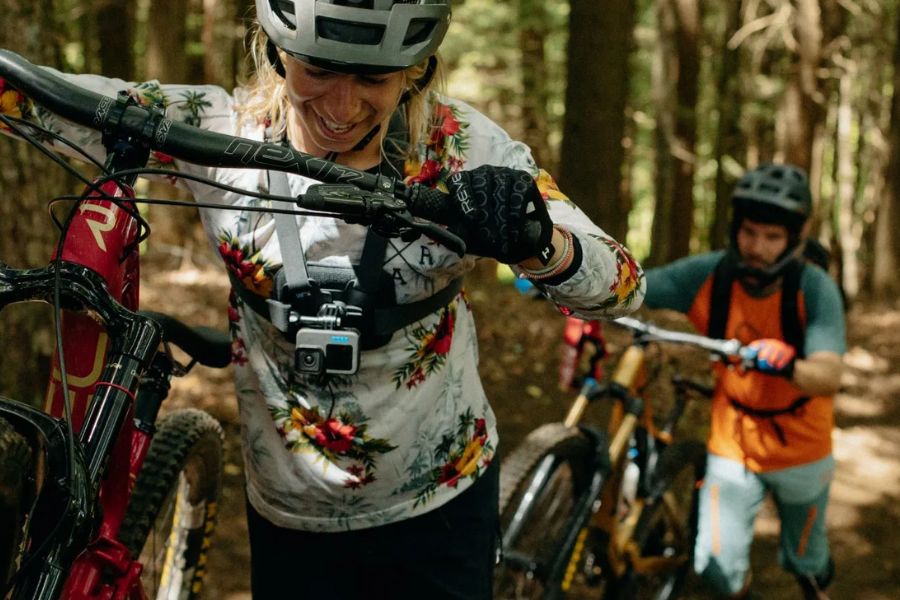
First, stabilisation matters more than headline sharpness. Trail chatter, square-edged hits and rough braking zones can make mediocre footage look tiring very quickly. Second, battery life matters because e-MTB riders often cover more ground and pack more descending into a ride than they would on a normal mountain bike. Third, ease of use matters. A camera that is awkward to operate with gloves, slow to mount, or fiddly to swap batteries in the rain quickly becomes annoying rather than useful.
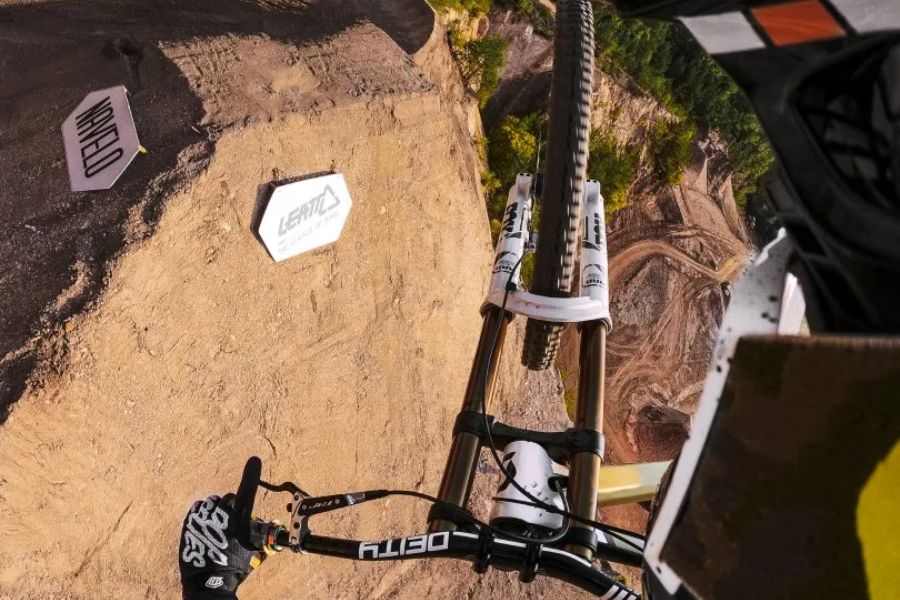
Then there is field of view. Many mountain bikers prefer footage that captures bars, trail shape and speed properly, which is why ultra-wide perspectives remain popular. Finally, there is low-light performance. UK woodland riding is rarely shot in perfect Californian light. Cameras that hold detail under tree cover, in winter slop or late in the day have a real advantage.
Viewed through that lens, DJI vs GoPro for e-MTB riders becomes less about brand loyalty and more about priorities. DJI currently looks especially strong on battery life and ease of ownership, while GoPro still looks strongest if you want the most developed ecosystem around POV capture and creative shooting options.
DJI vs GoPro on rough trails: stabilisation, image quality and POV feel
If your priority is classic mountain bike footage, GoPro still makes a very convincing case. The HERO13 Black’s action-sports heritage shows in the way the whole product line is built around capture options, mounts and speciality lenses. For riders who want to create a more immersive trail point of view, GoPro’s Ultra Wide Lens Mod is one of the strongest reasons to stay in the GoPro camp. It is not a niche extra for e-MTB use. It is exactly the sort of accessory that makes fast woodland descents, bermed trail-centre runs and steeper technical sections look more dramatic and more natural on screen.
GoPro also still carries a certain confidence factor for mountain biking because it has spent years owning this category. That matters. If you already have mounts, batteries or editing habits built around GoPro, HERO13 Black feels like a very easy upgrade path. It also suits riders who want maximum flexibility from one camera body, particularly if they care about specialist lenses and future add-ons as much as the camera itself.
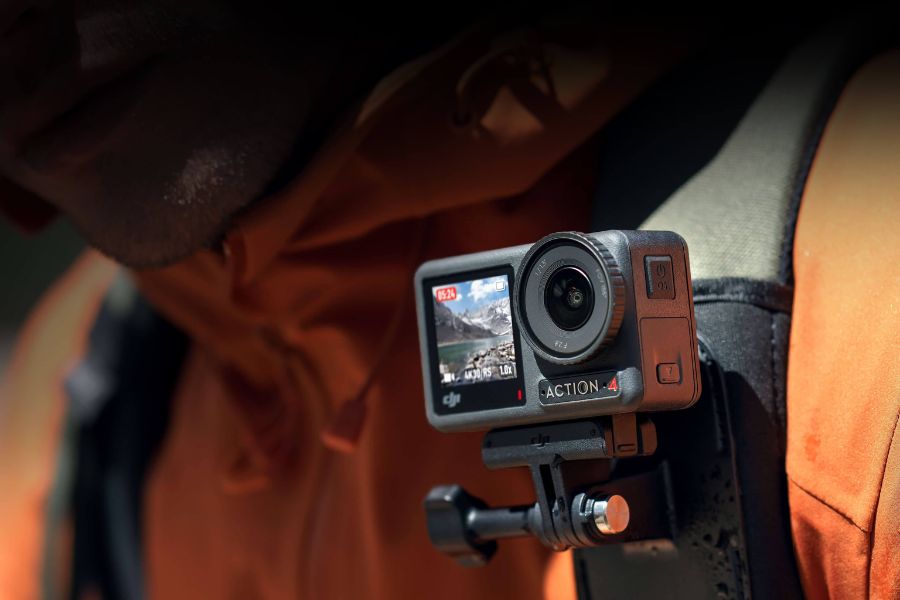
DJI, though, is no longer the outsider choice. In a DJI vs GoPro trail-footage comparison, the Osmo Action 5 Pro looks especially persuasive for riders who value a cleaner, less fiddly ownership experience. Its low-light story is stronger on paper than GoPro’s, and that matters for UK e-MTB riding where tree cover, flat winter light and late-afternoon rides are common. If your typical riding happens in dark woodland, overcast conditions or shoulder-season mud, DJI’s approach may appeal more than raw resolution bragging rights.
This is the key point: GoPro still looks stronger if you want the most developed mountain biking ecosystem and the broadest creative setup. DJI looks stronger if you want a simpler camera that is easier to live with and more convincing in lower light. For many e-MTB riders, that distinction will decide the whole purchase.
Battery life, mounting and real-world ride usability
This is where DJI vs GoPro becomes particularly relevant to electric mountain bike riders. Battery life is not a side issue on an e-MTB day. The whole point of an e-MTB is that you can do more climbing, more descending and more repeated laps in one ride. That often means a camera has to keep working for longer too.
DJI has leaned hard into this. The Osmo Action 5 Pro is one of the most battery-focused launches the category has seen in recent years, and for e-MTB riders that is not just marketing fluff. A longer-lasting camera is genuinely useful if you are filming a whole ride rather than just one descent. It also reduces the need to carry multiple spare batteries on shorter loops, which makes life easier if you are already carrying tools, food, water and ride kit.
GoPro is not weak here, but its strength is slightly different. HERO13 Black benefits from a mature accessories ecosystem, which means there are lots of ways to build the setup you want. If you are the kind of rider who likes to fine-tune everything, from lens choice to mounts to spare-power options, GoPro still has a very strong case. That is particularly true if your filming is not just casual memory-making but part of content creation, review work or social video output.
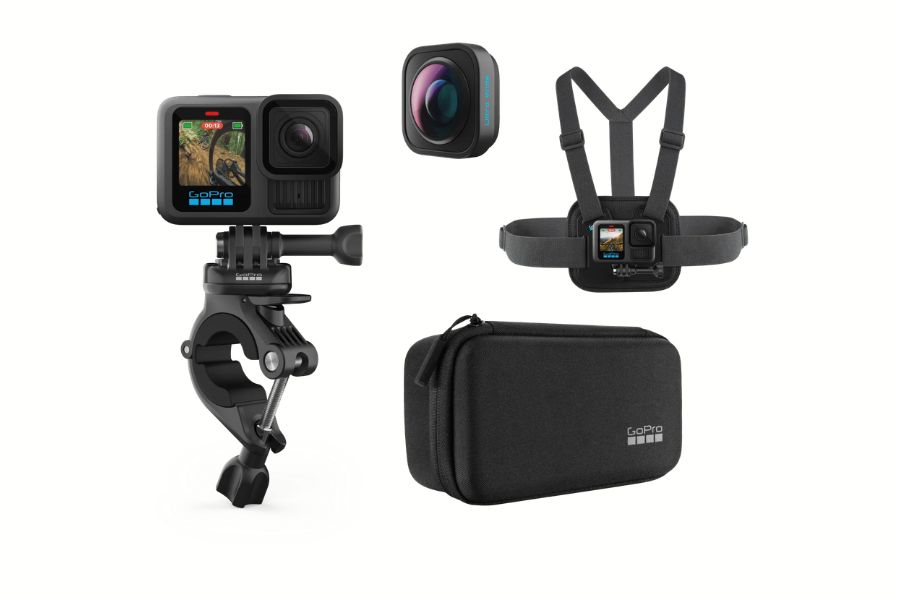
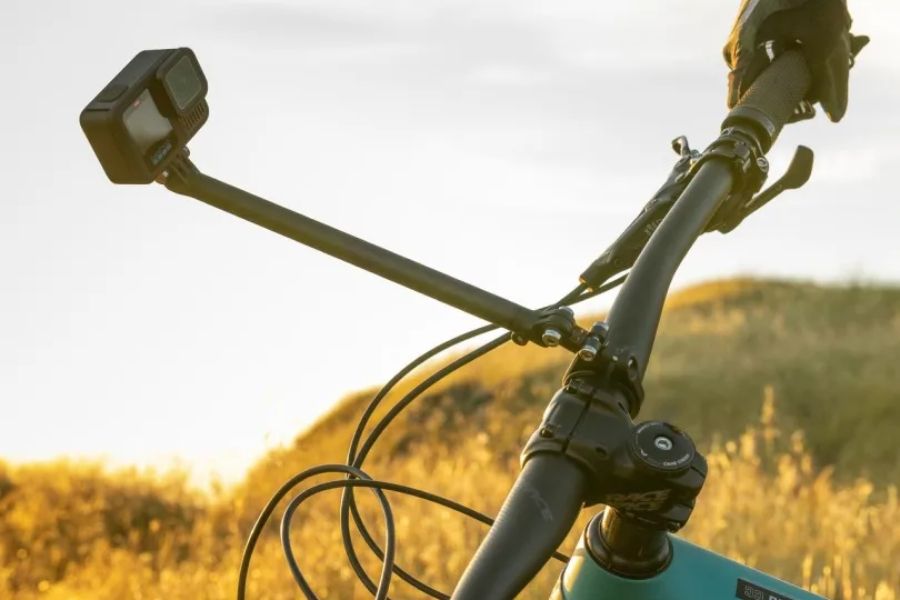
Mounting is another point where GoPro’s history helps. There is a reason so many mountain bikers still default to it. Chest mounts, helmet positions, bar setups and third-party add-ons are all easy to find and easy to trust. DJI is much better than it used to be here, and the gap is far smaller than it once was, but GoPro remains the safer pick for riders who want the broadest accessory choice from day one.
So, which is the best action camera for e-MTB riders?
If you want the cleanest overall answer in DJI vs GoPro for e-MTB use, it comes down to what sort of rider you are.
If you want the broadest action-sports ecosystem, the most established mountain biking credibility, and the best route into creative POV setups, the GoPro HERO13 Black is still the more complete mountain bike camera. It feels like the enthusiast’s choice. It makes sense for riders who know they will use lens mods, care about field-of-view options and want the most developed action-camera platform around their e-MTB riding.
If, however, you want the best action camera for e-MTB rides in a more practical, everyday sense, the DJI Osmo Action 5 Pro may be the smarter buy. Its appeal is straightforward: strong battery life, an impressive low-light angle, simple usability and less sense that you need to buy half an ecosystem before the camera is at its best. For many Electric MTB UK readers, that is going to be enough to tip the scales.
So here is the honest verdict. In a pure DJI vs GoPro fight for e-MTB riders, GoPro still wins on ecosystem and mountain bike-specific versatility. But DJI may well be the better buy for the majority of riders who simply want reliable, high-quality trail footage with less hassle.
That means there is no fake, one-size-fits-all winner here. The best action camera for e-MTB riders depends on whether you value creative expandability or ownership simplicity more. If you are a committed content creator, GoPro still looks like the stronger long-term platform. If you are a rider first and a filmer second, DJI currently makes a very compelling case.
For readers building out their wider riding kit as well as their camera setup, it is also worth browsing our latest Tech & Advice coverage and practical gear recommendations through the Electric MTB UK buyers guide hub.