
From Thursday 1 January 2026, the E-Bike Positive campaign has moved into joint guardianship of the Bicycle Association (BA) and the Association of Cycle Traders (ACT). That change might sound administrative, but it is actually a clear statement of intent: the UK cycle trade wants a single, recognisable banner for promoting safe, UK legal e-bikes and tackling the two areas that continue to create the most confusion (and risk) for consumers — legality and battery safety.
E-Bike Positive was originally initiated by Bosch eBike Systems through the Electric Bike Alliance, working alongside the BA, ACT and Cycling UK, with the alliance launching in August 2024. The campaign’s founding aim was twofold: champion e-bikes as an economical and healthy way to travel, and educate the public about the risks of aftermarket lithium-ion batteries, chargers and conversion kits. Since then, it has grown into what the BA describes as the UK’s largest e-bike campaign, with a wide retailer pledge behind it and a growing bank of public-facing safety resources.
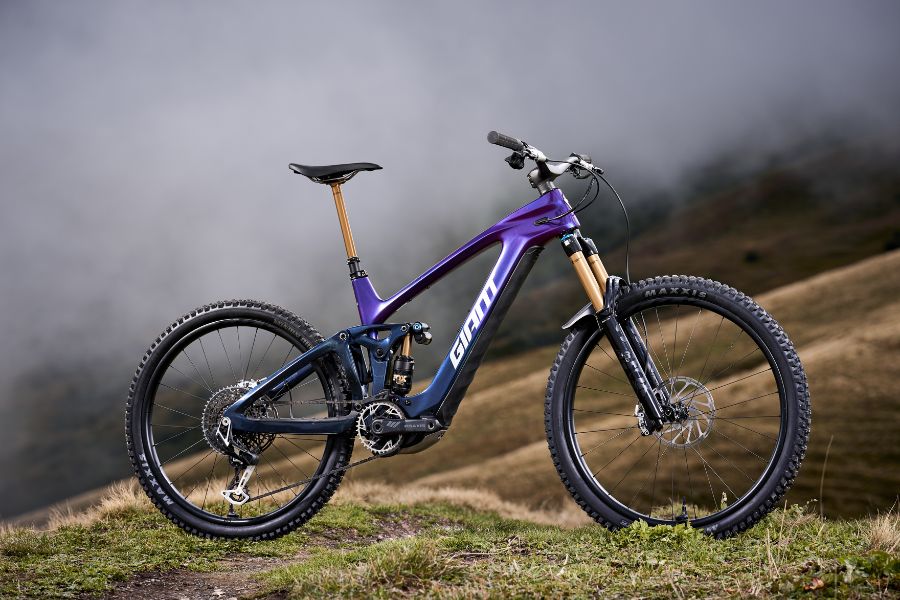
For Electric MTB UK, this matters for a simple reason: we want the eMTB market to grow in a way that protects riders, protects access, and protects the reputation of pedal-assist bikes. That is why we only advertise and write about bikes that are UK legal e-bikes (including UK-legal pedal-assist eMTBs), and why we are happy to point readers towards initiatives that raise standards across the trade.
What has changed from 1 January 2026 — and what it signals
Under the new structure, E-Bike Positive is now formally stewarded by the BA and ACT together, with the campaign expected to evolve into a wider assurance initiative. The direction of travel is clear: help the public buy safe, UK legal e-bikes from reputable retailers, and create consistency in how the industry talks about legality, battery safety and best practice.
If you want to read the announcement at source, the BA published the original release here: E-Bike Positive adopted by the BA and ACT. You can also find the campaign’s public-facing resources at E-Bike Positive, including background on the Electric Bike Alliance.
The campaign also continues to be backed by around 400 UK e-bike retailers who have signed a pledge to only sell and repair legal e-bikes. In real-world terms, that retailer commitment is arguably the most practical part of the whole project: it ties the “UK legal e-bikes” message to where people actually spend money, get servicing done, and seek advice when something goes wrong.
Why “UK legal e-bikes” is not just a commuter issue
It is tempting to assume that legality debates are mainly about city riding, delivery use, or cheap online bikes. In reality, UK legal e-bikes matter just as much in the eMTB world — because most UK riding involves mixed environments: short road links, bridleways, forest roads, trail centre access tracks, canal paths and shared-use routes. Even if your “main ride” is a trail loop, it is easy to stray into places where EAPC-compliant pedal assist is the expectation.
The baseline is straightforward: the GOV.UK rules explain that to be treated as an Electrically Assisted Pedal Cycle (EAPC) (and therefore ridden like a normal bicycle in the UK), the bike must meet specific requirements — including pedal-assist operation, a maximum continuous rated motor power of 250W, and assistance cutting off at 15.5mph (25km/h). See Riding an electric bike: the rules and the more detailed DfT information sheet EAPCs in Great Britain.
This is exactly the kind of confusion that E-Bike Positive is designed to reduce: the public hears “e-bike”, but the legal definition is narrower than many listings and social posts suggest. That is also why we maintain an always-on explainer at UK eMTB law explained, and why we build buyer’s guide coverage around UK-legal pedal-assist models rather than loopholes.
If you are shopping right now, it is worth anchoring your research in reputable, UK-focused guides. Start with Best eMTB 2026, then narrow down based on the riding you actually do: Best full-suspension eMTB 2026, Best hardtail eMTB 2026, and our broader full-suspension buyer’s guides if you are comparing categories and spec levels.
Battery safety: the other half of the message
E-Bike Positive has always paired “UK legal e-bikes” with a strong warning about battery safety — specifically the risks that can come with poor-quality aftermarket batteries, chargers and conversion kits. That emphasis is supported by wider UK safety messaging, particularly around charging practices and the risks of damaged or mismatched lithium-ion packs.
For practical, UK-specific guidance, the London Fire Brigade has published clear advice under its ChargeSafe campaign, including where and how to charge safely: Charge e-bikes & e-scooters safely and its explainer on risks: Know the dangers of e-bike and e-scooter batteries. Nationally, the NFCC also hosts consumer-facing guidance here: E-bikes and e-scooters fire safety guidance.
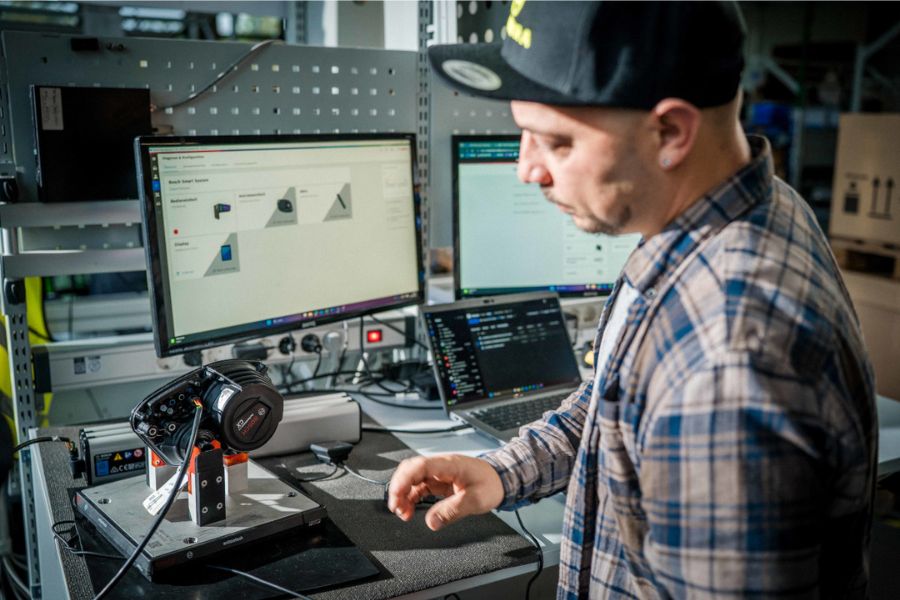
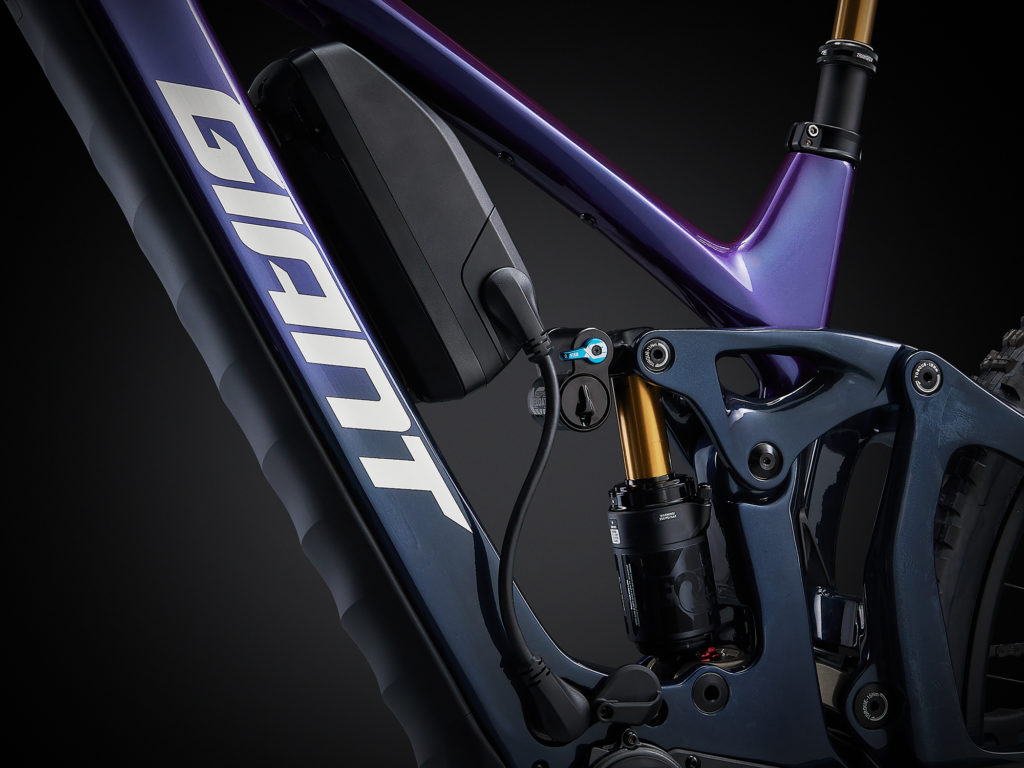
For eMTB riders specifically, battery safety is not only about avoiding the worst-case scenarios. It is also about everyday reliability: using the correct charger, avoiding damaged packs, keeping firmware and systems supported, and understanding how modern drive units and batteries are designed to work as a system. If you want a plain-English overview of how the tech fits together, we keep a dedicated guide at eMTB motors and batteries explained.
What this means for Electric MTB UK readers
The headline here is not “a campaign changed hands”. The headline is that two major trade bodies are effectively doubling down on the same point we make repeatedly: the future of the category depends on consumer confidence in safe, UK legal e-bikes.
That is why, at Electric MTB UK, we are deliberate about what we cover and who we work with. If a bike is not a UK-legal pedal-assist e-bike, it should not be presented as one. And if a retailer or brand cannot be clear about legality, support and safe charging, it is not the sort of message we want to normalise in the eMTB space.
If you are looking for places to ride your UK-legal pedal-assist eMTB, we are also building out a UK directory to make planning easier — including trail centres and uplift venues — at bike parks by location. Access is a privilege in the UK, and anything that improves understanding of UK legal e-bikes helps protect that access for everyone.