
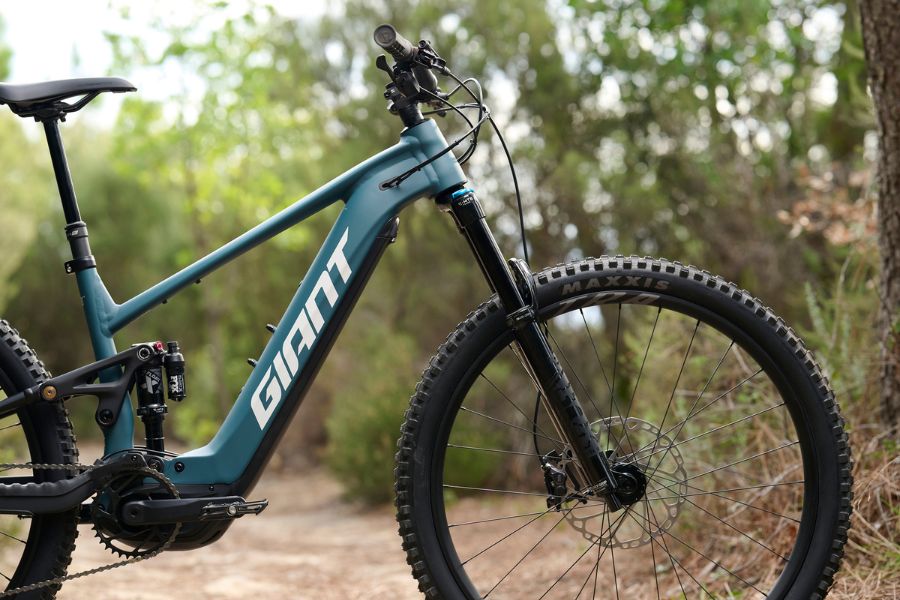
Brakes are one of the biggest real-world differences between owning an eMTB and owning a normal mountain bike. The bike is heavier, you carry more speed into corners and compressions, and you tend to do longer descents because you can climb more in the same ride window. Add UK winter conditions, and you get the perfect recipe for fast pad wear, noisy braking and that vague feeling at the lever that makes you back off when you should be committing.
The mistake most riders make is treating eMTB brake pads and rotors like a “fit and forget” choice. In reality, pad compound, rotor size, rotor construction and basic setup all have a big influence on how long parts last and how consistent braking feels in wet grit. Get it right, and you will still replace pads regularly, but you will stop binning rotors early, stop glazing pads every other ride, and stop losing power halfway down a long descent.
This guide is written for UK riders and UK trails, so it leans into the stuff we actually deal with: muddy bridleway links, trail centre descents, slick roots, slurry, and winter road salt. If you want the larger maintenance framework that ties brakes to the drivetrain and bearings, start with the eMTB maintenance schedule: what to service and when to do it. If you are also fighting winter range anxiety, it is worth knowing that dragging brakes and poor setup waste energy, so keep How to get more range from your eMTB battery on UK trails handy too.
Why do eMTB brakes wear faster in the UK
eMTB brake pads and rotors live a harder life for three reasons. First is the system weight. More mass means more kinetic energy to shed, which means more heat in the pads and rotors. Second is the use pattern. On an eMTB, you often descend more per ride because you climb more per ride, and you brake more frequently because the average speed is typically higher. Third is contamination. UK grit and slurry can wear pads like sandpaper, especially if you ride through winter without properly cleaning and drying the bike.
Heat is the silent killer. If a brake system is marginal on rotor size or pad compound, it will overheat more easily, which leads to fade, glazing, noise, and inconsistent bite point. This is exactly why heat-management tech exists, such as Shimano’s ICE TECHNOLOGIES, which is designed around reducing heat build-up for more consistent braking.
Pad compounds: what lasts, what stays quiet, and what actually works in UK wet
Most riders choose between organic (also called resin) and sintered (metal) pads, with a few semi-metallic options in between, depending on the brand.
Organic pads tend to be quieter, offer a softer feel at the lever, and bed in quickly. They can feel great in dry conditions and work well for lighter riders, but they generally wear out faster in gritty winter slop and can lose consistency when they get hot. If your eMTB brake pads and rotors are constantly squealing, and you are a trail centre rider who likes a lot of bite, organic pads can still work, but you will need to replace them more often.
Sintered pads are the usual UK winter answer when you care about longevity. They cope better with mud, water and sustained braking, and they generally last longer in abrasive conditions. The trade-off is increased potential for noise, especially when wet, and sometimes a slightly harsher feel through the lever. SRAM’s own guidance is straightforward here and is worth reading if you run Code, Guide or Maven-family pad shapes. Start with the SRAM overview at SRAM brake pads, and for the plain-English differences between compounds, use SRAM’s support explainer on pad materials.
If you want one simple rule for UK riding, it is this. If you ride year-round in wet, gritty conditions, sintered pads usually make the most sense. If you prioritise silence and feel, and you do not ride long descents or heavy trail centre days, organic can still be valid, but expect more frequent swaps.
One more detail that matters on an eMTB is the backing plates. Some pads use aluminium backing for weight savings, while others use steel for heat stability. For heavier bikes and longer descents, stability usually wins over marginal weight saving.
Rotor choice: size first, then construction
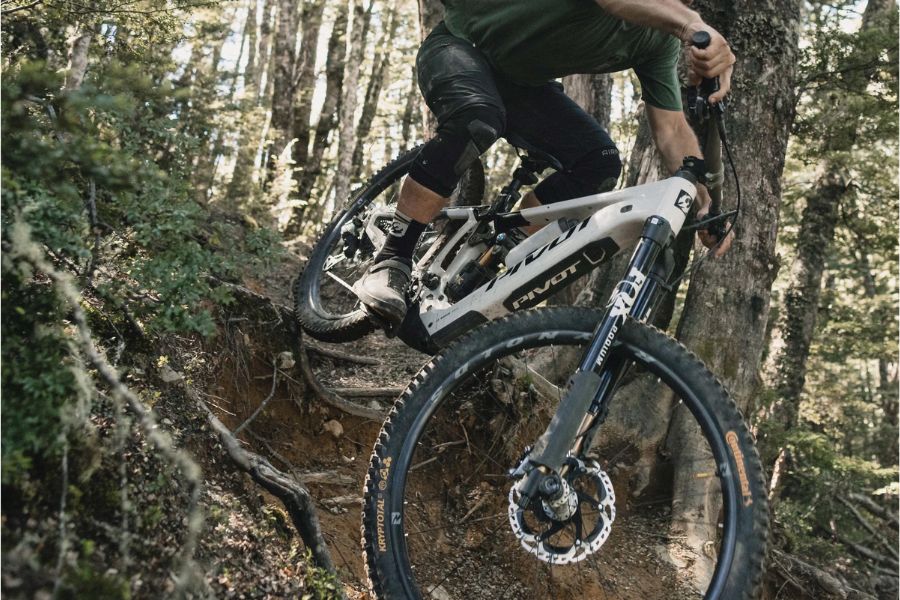
Rotor size is the cheapest performance upgrade you can make for eMTB brake pads and rotors, because a bigger rotor increases leverage and helps manage heat. For most UK trail riding on a modern eMTB, 200 or 203mm rotors front and rear is a sensible baseline. If you are heavier, ride steep terrain, or regularly ride uplift days, moving the front to 220mm can make a noticeable difference to power and consistency. The key point is not just more power, it is less heat for the same stopping work, which reduces glazing and fading.
Rotor construction is the next layer. Two-piece rotors (often called floating rotors) can help manage heat and reduce warping because the braking surface and the carrier expand at different rates. Good examples are Hope’s floating rotors, such as the Hope Floating 6 Bolt Rotor or the Hope Floating Centrelock Rotor. They are not mandatory, but they can be a smart durability upgrade if you are repeatedly overheating cheaper one-piece rotors.
Rotor thickness is another under-discussed factor. Many common rotors are around 1.8mm. Some brands offer thicker rotors intended for heavier bikes and harsher use. Magura, for example, has a rotor range that includes options designed around high system weights and heat resistance, and it is worth browsing their official rotor page at MAGURA disc rotors. The compatibility warning here is important. Thicker rotors can require matching calliper clearance and matching pad shapes, so do not mix and match blindly.
If you run Shimano, the heat-management path is usually ICE TECHNOLOGIES and ICE TECHNOLOGIES FREEZA rotors. A typical example is the Shimano RT-MT800 ICE TECHNOLOGIES FREEZA rotor, which is built to dissipate heat more effectively.
The UK winter mistakes that kill pads and rotors early
The quickest way to ruin eMTB brake pads and rotors is contamination. If you get chain lube, spray polish, degreaser residue, or drivetrain muck on the rotor or pads, they can soak it up and become permanently noisy or weak. That is why it is worth keeping brake cleaning separate from drivetrain cleaning. Use dedicated disc brake cleaner or isopropyl alcohol on rotors, keep lubes away from the braking surface, and wash your hands or use gloves before touching rotors and pads.
The second common problem is glazed pads. This usually happens when pads overheat or when you drag the brakes lightly down long descents rather than braking firmly and releasing. Glazed pads can feel wooden, squeal, and offer inconsistent bite. If glazing is a recurring issue, it is often a sign you need a bigger rotor, a different compound, or both.
The third issue is poor bedding-in. New pads and rotors need a bedding-in process to transfer an even layer of pad material onto the rotor. Skipping bedding-in can lead to noise, poor power, and an uneven feel. If you want a straightforward method, Park Tool’s workshop content is a good reference point, and you can start with their general brake maintenance articles, such as Disc brake pad removal and installation.
Brake feel, bleeding, and fluid: the practical owner’s view
If your lever feels inconsistent, comes back to the bar, or changes bite point mid-ride, it is often a bleed issue, especially after hard descending or big temperature swings. Mineral oil and DOT fluid systems behave differently, but the important rule is never mix fluids and never cross-contaminate bleed tools.
If you run Shimano or other mineral-oil systems and want a clear reference for a basic bleed, Park Tool’s guide is a useful starting point for How to bleed Shimano flat bar hydraulic brakes. Even if you do not bleed your own brakes, understanding what “good lever feel” should be helps you spot problems early and communicate clearly with a workshop.
One final point that links back to broader ownership. Brakes and drivetrain wear often rise together in winter, because grit hits everything at once. If you have not read it yet, eMTB drivetrain wear explained (UK): why chains and cassettes wear faster pairs well with this brake guide, and together they cover the two highest consumable costs most UK eMTB riders face.