

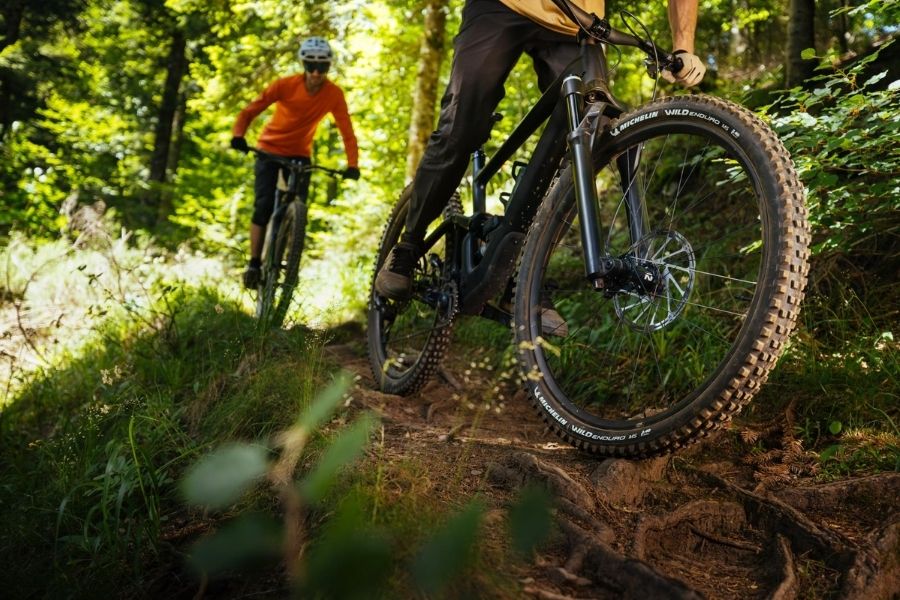
If you’ve ever ridden two electric mountain bikes with the same travel numbers and come away thinking one felt calm and confident while the other felt harsh, vague or nervous, you’ve already discovered the truth about eMTB forks and suspension: the headline specs don’t tell you the full story. An eMTB suspension fork is defined as much by damper quality, chassis stiffness and tuning range as it is by travel. Add the extra system weight of an electric mountain bike, plus the way eMTBs encourage longer rides and more descending per outing, and suspension becomes one of the biggest factors in whether your bike feels composed on wet roots, stable under braking, and predictable when the trail turns steep and fast.
This matters in the UK because “normal” riding conditions here tend to expose weak suspension set-ups quickly. A typical UK loop blends slick roots, greasy off-camber turns, square-edge rocks, braking bumps at trail centres, and awkward slow-speed tech where traction is everything. In those conditions, a well-set eMTB suspension fork keeps the front wheel tracking the ground, helps the tyre bite rather than skip, and stops the bike diving when you brake hard into steep sections. A poor fork set-up, or a fork whose damper simply can’t control repeated impacts, usually feels like a front end that chatters, deflects and wears you out.
If you’re still building the bigger picture of eMTB ownership, these explainers are useful context alongside this suspension guide:
- e-MTB motors and batteries explained: https://electricmtbuk.co.uk/emtb-motors-batteries-explained/
- UK e-MTB law explained: https://electricmtbuk.co.uk/uk-emtb-law-explained/
- Best eMTB 2026: https://electricmtbuk.co.uk/best-emtb-2026/
- Best full-suspension eMTB 2026: https://electricmtbuk.co.uk/best-full-suspension-emtb-2026/
- Best hardtail eMTB 2026: https://electricmtbuk.co.uk/best-hardtail-emtb-2026/
How eMTB forks and electric mountain bike suspension actually work
Most modern eMTB forks use an air spring and an oil damper. The air spring holds you up (ride height and how much travel you use), while the damper controls speed (how quickly the fork compresses and rebounds). The simplest way to understand electric mountain bike suspension is that the spring decides “how far”, while the damper decides “how well controlled”.
On an eMTB suspension fork, the spring side is usually adjusted with a shock pump to hit a sensible sag, then refined using volume spacers (often called tokens) to change end-stroke ramp-up. That’s a big deal for eMTB forks because heavier bikes, higher speeds and longer descents make it easier to blow through travel or feel unsupported if the fork isn’t tuned correctly.
The damper side is where “fork feel” really comes from. A better damper keeps the fork calm over repeated hits, stops harsh spikes, and maintains support under braking. That braking support is particularly important on eMTB forks because eMTBs often carry more speed into corners and compressions, and the extra mass can amplify dive if your set-up is too soft or your compression damping is too light.
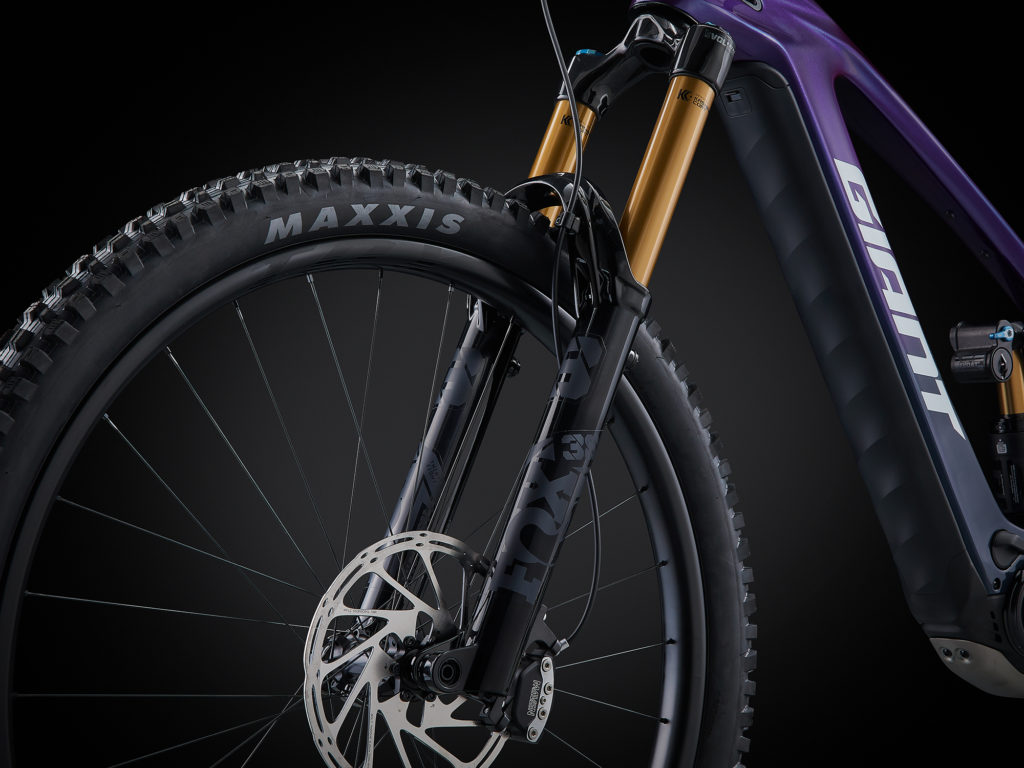
Rear suspension follows the same principles, but the frame linkage also plays a major role in how the shock behaves. On a full-suspension eMTB, the linkage influences traction under power, stability under braking, and how supportive the bike feels mid-corner. That is why comparing full-suspension eMTB travel numbers alone can be misleading. If you want a baseline “get it dialled” process, Electric MTB UK’s set-up guide is here: https://electricmtbuk.co.uk/emtb-suspension-setup-sag-rebound-tyre-pressure/
eMTB fork brands compared: what’s different, and what riders can expect
There is no single “best” eMTB suspension fork brand for every rider. The more useful question is: which brand (and model tier) gives you the chassis stiffness, damper control and set-up range that matches how you ride in the UK? Some forks feel naturally supportive and controlled under braking. Others prioritise small-bump sensitivity and traction. Most can be tuned towards your preference, but the quality of the damper and the stiffness of the chassis set the limits of what is possible.
Below is a practical comparison table for the major eMTB forks brands you’ll see in UK bike shops and buyer’s guides. Use it as a shortcut to expectations: how the fork is likely to feel, who it suits, and where to start with official set-up support.
| Brand | Typical eMTB fork positioning | What the “feel” is usually like on UK trails | Who it tends to suit | What to watch in set-up | Official support / set-up starting points |
|---|---|---|---|---|---|
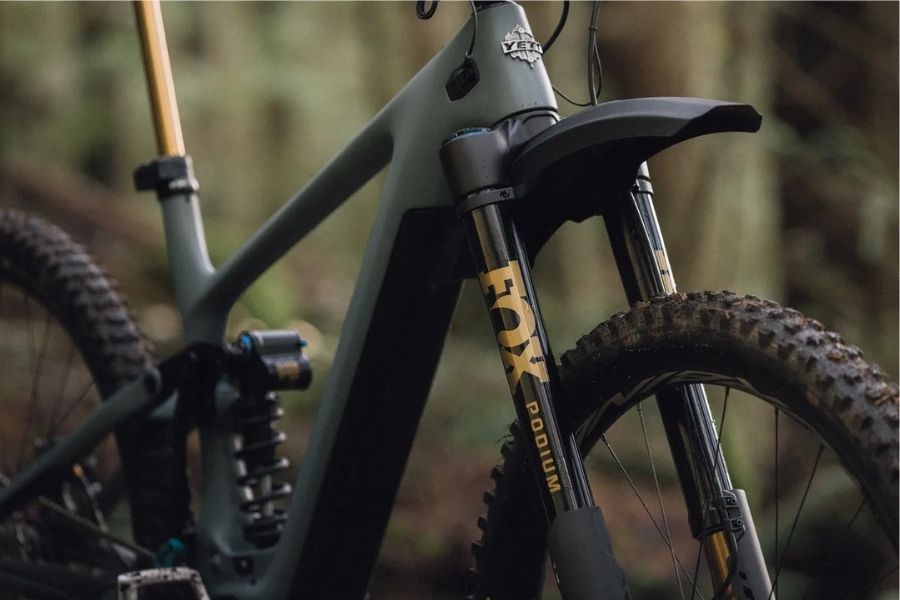
| Fox | Common on trail and enduro eMTBs across mid to high spec | Often feels supportive under braking, controlled at speed, and confidence-inspiring when tuned well | Riders who push harder on descents, ride steeper terrain, or want a planted front end | Small changes can make a noticeable difference; avoid over-stiff spring pressure if you want traction on wet roots | Fox set-up help (including sag basics): https://tech.ridefox.com/bike/owners-manuals/569/video–fork-and-shock–sag-setup-101 |
| RockShox | Very common across trail, enduro and long-range eMTBs | Often feels supple off the top with strong traction, with a wide “easy to live with” set-up window | Riders who want comfort + control without constant tinkering; excellent for mixed UK conditions | Rebound speed is key to prevent packing down on repeated hits; use TrailHead baselines first | TrailHead (serial-based tuning start point): https://trailhead.rockshox.com/en and overview: https://www.sram.com/en/rockshox/campaigns/trailhead |
| Öhlins | More specialist, often on premium builds | Typically calm, damped and composed on long descents; very “controlled” feel when set right | Riders who prioritise composure, stability and consistency over a lively feel | Don’t chase a dead feel by overdamping; aim for grip first, then add support | Öhlins MTB products: https://www.ohlins.com/product-category/mtb/ |
| Marzocchi | Strong value forks, generally straightforward ownership | Often robust, predictable and confidence-building without needing constant adjustment | Riders who want simple, tough eMTB forks for UK trail centres and natural riding | Keep pressures sensible; don’t mask tyre pressure problems by softening the fork too far | Marzocchi MTB range: https://www.marzocchi.com/collections/mtb |
| SR Suntour | Common on entry and mid-price eMTBs (varies a lot by model) | Can range from basic to genuinely capable depending on fork level; some models are more “value” focused | Newer eMTB riders, value-driven builds, and bikes aimed at mixed terrain | Identify the exact model before judging performance; servicing can transform feel | SR Suntour support: https://www.srsuntour.com/ |
| Manitou | Less common in mainstream UK builds, more enthusiast-led | Often traction-focused with good tunability; can feel very controlled when dialled | Riders who like adjusting set-up and want a slightly different “feel” | Start from recommended baselines; be methodical with rebound changes | Manitou (Hayes) MTB suspension: https://hayesbicycle.com/collections/manitou |
| DVO | Niche but well-liked by riders who value tunability | Often praised for traction, support and a very “tunable” ride character | Riders who enjoy fine-tuning and want a dialled, custom feel | Avoid changing multiple variables at once; document settings | DVO suspension: https://dvosuspension.com/ |
A crucial point for Electric MTB UK readers: the best eMTB suspension fork is the one you can keep running properly. UK riding is hard on suspension, and a serviced, correctly set-up fork will nearly always outperform a neglected “better” fork. If you ride frequently, plan for routine lower-leg services and don’t ignore play, knocking, or a fork that suddenly feels harsh.
eMTB fork set-up: sag, rebound, compression, and common UK mistakes
If you want your eMTB forks to feel calmer, grippier and more confident, most gains come from set-up, not upgrades. The simplest approach is to work in order: tyres, then sag, then rebound, then compression, then tokens.
Start with tyres because tyre pressure can mimic suspension problems. Over-inflated tyres often feel like a harsh fork, because the tyre is the first “suspension” element. If your eMTB suspension fork feels skittery on wet roots and chattery on small bumps, check tyre pressure before you start chasing clickers.
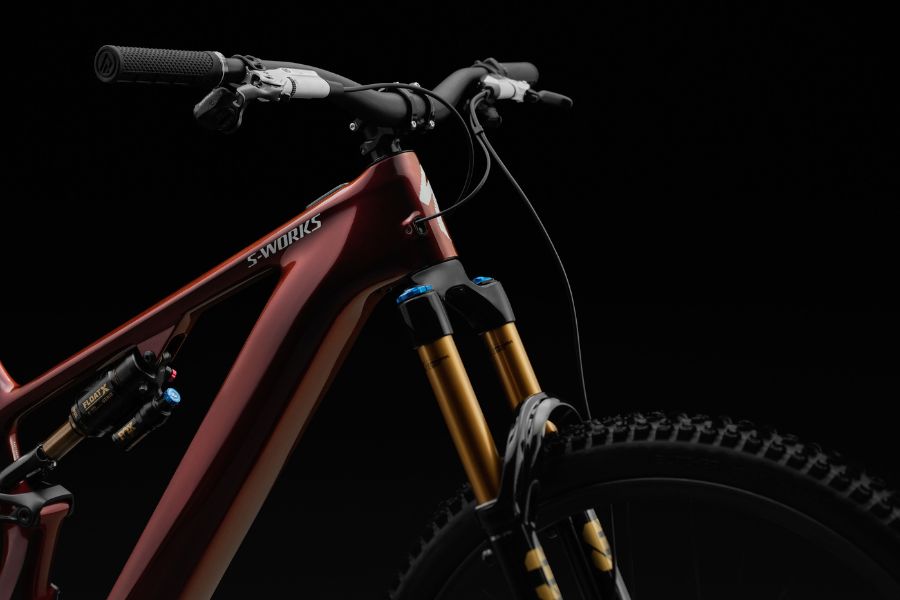
Next is sag. A good eMTB suspension fork sag target is not about chasing an internet number; it’s about how the bike behaves. Too much sag and the fork rides too deep, dives under braking, and steepens the bike’s steering when you need stability. Too little sag and the fork sits too high, feels harsh, and struggles to find traction on greasy UK trail chatter. If you want a step-by-step baseline, use Electric MTB UK’s practical guide: https://electricmtbuk.co.uk/emtb-suspension-setup-sag-rebound-tyre-pressure/
Rebound is the control that most riders get wrong, especially on eMTB forks ridden on rough UK trails. If rebound is too slow, the fork can “pack down” on repeated hits: it doesn’t recover between impacts, rides lower and lower, and starts to feel harsh and vague. If rebound is too fast, the front end can feel bouncy and nervous, particularly when you’re hard on the brakes. The right rebound setting makes the fork return quickly enough to reset for the next hit, but not so quickly that it throws you off line.
Compression damping is where you add support without sacrificing grip. Low-speed compression helps resist brake dive and keeps the bike riding higher in its travel when you load the front end through corners and compressions. High-speed compression (if your damper has it) influences how the fork handles sharp hits like roots, rocks and square edges. A useful UK rule of thumb is: prioritise traction first, then add just enough compression support that the bike stays predictable on steep, wet descents.
Tokens (volume spacers) are the cleanest way to change how the fork behaves near the end of travel. If you’re using full travel too easily or bottoming out on hard compressions, adding a token increases ramp-up without ruining small-bump sensitivity. If you never reach full travel and the fork feels harsh deep in the stroke, you may have too many tokens or too much pressure.
Rear shock balance matters too, because an unbalanced bike makes the fork feel wrong. If the rear is too soft or wallowy, weight shifts forward and you load the fork excessively. If the rear rebound is too slow, the back end packs down and can push the bike into the fork on repeated hits. That is why “electric mountain bike suspension” should always be treated as a front-and-rear system, not an isolated eMTB suspension fork problem.
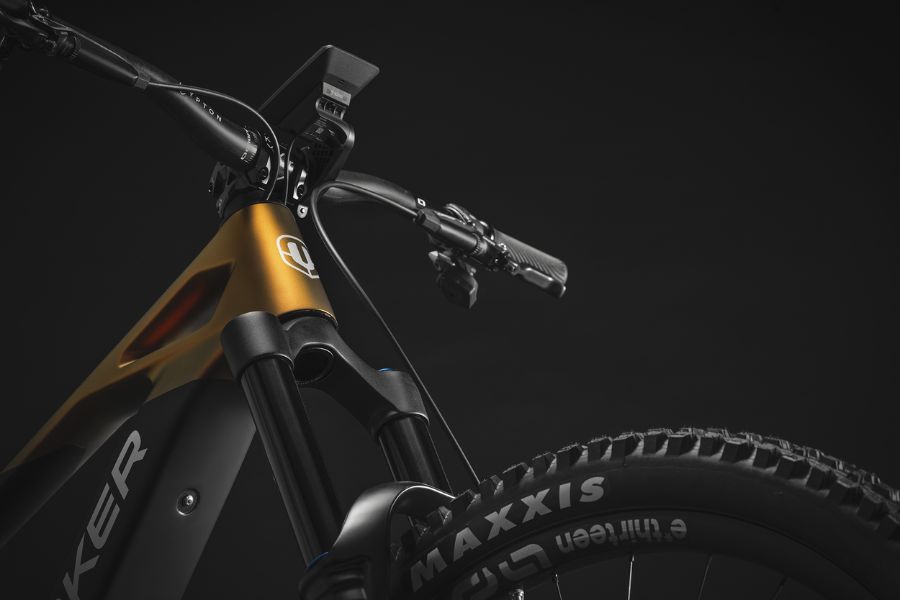
If you want manufacturer baselines for set-up, these external links are reliable starting points:
- Fox sag basics: https://tech.ridefox.com/bike/owners-manuals/569/video–fork-and-shock–sag-setup-101
- RockShox TrailHead tuning start point: https://trailhead.rockshox.com/en
- A UK shop’s practical sag baseline discussion: https://tweedvalleybikes.co.uk/blogs/news/suspension-101-part-i-setting-sag-and-finding-your-baseline-pressures
Finally, if you want a consistent place to test changes (same trail, same conditions), use a repeatable loop and keep notes. Electric MTB UK’s bike parks and trail centre directory is ideal for that because it helps you pick somewhere predictable to do back-to-back runs: https://electricmtbuk.co.uk/bike-parks-location/