

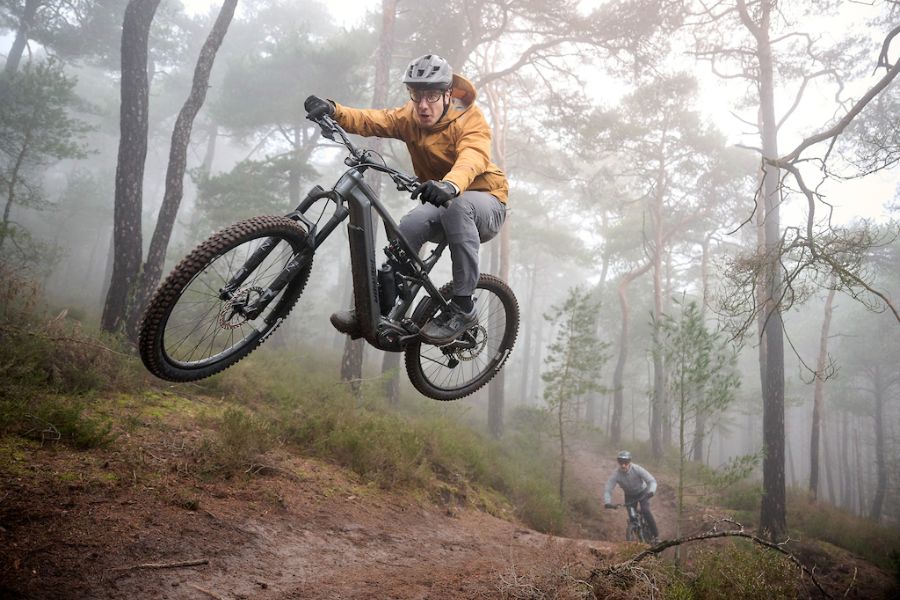
Electric mountain bikes make riding bigger, faster and more frequent, which is brilliant for fitness and fun but harder on parts. The UK angle is simple: we ride in wet grit, sloppy mud and road salt for a big chunk of the year, then we wonder why drivetrains wear quickly, and bearings feel rough.
A good eMTB maintenance schedule is less about obsessing over the bike and more about protecting your time and money. The right routine keeps your motor area clean without forcing water into seals, keeps your drivetrain running quietly (and lasting longer), and stops small problems from turning into expensive ones. It also makes the bike feel better. A well-maintained eMTB is smoother, quieter, brakes more consistently, and generally feels less friction in the system, especially in winter.
If you’re new to the category, it helps to understand why eMTB ownership is a little different to a normal mountain bike. The bike is heavier, it puts out more sustained torque through the chain, and the extra speed uphill means you cover more distance in the same ride window. That combination increases wear on chains, cassettes, brake pads and tyres. Add a UK winter into the mix, and you get the perfect recipe for creaks, gritty pivots, crunchy shifting and brake fade if you ignore basic maintenance.
This guide is the plain-English version of an eMTB maintenance schedule for UK riders. It’s designed to work whether you ride a hardtail or a full-suspension eMTB, and whether your “winter” means trail centres, bridleways, forest roads or a messy mix of all three. For a broader background on the tech side of ownership, start with eMTB motors and batteries explained and keep Tech & Advice bookmarked for the wider library.
Why eMTB maintenance matters more in the UK
A normal MTB can get away with a bit of neglect in dry conditions. UK eMTB riding rarely gives you that luxury. Wet grit is abrasive, mud holds moisture against components, and salt on winter road links accelerates corrosion. The result is predictable: chains wear out faster, brake pads wear out quickly, and bearings suffer if you pressure-wash or store the bike wet.
The other piece is motor assistance. Even if you are a smooth rider, the bike is still putting more consistent load through the drivetrain on climbs, and the additional weight means more braking force on descents. That is why many eMTB owners see their first “big maintenance bill” as drivetrain plus brakes, not suspension. The goal of an eMTB maintenance schedule is to stretch component life without turning riding into a chore.
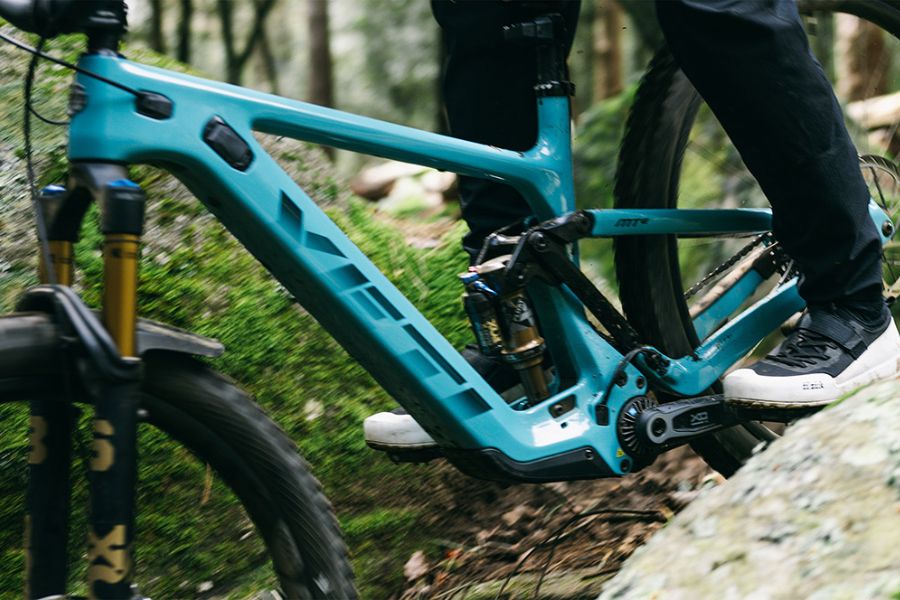
If you are chasing longer rides, battery efficiency comes into play, too. A clean, well-lubed chain and correct tyre pressures can reduce drag and help you squeeze more distance out of each charge. If range is a recurring worry, read how to get more range from your eMTB battery on UK trails after this.
The eMTB maintenance schedule: after every ride, weekly, monthly, and seasonally
Think of the schedule in layers. The small, frequent checks stop the big problems.
After every ride (or every wet ride)
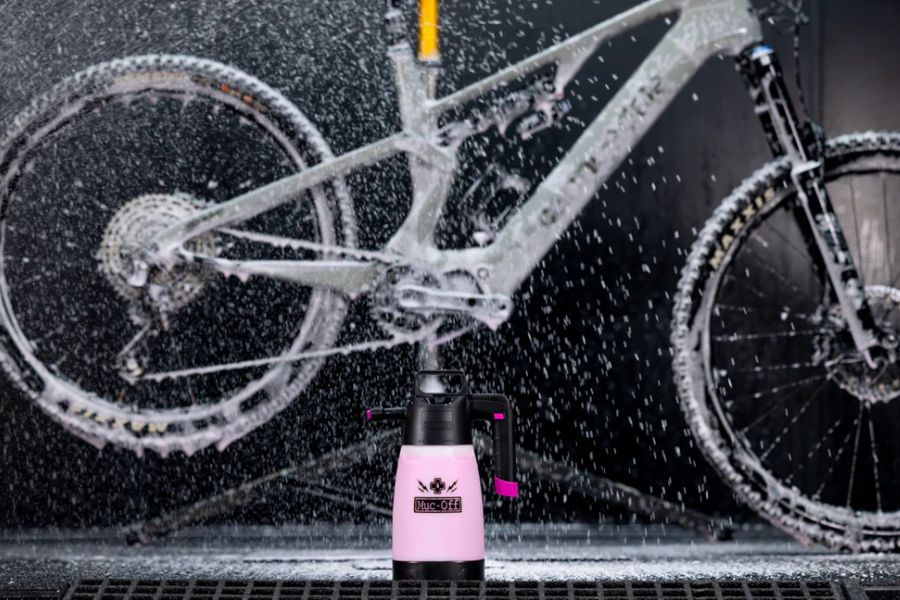
Start with the basics. Rinse off heavy mud with low-pressure water, or better, a bucket and soft brush. Avoid blasting bearings, motor seals, suspension pivots and headset areas. Once the worst grime is off, dry the bike. A quick towel-down does more than people realise, because it stops moisture sitting in bolt heads, around pivots, and on the chain.
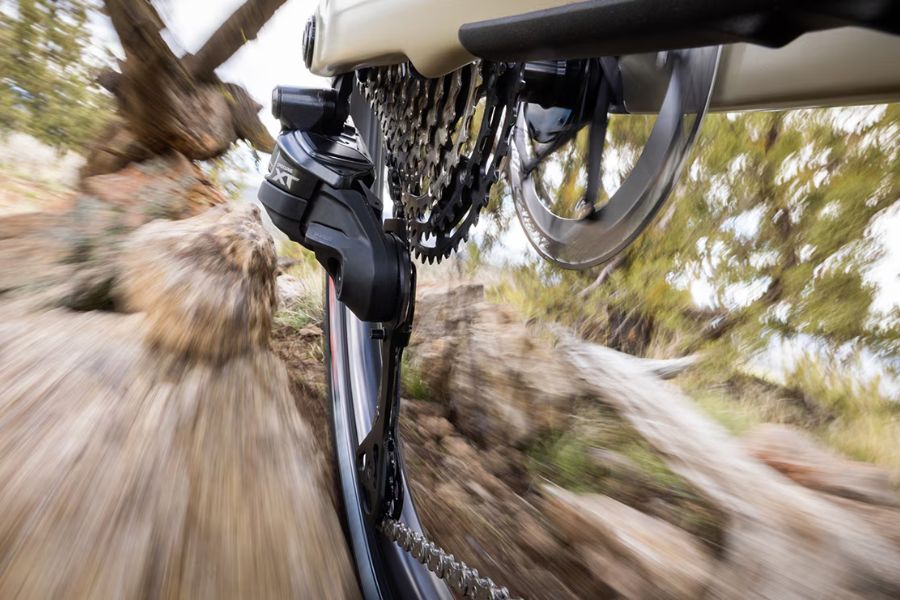
Then deal with the drivetrain. If the chain is visibly wet and gritty, wipe it down and re-lube. The important detail is not “more lube”, it’s removing contaminated grit first. A dirty chain acts like grinding paste and will chew through a cassette quickly, which is why drivetrain wear is one of the most common UK eMTB costs.
Finally, do a two-minute safety scan. Spin the wheels to check they run true, squeeze both brakes to confirm a firm bite point, and look for anything obvious, like a torn tyre sidewall or a loose axle.
Weekly (or every 2 to 3 rides)
Once a week, add a slightly deeper check. Check tyre pressures properly with a gauge. UK conditions change fast, and pressures that felt perfect on a cold, wet ride can feel harsh or vague when the trails dry out. While you are there, inspect tyres for cuts and check tubeless sealant weeping, especially after rocky trail centre rides.
Next, check brake pad thickness. eMTB pads can disappear quickly in winter slop because you brake more often and with more force. Listen for noise changes, too. A sudden squeal, grinding, or a bite point moving can signal contamination or wear.
Also, run your hands over key bolts. You do not need to torque every fastener weekly, but it is worth checking the obvious ones: crank bolts, axle tightness, stem bolts, and suspension pivot hardware if you have a full-suspension bike.
Monthly (or every 10 to 15 hours of riding)
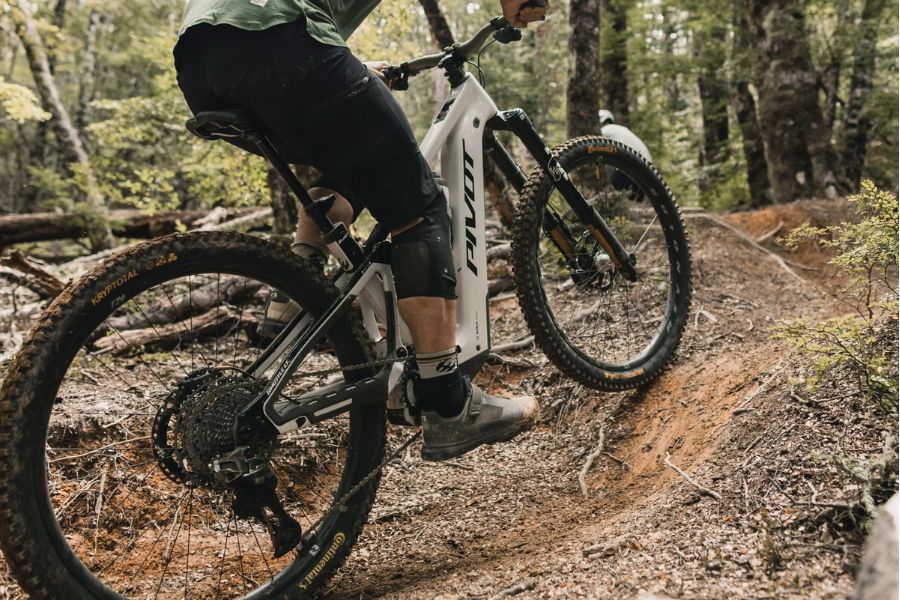
This is where you protect expensive parts. Measure chain wear with a chain checker. Do not wait until shifting feels awful. A chain replaced at the right time is far cheaper than a chain, cassette plus chainring.
It’s also a good interval to clean and inspect the cassette and jockey wheels more thoroughly. Many UK riders find the bike is quiet for the first part of winter, then suddenly feels noisy and rough. That is usually grit build-up and a chain that has worn just enough to accelerate everything else.
Check the wheel bearings by gently rocking the wheel side to side and listening for roughness as you spin. If you feel play, do not ignore it. Bearing issues get more expensive if they damage housings or axles.
Seasonally (winter prep and spring reset)
Before winter, prioritise protection and braking. Fit fresh brake pads if they are already half-worn. Consider a brake bleed if the lever feel is inconsistent, because cold weather can make marginal systems feel worse. Check rotor thickness and make sure rotors are not glazed from overheating on long descents.
Winter is also the time to be realistic about drivetrain life. If you ride every week through mud, accept that chains are a consumable. The riders who spend the least over a year are often the ones who replace chains early and keep cassettes alive.
In spring, do the reset. Strip the bike down enough to clean properly, check pivot bearings for roughness, and refresh suspension settings if you changed pressures for winter grip. This is also a smart time to book suspension servicing if you want the bike to feel sharp for summer.
Motor, battery, and firmware: what you should actually do
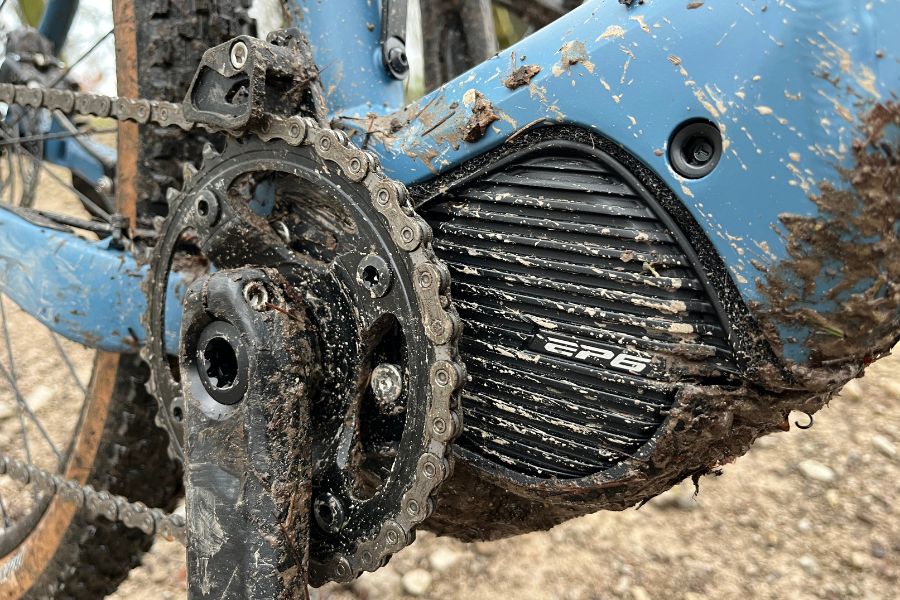
Most modern eMTB systems are reliable, but they benefit from basic care. The first rule is simple: do not spray high-pressure water at the motor area, and do not store the bike wet and cold if you can avoid it. Wipe down around motor casings and linkages, keep ports and covers clean, and check that any rubber seals or charging port covers are seated properly.
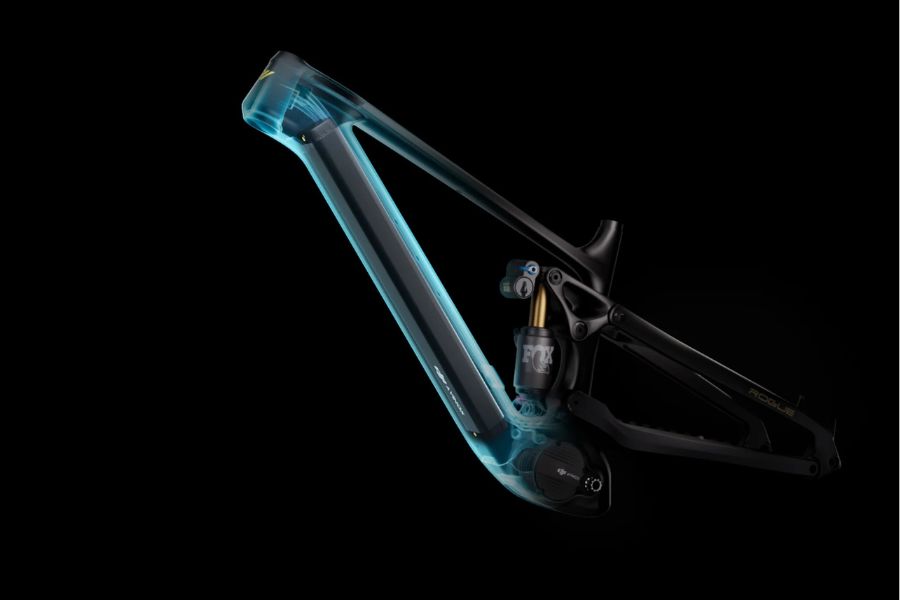
Battery care is mostly about habits. Avoid leaving the battery at 0 percent for long periods, and avoid storing it fully charged for months. If you are riding regularly, keep it simple and consistent, and if you are storing the bike, aim for a sensible mid-charge. For more details, the foundational explainer is eMTB motors and batteries.
Firmware is the modern piece that many riders forget. If your brand supports updates through an app or dealer, keep the system current, especially if you notice glitches or changes in assistance behaviour. Updates can include bug fixes, battery management changes, and refinements to the motor’s response. The practical rule is not “update weekly”, it’s “do not ignore updates for a year and then wonder why the bike behaves oddly”.
Finally, remember legality if you are tempted by anything that changes assisted speed. If you want the clean, UK-safe explanation of where the line is, read UK eMTB law explained before you buy any dongles, apps or “off-road mode” add-ons.
When to book a professional service (and what to ask for)
There is a point where DIY stops being efficient. If your headset feels notchy, your suspension feels harsh, your brake lever comes back to the bar, or your drivetrain skips under load even with a new chain, it is time for a workshop visit.
A useful annual baseline service for a UK eMTB owner usually includes: brake bleed if needed, fresh pads if worn, drivetrain inspection with chain measurement, bearing checks, pivot torque check, and a suspension service based on hours used. If you ride year-round, you may need suspension attention more than once a year, especially if you ride at trail centres hard.
If you are planning to upgrade or replace your bike soon, good maintenance also helps protect its resale value. A clean, quiet bike with documented servicing sells faster and for stronger money, and it is also less stressful to own.
If you are still shopping for your first bike and want a clearer idea of what type of eMTB matches your riding, start with Best eMTB 2026 then narrow down by category: Best full-suspension eMTB 2026 or Best hardtail eMTB 2026. The right bike choice reduces maintenance headaches because it fits how and where you actually ride.