
If you are shopping for an electric mountain bike, it is easy to get dragged into spec-sheet comparisons that do not actually tell you how the bike will feel on a muddy UK climb or a rooty, off-camber descent. Motors are reduced to a torque figure, batteries to a watt-hour figure, and brands talk endlessly about modes, apps, and dashboards. This guide to ‘eMTB motors and batteries explained’ is written to help you make practical buying decisions.
In the real world, the difference between a great eMTB and an annoying one is usually simpler. You want assistance that feels predictable when traction is limited, a battery that delivers the ride length you actually do in British conditions, and a system that is properly supported in the UK for updates, diagnostics and warranty.
We explain how mid-drive motors work, why “more torque” is not always better, how battery capacity translates to real riding, and what ownership details matter once the novelty wears off. If you are new to the category, it is also worth reading our UK access guide, Where can you ride an eMTB in the UK?, because the best electric mountain bike is the one you can ride confidently and legally where you live.
UK legality in 60 seconds: what your motor is allowed to do
In the UK, a road-legal pedal-assist e-bike is expected to meet EAPC rules, which include assistance cutting out at 15.5mph (25km/h) and a motor rated at 250W continuous power. That matters even if you only ride off-road, because it shapes how mainstream motor systems are designed and supported. If a bike is modified to assist above the limit, it moves into a different legal category, with obvious implications for where it can be used.
If you want the official wording, the cleanest reference is GOV.UK: Riding an electric bike, the rules. For battery safety guidance that is relevant to real ownership, GOV.UK: Battery safety for e-cycle users is worth reading once, then forgetting, because the basics are straightforward: use the correct charger, avoid damaged packs, and do not treat charging like an afterthought.
What type of motor do most eMTBs use?
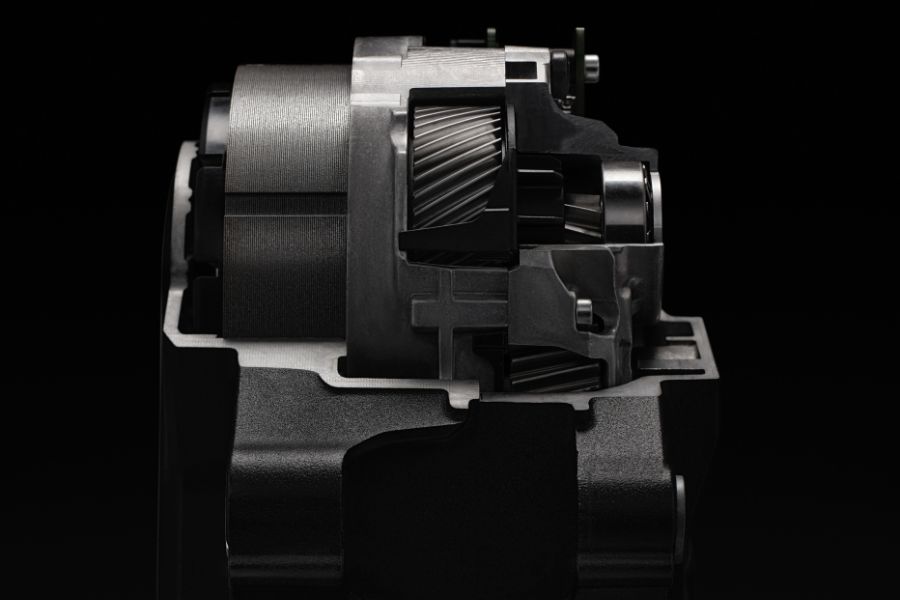
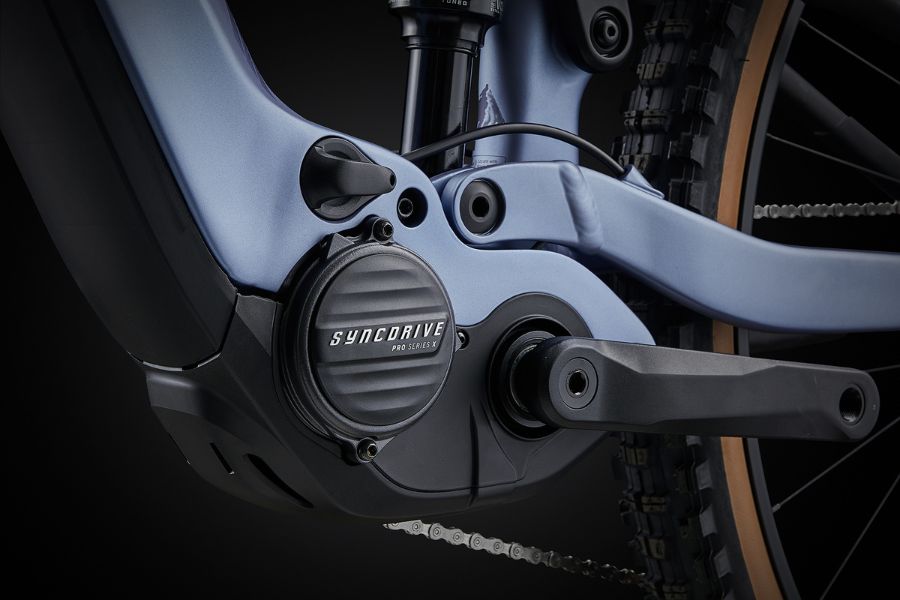
Most modern eMTBs use a mid-drive motor mounted around the bottom bracket. The key advantage is that a mid-drive assists through the drivetrain, which means it can use your gears. That is why a good eMTB climbs so effectively at low speed in steep terrain. You can stay in a sensible cadence, keep traction under control, and let the system work efficiently rather than forcing it to brute-force the hill.
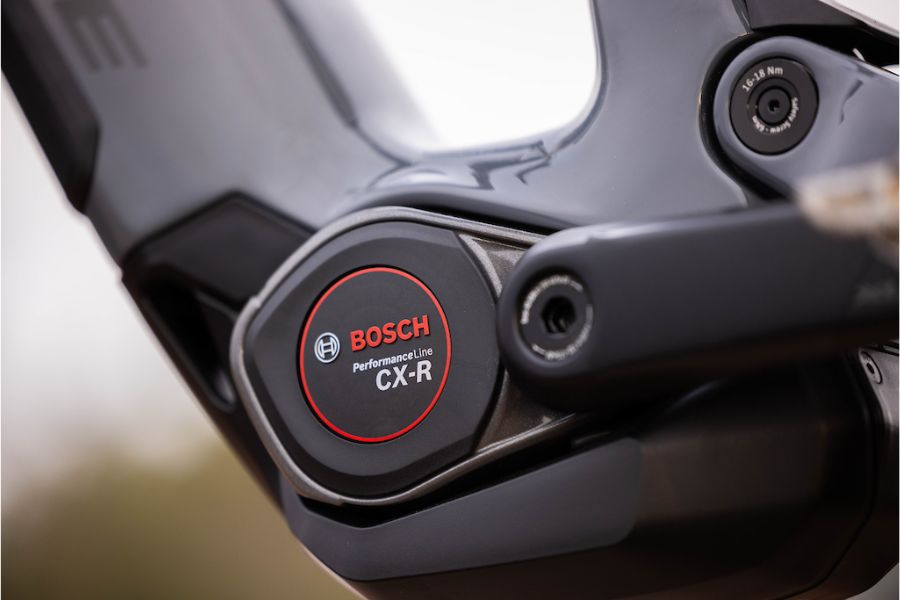
You will still see hub motors on some bikes, but they are rare in proper mountain bike applications because mid-drives generally offer better weight distribution, more natural handling off-road, and more consistent climbing performance when speeds are low and gradients are high. For most riders choosing between mainstream eMTBs, mid-drive is the default. The meaningful differences are not where the motor sits, but how the whole system behaves under real trail load.
What actually makes one eMTB motor feel better than another?
If you take one thing from this guide to eMTB motors and batteries, make it this: headline numbers do not tell you whether the assistance feels controllable.
A genuinely good eMTB motor is predictable at low speed, because eMTB riding is full of low-speed moments. Tight turns, slow technical climbs, awkward roots, rock steps and greasy corners are where the best systems feel calm. You want assistance that builds smoothly, not a sudden punch that breaks traction just as you are trying to place the front wheel.
Noise and vibration also matter more than people admit. Some systems are simply quieter and feel more refined over long rides. It does not make you faster, but it does make the bike feel like a better tool, especially if you ride for two to four hours at a time.
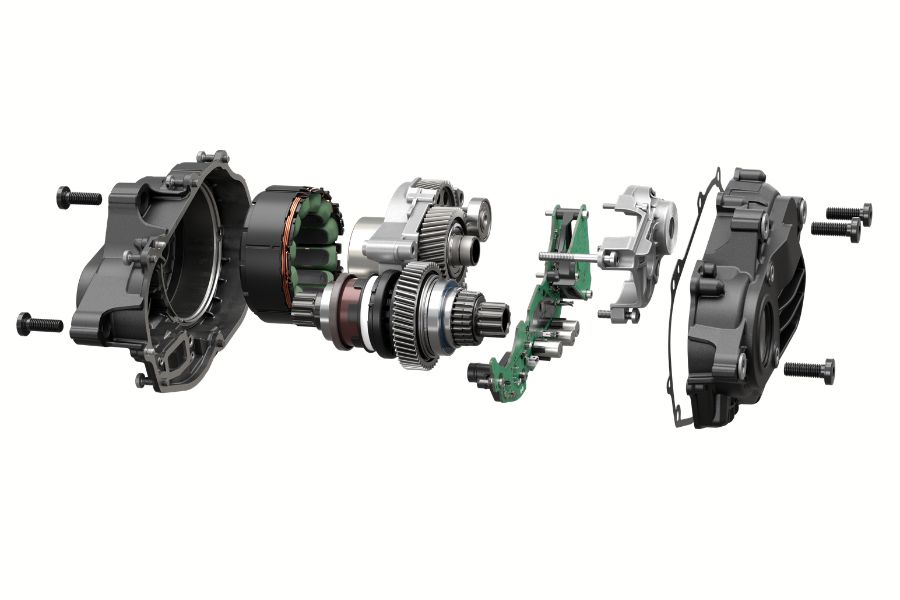
Finally, pay attention to how the motor behaves around the legal assistance limit. UK-legal systems stop assisting above 15.5mph. Some motors fade out smoothly. Others feel abrupt, particularly if you hover around the limit on flatter terrain or fast fire-road transitions. This is one reason proper reviews are often more useful than spec sheets, and why test rides can be valuable if you have the chance.
Torque, power, and why bigger numbers are not everything
Torque (quoted in Nm) is useful because it relates to how strongly the motor can support you on climbs, but it is not a simple “good vs bad” metric.
High torque can be brilliant on steep climbs, especially for heavier riders, riders carrying a pack, or anyone who wants that uplift-like feeling on repeated laps. The problem is that on slippery technical climbs, too much immediate punch can make traction harder to manage. This is where delivery matters as much as peak output. A slightly softer, more controllable motor can feel faster in real UK mud because you spin less, stall less, and keep momentum.
It is also worth separating “maximum output” from “how the bike encourages you to ride”. Some systems feel at their best when you keep cadence up and ride smoothly. Others feel designed to hit hard and get you up anything with less rider input. Neither approach is automatically better, but they suit different people and different terrain. If you are the rider who wants to clean every climb in winter without dabbing, control and traction behaviour can matter more than the last 10Nm.
Full-power vs lightweight eMTB systems
Broadly, eMTBs fall into two camps.
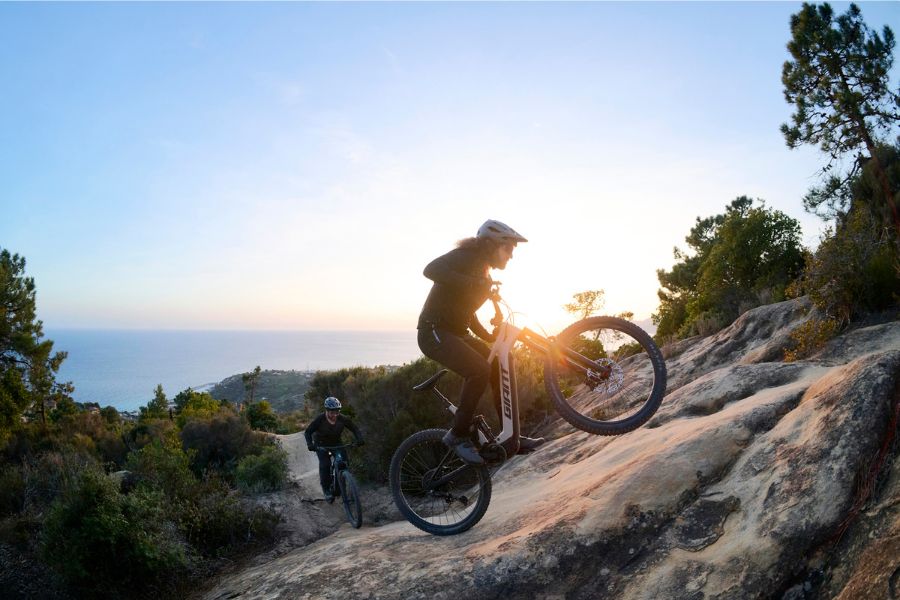
Full-power eMTBs prioritise maximum assistance and long ride range. They are typically heavier, but they make steep climbing and repeated laps feel easy, which is exactly why they work so well for UK trail centres and big winter mileage.
Lightweight (light-assist) eMTBs aim for a more “analogue MTB” feel, with less weight and a subtler push. They can be more engaging to ride, easier to throw around, and more similar to a normal trail bike in tight terrain. The trade-off is that total assistance and total range are usually lower, so you either plan range more carefully or accept that some rides will involve more rider effort.
If you want to see how this plays out in real buying decisions, start with your category guides and work from there: Best beginner eMTB 2026 if you are new to the category, Best full-suspension eMTB 2026 if you want a true trail or enduro platform, and Best trekking and SUV electric mountain bikes 2026 if your riding is genuinely mixed, including commuting, bridleways and rough lanes.
Battery capacity: what Wh actually means for UK riding
Battery capacity is measured in watt-hours (Wh). Think of Wh as your fuel tank size. Bigger numbers usually mean more potential range, but not a guarantee, because range is affected by gradient, rider weight, tyre choice, temperature, terrain drag and how you use assistance modes.
In UK conditions, the biggest range killers are not always the obvious ones. Mud, soft ground and slow rolling winter tyres can sap energy, and cold weather can reduce performance. A battery that feels huge in summer can feel merely adequate in January.
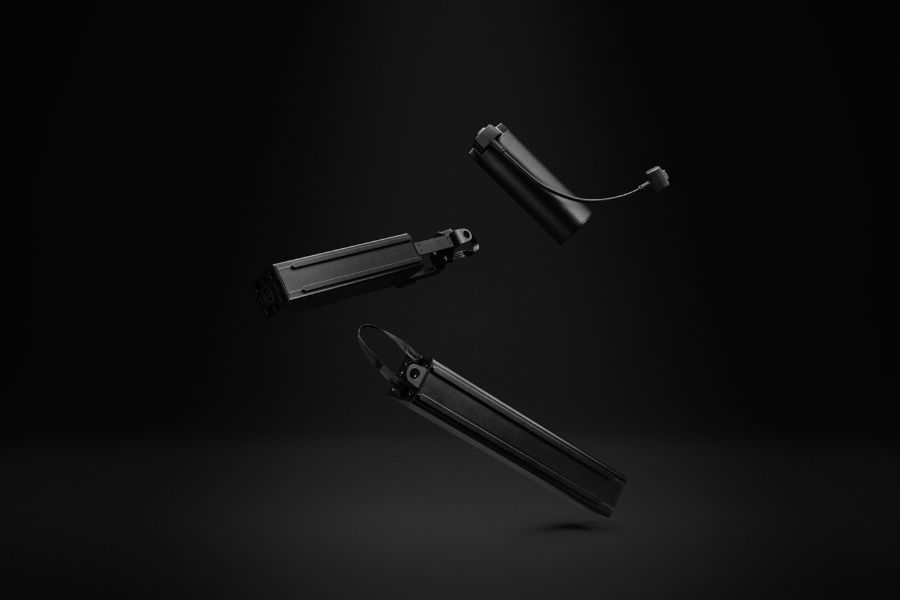
The most useful way to think about battery size is to match it to your typical ride pattern. If your standard ride is a two-hour loop with punchy climbs and you are happy using the middle modes, you may not need the biggest battery on the market. If you routinely do longer days, chase elevation, or ride somewhere that is consistently steep, larger capacity makes sense. If you want a practical guide to stretching what you already have, read How to get more range from your eMTB battery on UK trails, then bookmark it for winter.
If long days are your priority, it is also worth browsing Best long-range eMTB 2026 because it highlights bikes and systems where battery setup is part of the design, not just a big number on a spec sheet.
Removable batteries, charging, and why ownership details matter
Two bikes can share the same battery capacity and still be very different to live with. The big ownership questions are practical: is the battery easy to remove, can you charge it conveniently, and is the charging setup safe and supported?
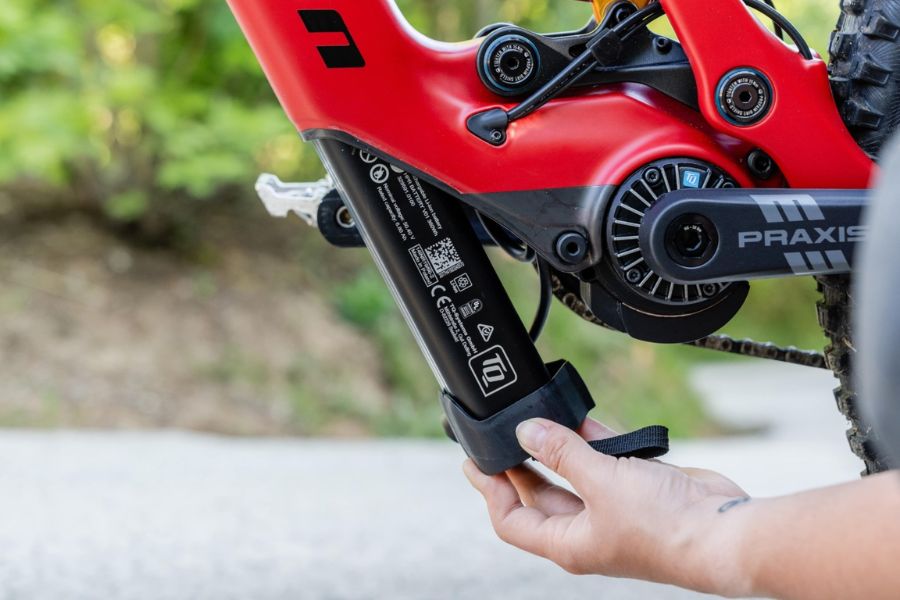
If you live in a flat, keep bikes in a van, or charge away from a garage socket, battery removal can be a deciding factor. Integrated batteries look clean, but convenience matters. It is also worth checking what charger is included and how the brand handles replacement chargers, because this is not the place for cheap third-party guesses.
For a safety baseline, the UK government guidance on charging and battery care is clear, and it backs up the common-sense approach: GOV.UK: Battery safety for e-cycle users.
Range extenders: the flexible alternative to buying the biggest battery
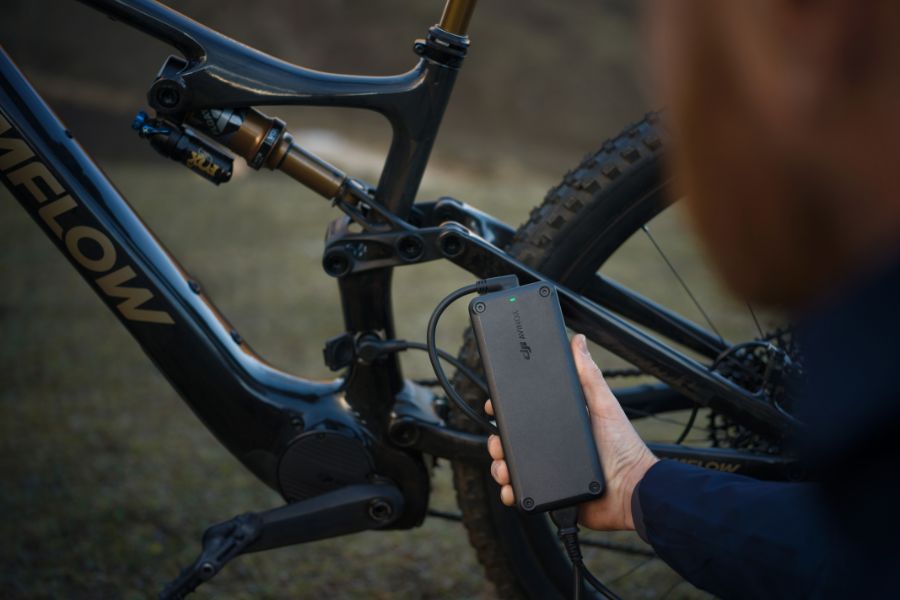
Some systems offer range extenders, which are additional batteries that mount to the bike, often in the bottle cage position. They can be a smart solution if you like the handling of a smaller main battery but want occasional big-day capacity.
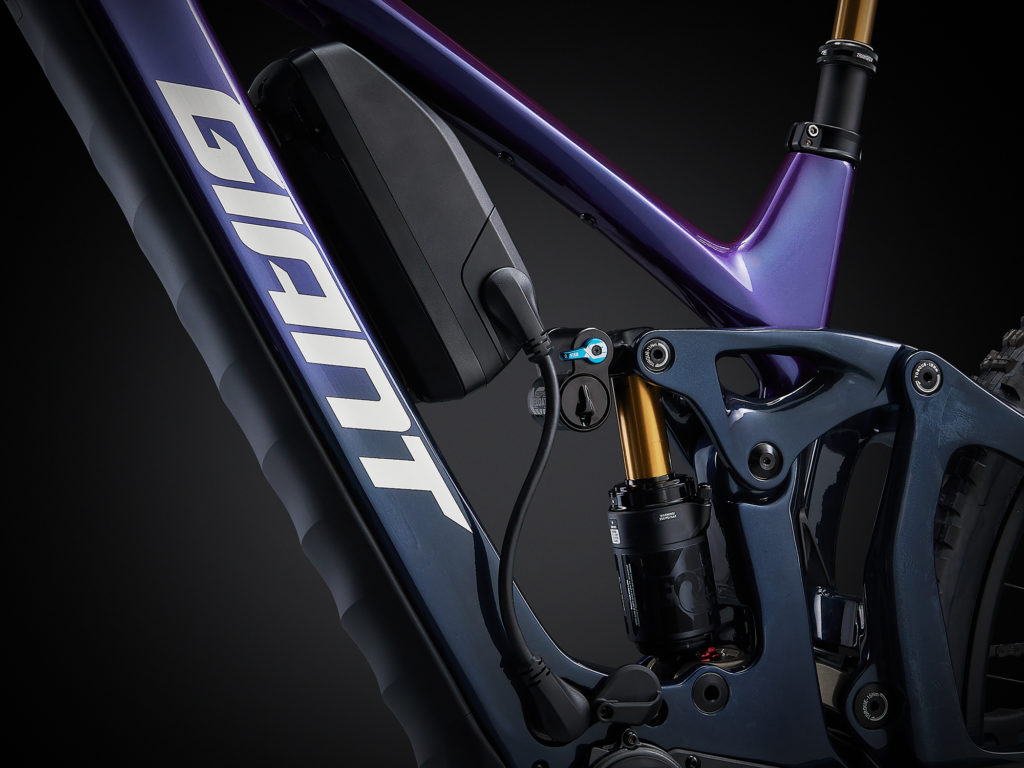
This is an under-rated part of the eMTB motors and batteries conversation because it can stop you buying a heavier bike purely for a handful of long rides each year. If two bikes are close, and one has a well-supported range extender ecosystem, that can be a real ownership advantage.
Modes, apps, and custom tuning: useful, but not essential
Apps and tuning are not the main reason to buy a bike, but they can improve the experience when they are done well.
The practical value is that you can shape the motor to suit UK terrain. A smoother setup can improve traction on wet roots. Dialling down the top mode slightly can extend range without making the bike feel weak. Some riders prefer fewer modes with clearer differences, others like more granular control, but either way, the best result is usually a bike that feels predictable rather than exciting on the driveway.
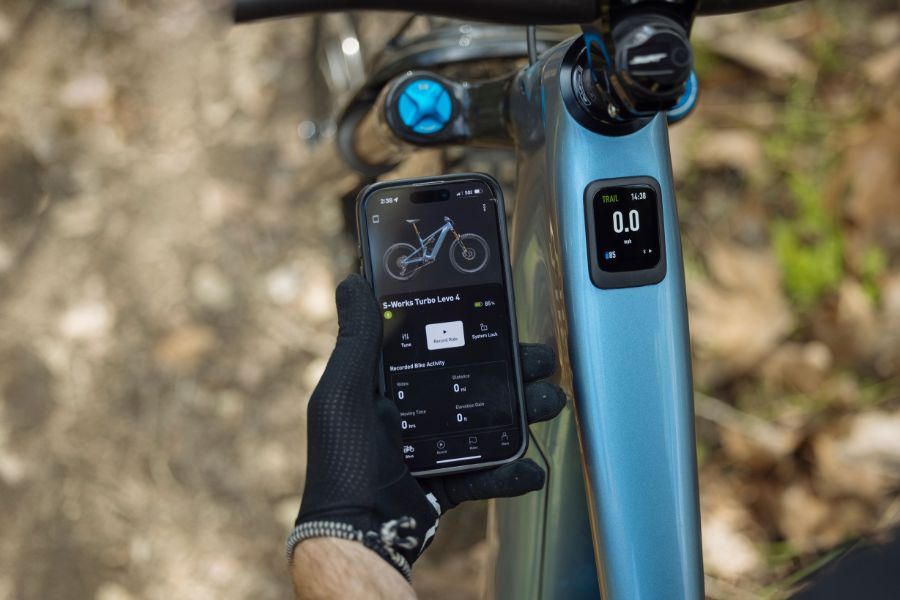
If you ride Bosch Smart System bikes, the control centre is the Flow app, and Bosch’s own help pages explain how the connection works: Bosch eBike Systems: connecting with the eBike Flow app. Shimano’s equivalent ecosystem is E-TUBE, which also covers firmware updates and setup: Shimano: E-TUBE PROJECT Cyclist.
Software updates can also affect buying decisions in the real world. If you want a UK-specific example of how firmware changes can shift the value of an older bike, read Specialized Turbo Levo R vs older Turbo Levo: how the Levo 4 firmware upgrade changes the buying decision.
Battery care basics: what actually helps (without the obsessing)
Battery care is not something you need to micromanage, but a few habits make a difference in UK conditions. Avoid storing a battery empty for long periods. If the bike is stored for weeks, a partial charge is usually healthier than leaving it at 100% indefinitely. In winter, bringing the battery indoors before a ride can help performance, and letting a very cold battery warm up a little before charging is sensible.
For a UK winter-specific guide that goes deeper without turning into folklore, read eMTB battery care in winter: how to protect battery health and keep range strong in cold weather.
A quick buying checklist you can actually use
When you are shortlisting eMTBs, treat the motor and battery as a system, not two numbers. Ask yourself whether the motor is likely to feel smooth and controllable in low-speed UK terrain, not just powerful on paper. Consider whether the battery capacity is realistic for your typical rides, especially in winter. Check whether there is a range extender option if you want flexibility without extra weight all year. Look at whether the rest of the build makes sense for eMTB speed and mass, particularly brakes and tyres, because a strong motor can highlight weak components fast.
If you are buying second-hand, read Used eMTB buying checklist: how to buy second-hand with confidence, avoid expensive surprises, and spot the red flags. If you ride year-round in wet grit, you will also save money by understanding wear: start with eMTB drivetrain wear explained and eMTB brake pads and rotors: what lasts, what works in wet grit, and how to stop burning through pads.
eMTB motors and batteries: FAQs
Do I need the highest torque motor for UK riding?
Not necessarily. High torque can help on steep climbs, but controllable delivery often matters more in wet, technical UK conditions where traction is the limiting factor.
Is a bigger battery always better?
No. Bigger batteries can add weight and change handling. The best battery capacity is the one that matches your normal ride length, with enough margin for winter and bigger days.
What is a range extender and is it worth it?
A range extender is an extra battery you can add for longer rides. It is worth considering if you want a lighter-feeling bike most of the time but occasional big range.
Do apps and tuning really matter?
They are not essential, but good tuning can improve traction, smoothness and range. The bigger factor is whether the system is well-supported for updates and diagnostics in the UK.
What should I prioritise when comparing two similar eMTBs?
Prioritise motor controllability, realistic range for your riding, and ownership support. Then check brakes, tyres and overall build quality, because those determine how confident the bike feels once you start riding harder.