Electric mountain bikes have reached an interesting point. Power and range still matter, but the most exciting eMTB trends for 2026 are less about headline numbers and more about how an eMTB behaves as a mountain bike when the trail is steep, wet, rooty, and slow-speed technical — which, realistically, describes a lot of UK riding. The category has matured, riders have become more discerning, and brands are being pushed to refine the things you feel on every ride: natural assistance, quiet motors, balanced chassis design, predictable battery performance and, crucially, fewer ownership headaches.
That is the lens we’re using here. These are not predictions of specific model launches. They’re the five electric mountain bike trends for 2026 that we’re most excited about because they genuinely change the day-to-day experience of riding an eMTB in the UK.
A lot of this also connects with what we’re building at Electric MTB UK. If you have not already, it is worth a look at our growing UK bike park and trail centre directory, because the best eMTB in the world is only as good as the riding you can access and the facilities you can plan around.
1 – Lighter-feeling eMTBs that still ride like “proper” mountain bikes
Lightweight eMTBs have proved a point: plenty of riders do not need maximum power all the time, they want a bike that feels easier to place, calmer in tight turns, and less tiring over a long ride. But one of the biggest eMTB trends for 2026 is that the idea should spread beyond a niche category.
What we want to see is a broader range of electric mountain bikes that feel like mountain bikes first — not just lighter on a scale, but lighter in the way they steer, accelerate, and recover when you get slightly offline. In real UK conditions, that “lighter-feel” often comes down to balance and suspension tune as much as it comes down to weight. Bikes that are well designed do not need you to compensate for them; they reward normal MTB technique and feel composed when the climb is awkward and traction is limited.
Motor choice sits inside this, too. Systems from major players like Bosch eBike Systems and Shimano are increasingly judged on ride feel, response and integration — not just torque. That’s a healthy shift, and it should make the best electric mountain bikes of 2026 feel more intuitive, not more complicated.
2 – More honest range — and batteries that are easier to live with
Range will always be part of the eMTB buying decision, but electric mountain bike trends for 2026 are moving towards something more useful than big claims: predictability. UK riders deal with cold weather, mud, stop-start climbing, and long periods of torque load — all of which can expose the gap between marketing range and real range.
So what we’re excited for is battery performance that feels easier to trust: clearer estimates, better efficiency across modes, and less surprise drain on long technical climbs. In practical terms, we also want to see more thought put into ownership basics: batteries that are easier to remove when you need to charge indoors, better sealing for year-round riding, and range extender options that do not feel like an afterthought.
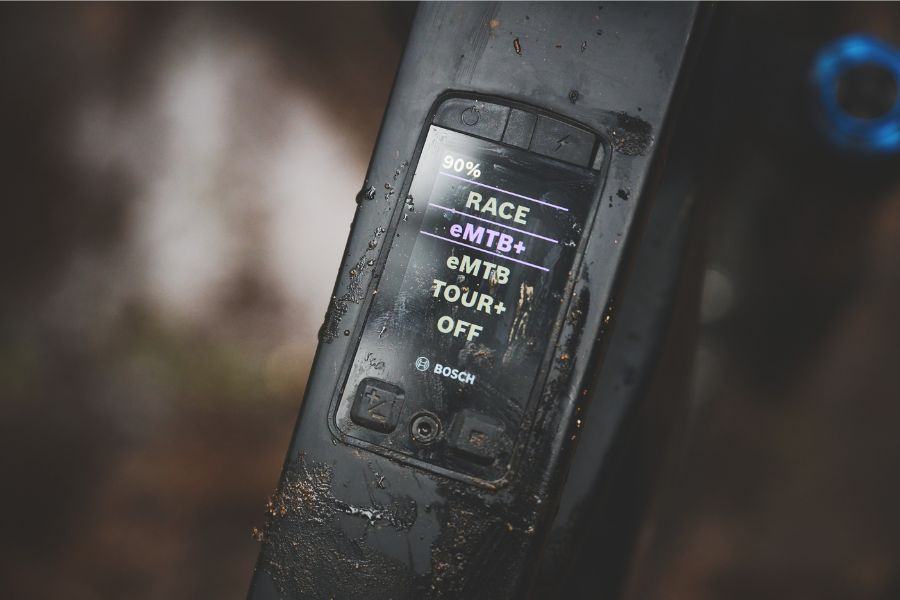
If eMTB tech in 2026 improves in this area, it makes planning rides simpler. And that is a bigger quality-of-life upgrade than most riders realise until they’ve owned a bike that keeps them guessing.
3 – Drivetrains and components that survive eMTB torque (especially in winter)
If there’s one area where the UK is brutally honest, it’s component durability. eMTBs ask a lot from drivetrains: torque loads, long climbs under tension, and then months of grit and slurry that turn maintenance into a routine rather than an occasional job.
One of the strongest eMTB trends for 2026 should be durability becoming a selling point again. That means drivetrains that shift more reliably under load and do not become noisy after a handful of wet rides. It also means frames designed with proper chain management and protection, because chain slap, poor guides and minimal protection can make even a premium eMTB feel cheap once the trails get rough.
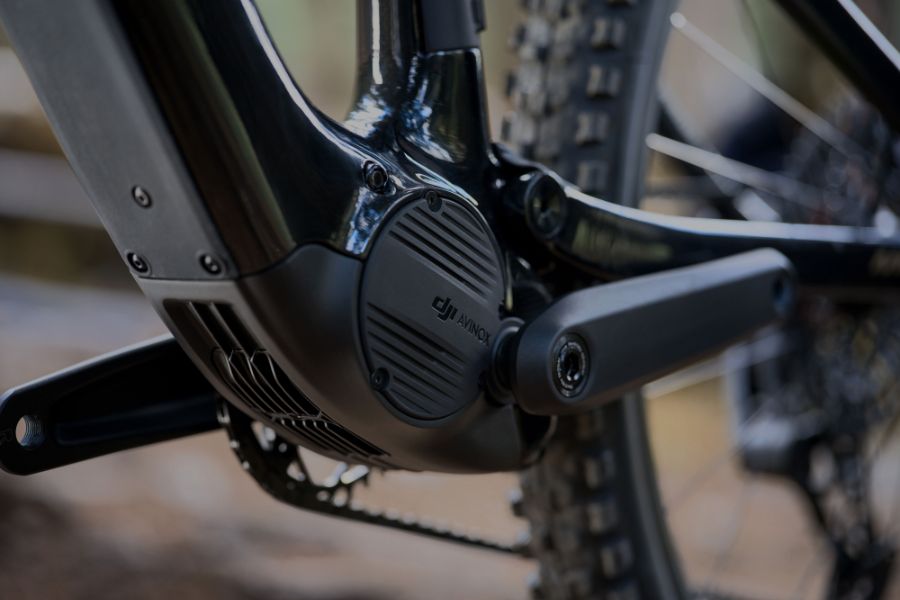
We also expect the gearbox and belt-drive conversation to keep building momentum, because it tackles the same problem from another direction: reduce exposure, reduce wear and keep performance consistent. Brands like Gates Carbon Drive and gearbox specialists such as Pinion sit inside that longer-term trend. It will not be mainstream overnight, but the direction is clear: fewer consumables, less fuss, more riding.
4 – Better servicing and parts support becoming part of the “product”
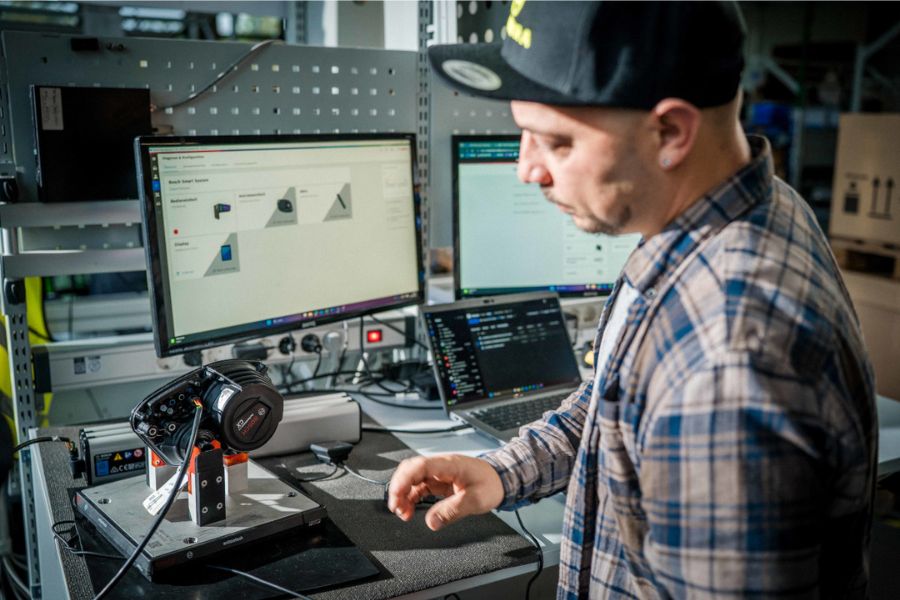
This is not exciting in an Instagram sense, but it’s exciting in a “my bike is actually usable” sense. As electric mountain bikes become more common — and more expensive — after-sales support has to improve. Riders are not buying a motor and a battery; they are buying into a support system: diagnostics, firmware updates, replacement parts, warranty handling and dealer capability.
That is why we’re paying attention to service and support as a key part of eMTB trends for 2026. Industry moves like Bosch taking full ownership of MBPS (the parts and service joint venture) signal that the big players understand this. If you missed our explainer, it’s here: Bosch hasn’t bought Magura — but it has taken full control of MBPS.
And if you’re new to the site, you can read our editorial policy and see how we fund Electric MTB UK — because it matters that our coverage is independent when we talk about brands, product ecosystems and industry direction.
5 – More clarity on where eMTBs are welcome — and better UK riding information
The final thing we’re excited for in 2026 has nothing to do with components. It’s access and clarity. The UK has never had more eMTBs, but riders still run into confusion around where assisted bikes are welcome, what the venue expectations are, and what facilities are actually on site. That uncertainty often puts people off travelling to ride, or creates friction that is avoidable with better communication.
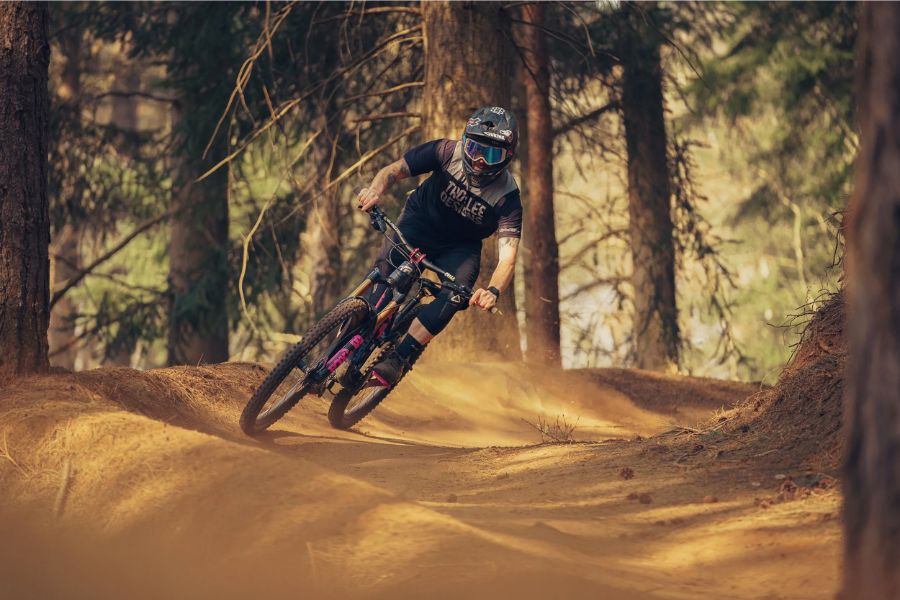
In 2026, we want to see more venues being clear and consistent — and we want riders to have better information at their fingertips. That is exactly why we’re building the Electric MTB UK bike park and trail centre directory. It is designed to help eMTB riders plan properly, understand what they’re turning up to, and make better decisions about where to spend their time.
Put simply, the eMTB trends 2026 that matter most are the ones that add up to the same outcome: fewer interruptions, less faff, and electric mountain bikes that feel like mountain bikes in the conditions we actually ride.