
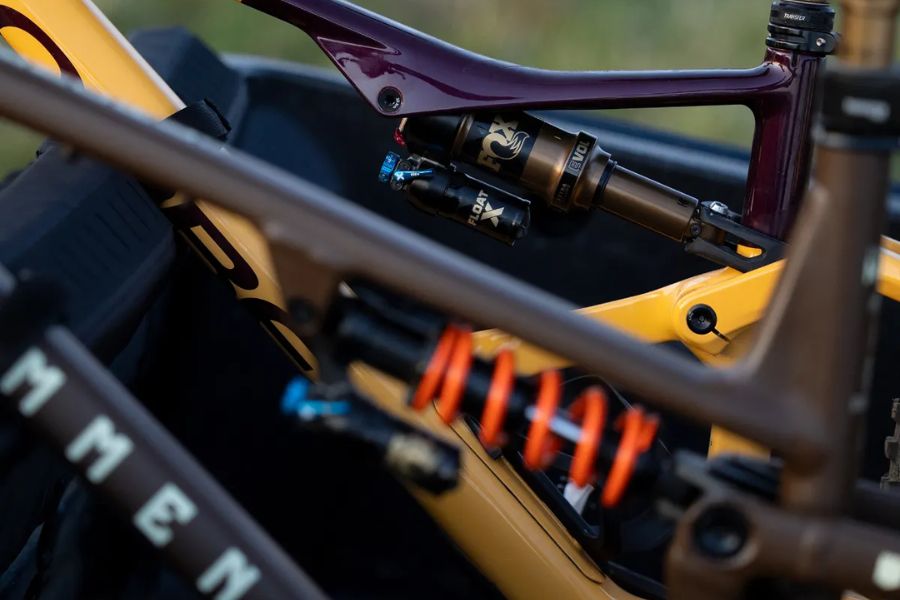
FOX has unveiled a major update to its trail and all-mountain rear shocks, with the latest FLOAT X, DHX and their Live Valve Neo variants all receiving internal changes aimed at boosting sensitivity, support and rear-wheel grip. The announcement, published by Silverfish UK, centres on FOX bringing more of its X2-level suspension feel into lighter, simpler trail-focused packages.
For Electric MTB UK readers, this matters because modern full-suspension e-MTBs are now ridden harder than ever. Whether it is a full-power bike like the latest Specialized Turbo Levo range or a more agile lightweight machine, rear suspension has to deal with more mass, more repeated hits and more technical climbing than many analogue bikes. That means a shock which can improve grip without sacrificing mid-stroke support is immediately relevant to the way e-MTBs are actually being used in the UK.
More grip and support where e-MTB riders need it
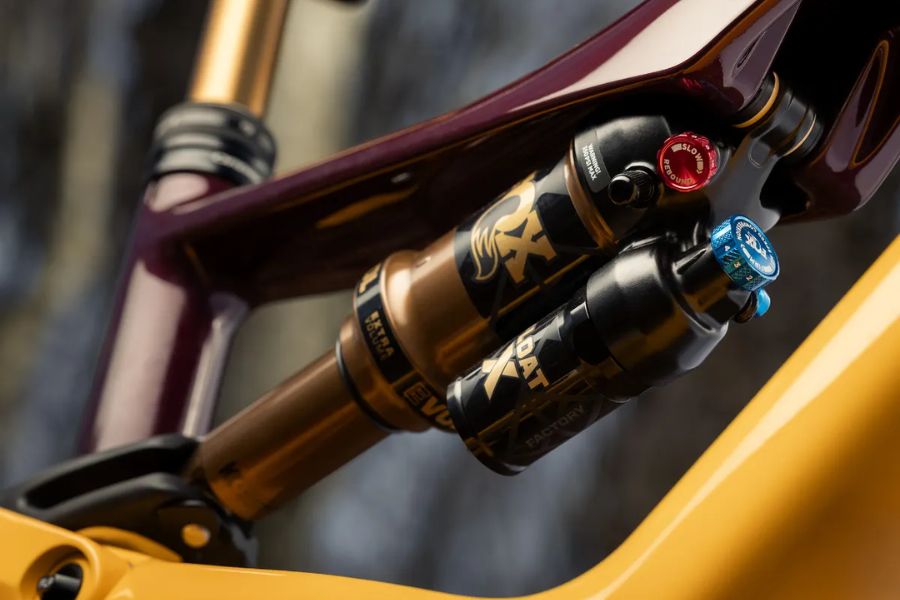
According to FOX, all four models in the X family of trail and all-mountain shocks have been redesigned internally. The brand says it wanted to bring as much X2-level performance as possible into smaller, lighter and easier-to-use trail platforms. The updated shocks feature new base valves and main piston assemblies, with a revised high-flow piston design claimed to improve sensitivity, support and rear tyre grip.
That could make a genuine difference on an e-MTB. One of the key challenges with electric mountain bikes is balancing comfort and control with the need to keep the bike composed under extra weight and power. On steep, awkward climbs, better shock sensitivity can help the rear tyre stay connected to the ground for improved traction. On descents, more support through the stroke can stop the rear end from feeling wallowy or overwhelmed when speeds rise and trail impacts start stacking up.

That is especially relevant if you have been reading our guide to the best full-suspension electric mountain bikes or following how newer bikes are becoming more capable, more powerful and more tuneable. We have already seen that trend in areas like motor software through the recent Specialized Turbo Levo 4 firmware update, and suspension is clearly moving in the same direction.
Coil still matters on electric mountain bikes
The updated DHX is particularly interesting for aggressive e-MTB riders. Coil shocks have long had a loyal following on heavier, harder-ridden bikes because of the way they deliver traction and consistency over rough ground. FOX is leaning into that with the new DHX, positioning it as the choice for riders who want a more planted, ground-hugging feel on the trail.
That is hardly a surprise in the e-MTB world. Plenty of electric mountain bikes, especially in the long-travel trail and enduro space, already suit the character of a coil shock. Added bike weight can work well with a coil-sprung setup, particularly for riders focused on descending confidence and repeatable performance over long, rough rides. If FOX has genuinely improved small-bump sensitivity and support at the same time, the DHX could become an even more appealing upgrade option for riders who feel their current rear suspension is giving away traction or composure.

Live Valve Neo adds another layer
The other part of this launch is the continued expansion of Live Valve Neo. FOX says the system reads terrain inputs 400 times per second and can switch between damping states in 1/70th of a second, with both FLOAT X and DHX available in Neo-equipped versions.
For e-MTB riders, that could be a compelling proposition. Electric mountain bikes often cover a huge range of terrain in a single ride, from fire road climbs to technical singletrack descents and stop-start punchy trail centres. A system that can offer firmer support when efficiency matters, then quickly open up when the trail gets rough, fits neatly with how many riders are using their bikes today. It is the same kind of practical performance thinking that also underpins advice around getting more range from your e-MTB battery, where efficiency and control often go hand in hand.
The wider takeaway is that FOX is not treating trail suspension as a second-tier category. These latest FLOAT X and DHX updates suggest the opposite. Trail and all-mountain bikes, including e-MTBs, are now expected to do more, go faster and stay composed for longer. From that perspective, this looks like a meaningful update rather than a minor refresh.
For riders looking to sharpen up the rear end of a modern electric mountain bike, the new FOX trail shock range looks like one worth watching closely.