
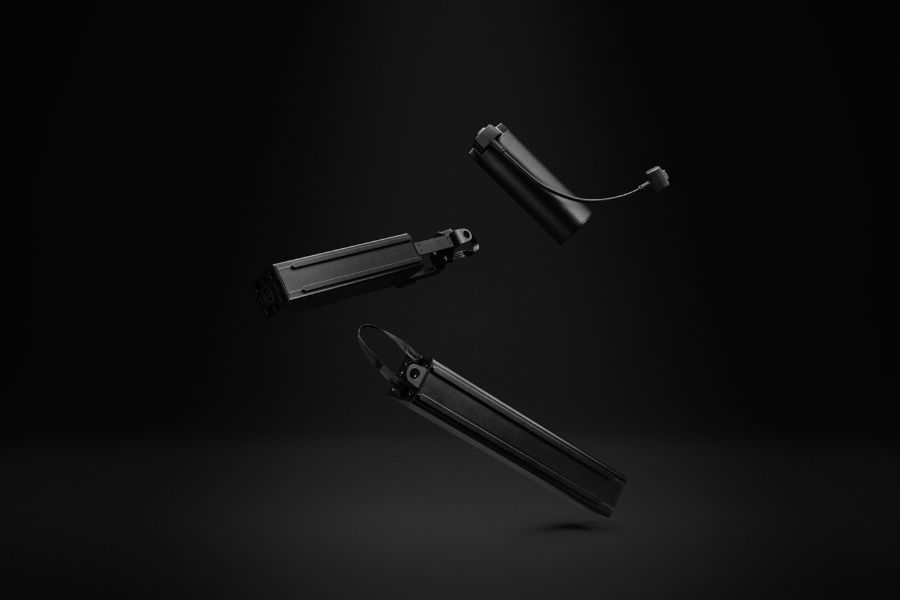
Range anxiety is real on an e-bike, and it is rarely just about battery size. UK riding tends to combine steep, punchy climbs with wet, draggy surfaces for a good chunk of the year, and cold weather can make everything feel harder work. Put simply, your e-MTB battery range is shaped as much by terrain, setup and riding habits as it is by the watt-hour number on the down tube.
The good news is you can improve e-MTB battery range without spending a penny. A few changes to tyres, drivetrain condition, assistance habits and cadence can make a meaningful difference, particularly on longer rides or winter trail missions. If you want the foundations first, start with eMTB motors and batteries explained because range always comes back to how the motor delivers support and how you use it.
What actually drains e-MTB battery range on UK trails
If you want better e-MTB battery range, it helps to understand the biggest drains. The motor uses the most energy when it has to produce high torque for sustained periods. That usually means steep climbing, riding in a hard gear at low cadence, pushing through thick mud, or sitting in maximum support even when the gradient does not justify it.
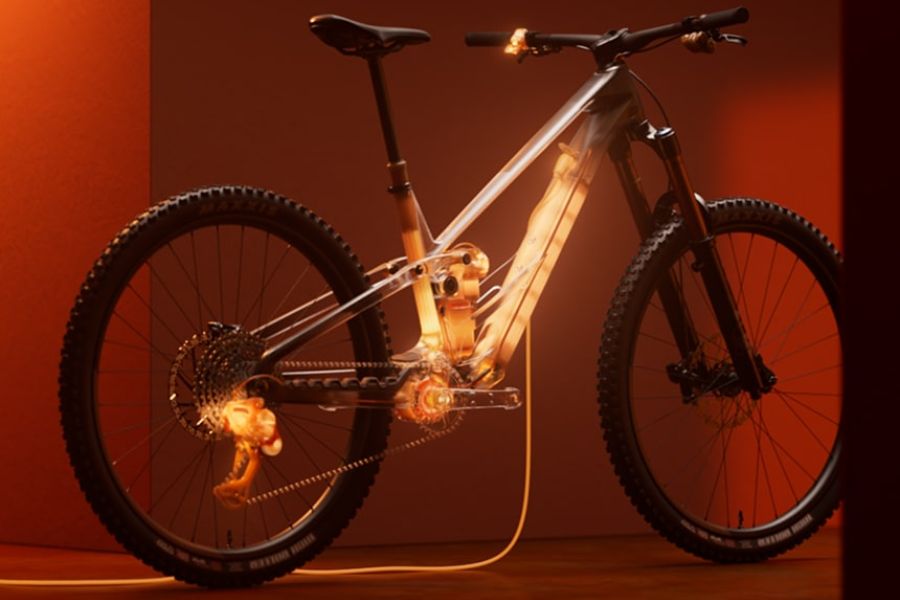
Winter adds another layer. Cold temperatures can reduce usable performance, and soft ground plus winter tyres increase rolling resistance. None of this is a reason not to ride, but it does explain why “summer range” and “January range” can feel like two different bikes. If you ride a Bosch-equipped eMTB, Bosch’s own overview of real-world factors is worth a quick skim.
Finally, rider behaviour is the biggest variable. High assistance, lots of elevation, soft tyres at low pressures, and stop-start riding is the perfect recipe for shrinking e-MTB battery range quickly. The same bike ridden smoothly in a sensible mode, with deliberate gearing, can go much further.
Start with the easy wins that improve e-MTB battery range
The quickest gains are often the boring ones, because they reduce drag. Tyres are the quiet range killer. Super-soft pressures, ultra-sticky compounds and heavy casings all add resistance. You should never choose tyres purely for range, grip and control come first, but you can avoid unnecessary losses by matching tread and casing to the conditions. A full mud tyre on the rear when the trails are firm is often wasted effort, and it will cost you e-MTB battery range for no real benefit.
Drivetrain condition is another free gain. A dirty chain and gritty cassette add resistance, and on an e-bike you are often pedalling under load for longer, which makes small efficiency losses add up. If you want the ownership angle that saves money as well as battery, read eMTB drivetrain wear explained. A clean, well-lubed drivetrain does not only help e-MTB battery range, it helps components last.
Brake rub is the silent one that catches riders out. If you have just fitted pads, swapped wheels or clipped a rotor, a tiny amount of drag can make the bike feel like it is “suddenly short range”. If braking setup is part of your range story, eMTB brake pads and rotors for UK riding is for you
Assistance modes: the simplest way to extend e-MTB battery range
A lot of riders treat Turbo as the default and then wonder why e-MTB battery range is poor. The trick is to use high modes as a tool, not a lifestyle. On UK trails, the biggest benefit of high assistance is usually steep technical climbs and short punchy ramps where traction and momentum are the limiting factors. If you are using maximum support on flat fire roads or gentle gradients, you are spending battery without gaining much time or enjoyment.
A practical approach is to ride most of the day in a lower mode, move up a mode for sustained climbs, and use the highest mode only when it genuinely improves control or keeps you moving. If your system supports custom tuning, smoothing delivery can help traction on slippery climbs and reduce those energy spikes that eat into e-MTB battery range.
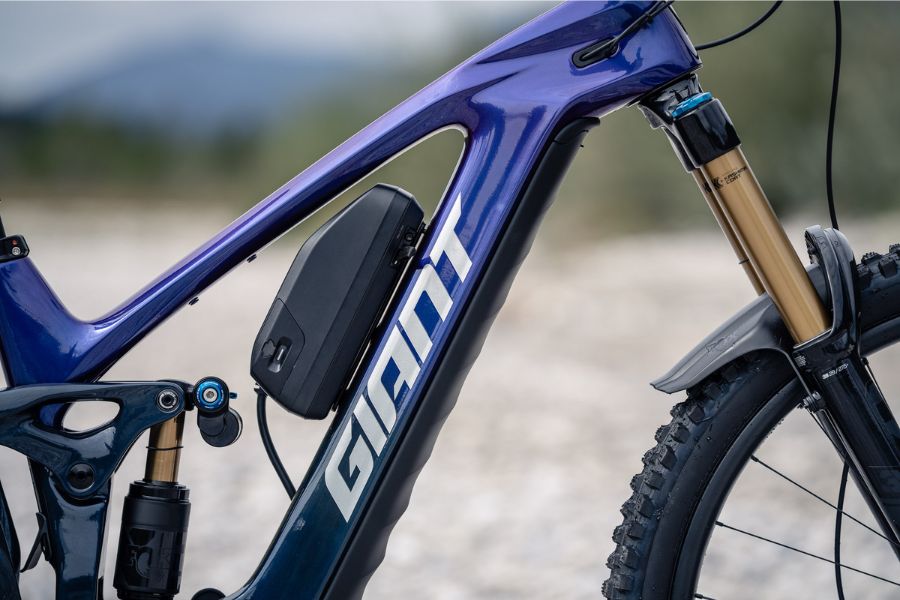
If you are choosing a bike specifically for big days, it is also worth comparing the bikes designed around capacity and efficiency rather than assuming a bigger number solves it. Start with Best long-range eMTB 2026.
Cadence and gearing: the underrated e-MTB battery range multiplier
Grinding up climbs in a hard gear at low cadence is one of the fastest ways to drain a battery, because it forces the motor to produce high torque at low motor speed. Most systems are happier when you spin a little more than you think you need to. Shifting earlier, keeping cadence steady and avoiding the “big gear mash” on steep ramps can make the bike feel smoother and extend e-MTB battery range.
On technical climbs it is tempting to push a bigger gear for stability, but if you can keep cadence up in an easier gear you often get a double win. The motor assists more efficiently, and you are less likely to break traction and waste energy in wheelspin.
Ride smoother to ride further: momentum saves e-MTB battery range
Efficiency is not only about the motor, it is about how often you force the whole system to accelerate from low speed. Every stop-start moment costs battery. That does not mean riding timidly, but it does mean thinking about momentum. Read the trail ahead, carry speed through corners, and choose lines that keep the bike rolling rather than repeatedly bogging down and powering back up.
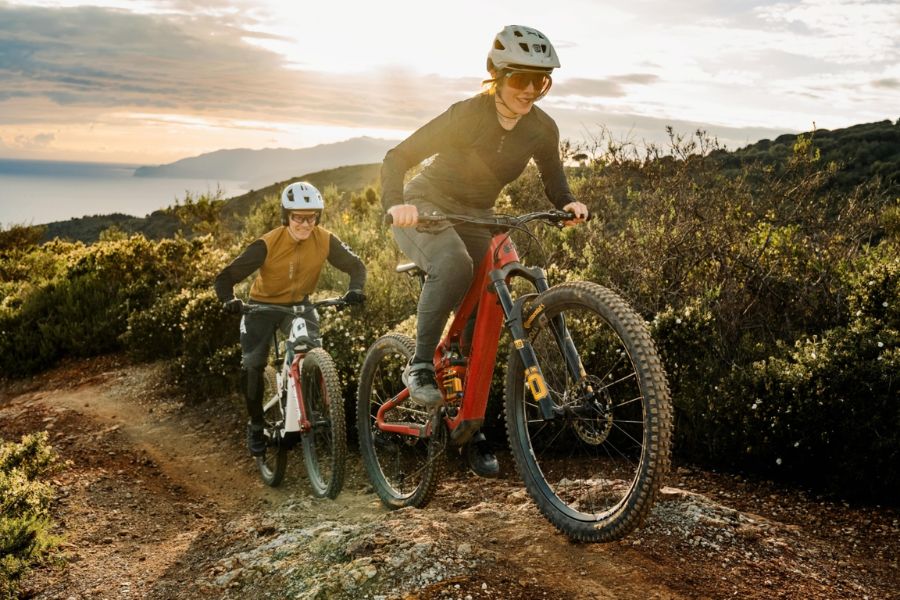
Wheelspin is another sneaky drain. If the rear tyre is spinning on a muddy climb, the motor is working hard but you are not converting that energy into forward motion. Dropping a mode, smoothing your pedal stroke and finding firmer ground can get you up the climb with less battery used, which is exactly what better e-MTB battery range looks like in practice.
Winter e-MTB battery range: what changes and what to do about it
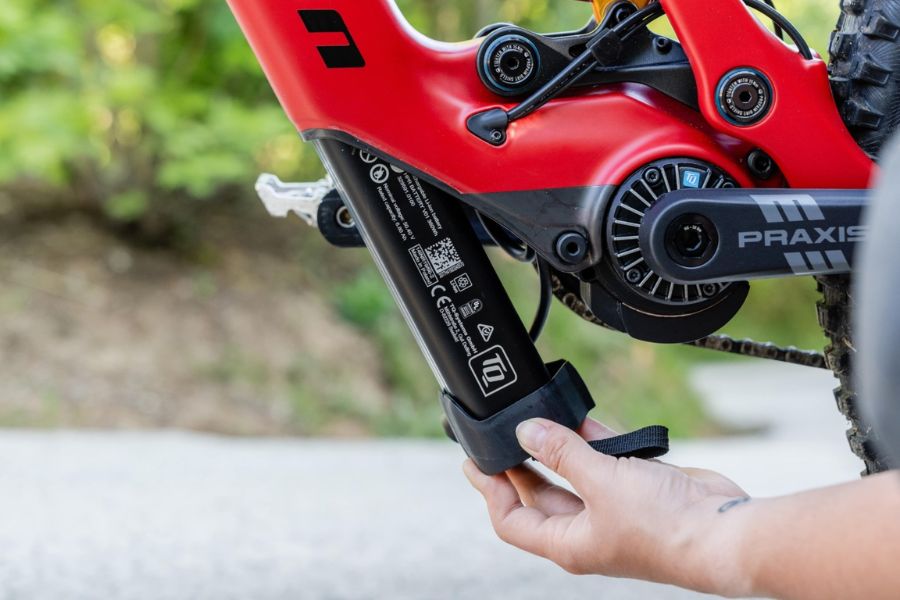
In cold UK conditions, the simplest advice is to start the ride with a battery that is not freezing cold. If your eMTB lives in a shed or garage overnight, the battery begins the ride at a disadvantage. Bringing a removable battery indoors before a ride, then fitting it shortly before setting off, can help winter e-MTB battery range feel more consistent.
After the ride, avoid charging a battery that is genuinely cold-soaked straight away. Let it come closer to room temperature first, then charge. This is good practice for long-term battery health as well as day-to-day performance. For the UK safety baseline, it is worth reading Battery safety for e-cycle users.
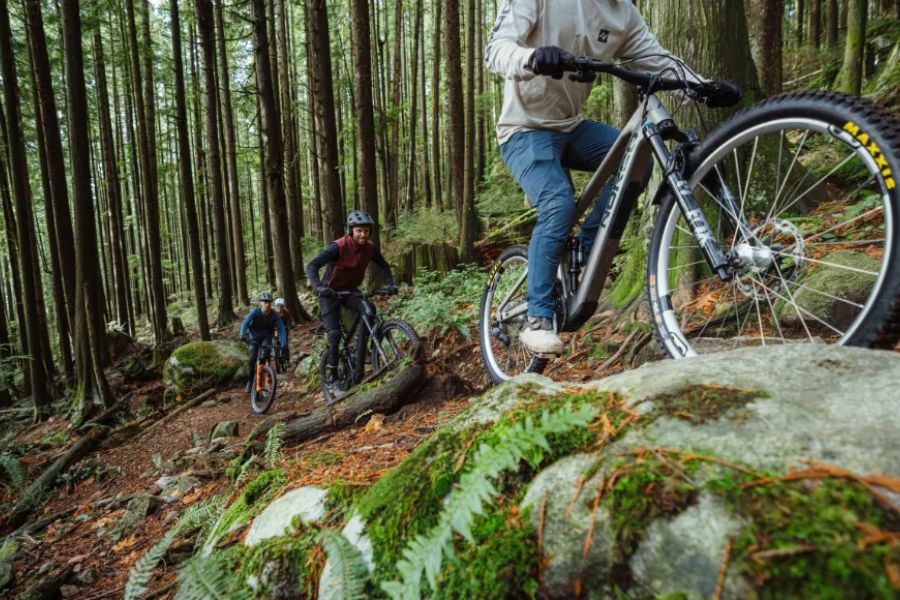
If you want the winter-specific ownership habits in one place, read eMTB battery care in winter (UK) and link it with the maintenance basics in eMTB maintenance schedule.
A simple range planning rule that actually works
If you want a quick planning method, think in terms of battery capacity versus how hard the ride will be. Elevation, surface drag and how much time you spend in high assistance will dictate your real-world e-MTB battery range.
The move that saves most rides is being conservative early. Use lower modes for the first half, keep cadence up, and only spend battery aggressively when it genuinely improves the riding. If you finish the first half with more battery than expected, you can always turn it up later. It is much harder to do the opposite.
When it’s not you: battery age, software, and system health
If your e-MTB battery range has suddenly dropped, check the basics before blaming your riding. Tyres wearing into a slower tread, brakes rubbing, a contaminated drivetrain, or a wheel that is not spinning freely can all make an eMTB feel “short range” overnight.
Software updates can also change motor behaviour. Sometimes it is an improvement, occasionally it simply feels different. If your bike offers diagnostics through an app or a dealer, it is worth checking battery health and error logs if something feels off.
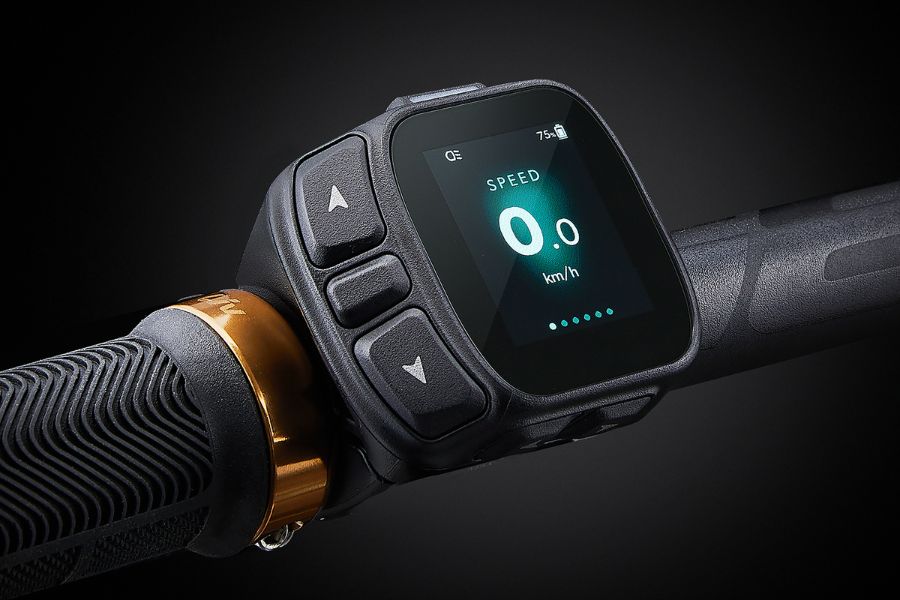
Finally, be realistic about battery ageing. Over time, batteries lose capacity. If your bike is several years old and range is declining despite good habits, it may simply be normal ageing. That is when a range extender, if your system supports it, or a replacement battery becomes the sensible upgrade path.
If you are buying second-hand and range is a major concern, read Used eMTB buying checklist before you hand over money, because battery condition is where used bargains can become expensive.
e-MTB battery range FAQs
Does a bigger battery always mean better e-MTB battery range?
A bigger battery usually increases potential range, but terrain, tyre choice, temperature and assistance habits still dominate. A badly set up bike with heavy drag can burn through a large battery quickly.
What is the quickest way to improve e-MTB battery range?
Use assistance modes more deliberately, keep cadence higher on climbs, and reduce drag by keeping the drivetrain clean and tyres appropriate for conditions.
Why is my e-MTB battery range worse in winter?
Cold reduces performance and UK winter trails add drag. The battery starts colder, the ground is softer, and you often ride in higher assistance because everything feels harder.
Should I carry a charger or a spare battery?
For trail riding, most riders plan the loop and manage modes rather than carrying a charger. If your system supports a range extender, it can be a cleaner solution for occasional big days without adding weight all year.
How do I know if my battery is ageing or if it’s my setup?
If range drop is sudden, suspect setup and drag first. If range is gradually declining across all seasons, battery ageing becomes more likely.