
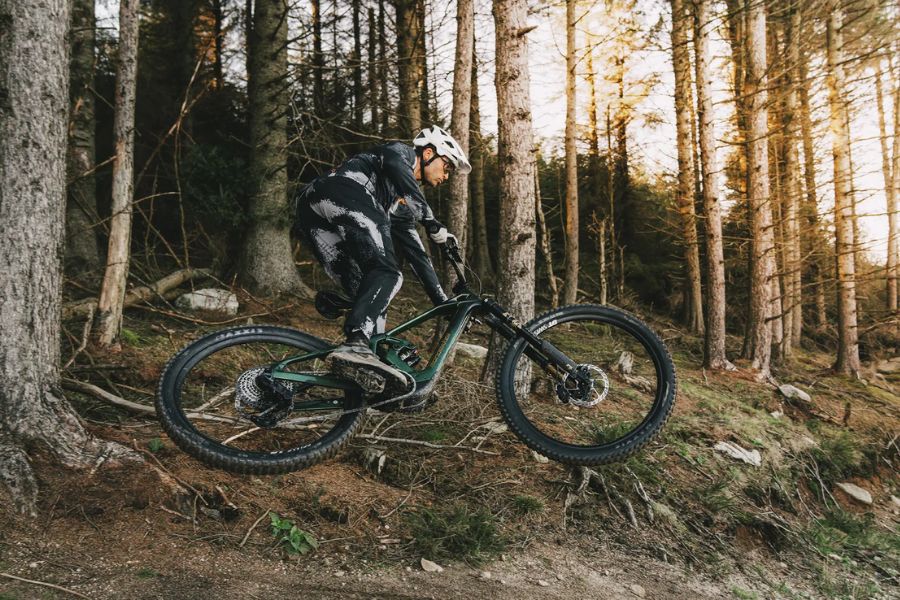
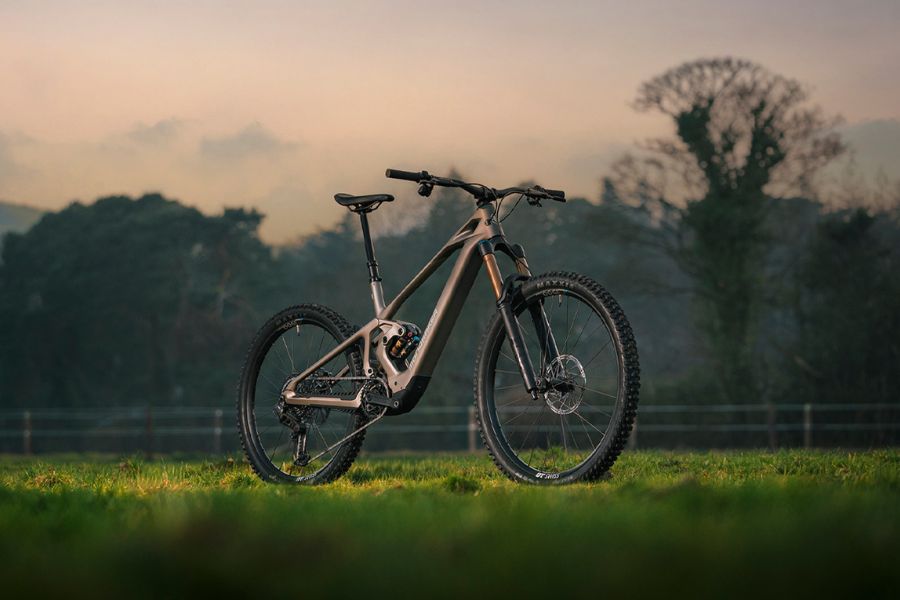
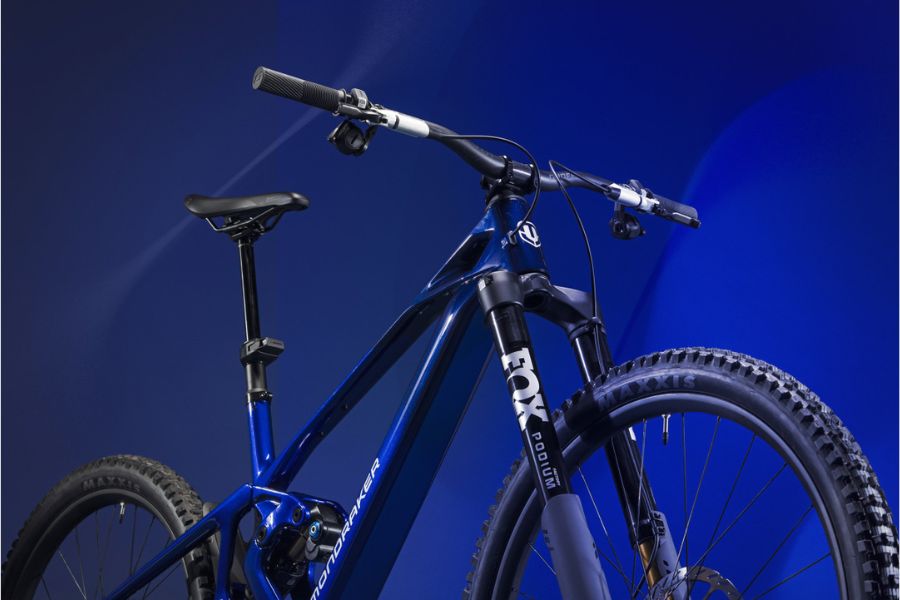
The Mondraker Zendit arrives as more than just another bike launch. On paper, it is a new full-power enduro e-MTB with a carbon frame, 165mm of rear travel, a 170mm fork and the now headline-grabbing Avinox motor system. In practice, though, the Mondraker Zendit feels like a much bigger statement than that. This is a brand with genuine pedigree in aggressive mountain biking deciding that one of its most serious new e-MTB platforms should be built around Avinox from the ground up.
That alone makes the Mondraker Zendit one of the more interesting launches in the current e-MTB market. Mondraker says the bike has been designed from scratch around the Avinox power unit rather than adapted from an existing frame. It uses the latest evolution of the brand’s Zero Suspension platform, comes with a mixed-wheel setup as standard, and can be converted to a full 29er via a flip chip. For a brand that has previously built much of its electric mountain bike reputation around Bosch-powered models, the Zendit immediately feels significant.
It also lands at a time when the Avinox conversation is already moving quickly. At Electric MTB UK, we have already looked at how the DJI Avinox vs Bosch CX-R debate is shaping up for UK riders, and the Mondraker Zendit adds another layer to that discussion. This is not a value-led curiosity or an outsider bike trying to make noise. This is Mondraker using Avinox for a fresh, premium, aggressive platform, and that is a very different kind of endorsement.
A new Mondraker, but also a new kind of Mondraker
The basic numbers place the Mondraker Zendit exactly where many UK riders will want it. It sits between the Crafty and the Level in Mondraker’s broader thinking, pairing 165mm of rear travel with a 170mm fork in a format that looks aimed squarely at hard-riding enduro use rather than lightweight compromise. That makes the Mondraker Zendit look like a genuine performance e-MTB, not simply a reworked trail bike with a powerful motor bolted in.
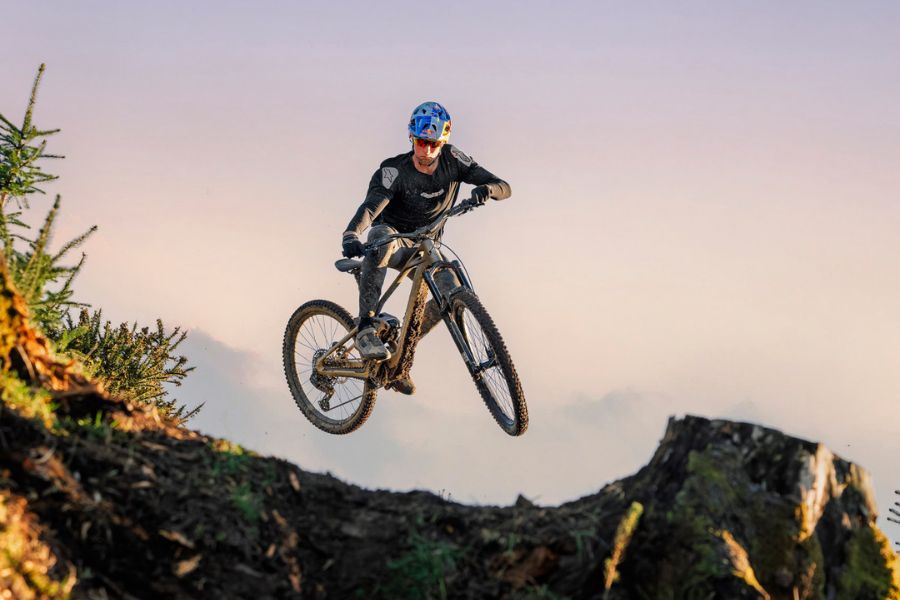
Mondraker is also making a point of the frame itself. The brand says the new Stealth Air Carbon chassis uses updated construction methods and a revised Zero Suspension layout, with details influenced by its downhill development. That matters because it helps explain why the Mondraker Zendit is interesting beyond the motor. Plenty of brands can fit a powerful unit to a carbon frame. What Mondraker is trying to show is that this is a proper chassis built to make use of that power in serious terrain.
There is an obvious comparison point here too. When Avinox first burst into the conversation, a lot of that attention came through the Amflow platform and its ability to pair striking numbers with aggressive pricing. That is why the Mondraker Zendit matters. It pushes Avinox into a different kind of bike and, arguably, a different kind of legitimacy. This is less about proving Avinox can shock the market and more about proving it belongs in a premium enduro machine from a brand with real off-road credibility.
The Mondraker Zendit price tells part of the story
The Mondraker Zendit range starts at £7,399, with the RR S at £9,299 and the XR at £10,999, according to BikeRadar’s launch coverage. That puts it above the value-led conversation sparked by the early Amflow PL Carbon, which was where Avinox really announced itself to the wider e-MTB market. But it also places the Mondraker Zendit in a more premium and aggressive category, where those figures start to look more strategic than shocking.
That is because the Mondraker Zendit is not trying to be the cheapest route into Avinox. It is trying to show that Avinox can sit at the heart of a serious halo-style e-MTB without the price spiralling beyond what riders already expect from top-end long-travel bikes. In that sense, the Zendit may be even more important than the original Amflow story. The Amflow made Avinox impossible to ignore. The Mondraker Zendit makes it look increasingly normal at the performance end of the market.
The motor remains central to that pitch. Avinox has become known for headline power, and that pressure has already forced the established players to respond. Bosch, for example, has detailed how its current Performance Line CX system can now be tuned up to 100Nm and 750W in certain configurations. The significance of the Mondraker Zendit is that it lands right in the middle of that wider motor battle, where numbers, ride feel, battery size, system weight and brand confidence are all now under far greater scrutiny than they were even a year ago.
Is the Mondraker Zendit a one-off, or a sign of what comes next?
This is where the Mondraker Zendit becomes genuinely interesting. The biggest question is not whether Mondraker can make an Avinox bike. It clearly can. The bigger question is whether the Zendit marks the start of a wider shift in how Mondraker approaches performance e-MTBs going forward.
There is no official confirmation that Avinox is set to replace Bosch across Mondraker’s range, and that is important to state clearly. Mondraker still has multiple Bosch-powered bikes in its orbit, and the brand has not publicly said the Mondraker Zendit is the beginning of an all-Avinox future. Even so, launching a ground-up bike of this scale around Avinox inevitably raises eyebrows. Brands do not make this kind of move unless they believe a system has long-term credibility.
That is why the Mondraker Zendit feels like more than a launch story. It feels like a clue. If this bike lands well, performs well and gets traction with riders, it naturally raises the question of whether Avinox will appear in more Mondraker performance models over time. It also raises the wider industry question of how Bosch, Shimano and Yamaha respond if Avinox keeps gaining momentum in bikes like this.
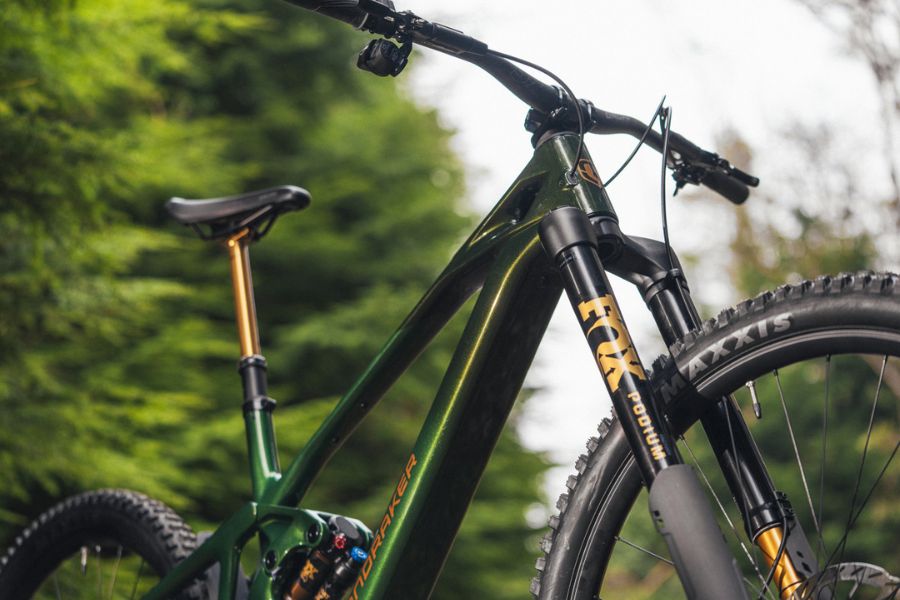
Mondraker Zendit
From £7,399
For Electric MTB UK readers, that is where the story becomes bigger than Mondraker alone. We have already covered how full-power e-MTBs are evolving, and how motor choice increasingly shapes what a bike is trying to be. The Mondraker Zendit feels like the latest sign that the market is moving into a new phase, one where premium brands are no longer simply reacting to Avinox from a distance.
Then there is the final question hanging over all of this: what does Avinox itself do next? Rumours of a further Avinox development or new motor direction are already circulating in the industry, although nothing official has been confirmed. That makes the timing of the Mondraker Zendit especially interesting. It lands just as Avinox’s influence appears to be growing, and just as the rest of the market is being forced to decide whether matching raw output figures is enough, or whether something more fundamental has to change.
So yes, the Mondraker Zendit is a new bike. But it may also prove to be something more important than that. It may be the point where Avinox stops looking like the motor that disrupted the e-MTB category and starts looking like one of the systems that could shape where premium performance e-MTBs go next.