
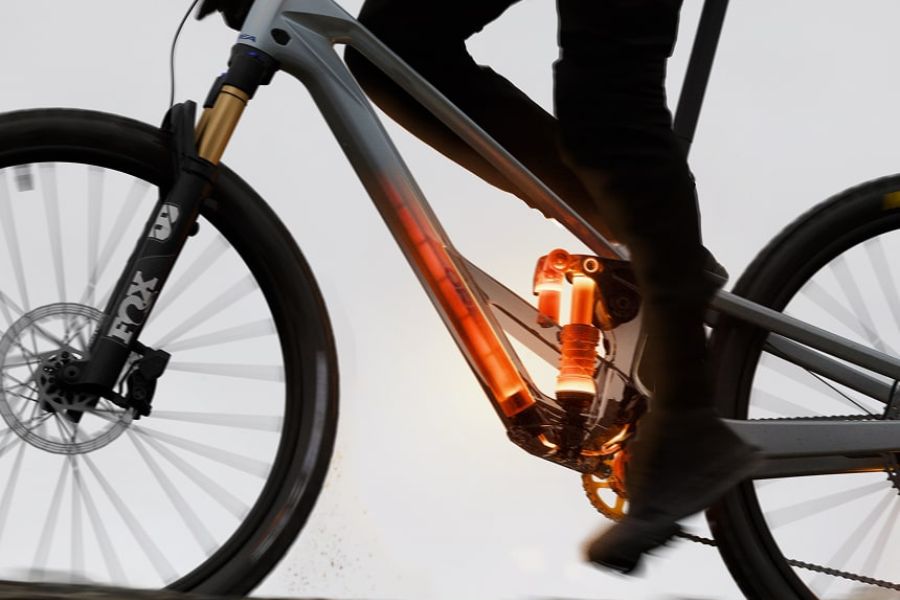
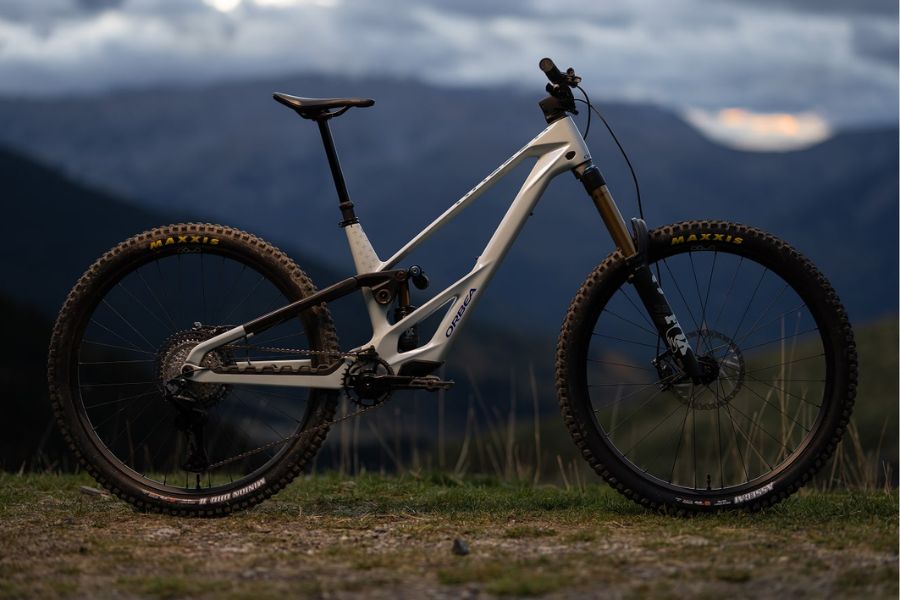
The Orbea Rallon RS landed with a clear message: better ride feel, not bigger numbers. It is a lightweight enduro eMTB built around the TQ HPR40, a smaller 290Wh internal battery, and a deep integration approach that treats the motor, controls and electronic components as one joined-up system rather than bolt-on extras. Since our original Orbea Rallon RS explainer went live, Orbea has added a couple of practical details that matter for UK buyers. The big one is that Orbea is now far more explicit about real-world expectations for battery range and how the Orbea Rallon RS range extender fits the bike’s intended use.
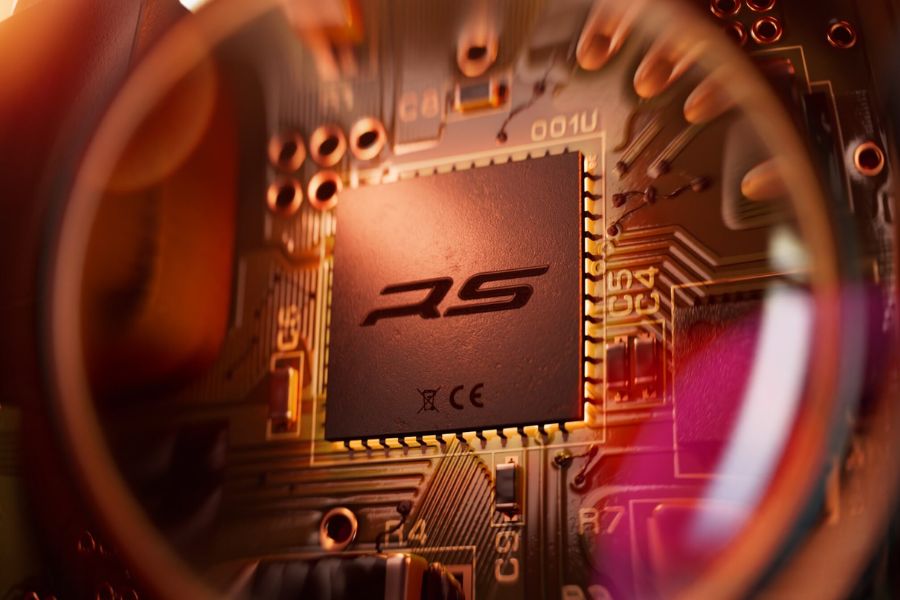
At the same time, Orbea has published new technical documents for the RS platform, which explain what the RS control ecosystem does and how it is intended to be used.
If you are considering this bike, this update is worth a read because the Orbea Rallon RS range extender is not just an optional extra in the background. Orbea is positioning it as part of the ownership strategy for riders who want the lightest feel for local rides, but still want the option of bigger days when conditions and time allow.
Orbea’s claimed range is now clearer, and the Orbea Rallon RS range extender is the “long ride” answer
On the official Orbea product page, the brand now states that the 290Wh main battery offers roughly 1,200-1,800 metres of climbing, depending on conditions and how you ride. That statement is shown alongside the battery section on the Rallon RS-LTD page and is also supported by the RS system’s positioning elsewhere on the platform.
The second part of the message is just as important. Orbea frames longer routes as simply: add the optional Orbea Rallon RS range extender. In other words, Orbea is not pretending this is a long-range, full-power eMTB in stock form. The bike’s premise is “lighter and more natural”, and the Orbea Rallon RS range extender is how you scale capacity up when your ride plans demand it.
That is a very different mindset from the traditional full-power approach, where capacity is built in, and you carry the weight every ride, whether you need it or not. The lightweight category is moving quickly, and riders are increasingly choosing bikes based on how they feel on real trails rather than on the headline numbers on a shop page. The Orbea Rallon RS range extender story is Orbea’s way of addressing that reality without altering the bike’s core character.
What the Orbea Rallon RS range extender actually changes for UK riding
Orbea’s configurator shows the bike paired with a 160Wh range extender option, and that matters because it turns the conversation from “290Wh is small” into “290Wh plus the Orbea Rallon RS range extender gives you a flexible system”. The total capacity is 450 Wh, but you only carry the extra battery on the days you genuinely need it.
In UK terms, that flexibility is often more valuable than it sounds. A lot of our riding is stop-start and traction-limited. Riders are constantly toggling support based on short climbs, greasy tech, and the desire to keep the rear tyre hooked up rather than spinning. In those conditions, you can often make a smaller battery work well, especially if you ride efficiently and treat assistance as a tool rather than a constant shove.
If you want the most practical internal companion piece to this story, our guide to how to get more range from your e-MTB battery on UK trails is worth revisiting. It is the fastest way to turn any battery, including a smaller one, into more usable ride time without spending money, and it applies directly to how you will get the best out of the Orbea Rallon RS range extender approach.
It is also worth mentioning range extender safety in general, because not all extender solutions are equal. If you are tempted by unofficial battery add-ons, read our report on third-party range extender warnings first. Orbea and TQ are building an official ecosystem here. That is a very different proposition from DIY solutions that may bypass the safety and management logic that modern batteries rely on.
Orbea has published new Rallon RS documents, which is meaningful for owners
Another genuinely useful update is that Orbea has published new technical documentation for the Rallon RS platform, including a Rallon RS Bluepaper and an RS HMI Control quickstart guide. These are now listed on Orbea’s manuals and Bluepapers page. If you like understanding how a bike is designed to work, these documents are the closest thing you will get to an owner-focused technical overview straight from the manufacturer.
Why does that matter? Because the Orbea Rallon RS is not just a motor and a battery. The whole RS concept is about control and integration. The more official documentation Orbea publishes, the easier it becomes to understand the system logic, the intended control layout, and the way Orbea expects riders to use the RS interface in real riding rather than in marketing images.
TQ software support is part of the Orbea Rallon RS range extender conversation
Lightweight systems live and die by ride feel, and ride feel is not always set in stone at launch. TQ maintains a public update log for its e-bike systems, including HPR40 and associated battery components. If you want to track what TQ has changed over time, the reference point is TQ’s software updates page.
That matters for a bike like this because the Orbea Rallon RS range extender is part of a managed ecosystem. Firmware and battery algorithms influence how the system behaves near low charge, how it handles brief interruptions in support, and how smoothly assistance responds to changes in cadence and load. You do not need to be a software nerd to benefit from that; you just need the brand to keep supporting the platform properly.

If you want the wider context on where TQ is heading, our TQ HPR60 explained feature is useful background reading. It frames how TQ is scaling the category and why brands are increasingly using modular battery thinking, including range extenders, to give riders more choice about weight, handling and ride length.
What UK buyers should do next?
If you are considering the Orbea Rallon RS, treat the Orbea Rallon RS range extender as a deciding factor, not a footnote. If most of your rides are 60 to 120 minutes with punchy climbs, the 290Wh battery can make sense, as it helps preserve the lightweight feel that is the whole point of this bike. If you regularly ride three hours or more, or you like big-elevation days, the Orbea Rallon RS range extender is the practical way to keep the bike’s character while making longer routes realistic.
The smartest approach is to be honest about your usual ride length, your winter conditions, and how you actually use assistance. If you want maximum capacity on every ride, a different eMTB style may suit you better. If you want a premium enduro chassis that prioritises descending feel and a more natural ride character, and you like the idea of scaling range up when needed, the Orbea Rallon RS range extender strategy is one of the clearest “lightweight done properly” approaches we have seen so far.
For the full background on the bike, start with our original Orbea Rallon RS explainer. Then come back to this update if you are deciding whether the Orbea Rallon RS range extender fits your riding in the UK.