
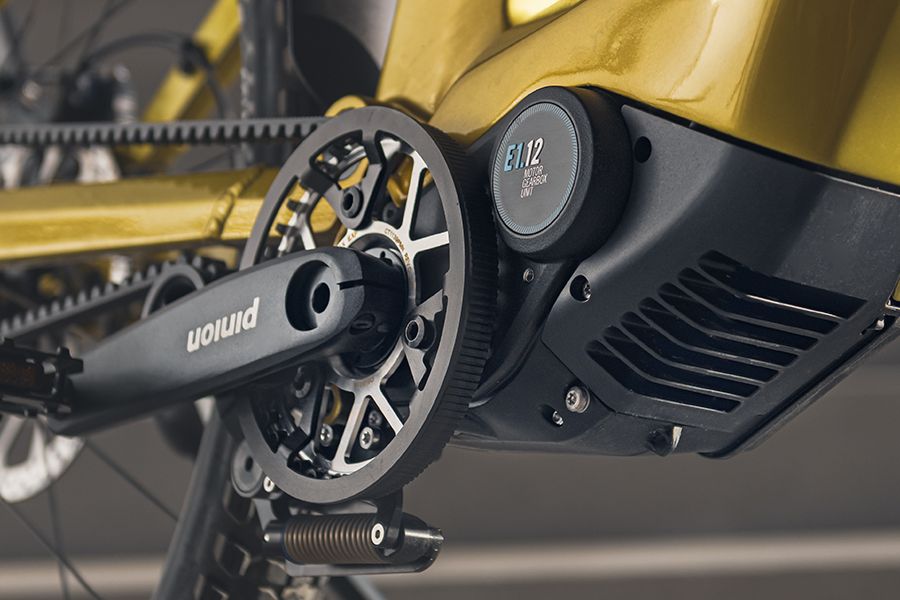
For years, gearbox eMTBs were the sort of thing you read about, admired, then ignored because the mainstream options were simpler and easier to service. That is changing, and the Pinion Motor.Gearbox.Unit (MGU) is at the centre of it. The “why now?” is straightforward: modern eMTBs put a huge load through drivetrains, UK riding is hard on derailleurs, and riders are increasingly willing to trade a little weight for lower maintenance and better real-world durability.
Pinion’s pitch is clear. The MGU combines the motor and gearbox into a single unit, with options for 9- or 12-gear ratios, a wide overall ratio range (up to 600%), and the ability to shift under load. Pinion also leans hard on the ownership argument: a sealed system, fewer exposed parts, and a stated 10,000km maintenance interval with a simple oil change rather than constant drivetrain wear.
The numbers that matter for eMTB riders
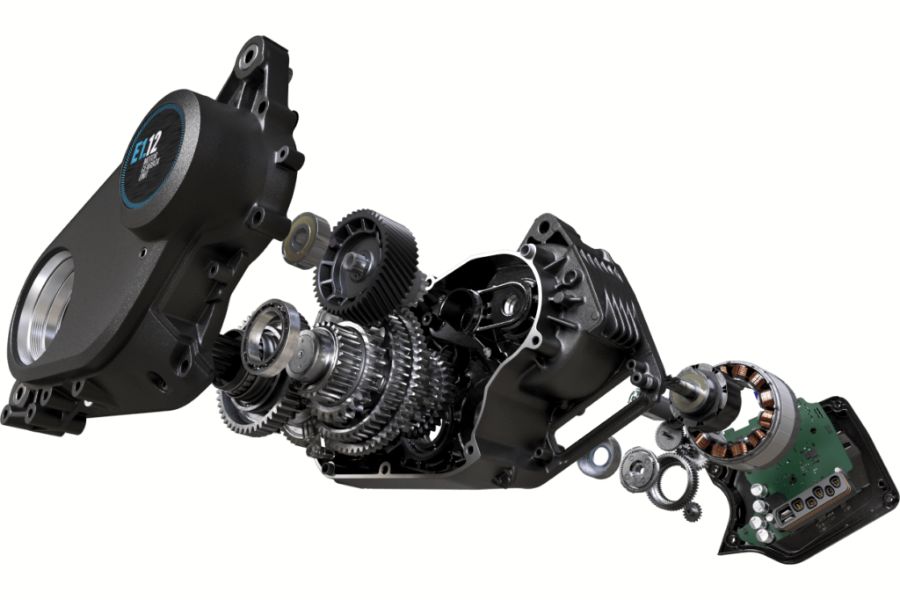
On Pinion’s own e-drive page, the “hard facts” are a useful starting point. Pinion lists the E1.9 and E1.12 MGU options with a quoted competitive torque of 85 Nm, peak power options of 600W or 800W, and weights of 4,000-4,100g, depending on version. They also highlight “up to 160Nm torque on rear wheel”, which is the gearbox multiplication effect rather than the motor’s base torque figure.
Those figures put the system in an interesting place. It is not trying to be the lightest, nor is it necessarily trying to outperform the largest full-power motors on paper. The selling point is control, shifting performance, and how the whole drivetrain behaves when you are crawling up steep, techy climbs or grinding through winter mud.
If you want a quick refresher on how motor torque, gearing and cadence actually play out on the trail, our eMTB motors and batteries explained piece is worth a skim before you go too deep on spec sheets.
Why the FIT ecosystem matters (and why it is showing up with Pinion)
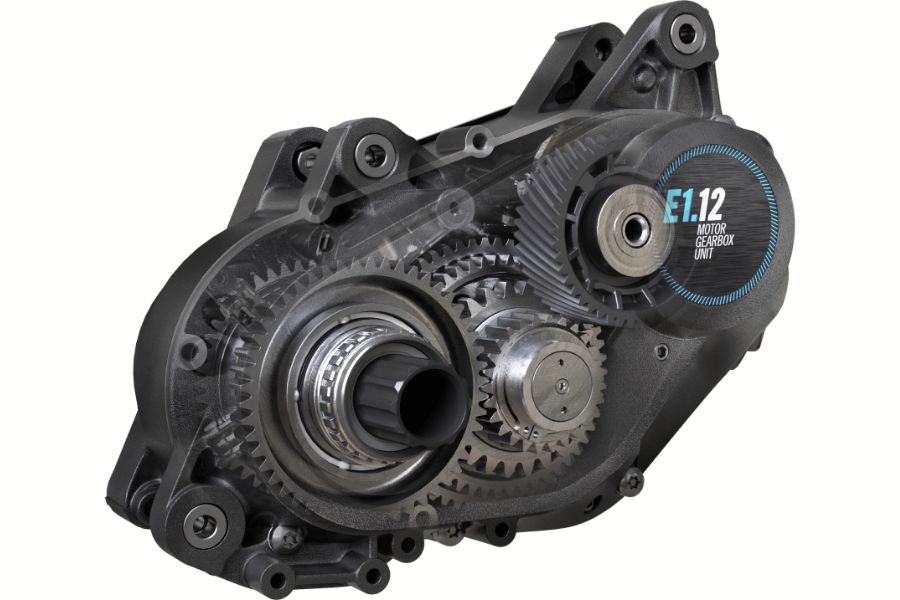
Pinion MGUs are also increasingly discussed in the same breath as the FIT system, because it adds the “connected” layer that many riders now expect. FIT’s own Pinion MGU listing on fit-ebike.com frames the MGU as part of the wider FIT 2.0 ecosystem, which includes app control, digital keys, displays and integration across e-bike components.
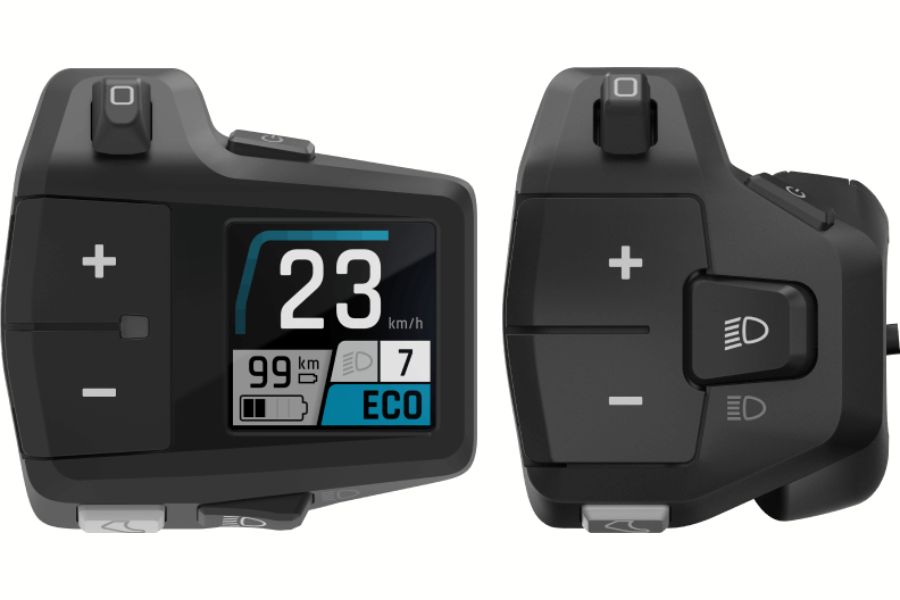
If you have not come across it before, start with the FIT E-Bike Control app. It is the hub for pairing the bike and accessing features like digital locking and system management. FIT also makes a big deal of the FIT Key Card, which is essentially the identity card that connects a specific bike to the app and your account. For riders who prefer using a phone as a display, the FIT Drive Screen explains how the system can turn your smartphone into an e-bike display controlled by the bar remote.
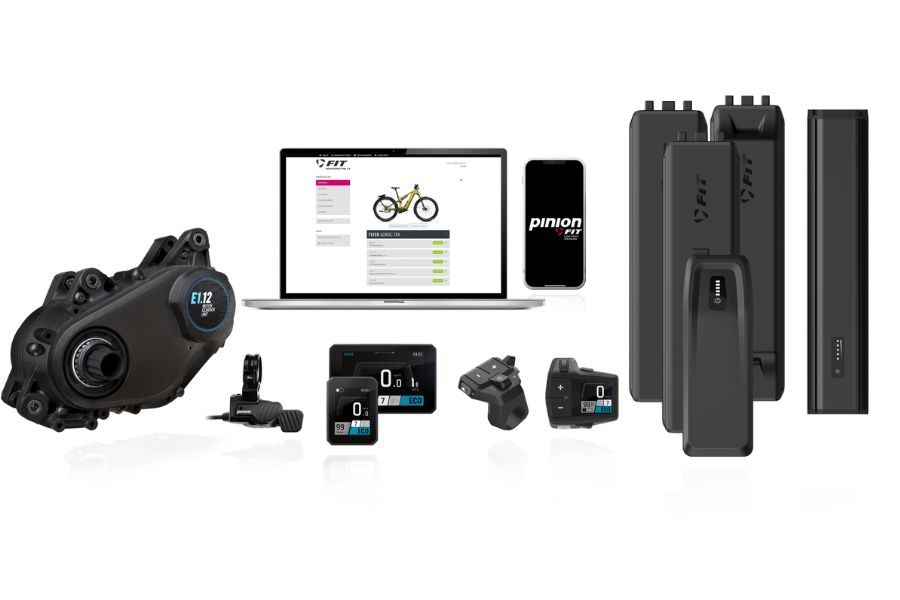
In plain English, it is the difference between a gearbox eMTB that feels like a clever mechanical solution and a gearbox eMTB that behaves like a modern integrated product.
Belt drives, UK riding and why Pinion keeps talking about “no worries”
If you look at Pinion’s coverage of MGU-equipped bikes in categories like Pinion e-trekking, you will see consistent messaging around durability, low wear and long-distance use. That overlaps heavily with why many riders are interested in belt drives on e-bikes.
A belt drive is not automatically better for everyone, but the advantages are obvious in UK conditions: no oily chain mess, less grinding paste when wet, and longer service intervals. Gates makes the most widely recognised systems, and their overview of bicycles and e-bikes with belt drive is a good explainer of the “no rust, no lube” argument. In a gearbox eMTB context, a belt also reduces the number of vulnerable parts hanging off the back of the bike, which is appealing if you ride rocky bridleways or techy climbs where derailleur strikes are common.
Is a Pinion MGU eMTB right for UK trail riding?
The honest answer is that it depends on how you ride and what you value. If you want the lightest possible eMTB with the most “analogue bike” feel, you are more likely to land in the lightweight motor camp. If you ride year-round, dislike drivetrain maintenance, and regularly damage rear derailleurs, the Pinion MGU idea becomes much more attractive.
It is also worth noting that the gearbox conversation aligns with a broader “practical eMTB” theme. Many UK riders use the same bike for trail centres, bridleways, winter commuting and family riding. That is why guides like Best Trekking and SUV electric mountain bikes 2026 have become more relevant to eMTB buyers than ever, as they focus on real-world use rather than just headline suspension travel.
If you are actively shopping, keep your decision framework simple: prioritise weight and handling, range needs, and the maintenance time you are realistically willing to commit to. Then cross-check against the bikes and categories in our eMTB buyer’s guide hub, because the “best” eMTB drivetrain is the one that suits the riding you actually do.