
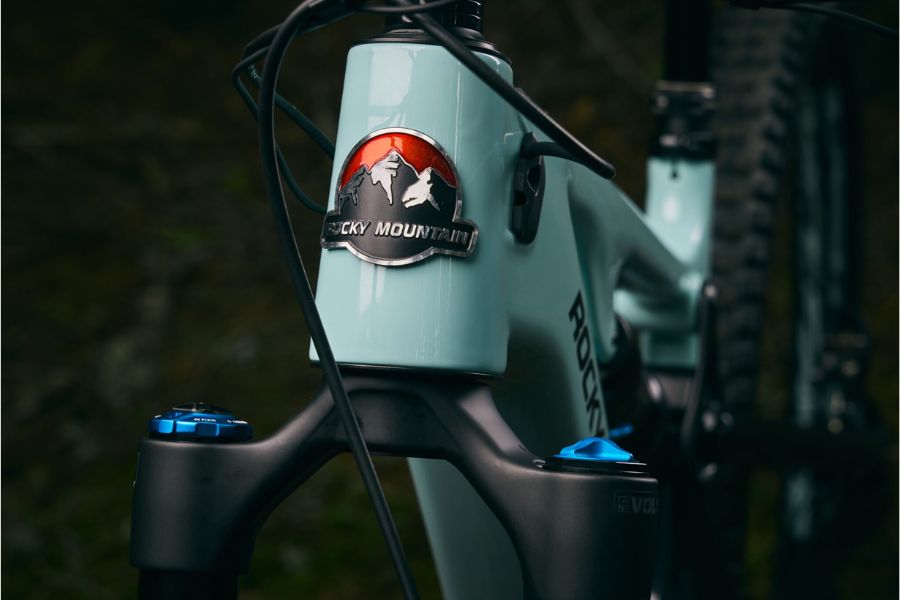
Rocky Mountain is set to re-establish a clearer presence in the UK and Ireland, with Adaptive DCS named as its exclusive distribution partner. For UK riders, the practical value of this sort of announcement is not about a single new bike launch. It is about availability, after-sales support, spares, warranty pathways, and whether a brand becomes genuinely buyable and ownable again through local dealers rather than remaining something you only see online or in overseas coverage.
Rocky Mountain has long carried weight in the mountain bike world, and its eMTB range, particularly under the “Powerplay” umbrella, has had a recognisable identity compared with the many brands that rely on the same handful of motor systems. A distribution reset is therefore meaningful because it can rebuild a UK dealer network and provide riders with a frictionless path to test rides, demos, and ongoing support.
A key near-term marker is trade visibility. The brand is expected to be represented at COREbike 2026, which runs from 22 to 24 February at Whittlebury Hall. For the UK industry, COREbike is where distribution relationships are finalised, dealers review stock plans, and brands commit to support and availability.
What’s been announced
The core news is simple: Rocky Mountain has appointed Adaptive DCS as its exclusive distribution partner for the UK and Ireland, with the stated aim of strengthening its presence, expanding its retail network, and improving support for dealers and riders. It is the kind of move that can be quietly transformative if it is backed by good stock flow and responsive service, or it can remain a headline if availability and support do not follow through. The positive sign here is that Adaptive DCS is positioning itself as a hands-on partner, and the trade-show timing suggests the next step is dealer engagement rather than a long wait for action.
It also comes at a time when UK buyers are more cautious than in the boom years. Riders are still buying eMTBs, but with a sharper focus on reliability, warranty support, and spares availability, particularly as eMTB systems become more powerful and complex. A strong UK distribution partner is now a meaningful part of the purchase decision, not an afterthought.
What this means for UK eMTB riders
For riders, the benefits of distribution are not glamorous, but they matter. The first is simple access. If dealers can order bikes confidently and receive accurate delivery timelines, customers can test-ride and buy locally, rather than treating a brand as a risky online purchase.
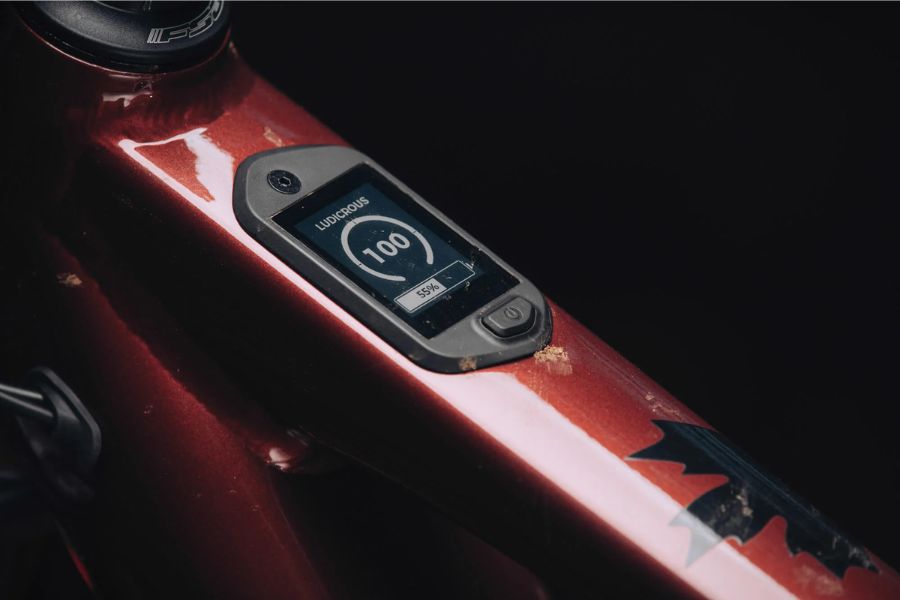
The second is after-sales support. eMTBs are not like analogue bikes in how problems are solved. Motor systems, batteries, and electronics add layers, and when something goes wrong, you want a clear chain of responsibility among the shop, the distributor, and the brand. That is the difference between a bike being off the trail for a few days versus a few months. The UK climate also adds pressure. Wet riding accelerates wear, winter grit tests bearings and seals, and the reality of riding year-round makes spares access and warranty processes more important than glossy launch messaging.
The third benefit is longer-term confidence. A distribution partner that invests in a dealer network typically invests in training, stockholding, and communication. Even if a rider never needs to file a warranty claim, they benefit from better setup, better service knowledge, and better parts availability. For brands like Rocky Mountain that have a distinct approach to eMTBs, a knowledgeable dealer network can make the ownership experience far smoother because shops understand the intended setup and service requirements.
Which Rocky Mountain eMTBs could be the ones to watch
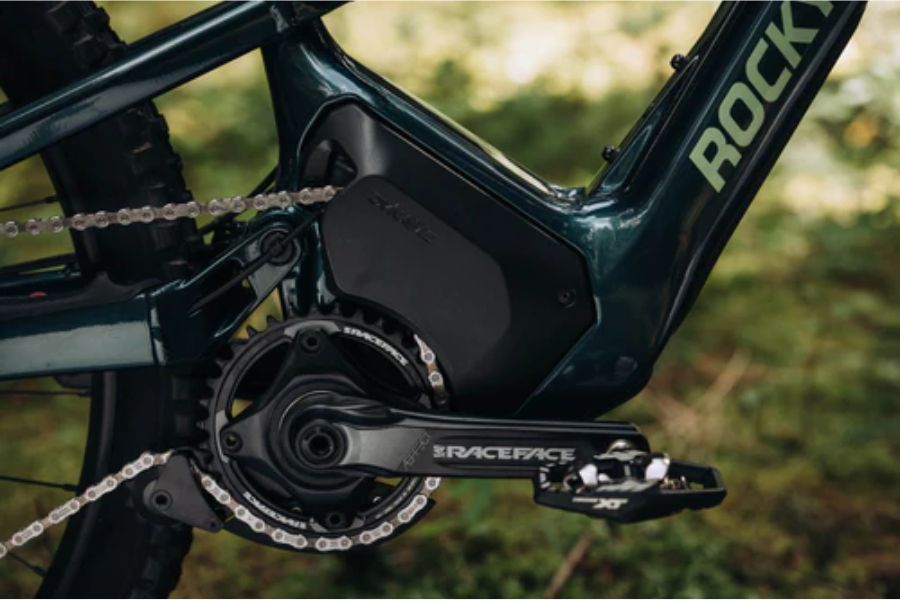
Rocky Mountain’s current eMTB identity is closely tied to its Powerplay range, including models such as the Altitude Powerplay, which the brand positions as an enduro-focused electric mountain bike platform. The brand has also highlighted its Dyname drive system in recent Powerplay messaging, which has historically been part of what makes Rocky Mountain’s eMTBs feel different to the many bikes built around the same mainstream motors.
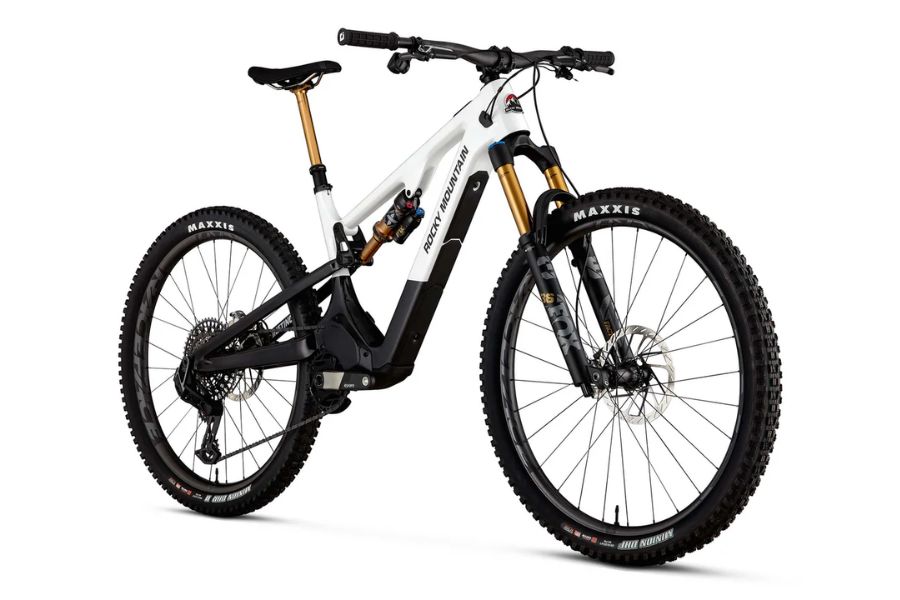
What UK riders should look for next is clarity on which models and build kits will be prioritised for the market, and how quickly dealers can get stock. The UK eMTB market is increasingly polarised. Some riders want the lightest possible eMTB that rides as close to an analogue as possible. Others want full power and big batteries for maximum descending time. Rocky Mountain’s range has typically had something to say in that second category, especially for riders who value a distinctive ride feel and are not simply chasing the most common motor badge.
If Adaptive DCS can deliver on availability, the opportunity is there. UK riders have no shortage of choice, but choice only matters when bikes are supported properly. Making Rocky Mountain easier to buy, easier to service, and easier to live with would make the brand relevant again in a practical way, not just something you admire from afar.