

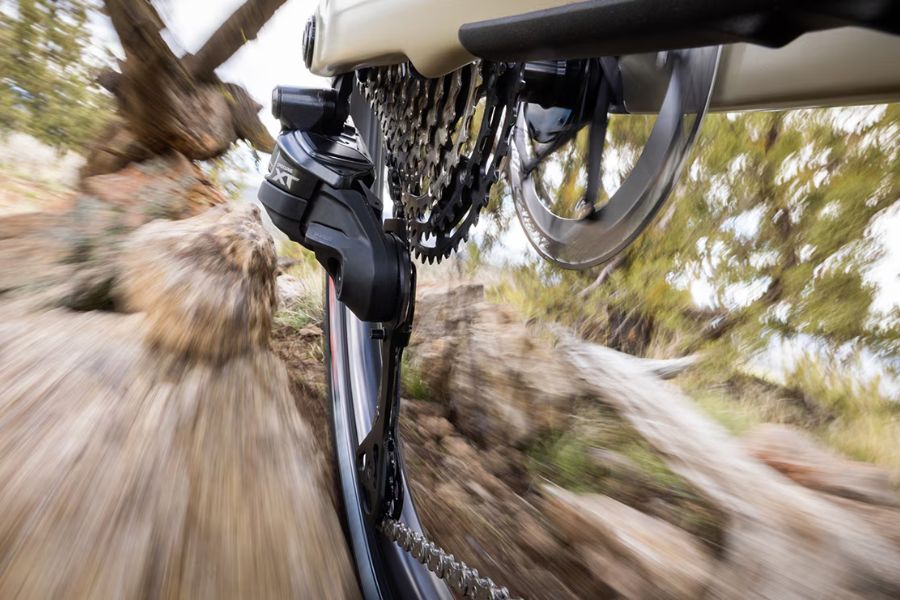
Shimano has rolled out a linked update that matters more to eMTB riders than a normal groupset launch. Alongside a refreshed EP motor platform, the brand has introduced a new Deore XT Di2 ecosystem designed to work as a system, not just a collection of parts. The headline is simple: Shimano wants shifting, motor behaviour and custom tuning to feel more integrated on the trail, especially for riders who want a bike that just gets on with it in messy, stop-start riding.
For UK riders, this sits neatly in the wider “full-power eMTB arms race” we are seeing right now. Brands are chasing cleaner cockpits, smarter assistance, and fewer ride-stopping moments when you are tired, cold, or picking your way up something technical. If you want a broader explainer on how motor ecosystems differ (and why the numbers are only half the story), it is worth reading our guide to eMTB motors and batteries before you dive too far into spec sheets.
Deore XT Di2 and refreshed EP motors: what’s actually new
The official framing from Shimano is “Explore New Grounds”, but the practical change is that the refreshed EP platform and Deore XT Di2 are built to work together. Shimano’s overview of the launch is laid out in its own announcement, Introducing the new EP Series and DEORE XT Di2, and that page also positions the update as a reliability and customisation step as much as a performance one.
On the motor side, Shimano is talking about a refreshed EP8 (EP801) and EP6 platform, both pitched around natural-feeling assistance and consistency on sustained climbs. On the drivetrain side, the new Deore XT Di2 platform adds wireless Di2 options for standard MTBs, plus e-bike-specific wired derailleur options that pull power from the bike and unlock Shimano’s intelligent shifting functions. Shimano’s Deore XT Di2 feature page, “Introducing DEORE XT M8200 Di2,” is worth reviewing because it clarifies the different derailleur configurations and how Shimano positions durability and impact management.
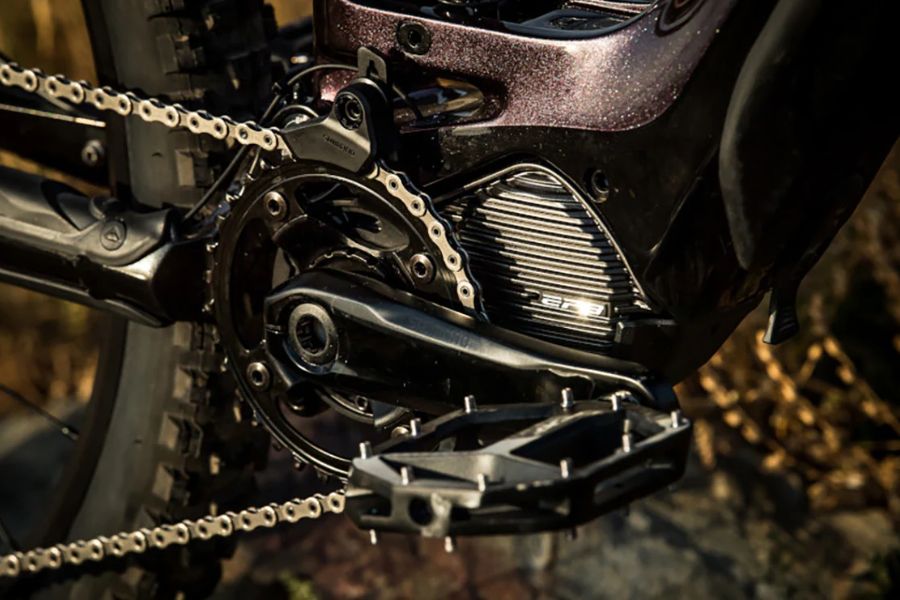
One detail that will get plenty of workshop and trail chatter is Shimano’s move away from the traditional clutch design on its latest Di2 rear derailleurs in favour of a different chain stabilisation approach. The best plain-English discussion of what Shimano is doing here is BikeRadar’s breakdown. Shimano is relegating clutch derailleurs to the history books. It is not the sort of detail you notice in a car park, but it can matter over time for chain management, clearance, and how well a drivetrain shrugs off rough UK riding.
Free Shift and Auto Shift: why the integration matters off-road
For eMTB riders, the real story is Shimano pushing two shifting behaviours that are meant to reduce those small but constant “wrong gear” moments that disrupt traction and rhythm on climbs.
The first is Free Shift, which lets you change gear while coasting, so you are not forced to stomp a bad gear when you restart pedalling after a descent, a corner, or a stalled technical climb. Shimano explains the idea behind it on its FREE SHIFT technology page.
The second is Auto Shift with manual override, which uses ride data to shift automatically while still allowing you to take control instantly when you want. Shimano’s AUTO SHIFT customisation quick manual is relevant because it shows how Shimano expects riders to tune behaviour rather than accept a one-size-fits-all shifting pattern.
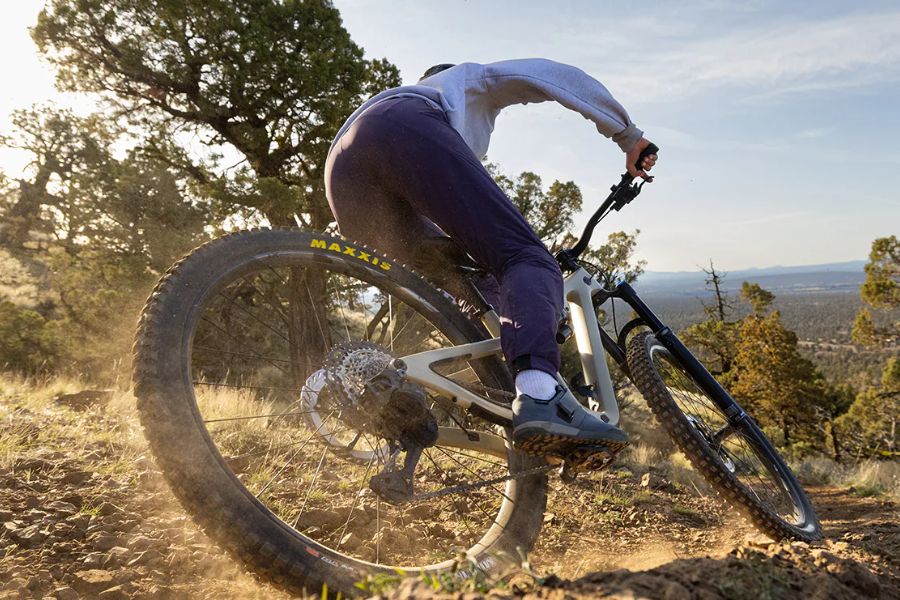
In UK conditions, the logic is obvious. Much of our riding is low-speed and high-friction: wet roots, awkward steps, tight corners, punchy climbs, and constant changes in gradient. Anything that helps you restart smoothly, maintain momentum, and avoid crunching shifts under load can feel like a genuine upgrade, especially for newer riders or anyone using an eMTB to make longer days feel less taxing. If you are new to the category and still figuring out what sort of eMTB best matches your riding, our explainer on what an eMTB is, and the difference between hardtail, full-suspension and trekking is a good internal reference point.
UK take: who should care, and what to watch for
If you already ride a Shimano-powered eMTB, the big question is how much of this is retrofittable versus tied to new bikes and new model-year builds. Shimano is clearly trying to make the system feel more “set and forget”, with riders using app-based tuning when they want it, rather than because they have to. If you are the kind of rider who enjoys tweaking support modes and conserving range for bigger rides, you will also want to keep our practical guide on how to get more range from your eMTB battery in your back pocket, because smarter shifting does not replace good range habits, it just complements them.
It is also worth being clear on what this does not change. None of this alters the UK’s legal framework for e-bikes. You are still discussing pedal-assist within the 25 km/h speed limit for road-legal bikes. If you are unsure where the line is (or you are helping someone buy their first bike), our UK eMTB law explained guide is the simplest internal link to ground that conversation.
Finally, this launch lands in a market where rival ecosystems are also pushing “race” tuned motors, bigger batteries, and cleaner integration. If you want a quick comparison of how other brands are pitching the latest high-output setups, it is useful to read our coverage of the Haibike HYBE CF 11 2026 with Bosch CX-R and Kiox 400C, and the Pivot Shuttle LT update for 2026. Shimano’s move here is different in emphasis, but it is chasing the same outcome: fewer compromises, fewer interruptions, and more riding time in real-world conditions.