

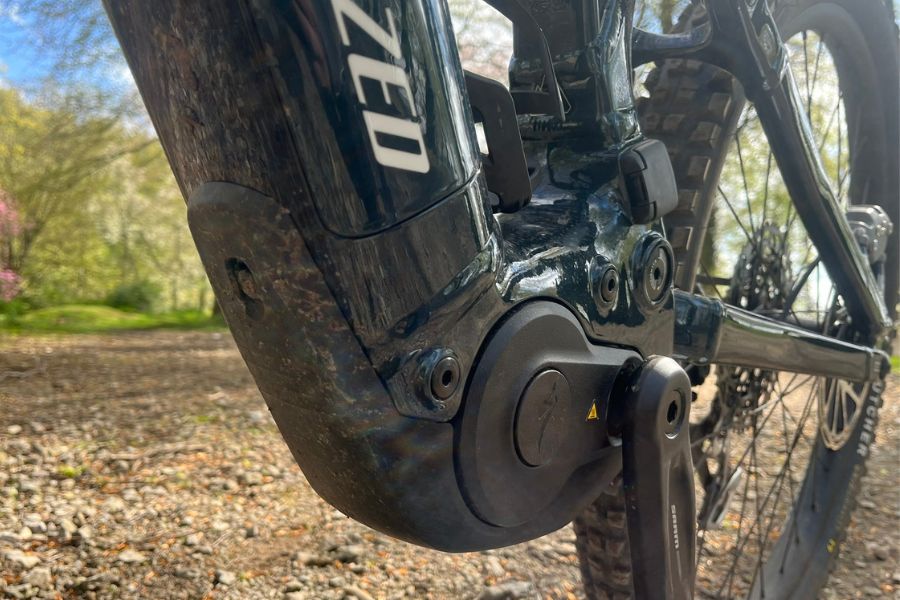
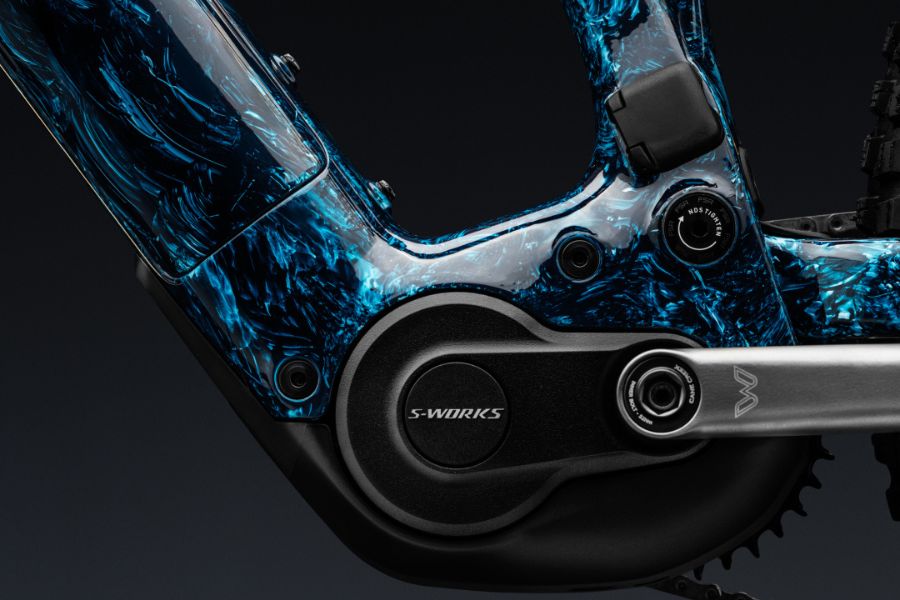
The Specialized 3.1 motor is one of the biggest reasons the latest Turbo Levo feels like such a serious full-power eMTB. It is not just a small update to the previous Specialized system. It brings more torque, more peak power, a new Auto mode, improved customisation and a ride feel that can move from smooth and natural to seriously forceful depending on the mode you choose.
This review of the Specialized 3.1 motor is based on riding the system on real trails, where motor numbers only tell part of the story. A strong eMTB motor needs to do more than win a spec-sheet battle. It has to deliver power in a way that helps the rider, not one that overwhelms grip, upsets balance or makes technical climbs harder than they need to be.
The Specialized 3.1 motor gets that balance mostly right. In the lower modes, the power delivery is smooth, controlled and easy to manage. Switch into Turbo and there is a proper kick of assistance that can fire the bike up climbs with real force. Auto mode is also a major part of the appeal, because in my riding it delivered support quickly enough that it did not feel lacking or delayed when extra power was needed.
It does take some getting used to, though. This is a strong motor, and riders need to understand when to use Eco, Trail, Auto and Turbo rather than simply leaving it in the most powerful setting. If you are confident with the way the power comes in, the 3.1 motor is extremely capable. If you are not, Turbo can feel like more motor than you asked for.
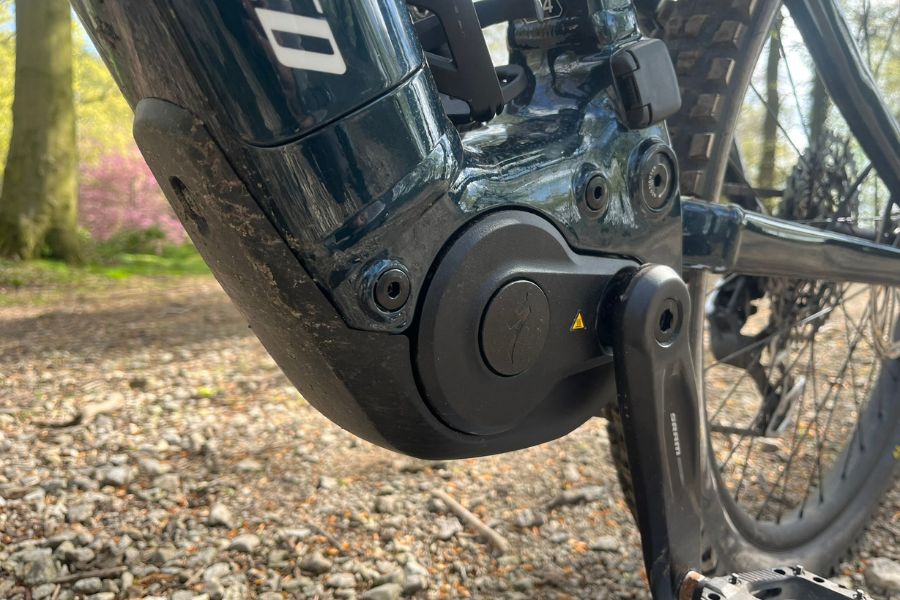
Specialized 3.1 Motor
Available on selected Specialized Turbo Levo 4 models
Pros
Strong and capable full-power eMTB motor
Smooth delivery in lower assistance modes
Turbo mode gives a serious kick of power
Auto mode works well on changing terrain
Highly tuneable through the Specialized app
Quieter and more refined than previous Levo systems
Cons
Takes time to understand the modes and get the best from it
Turbo mode can feel too powerful if you are not ready for the way it kicks in
Standard 3.1 motor is not as powerful as the S-Works version
Specifications
Type: Full-power eMTB mid-drive motor
Standard output: 101Nm torque, 666W peak power
S-Works output: 111Nm torque, 720W peak power
Assistance modes: Eco, Trail, Auto, Turbo
Tuning: Specialized app and Dynamic MicroTune
Display system: MasterMind T3
Battery compatibility: 840Wh main battery, 280Wh range extender on Levo 4 models
Motor weight: Approximately 3.2kg reported for the 3.1 system
Specialized 3.1 Motor: Review
Smooth when you want it, powerful when you need it
The best thing about the Specialized 3.1 motor is the range of character it offers. In the lower modes, it feels calm, smooth and easy to control. It does not constantly shove the bike forwards or make every climb feel like a wrestling match. That matters on technical trails, because too much assistance at the wrong moment can break traction or push you wider than intended.
Eco and Trail are the modes where the motor feels most natural. They give enough help to reduce fatigue and keep momentum, but they still leave the rider involved. That is important for riders who want an eMTB to feel like a mountain bike rather than a throttle-free motorbike.
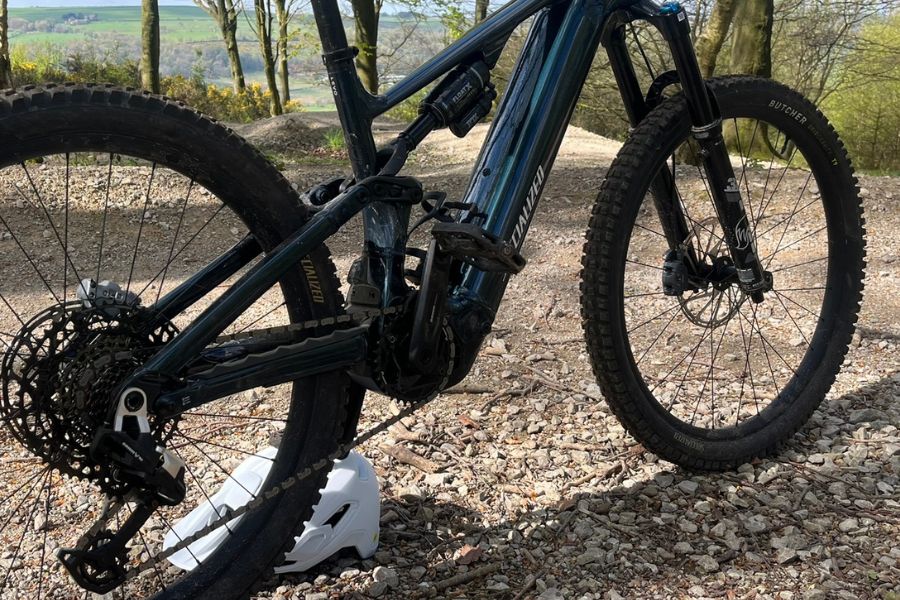
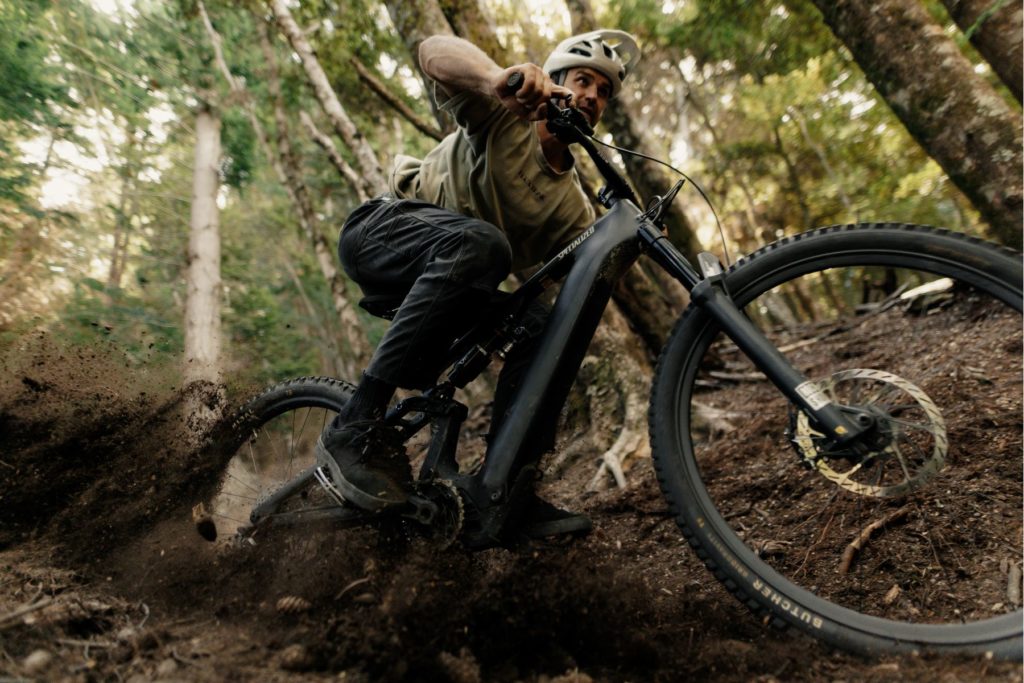
Turbo mode is a very different experience. The power comes in with real intent, and there is enough force to get the bike up steep climbs quickly. It is a brilliant mode when you need it, but it is not something every rider will want to use everywhere. On loose climbs, greasy roots or tight technical sections, you need to be ready for the way the motor responds.
This is where the Specialized 3.1 motor feels like a system that rewards experience. It gives you a lot of support, but you need to know how to manage it.
Auto mode
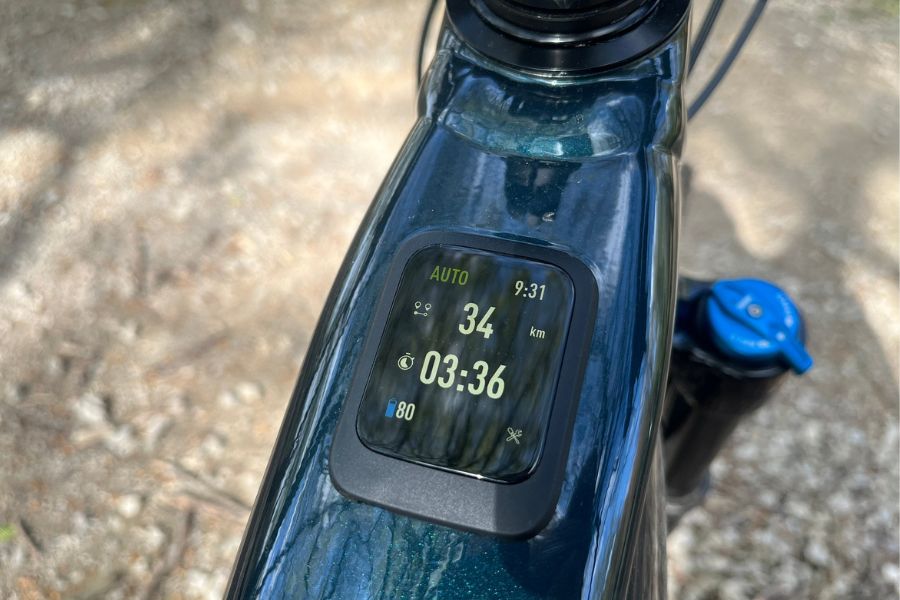
Auto mode is one of the most useful parts of the 3.1 system. Instead of asking you to constantly switch between modes, it adjusts the support depending on rider input and terrain. On paper, that sounds like a feature that could easily feel vague or delayed. In practice, it worked very well.
In my riding, Auto mode did not feel lacking when I needed support. It reacted quickly enough to changes in gradient and effort, and it avoided the lazy feeling some automatic modes can have. On rolling trails, mixed climbs and rides where the terrain constantly changes, it makes the bike easier to manage because you spend less time thinking about the controls.
That said, Auto mode will not replace manual control for every rider. If you are approaching a specific technical climb, setting up for a awkward step or trying to manage grip on a muddy section, there is still value in choosing the mode yourself. Auto is excellent for general riding, but confident riders may still prefer manual modes when precision matters.
The important thing is that Auto mode feels properly usable, not like a gimmick. For many riders, it may become the default mode for normal trail rides.
Turbo mode and rider confidence
Turbo mode is where the Specialized 3.1 motor shows its strength most clearly. There is a proper kick of power, and it can turn steep climbs into something much more manageable. On longer fire road climbs or open gradients, it is easy to see why riders will love it.
The challenge is technical control. Turbo gives you a lot of assistance, and if you are not ready for it, the bike can surge harder than expected. That does not make the motor bad. It means the rider needs to understand when the extra power is helpful and when it might be too much.
On an eMTB, power is only useful if it can be turned into traction. If you are climbing on wet roots, loose rock or muddy singletrack, body position and cadence still matter. The 3.1 motor will help you get up climbs, but it will not do the riding for you. In fact, the stronger the motor, the more important smooth rider input becomes.
That is why I would not describe the 3.1 as a beginner-proof system. It is very capable, but it rewards riders who take time to learn the modes and understand how the bike reacts.
Tuning and MicroTune
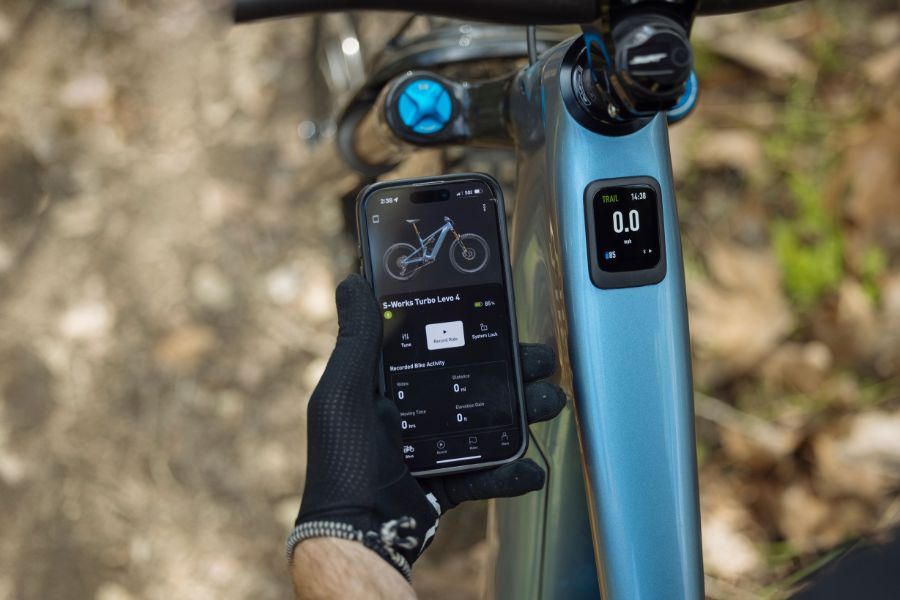
The Specialized ecosystem is one of the motor’s biggest strengths. The 3.1 system is not locked into one fixed personality. Through the Specialized app and Dynamic MicroTune, you can adjust the way the motor behaves and fine-tune the amount of support you want.
That is useful because not every rider wants the same thing from an eMTB. Some want maximum climbing assistance. Others want a more natural feel and better battery management. Some riders want a smooth motor for technical trails, while others want a big hit of support for steep climbs and repeated laps.
Dynamic MicroTune is particularly useful because it lets you reduce the support level without completely removing access to the motor’s full output when you work harder. That gives the 3.1 system a more flexible feel than simply choosing between fixed modes.
The downside is that it takes time. Riders who just want to turn the bike on and ride may not get the best from the motor straight away. To really understand the 3.1 system, you need a few rides, some experimenting and enough confidence to feel what each mode is doing beneath you.
Climbing performance
The Specialized 3.1 motor is very strong on climbs. The headline numbers matter here, but the delivery is just as important. It gives useful assistance at lower cadences, keeps pushing when the gradient steepens and has enough torque to help maintain momentum when the trail gets awkward.
On steep climbs, the power feels readily available. You do not need to spin wildly just to wake the motor up, and you do not feel like the bike is running out of support halfway through a hard effort. That makes it well suited to full-power eMTB riding, especially on UK trails where climbs are often short, steep, wet and broken rather than long and smooth.
It is not quite the same as the DJI Avinox system for sheer aggression, and Bosch still has a very polished low-speed feel, but the Specialized 3.1 motor has its own appeal. It feels powerful without becoming crude, and it blends well with the Turbo Levo platform.

The best climbing experience comes when you match the mode to the trail. Trail mode is better for controlled technical riding, Auto is excellent for mixed terrain, and Turbo is there when you want maximum support.
Noise and refinement
The 3.1 motor also feels more refined than many riders might expect from such a powerful system. It is not silent, but it is quiet enough that the ride still feels natural. On climbs, the motor noise is present but not intrusive, and on descents it does not dominate the experience.
That refinement matters. A loud or rattly motor can make a premium eMTB feel cheaper than it is. The Specialized 3.1 system avoids that. It feels integrated into the bike rather than bolted on as an obvious power unit.
The smoothness of the power delivery adds to that refined character. Even when the motor is delivering serious output, it does not feel rough or crude. In the lower modes especially, it has the natural feel Specialized has built much of its eMTB reputation around.
What is not so good?
The main drawback is that the Specialized 3.1 motor takes time to understand. It has a lot of power, several useful modes and plenty of tuning options, but that also means riders need to experiment. If you stay in the wrong mode for the terrain, the bike will not feel as good as it should.
Turbo mode can also be too much in the wrong situation. It is brilliant on steep climbs and open gradients, but on tight, loose or technical terrain, the kick of power can overwhelm traction if you are not ready for it. This is a motor that rewards good technique and confident mode choice.
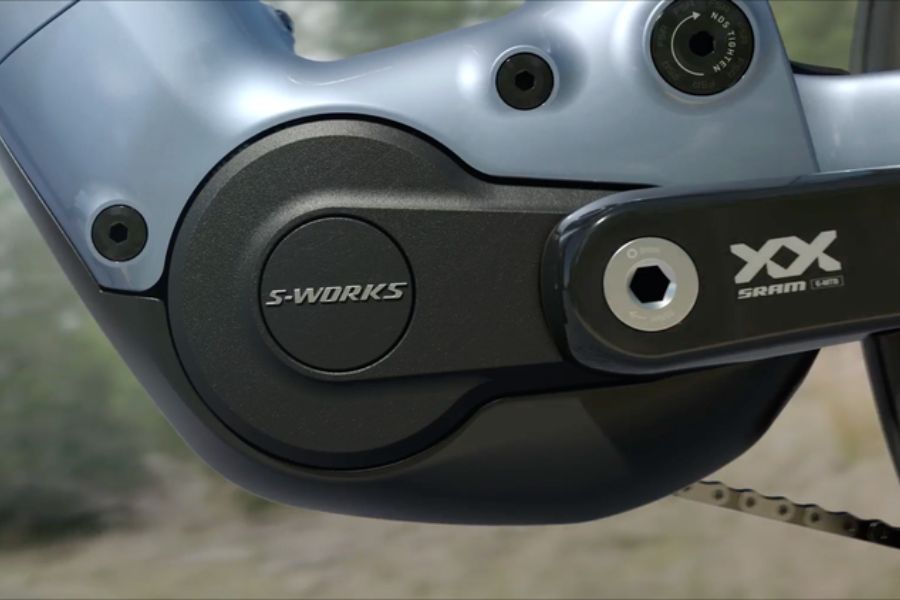
The other point is range clarity across the line. The standard 3.1 motor is strong at 101Nm and 666W, but the S-Works version is stronger again. Buyers need to understand that not every “3.1” motor has the same output. The standard version is still excellent, but the highest numbers belong to the S-Works motor.
Final verdict
The Specialized 3.1 motor is one of the strongest and most capable eMTB motors currently available. It combines smooth lower-mode support with a serious kick in Turbo, and Auto mode is genuinely useful rather than a token feature. In my riding, it reacted quickly when extra support was needed and made mixed terrain easier to manage.
It is not a motor you fully understand in one ride. To get the best from it, you need to learn the modes, experiment with the settings and build confidence in how the power arrives. That learning curve is part of the experience, but it is also what makes the 3.1 system so rewarding once you get used to it.
For riders who want a powerful, tuneable and refined full-power eMTB motor, the Specialized 3.1 is excellent. It has the strength to make climbs easier, the smoothness to keep technical riding controlled and the customisation to let riders shape the bike around their style.
Specialized 3.1 Motor
Specialised 3.1 Motor competition
Bosch Performance Line CX Gen 5
The Bosch Performance Line CX Gen 5 remains the obvious benchmark for full-power eMTB motors. It is powerful, well supported, widely used and very polished at low speed. Compared with the Specialized 3.1, the Bosch system may feel more familiar and broadly supported across more bike brands, while the Specialized offers a highly integrated, tuneable experience inside the Turbo Levo platform.
DJI Avinox
The DJI Avinox system is the motor to beat for outright punch. It has huge power, very strong low-cadence support and an aggressive feel that suits riders who want maximum assistance. Compared with DJI, the Specialized 3.1 feels more controlled and natural in its delivery, but it cannot match the Avinox system for sheer output and acceleration.
Shimano EP801
The Shimano EP801 is lighter in feel and widely used across many eMTBs. It does not have the same punch as the Specialized 3.1, but it remains a popular option because of its compact size, familiar ride feel and broad brand adoption. The Specialized motor feels stronger and more tuneable, while Shimano may appeal to riders who want a more traditional and less forceful system.
Specialized 3.1 Motor FAQs
How powerful is the Specialized 3.1 motor?
The standard Specialized 3.1 motor produces 101Nm of torque and 666W peak power. The S-Works version increases this to 111Nm and 720W peak power.
Is the Specialized 3.1 motor good for technical climbing?
Yes. The Specialized 3.1 motor is very good for technical climbing because it has strong torque, smooth delivery and useful tuning options. Riders still need to manage mode choice, cadence and traction, especially in Turbo mode.
Is Auto mode good on the Specialized 3.1 motor?
Yes. In my riding, Auto mode worked very well and did not feel lacking when extra power was needed. It is especially useful on mixed terrain where gradients and rider effort are constantly changing.
Is Turbo mode too powerful?
Turbo mode can feel too powerful in the wrong situation. It is excellent for steep climbs and open gradients, but on loose or technical trails riders need to be confident with the way the power arrives.
Is the Specialized 3.1 better than Bosch CX?
It depends what you want. The Specialized 3.1 feels extremely powerful, smooth and tuneable, while Bosch CX remains a benchmark for low-speed control, availability and dealer support. The Specialized system is best judged as part of the Turbo Levo platform rather than as a standalone motor.