


Specialized has broadened the Turbo Levo 4 range with two alloy-framed models designed to bring the platform’s entry price down in the UK. The Turbo Levo 4 Alloy is listed at £5,199, while the Turbo Levo 4 Comp Alloy comes in at £5,999.
The headline here isn’t that Specialized has “made a cheaper Levo” — it’s that the brand is putting its latest full-power trail eMTB system into a more accessible frame material while keeping the major talking points intact: a very large battery, high torque, and a chassis designed around modern trail geometry rather than older “e-bike specific” handling compromises. In a market where UK buyers increasingly shop by monthly payment or “what can I get under £6k?”, alloy builds like these often become the volume sellers, and they’re the models you’re most likely to see at trail centres week-in, week-out.
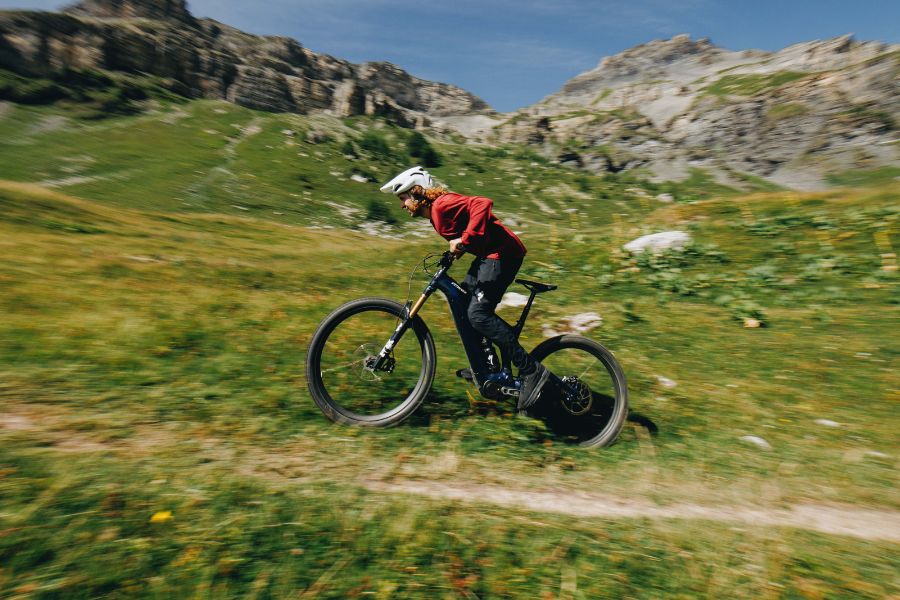
UK pricing and where these sit in the Levo 4 line-up
On Specialized’s UK site, the two alloy models sit below the carbon Levo 4 Comp (£6,799) and above the base alloy option as a two-step ladder: the Levo 4 Alloy is the true entry point, while the Levo 4 Comp Alloy is positioned as the “ready to ride hard” option with a notably stronger suspension and brake package.
It’s also worth noting that third-party retailers such as Specialized Concept Store list the Comp Alloy at the same £5,999 price point, which suggests these aren’t “wishful” RRPs that never appear in the real world.
What stays the same: motor, battery, and the “full power trail” brief
Both bikes are built around the same core e-system: Specialized lists the Specialized 3.1 motor at 666W peak power and 101Nm torque, paired with an 840Wh battery. That battery number matters for buyers comparing bikes on a shortlist, because it pushes these models firmly into the big-day, big-elevation category — the segment where riders want to stop thinking about range and start thinking about where they’ll ride next.

Specialized also frames the Comp Alloy specifically as a “Full Power E-MTB Trail” bike, and claims “up to 5.33 hour range” (which should be taken as a best-case headline rather than a guaranteed ride time). In practical UK terms, the big battery is most relevant for heavier riders, winter conditions (when range typically drops), and anyone who rides steep terrain with higher support modes. Range is never just battery size — tyres, pressure, rider weight, temperature, and assistance settings all play a part — but 840Wh gives you far more flexibility if you don’t want to micro-manage percentages.
The frame: alloy, but not “old-school”
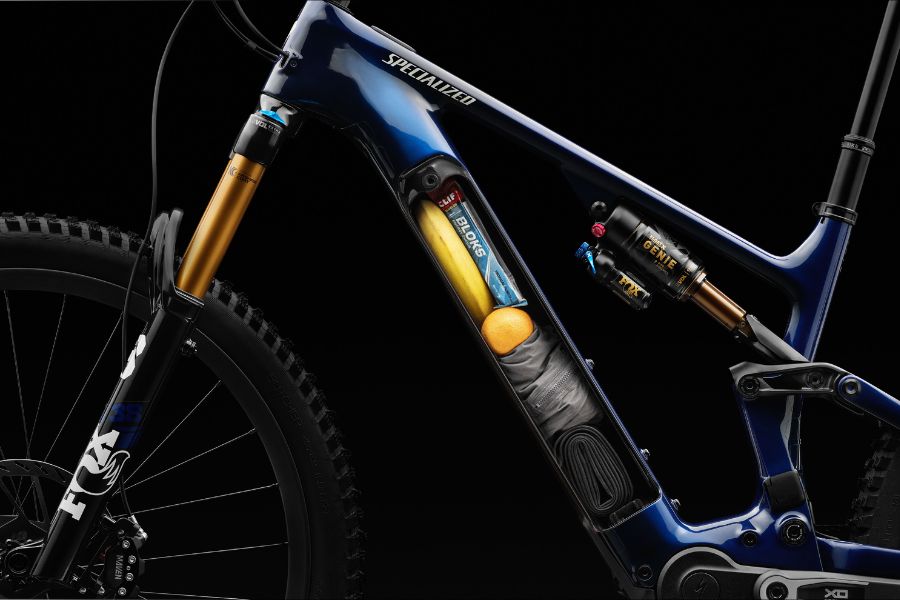
Specialized lists both alloy models as using a Premium M5 alloy frame with geometry adjustability and SWAT storage, which tells you the intent: these aren’t “budget versions” of an older frame. Storage might sound like a lifestyle detail, but on an eMTB it can genuinely change how you ride. Being able to carry a tube, plugs, CO₂ and tools without a pack is the sort of practical win that matters on everyday UK loops when the weather’s grim and you’re riding after work.
There’s also a wider point here for buyers: alloy eMTBs often get unfairly judged as “heavy”. In reality, once you’re dealing with high-capacity batteries and full-power motors, the frame material is only one part of the total mass. What matters more is how the bike carries its weight and how it’s spec’d — particularly suspension quality, tyre casing choice, and brake power.
Suspension travel: trail numbers, not enduro extremes
Both bikes are listed with 160mm fork travel and 150mm rear travel, which puts them squarely into modern “big trail” territory. That’s a sweet spot for UK riding because it suits everything from trail centres to natural descents, while still being manageable on rolling terrain. It’s also exactly the kind of travel pairing that makes sense for a “one bike does most things” eMTB — capable enough to ride hard, but not so much travel that it feels like an enduro specialist on mellower trails.
The real differences: Levo 4 Alloy vs Levo 4 Comp Alloy
This is where the alloy range splits into two genuinely different propositions.
Turbo Levo 4 Alloy (£5,199) is listed with a Marzocchi Bomber Z1 (160mm) fork and a Marzocchi Bomber Inline rear shock, with Specialized noting the shock is “subject to upgrade”. In other words, the base model is built to hit the lower price point while keeping the chassis and drive system intact — and it leaves room for the owner to upgrade contact points later (rear shock, brakes, tyres) if they start riding harder or heavier terrain.

Specialized’s own line-up copy also calls out SRAM DB8 Stealth brakes and an SRAM Eagle 70 drivetrain on the base alloy model. Those are sensible “get riding” components, but on a full-power eMTB they’re exactly the areas that can start to define the bike’s personality after a few months. Brakes in particular are a big deal on long UK descents in wet conditions — heat management, bite consistency, and pad wear can become part of ownership if you ride steep terrain regularly.
Turbo Levo 4 Comp Alloy (£5,999) is positioned as the more performance-led option. Specialized lists a FOX 36 Rhythm GRIP (160mm) fork, and the rear end is described as GENIE – FOX FLOAT X Performance. GENIE is Specialized’s current “platform tech” story for the Levo 4 suspension feel, and the key point for UK buyers is simple: the Comp Alloy is specced to feel calmer and more controlled when you’re riding faster, heavier, and on rougher terrain — not just marginally “nicer”.
Specialized also highlights SRAM Maven Bronze brakes and an SRAM Eagle 90 drivetrain for the Comp Alloy. That combination is the more meaningful upgrade path for riders who already know they’ll be riding steep, fast trails: stronger brakes and a higher-tier drivetrain tend to be the changes you feel most quickly on a full-power eMTB.
Which one makes sense for most UK buyers?
If you want the Levo 4 platform at the lowest price and you’re riding a mix of bridleways, trail centres and general UK trail loops, the Turbo Levo 4 Alloy makes sense — especially if you’re comfortable with the idea that you may upgrade components later, or you simply don’t ride hard enough for top-tier suspension to matter.
If your riding leans more “uplift substitute” — big descents, repeated laps, long steep climbs, heavier rider weight, or simply a preference for brakes you can trust in the wet — the Turbo Levo 4 Comp Alloy looks like the stronger buy on paper. You’re not paying for watts or battery capacity (those are the same). You’re paying for parts that affect ride confidence, control, and consistency.
What it means for “Best eMTB 2026” shopping
Two things. First, these alloy models make the Levo 4 platform much easier to recommend when readers search for a full-suspension electric mountain bike in the UK around £5–6k. Second, they strengthen your tiered buyer’s guide approach: the Levo 4 Alloy can sit as a “mainstream full-power pick”, while the Comp Alloy is a natural “best for riders who prioritise descending confidence” option — without needing to jump into carbon pricing.