
The SRAM MGU patent has become one of the most talked-about eMTB tech stories heading into 2026 because it hints at a future where shifting is moved away from a vulnerable rear derailleur and into a sealed, integrated system around the motor. For UK eMTB riders, that matters for a simple reason: drivetrains live a hard life here. Wet grit, regular torque loads, and winter mileage can turn chains and cassettes into consumables surprisingly quickly, and a single impact can still wipe out a mech or hanger mid-ride.
To be clear, the SRAM MGU patent is not a product launch. Patents protect ideas, and plenty never reach production. But a patent does show where engineering effort is being invested — and this one lands right on a real-world ownership pain point for electric mountain bikes: durability, maintenance, and crash resilience.
If you’re also following the industry push towards tighter parts and support networks (which becomes more important as systems get more integrated), our related explainer is here: Bosch hasn’t bought Magura — but it has taken full control of MBPS.
What the SRAM MGU patent appears to describe
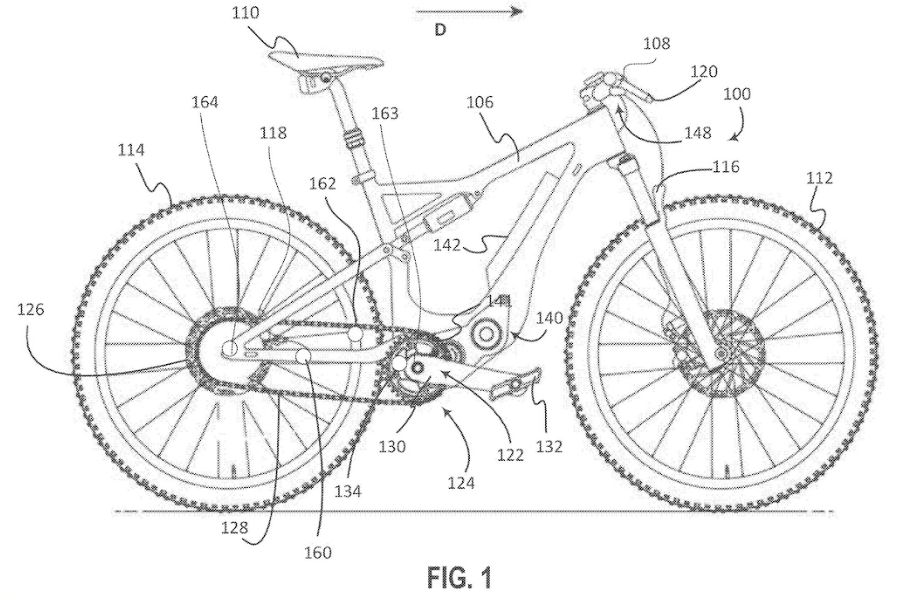
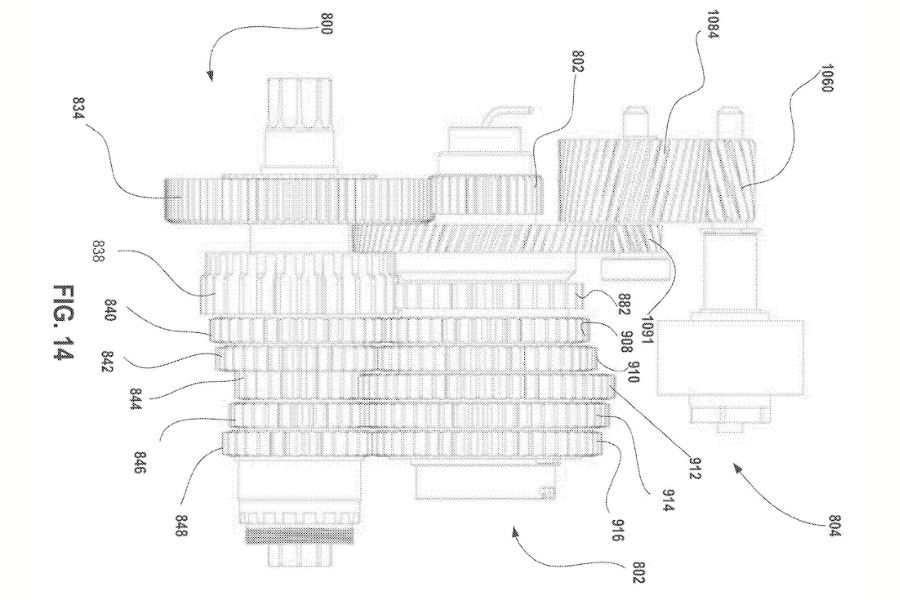
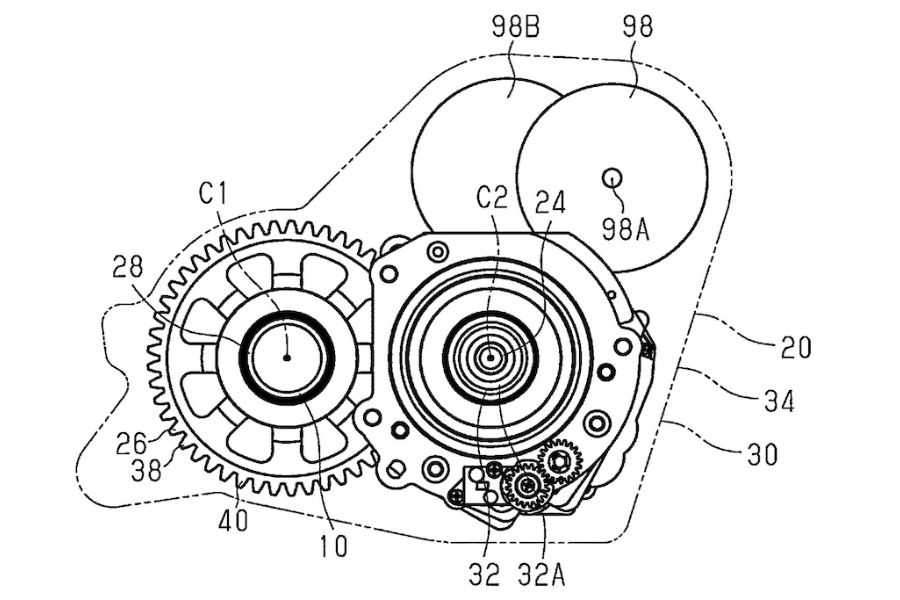
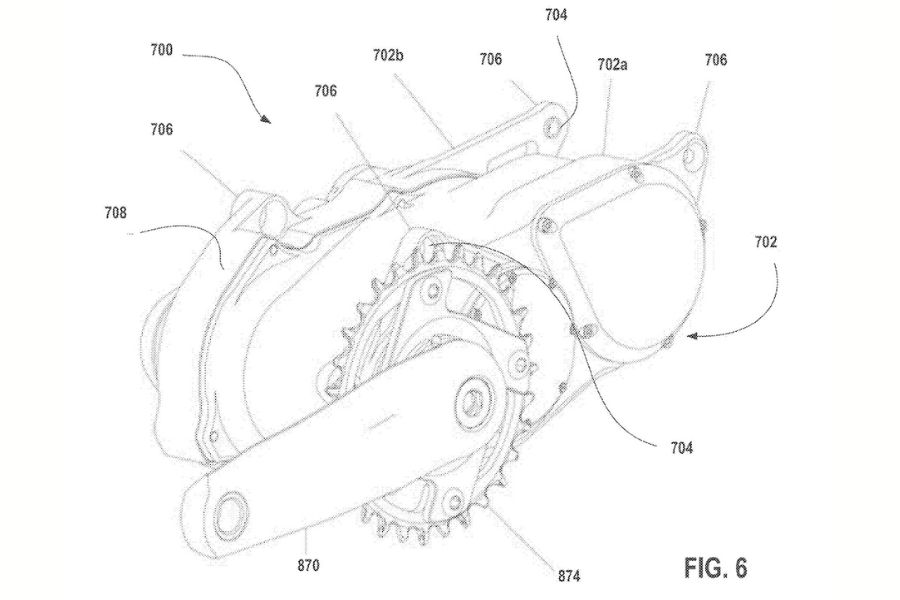
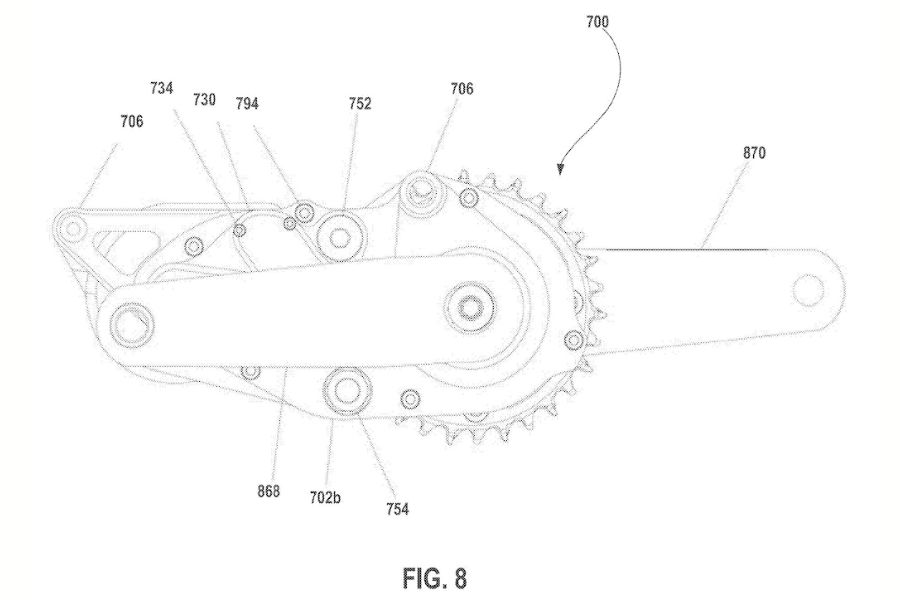
In basic terms, the SRAM MGU patent describes a motor-gearbox unit (MGU) concept: electric assistance and a multi-speed gearbox packaged into one integrated drive unit, rather than relying on a rear derailleur and cassette for gearing. You can view the patent listing here: Google Patents
The detail that has grabbed attention is the suggestion of a multi-speed setup comparable to modern wide-range MTB drivetrains, but delivered through a protected gearbox. If that direction becomes real-world hardware, the practical appeal is obvious: fewer exposed drivetrain parts, fewer alignment issues, and less sensitivity to the kind of mud-and-grit abuse that UK trails dish out.
This also fits the direction of travel for eMTB systems generally: brands are moving beyond “motor and battery” and into complete ecosystems that include drivetrain behaviour, ride modes, data, and service processes. If you want the current baseline of SRAM’s eMTB ecosystem, SRAM’s Eagle Powertrain overview is here: https://www.sram.com/en/sram/mountain/collections/eagle-powertrain
Why the SRAM MGU patent matters more for eMTBs than analogue MTBs
A gearbox conversation always sounds interesting in theory, but it becomes far more compelling on an eMTB because eMTBs magnify drivetrain stresses. Riders climb more, ride further, and apply high torque more often. That isn’t a criticism — it’s the whole point of an electric mountain bike — but it does mean wear rates and failure modes are different to analogue MTB riding.
The SRAM MGU patent also matters because it challenges the biggest vulnerability point on a modern trail bike: the rear derailleur. Even with stronger mounts and better chain management, derailleurs remain the classic “first thing to hit the ground” in a crash or rock strike. If shifting can be moved away from the back of the bike, it could reduce ride-ending failures caused by bent mechs, snapped hangers, or destroyed cassettes.
SRAM has already been nudging the market towards a more frame-integrated drivetrain approach with Eagle Transmission (mounting directly to the frame rather than a conventional hanger). If you want that background context straight from SRAM, start here: https://www.sram.com/en/sram/mountain/collections/eagle-transmission
The big questions SRAM would need to solve for an MGU to work
This is where the SRAM MGU patent becomes interesting rather than just “new tech hype”. MGUs are not automatically better. They trade one set of compromises for another, and eMTB riders will judge them brutally on ride feel and ownership reality.
The main hurdles are:
Weight and packaging. A gearbox drive unit can add weight and concentrate mass low and central. That can be positive for handling, but only if the chassis and suspension are designed around it properly.
Efficiency and pedal-home reality. Riders will ask the obvious question: if the battery is flat, how hard is it to pedal a heavy eMTB home through a gearbox system? That scenario matters in the UK, where big rides and poor conditions can expose weak efficiency.
Heat management and noise. A compact integrated unit has to deal with sustained torque loads on long climbs. Heat, noise, and mechanical drag become real differentiators.
Serviceability and support. This is the make-or-break point. A sealed, integrated unit only works if it can be supported sensibly — clear service intervals, accessible diagnostics, and realistic turnaround times when something does go wrong. Otherwise riders simply trade “I bent my mech” for “my whole drive unit needs replacing”.
That support angle is exactly why we keep linking back to the broader after-sales conversation. eMTB tech in 2026 is only as good as the servicing ecosystem behind it. If you want to be transparent about how Electric MTB UK covers this space, keep these internal links live on major news pieces: Editorial Policy and Transparency.
Is SRAM alone in this direction?
Not really. The gearbox/belt-drive direction has been building for years, especially in use-cases where durability and low maintenance matter. If you want manufacturer context without sending readers to other publications, two useful reference points are:
- Gates Carbon Drive (belt systems): https://www.gatescarbondrive.com/
- Pinion (gearbox systems and e-drive direction): https://pinion.eu/en/
Those links are not “SRAM competitors” in a simplistic sense — they’re a clue to where the wider industry is pushing: fewer exposed moving parts, better longevity, and more consistency in bad conditions.
What to watch next in 2026
The smartest way to read the SRAM MGU patent is as a signal, not a promise. If SRAM is serious about an MGU roadmap, you’ll see it first in integration decisions rather than marketing:
- More OEM frame designs that clearly prioritise gearbox packaging around the motor area.
- A push for service documentation and dealer support that treats the drive unit as a maintainable long-term component.
- A consistent user experience story (shift behaviour under load, auto-shift logic, ride modes that feel predictable).
Until there is a rideable production unit, the correct stance is interest, not certainty. But it is hard to ignore the direction: when a major drivetrain brand starts protecting MGU concepts, it suggests the rear derailleur may not remain the default answer for every high-end eMTB forever.
And if you’re mapping where all of this matters on the ground — the kind of riding that destroys drivetrains and exposes weaknesses — our UK bike park and trail centre directory is exactly where these tech conversations become real.
Frequently Asked Questions
What is an MGU on an eMTB?
MGU stands for motor-gearbox unit: a system that integrates the eMTB motor and a multi-speed gearbox into one unit, typically located around the bottom bracket area.
Is SRAM definitely releasing an MGU eMTB motor?
No. A patent filing is not a product announcement. It indicates R&D interest and design protection, but it does not guarantee a commercial launch.
What gear range is SRAM’s patent talking about?
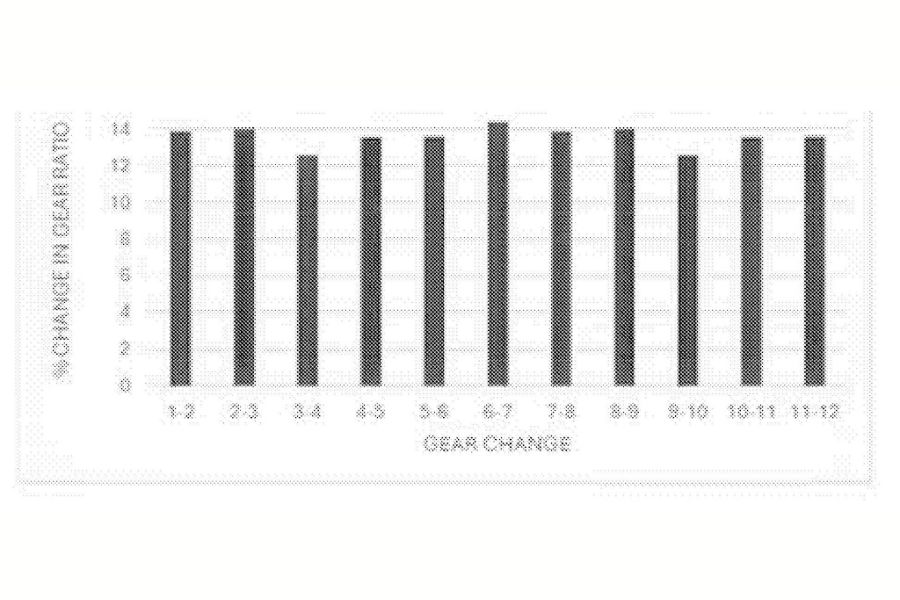
Coverage of the filing describes a 12-speed system with an overall range around the 500% mark (roughly 504% is referenced in reporting). That places it in the same broad range as wide-range derailleur drivetrains, but delivered through a gearbox.
Why do riders want MGUs on eMTBs?
The main motivations are durability and protection: fewer exposed drivetrain parts, less vulnerability to impacts, and (in theory) lower maintenance in mud and wet conditions.
What are the downsides of an MGU?
Potential downsides include added weight, complexity, possible efficiency losses, and a heavier “pedal home” experience if the battery is flat. Long-term serviceability and spares support are also critical.