

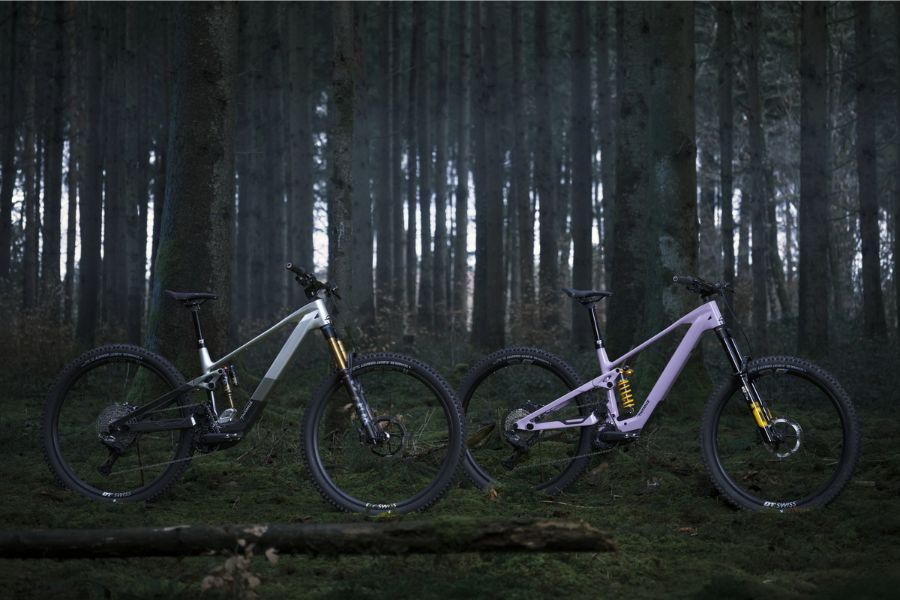
The Thömus Oberrider is the latest premium eMTB to launch around the Avinox Drive System, and it is an important sign that the platform is moving beyond early-adopter curiosity into mainstream brand uptake. Rather than hanging the entire story on motor numbers, Thömus is pitching the Thömus Oberrider as a proper trail-and-enduro chassis with meaningful frame adjustability, a high-pivot rear end, and two distinct configurations aimed at different riding styles.
For UK riders, the Thömus Oberrider sits neatly in the same conversation as other Avinox-powered bikes already being discussed on Electric MTB UK. If you want the broader context on how this system is being positioned and what the ownership questions look like, it is worth revisiting our coverage of the Avinox third-party range extender warning before you get too carried away by peak-power headlines.
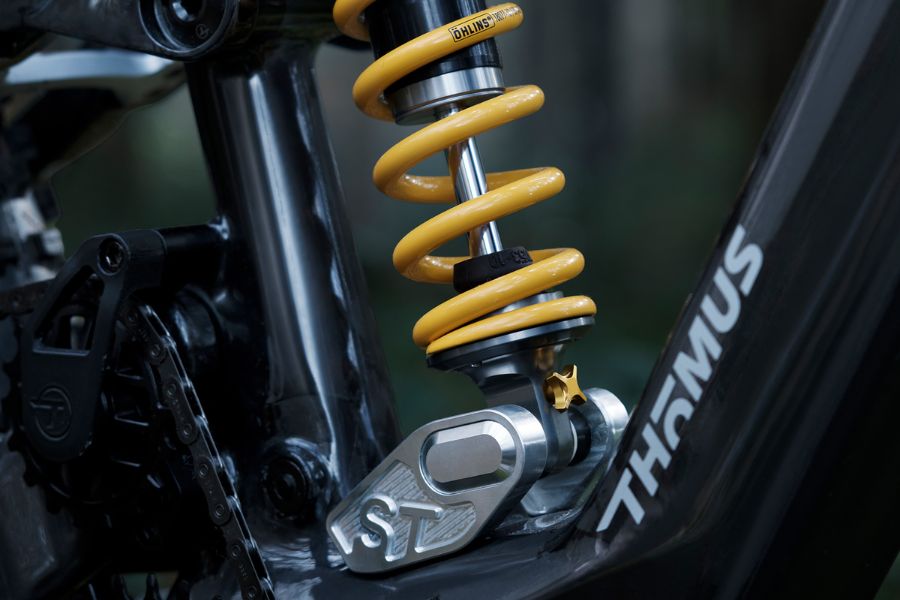
Externally, Thömus presents the Oberrider as a configurable platform, and the clearest overview is on the official Thömus product pages at Thömus Oberrider, while Avinox positions its own system-level details on Avinox.
Two versions from one platform: Oberrider SL and Oberrider ST
Thömus is effectively building the Thömus Oberrider around a “one frame, two intents” approach. The Oberrider SL is the shorter-travel option, aimed at riders who want a more agile, trail-bike feel, the sort of setup you would choose for speed on natural singletrack, trail centres, and all-day loops where you still want a lively chassis. The Oberrider ST is the longer-travel build aimed at harder riding, where you are more likely to be pushing into enduro terrain, bike-park laps, and repeated high-load impacts.
That split matters because it reflects what a lot of UK eMTB riders actually want right now: one premium eMTB platform that can be configured to match the riding, rather than buying a dedicated “big bike” that only comes alive on the roughest days. It also shows how brands are starting to wrap the Avinox Drive System into broader platform stories, rather than treating it like a bolt-on motor headline.
If you have been following Avinox launches on the site, the Thömus Oberrider also adds another angle to the growing list. Our earlier coverage of the Atherton S.170E Avinox eMTB and the Amflow PL Carbon Pro Avinox eMTB shows how varied these early platforms are, and the Oberrider is clearly leaning into chassis sophistication and adjustability.
High pivot, mullet flexibility, and a focus on chassis tuning
The Thömus Oberrider uses a high-pivot rear suspension layout, which is typically chosen to improve composure through square-edge hits and maintain traction when you are braking hard into rough terrain. In plain riding terms, high-pivot designs are usually about keeping the back end calmer when trails get properly violent, especially when the rider is loading the bike through compressions and impacts.
Thömus is also claiming a good amount of configuration flexibility on the Oberrider, including the ability to run either a 27.5in or 29in rear wheel. For UK riders, that mullet option can be appealing if you ride tighter, steeper woods and want a slightly easier-to-manoeuvre rear end without giving up front wheel stability.
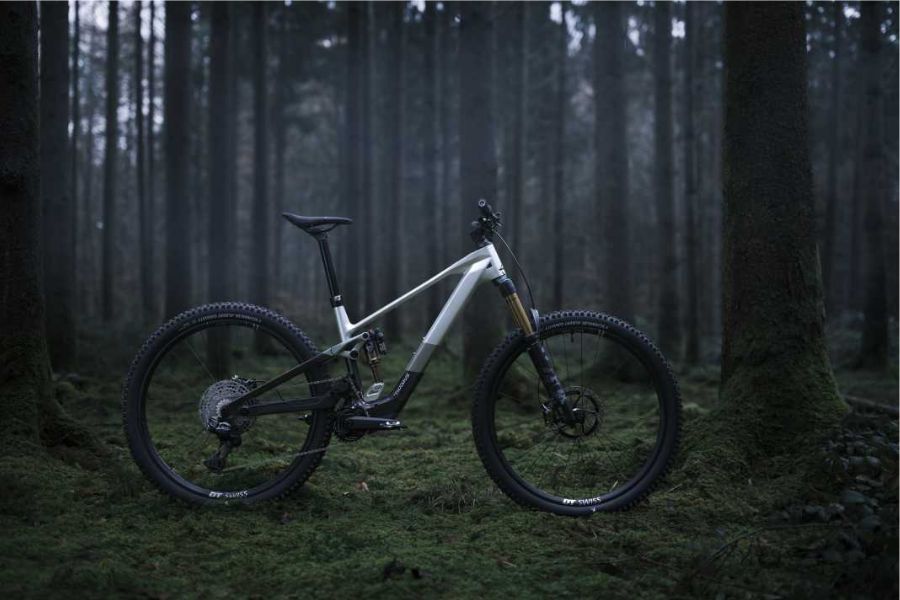
One of the more interesting details, based on how Thömus is describing the frame, is a rare emphasis on “feel” adjustments beyond the usual shock tuning and geometry chips. Thömus specifically talks about chassis compliance tuning through a removable rear bridge concept, which is not something you often see explained so openly in launch positioning. If you want to dig into how Thömus is presenting those design choices, the official overview is laid out on the Thömus Oberrider product page.
Avinox Drive System: why UK riders should care beyond peak numbers
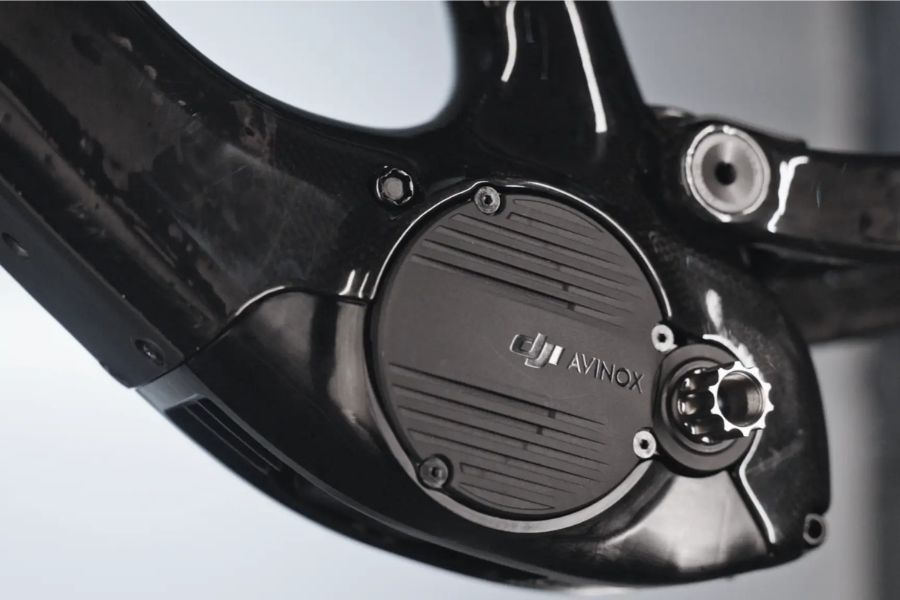
The Avinox Drive System has been marketed heavily around peak output claims and short-duration boost behaviour, but the UK lens is still the same as it is with any drive unit. Riders care about how controllable the assistance feels at low speed on wet roots, how predictable it is on off-camber climbs, how smoothly it cuts off at 25km/h, and how well the system behaves after firmware updates.
That is why “ecosystem” stories are now as relevant as launch specs. Avinox is pushing a more modern, connected experience, and you can see how it frames that on the official Avinox site. But in the real world, UK riders will be watching how service and support matures, how updates land, and how easy it is to live with when you are riding week in, week out in typical British mud and weather.
This is also where that earlier Electric MTB UK coverage stays relevant. The Avinox third-party range extender warning is a good reminder that ownership details can matter just as much as output figures, especially as more riders start modifying setups to chase bigger days out.
Price, weight claims, and what happens next
Thömus is quoting the Thömus Oberrider from CHF 5,490 with a claimed starting weight of 19.5kg, positioning it firmly in the premium, performance-focused end of the market. Availability has been discussed around spring 2026 in launch coverage, and Thömus appears to be leaning into a configurable build approach rather than a single fixed “one spec fits all” model.
For Electric MTB UK readers, the main takeaway is simple. The Thömus Oberrider is another signal that Avinox is quickly becoming something riders will cross-shop seriously against established systems, not just read about as a headline. As more brands commit to full platforms around it, the focus will shift from launch claims to real-world ride character, reliability, servicing, and long-term software behaviour.
If you are tracking that wider Avinox story on the site, the Thömus Oberrider makes most sense when read alongside our coverage of the Atherton S.170E Avinox eMTB and the Amflow PL Carbon Pro Avinox eMTB, because those show how quickly the ecosystem is diversifying.