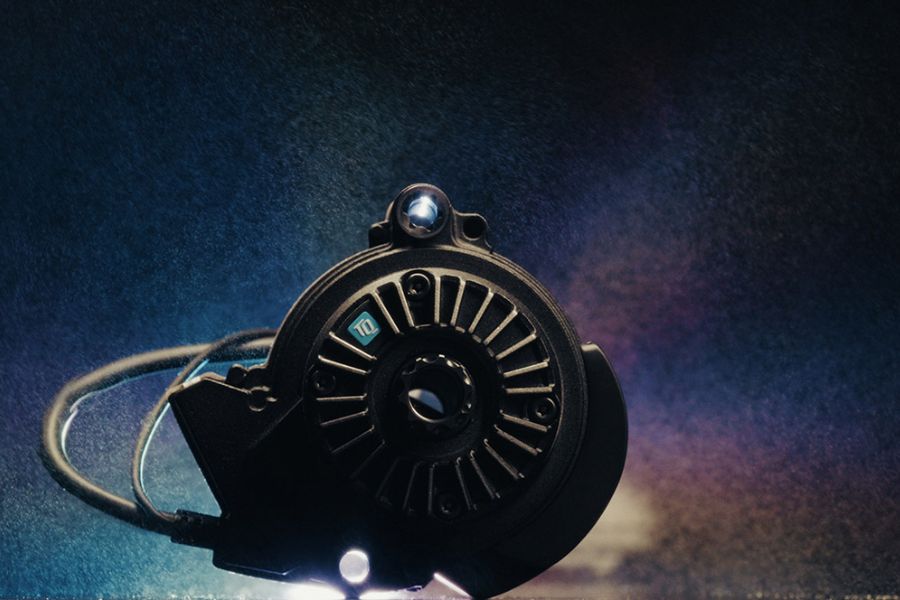
Lightweight eMTBs have moved from a niche idea to a genuine category, and the TQ HPR60 is one of the main reasons. It sits in that “low weight, high feel” space that UK riders keep asking for: enough assistance to make long climbs and big days realistic, without turning the bike into a full-power bruiser that needs a van to get it to the trail.
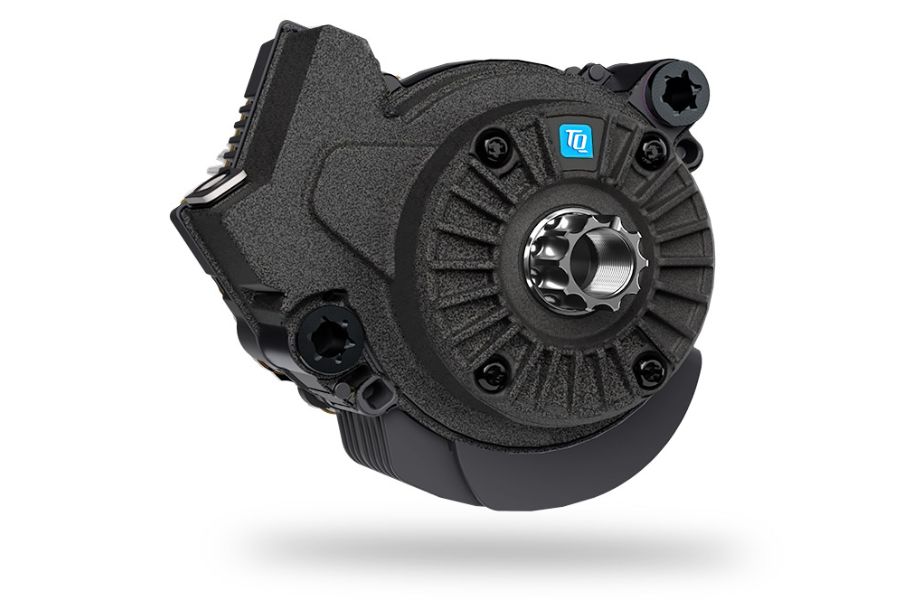
The headline numbers are part of the story. The TQ HPR60 is rated at 60 Nm of torque, 350W of power, and a quoted motor weight of 1,924 g, with up to 200% support. What matters in practice is the aim behind those figures. TQ talks about power-to-weight and efficiency rather than chasing maximum output, and that lines up neatly with what many riders want from a modern trail eMTB: a bike that still feels like you are riding it, not being dragged along by the motor.
If you are new to the category, it is worth reading our eMTB motors and batteries explained guide first, as it makes it easier to compare systems like the HPR60 against full-power units (Bosch, Shimano, Brose, and others) without getting lost in marketing. The “right” motor is mostly about matching the bike to your typical terrain and speed, not just picking the biggest number.
Battery options and why they matter more than ever
One of the most useful aspects of the current TQ system is its flexibility in battery sizing. On the TQ batteries and range extender page, TQ lists multiple internal battery capacities (including 250Wh, 360Wh and 580Wh options), plus a 160Wh range extender designed to fit in the format of a 500ml bottle. That gives bike brands plenty of room to build different personalities around the same motor, from “short, spicy ride” builds to bigger-range trail bikes that can still keep overall weight sensible.
For UK riders, that is a bigger deal than it sounds. Our riding tends to be stop-start, greasy, and full of short climbs that reward a motor with a natural response rather than a hard shove. The ability to choose a smaller main battery for a lighter feel, then add range on longer days, is a practical advantage if you ride the same bike for local laps and all-day missions. If you want to get more from the battery you already have, our guide on how to get more range from your eMTB battery is still the best place to start, because tyre choice, pressures, cadence, and support mode often affect range more than people expect.
Displays, remotes and the “keep it simple” approach
TQ is also pushing the idea that the e-bike system is more than the drive unit. Their overview of the TQ e-bike system frames it as a complete package that includes battery, display, remote, app and software. From a practical standpoint, riders can keep the cockpit clean while still accessing useful information.
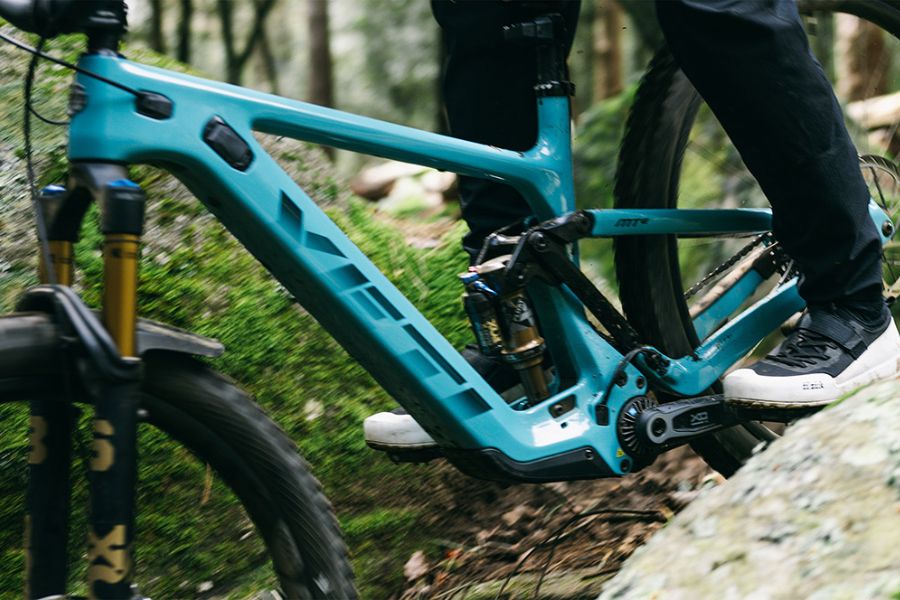
The TQ display and remote page is a good reference point if you are trying to understand what you will actually see while riding. The approach is very much “reduced but functional”: enough data to manage range and ride modes, without turning your top tube into a tablet. If you like to tinker, the TQ app tailors support responses and system details, which is useful if you are setting up the bike for different riding styles or family members.
Where TQ HPR60 fits in the bigger eMTB picture
The simplest way to think about HPR60 is that it is built for riders who care about handling and feel first, then want enough help to go further and climb more in the same time. That lines up with modern “e-trail” thinking and with a lot of UK riding, where the best days are often about linking trail sections and riding natural-feeling singletrack, rather than smashing bike-park laps on repeat.
It also aligns well with the current trend toward “future trail” style bikes. If you want a concrete example of where the category is heading, take a look at our coverage of the Orbea Rallon RS, which is part of the wider movement towards lighter, more integrated eMTBs.
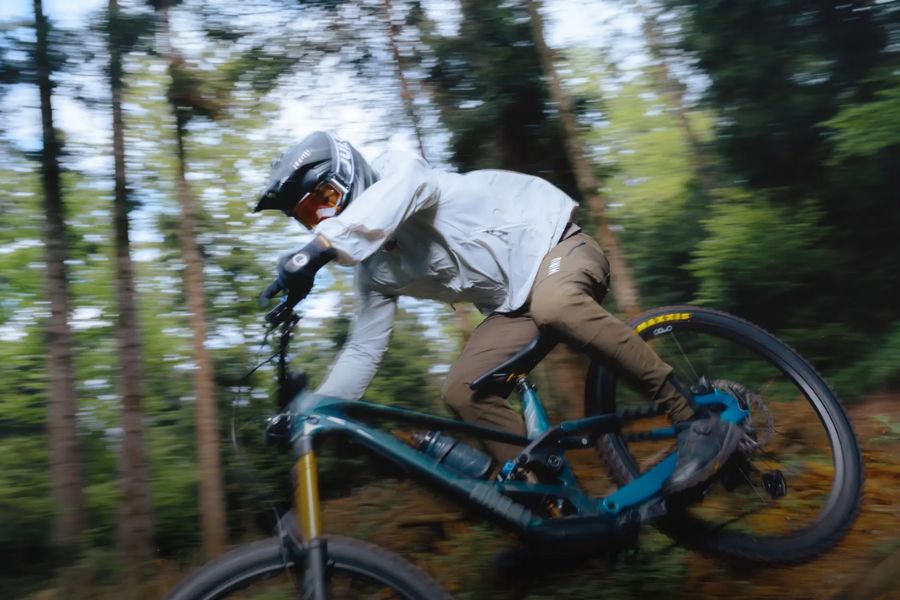
If you are shopping, I would also keep an eye on geometry choices. Lightweight eMTBs often tempt brands to go aggressive with reach and wheelbase, because stability feels “free” when the bike is light. That is great on open tracks, but it can make tight UK woods feel slower and harder work. If you are unsure what you want, the shortlists in our eMTB buyer’s guide hub and guides like best trekking and SUV electric mountain bikes 2026 help you sanity-check whether you are buying the right tool for the job.
Quick checklist before you buy a TQ HPR60 bike
Start by being honest about ride length and terrain. If most rides are 60 to 120 minutes with punchy climbs, a smaller internal battery can keep the ride feeling lively. If you regularly ride 3- to 5-hour days, look for a larger battery option or a bike that supports the 160Wh range extender and has a practical mounting solution. Then review the suspension spec, as lighter eMTBs often ship with “mid-tier” forks to keep costs and weight under control. That is not a deal-breaker, but it is worth reading our eMTB forks and suspension set-up guide so you can spot where upgrades might matter most.