

Buying a used eMTB can be a smart way into the sport. You can often step up a category, get better suspension, or land a higher-spec motor system for the same money as a brand-new entry-level bike. The flip side is that an electric mountain bike is a more complex machine than an acoustic MTB. A worn drivetrain is annoying. A tired battery, a neglected motor system, or a cracked frame is a different level of problem.
This used eMTB buying checklist is written for UK riders who want to do the basics properly. It’s not about turning the purchase into a forensic investigation. It’s about making sure the bike is legal, traceable, serviceable, and mechanically sound before you hand over cash. If you want the UK legality refresher first, read UK eMTB law explained alongside the government overview at GOV.UK: Riding an electric bike, the rules. For the tech background on what you’re actually buying, start with eMTB motors and batteries explained.
Start with the non-negotiables: legality, provenance, and whether it’s stolen
The first step in any used eMTB buying checklist is making sure the bike is what the seller says it is. If the bike has been derestricted, modified to assist above legal limits, or has a throttle setup that pushes it into motor-vehicle territory, walk away. It’s not just a legal headache. It can also create insurance, liability and resale problems later, even if the bike feels “fine” on a test ride. If you want a clearer definition of what counts as a legal eMTB in the UK, What is an eMTB? is the quick baseline.
Next is proof of ownership. Ask for the original purchase receipt or invoice, the frame number, and any service documentation. A genuine seller won’t always have everything, but they should be relaxed about sharing identifiers and answering basic questions. If a seller refuses to provide the frame number, or the story changes, treat it as a warning sign.
Then do a stolen-bike check. In the UK, a simple and worthwhile step is using BikeRegister’s BikeChecker to see if the frame number has been flagged. It isn’t perfect, but it’s a sensible filter that takes seconds.
Battery health and charging safety: what to look for, what to ask, what to avoid
Battery condition is where a used eMTB buying checklist earns its keep. A battery can look tidy and still be tired inside. Age, storage habits, charging patterns and sheer mileage all matter.
Start with the basics you can see. Check the battery casing for cracks, deep scuffs, swelling, damaged contacts, or any sign the pack has been dropped. Check the charging port, the sealing flap or cover, and the charger plug condition. If the charger is not original, or looks cheap and generic, be cautious. Batteries and chargers are not an area for “it’ll probably be fine”.
Ask the seller how the battery was stored. A bike kept in a damp shed with the battery permanently at full charge is a different proposition to a bike stored indoors and used regularly. If the seller is vague, it doesn’t mean the battery is bad, but it raises uncertainty that should affect what you’re willing to pay.
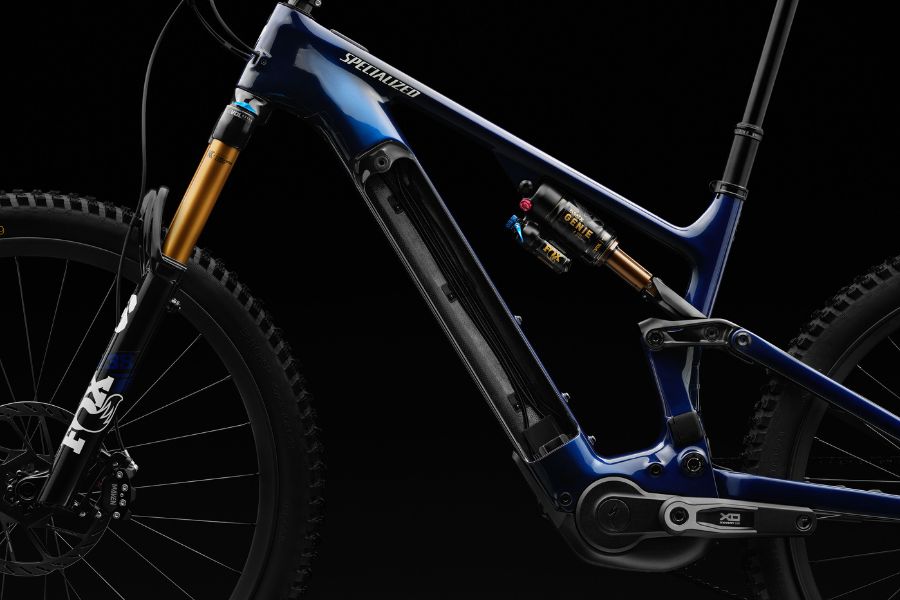
If the system supports it, ask for a battery health report from a dealer. Many eMTB ecosystems can provide diagnostic information through authorised workshops, and a seller who is confident in the bike is often happy to meet at a dealer for a quick check. For Shimano systems, it’s also worth knowing that settings and firmware are managed through the official app, E-TUBE PROJECT Cyclist, and if you want to find a Shimano dealer, there’s a Shimano Dealer Locator. For Bosch-equipped bikes, Bosch’s own help centre explains how to use the dealer search and the support pathways here: Bosch eBike Systems: find a dealer.
Battery safety matters too, especially when you’re buying second-hand. In the UK, product safety guidance exists specifically for e-bike batteries, and it’s worth a quick skim if you’re unsure what “safe” looks like: GOV.UK: statutory guidelines on lithium-ion battery safety for e-bikes. For practical charging safety advice, London Fire Brigade’s #ChargeSafe guidance is clear and UK-relevant. Finally, if you’re looking at off-brand batteries, conversion kits, or bikes that feel like grey imports, it’s worth checking the UK database of unsafe products and recalls: GOV.UK: Product Safety Database.
Motor system checks: noises, sensors, firmware, and error history
A used eMTB buying checklist should always include a proper motor system check, because a quick spin round the block can hide issues that appear under sustained load.
On the test ride, listen for mechanical noises that don’t match the terrain. Some motors have a characteristic whirr, but clunks under load, graunching, or repeated knocking when you apply power can point to internal wear, loose mounts, or drivetrain issues masquerading as motor problems. Pay attention to power delivery. It should feel predictable, not like it surges unpredictably or cuts in and out.
Look at the display behaviour too. Does it throw warnings, flicker, or behave oddly when you hit bumps? If the system shows an error code, don’t accept “it does that sometimes”. Get the code and check what it means. Bosch has an official help page on error codes here: Bosch eBike Systems: error codes.
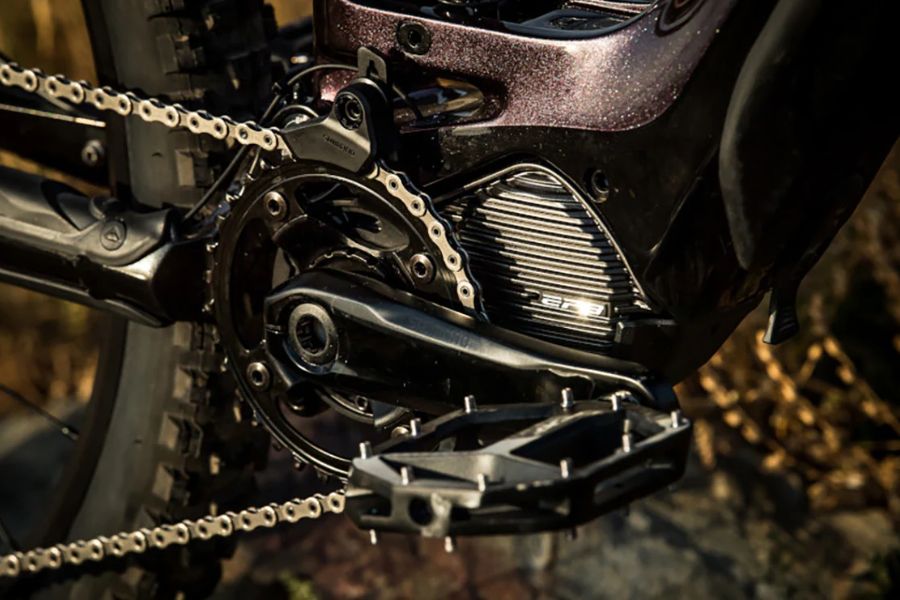
Firmware is another quiet differentiator. A bike that hasn’t been updated for years can still work, but it can also be glitchier, less efficient, or simply harder to support. The simple question is: has it had recent firmware updates through the proper channels, and can the seller show the app connection working? If the seller can’t connect the bike to the appropriate app or insists “apps don’t matter”, treat it as a yellow flag rather than a deal-breaker.
Frame, suspension and bearings: the expensive stuff you can’t ignore
This is the part of the used eMTB buying checklist that saves you from heartbreak. Cosmetic scratches are normal. Structural damage is not.
Inspect the frame in good light. Look closely around the head tube, downtube, motor mount area, shock mounts, linkage pivots and rear triangle junctions. If there’s paint damage, check whether it’s just surface scuffing or whether there are signs of cracking, rippling or unusual lines in the carbon or alloy. Check that bolts look original and not rounded off. An eMTB that’s been heavily tinkered with can be fine, but it can also be a sign of recurring issues.
Then check bearings. Hold the rear wheel and gently push side-to-side to feel for play through pivots. Lift the bike slightly and drop it a small amount to listen for rattles. Spin the wheels and listen for roughness. A rough hub bearing is annoying. Rough pivot bearings are a cost and can indicate the bike has lived through a hard UK winter without proper care.
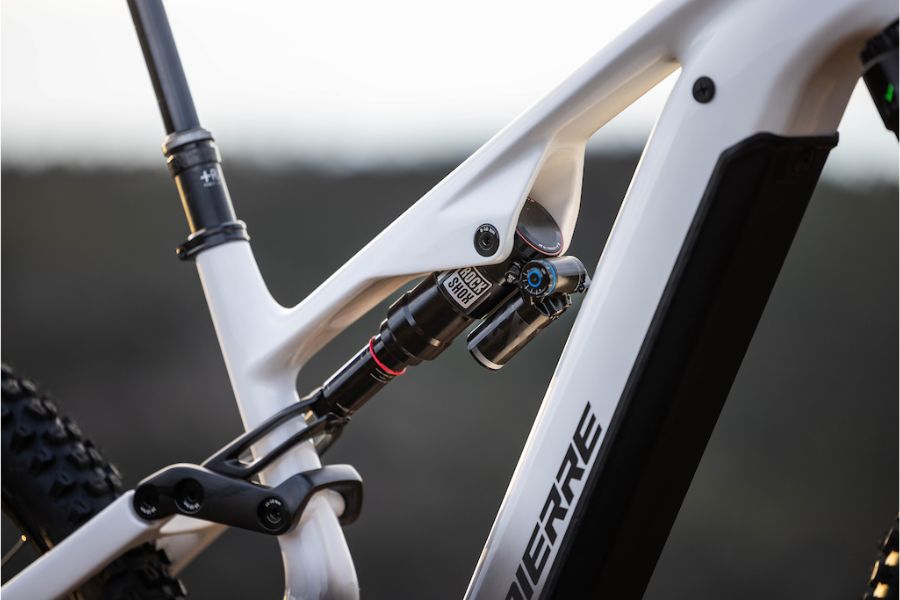
Suspension condition matters more than many sellers admit. If the fork or shock looks dry, scored, or oily around the seals, budget for servicing. If the bike “packs down” or feels harsh and unresponsive, it may need more than a quick rebound tweak. If you want a baseline for how to maintain an eMTB through UK conditions, your own eMTB maintenance schedule (UK) sets out the cadence that keeps bikes feeling fresh.
Drivetrain and brakes: where the real running costs show up
A used eMTB buying checklist is incomplete without acknowledging consumables. eMTBs wear chains, cassettes and brake pads quickly, particularly in wet grit. You don’t need the bike to be “like new”, but you do want to avoid buying a bike that needs a full drivetrain and brake refresh immediately unless the price reflects it.
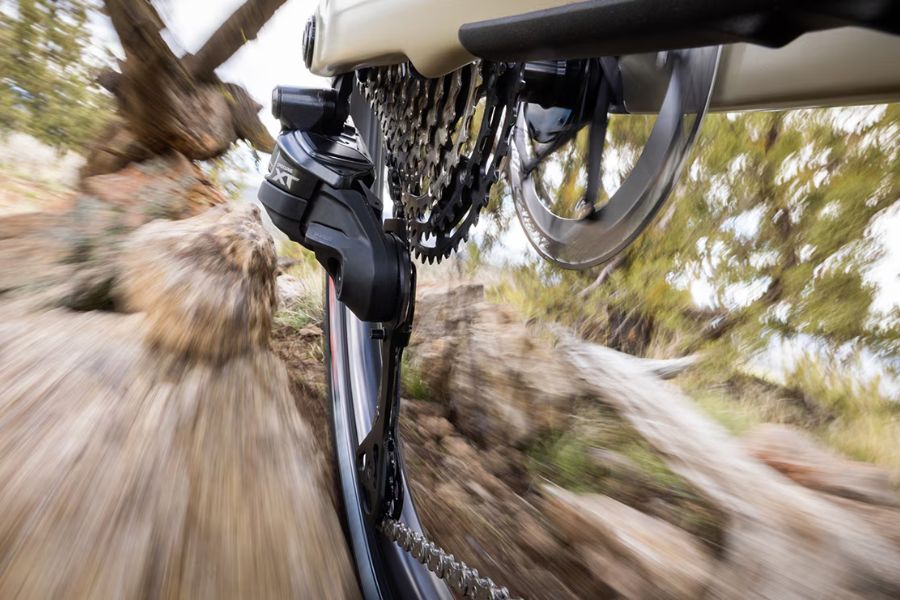
Look at the chain and cassette. If the chain looks rusty, dry, or heavily gunked, assume it’s worn until proven otherwise. Check shifting under load on a climb. If it skips, crunches or won’t hold a gear under torque, you may be looking at chain and cassette wear. This is the ownership reality piece, and it’s why your guide on eMTB drivetrain wear explained (UK) is worth reading before you buy.
Brakes are similar. Squeeze the levers. They should feel consistent, not spongy or pulling to the bar. Listen for grinding that suggests pads are down to metal backing, and look for rotors that are heavily scored or discoloured from heat. If you want the UK-specific view on compounds and rotor sizes, eMTB brake pads and rotors for UK riding will help you price up what “good braking” actually costs.
The test ride that tells you the truth
The final step in this used eMTB buying checklist is a ride that includes a climb, a rough section, and some braking. You’re looking for a bike that feels tight and predictable.
On climbs, the motor should feel smooth and consistent, with no odd cut-outs. Under load, the drivetrain should not skip. On rough ground, listen for rattles that suggest loose motor mounts, headset play, worn pivots or loose battery fitment. On descents, braking should remain consistent and the bike should track straight without vague steering.
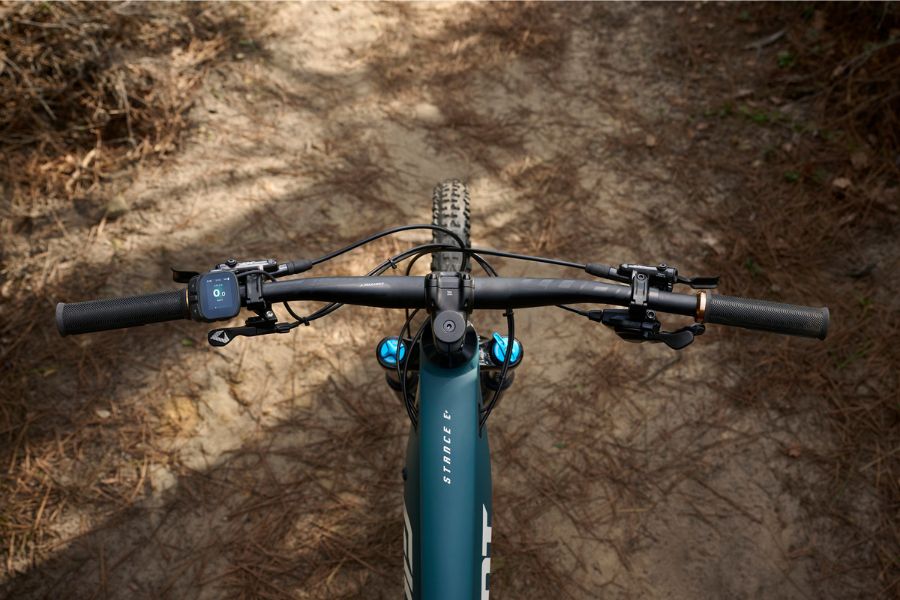
If the seller is reluctant to let you ride properly, or insists you can only ride in a car park, be cautious. A used eMTB is too expensive and too complex to buy on faith alone.
A practical closing thought
A good used eMTB buying checklist isn’t about finding a perfect bike. It’s about buying a bike where the remaining life of the big-ticket components makes sense for the price. When a second-hand eMTB is right, it’s one of the best value purchases in mountain biking. When it’s wrong, it can become a money pit fast.
If you’re still deciding what category of bike to shop for, start with your main buying hub, Best eMTB 2026, then narrow it down by riding style through Best full-suspension eMTB 2026 or Best hardtail eMTB 2026. The right match reduces the chances you’ll end up chasing problems that were never going to suit your riding in the first place.