Knowing what to upgrade first on an eMTB can save a lot of money. Electric mountain bikes are expensive to buy, but they can also tempt riders into spending even more on eMTB upgrades before they have worked out what the bike actually needs. New bars, shiny wheels, wireless drivetrains and carbon parts all look appealing, but they are rarely the first things that make the biggest difference on UK trails.
The best eMTB upgrades are usually the practical ones. Tyres, brake pads, rotors, pedals, grips, saddle setup, suspension tuning and basic protection can change how the bike feels far more than expensive cosmetic parts. That is especially true on a full-power electric mountain bike, where the extra weight, motor torque and repeated climbing can put more strain through tyres, brakes and drivetrains than a normal mountain bike.
The right first upgrade depends on the bike you own, the terrain you ride and what is holding you back. A budget hardtail used on bridleways does not need the same upgrades as a long-travel full-suspension eMTB ridden at trail centres every weekend. If you are still deciding what type of bike to buy, our guide to hardtail vs full-suspension eMTB explains that bigger buying decision first.
For riders who already have an electric mountain bike, this guide explains which eMTB upgrades are worth considering first, which ones can wait, and which upgrades are often a waste of money.
Start with setup before buying parts
The first eMTB upgrade should not always be a new component. It should be setup. A badly set-up electric mountain bike can feel harsh, slow, nervous or underpowered even when the parts are perfectly good. Before spending money, check tyre pressure, suspension sag, brake position, saddle height, handlebar roll, lever angle and drivetrain adjustment.
Tyre pressure is one of the easiest places to start. Too much pressure can make an eMTB feel skittish and short on grip, especially on wet roots and muddy off-camber sections. Too little pressure can make the rear tyre squirm, drag and risk rim damage. Because eMTBs are heavier than normal mountain bikes and put more load through the rear tyre, small pressure changes can make a big difference. Our eMTB tyre pressure guide explains how to find a sensible starting point for UK trails.
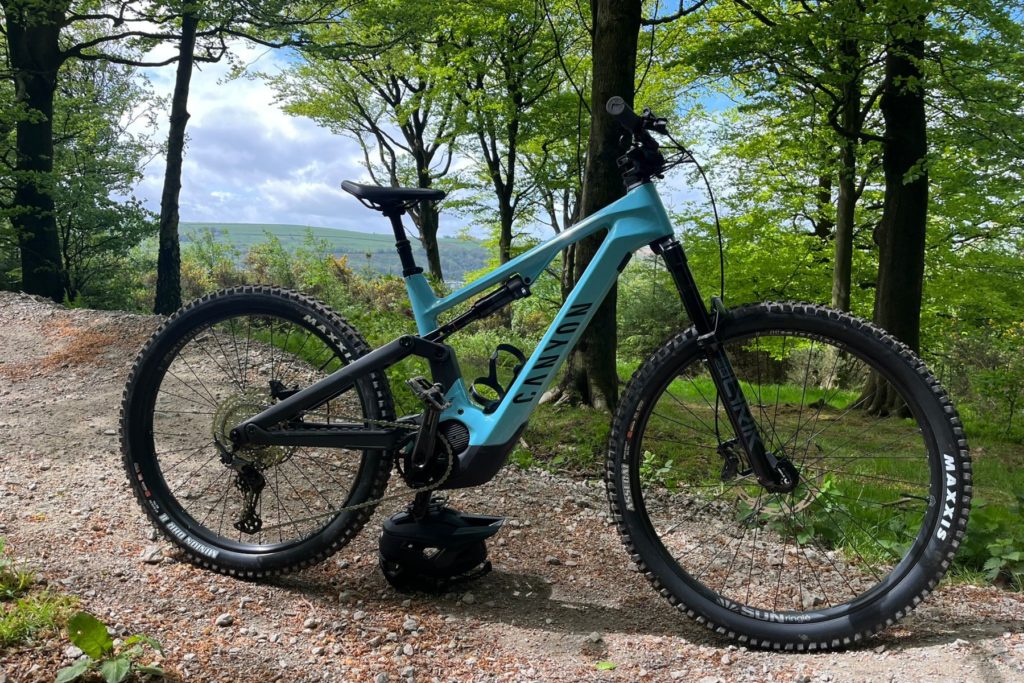
Suspension setup matters just as much, especially on full-suspension eMTBs. A bike with too much sag can feel wallowy, vague and inefficient. A bike with too little sag can feel harsh and struggle for grip. Many riders buy a full-suspension eMTB and never properly set the shock or fork for their weight and riding style, then assume the parts need upgrading. Often they simply need setting up properly.
Brake lever position is another free improvement. If the levers are too far inboard, too flat or too steep, braking control suffers. A small adjustment can make steep descents feel calmer because your hands, wrists and fingers are in a stronger position. The same applies to saddle height and angle. An eMTB that climbs badly may not need a motor upgrade; it may need the saddle moved, the tyres checked and the rider using a better gear.
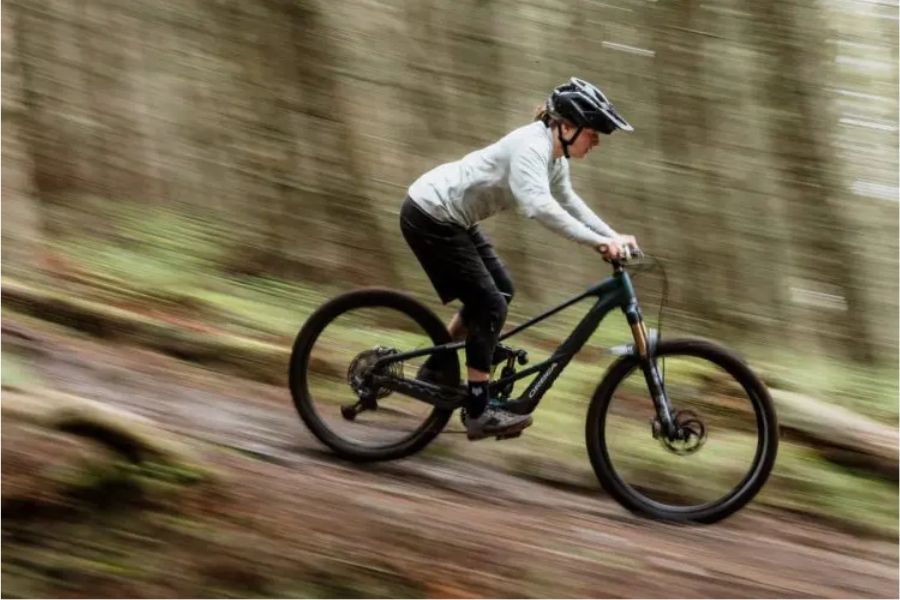
Before buying anything, clean the bike properly, check it carefully and ride a familiar route. A dirty drivetrain, brake rub, low tyre pressure or worn chain can make an eMTB feel worse than it is. Our guide to how to clean an eMTB properly explains how to wash the bike without damaging the motor, battery or charging port.
Tyres are usually the best first eMTB upgrade
For most riders, tyres are the best first eMTB upgrade. They affect grip, braking, comfort, puncture protection, battery range and confidence. They are also one of the parts most likely to be compromised on cheaper electric mountain bikes.
The rear tyre on an eMTB has a hard life. It has to deal with rider weight, bike weight, motor torque, braking forces and repeated impacts. A lightweight or thin-casing rear tyre can feel lively at first, but it may puncture, squirm or wear quickly once ridden hard on UK trails. A stronger casing can make the bike feel more stable and reduce the risk of rim strikes, especially for heavier riders or anyone riding rocky trail centres.
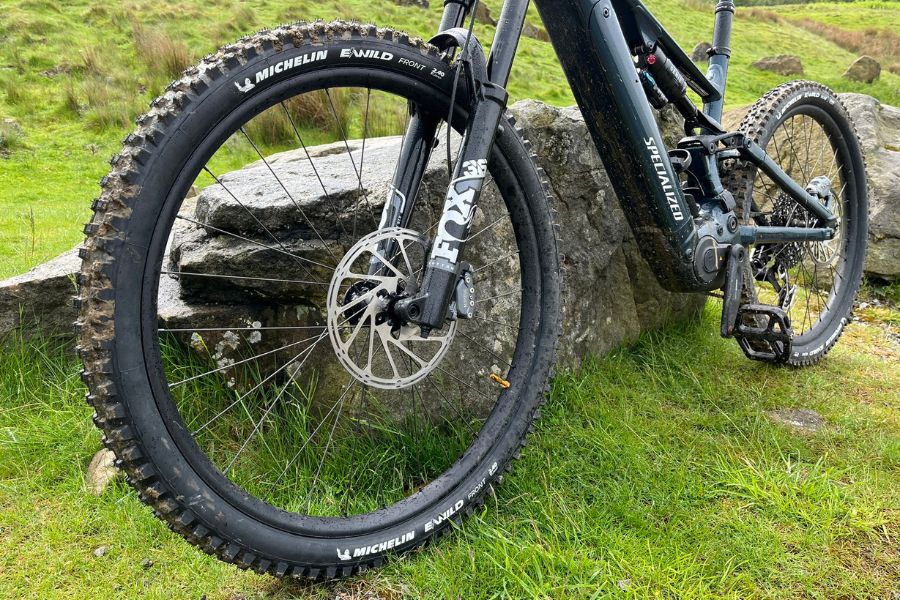
The front tyre has a different job. It needs to give confidence when braking, cornering and dropping into steep or slippery sections. A poor front tyre can make even a good eMTB feel nervous. If the front keeps washing out on wet roots, greasy trail-centre surfaces or loose corners, a better tyre can make a bigger difference than almost any other upgrade.
Tread choice matters. A fast-rolling tyre may be fine for summer hardpack, bridleways and smoother trail-centre loops. In winter mud, it can feel hopeless. A more aggressive tyre gives better grip, but it can also add rolling resistance and reduce range. This is why tyre choice should match your riding rather than simply copying what comes fitted to the bike.
If you are riding a budget eMTB, tyres are often the smartest first spend. A cheaper bike with good tyres can feel far more capable than an expensive bike on poor rubber. If you are buying at the lower end of the market, our best electric mountain bikes under £2,500 2026 guide is worth reading alongside this because tyre and brake spec matter heavily on affordable bikes.
Brakes are the next serious upgrade
Brakes are one of the most important eMTB upgrades because electric mountain bikes are heavier and often ridden for longer descents than normal mountain bikes. More weight means more heat, more braking force and more demand on pads and rotors. If your brakes feel weak, inconsistent or noisy, upgrading pads and rotors may make more sense than replacing the whole brake system straight away.
Brake pads are the cheapest place to start. Organic pads can feel good and quiet, but they may wear quickly in wet UK conditions. Sintered or metallic pads often last longer and cope better with heat, although they can be noisier and may need compatible rotors. For a rider doing repeated trail-centre laps, muddy descents or carrying extra weight, pad choice can make a big difference.
Rotor size also matters. Larger rotors give more braking leverage and can manage heat better. Many eMTBs now come with 200mm or larger rotors, especially at the front. If your bike has smaller rotors and you ride steep trails, upgrading rotor size may be worthwhile, provided the fork, frame and brake calliper mounts are compatible.
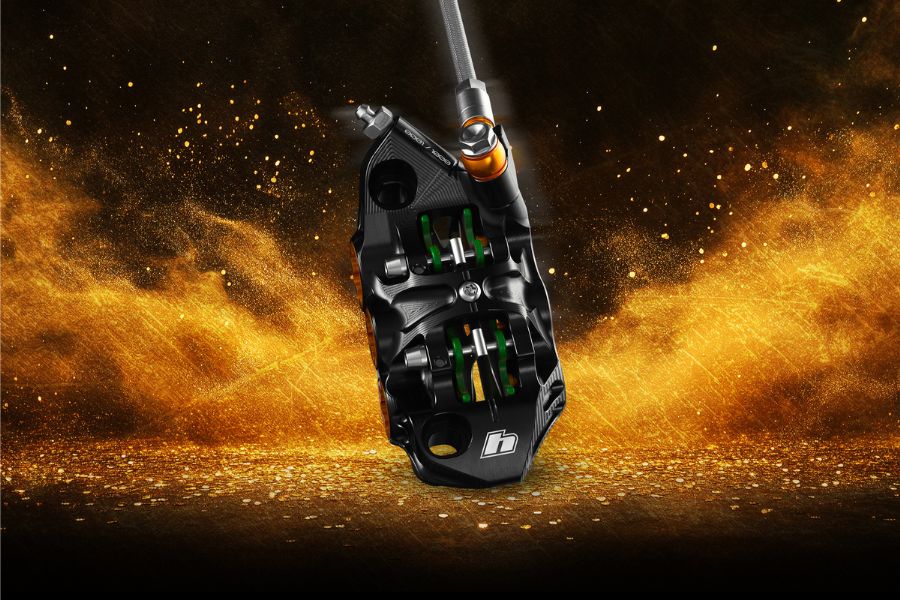
A full brake upgrade is more expensive and should be considered if pads, rotors and setup do not solve the problem. Four-piston brakes are generally preferable for serious eMTB use, especially on full-power bikes, heavier riders and rough terrain. The lever feel, bite point and power delivery matter too. A brake that is powerful but difficult to modulate can feel grabby on slippery trails.
Brakes also need maintenance. A poor bleed, contaminated pads or glazed rotors can make good brakes feel terrible. Before replacing everything, check whether the system is clean, properly bled and correctly bedded in. That is especially important after washing or lubricating the bike, because overspray and degreaser can ruin brake performance quickly.
Pedals and grips can transform confidence
Pedals and grips are not glamorous, but they are important because they are two of the contact points between rider and bike. If you do not feel secure through your hands and feet, the eMTB will never feel fully controlled.
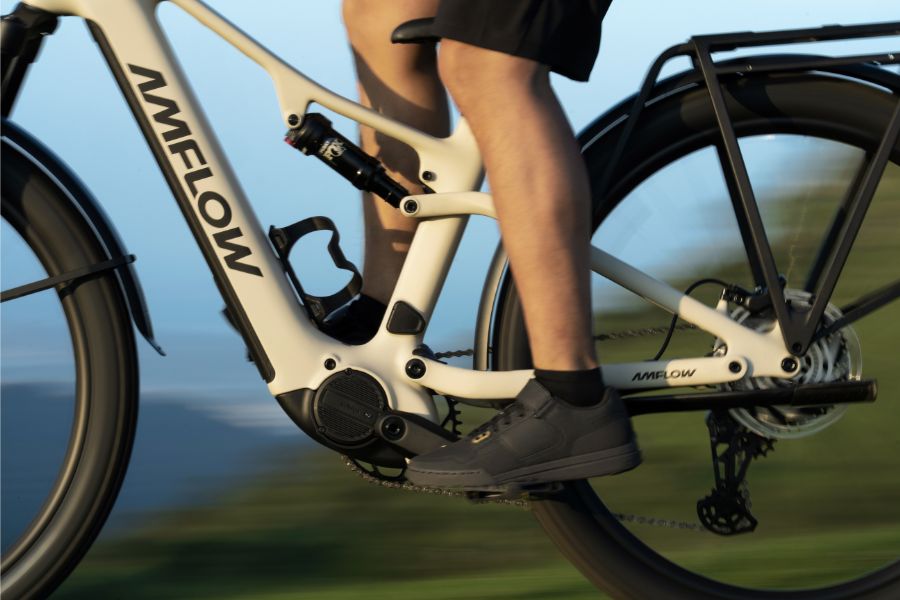
Flat pedals are a sensible upgrade if the stock pedals are basic, narrow or slippery. A good flat pedal gives a wider platform, better pins and more support underfoot. That helps on rough descents, technical climbs and wet rides where your feet need to stay planted. For many beginners and trail riders, quality flat pedals are one of the best value upgrades available.
Clipless pedals are a personal choice. Some eMTB riders like the secure connection for climbing and pedalling efficiency. Others prefer the freedom of flats, especially on technical terrain. There is no universal answer. The important thing is choosing a pedal system that gives confidence rather than following fashion.
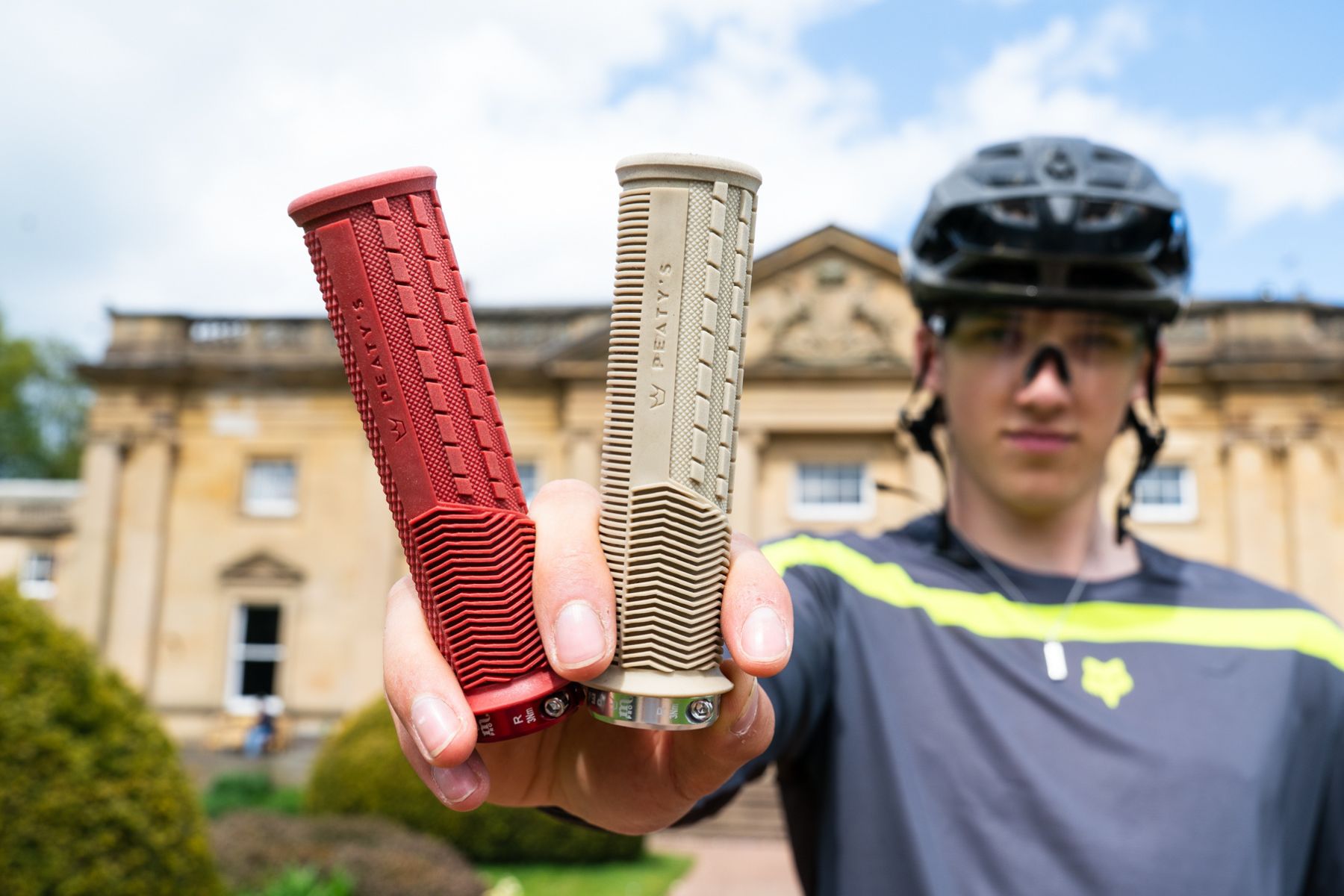
Grips are another small upgrade with a big effect. The wrong grip can cause hand pain, arm pump or a vague feeling through the bars. Lock-on grips with the right diameter and compound can improve comfort and control. If you ride in wet conditions, grip texture and glove compatibility matter too.
These small contact-point upgrades are especially useful on hardtails, where the rider feels more trail feedback through the bike. A hardtail eMTB can be brilliant on smoother UK riding, but comfort and control depend heavily on tyres, grips and pedals. Our best hardtail eMTB 2026 guide is a useful reference if you are deciding whether a simple bike with a few smart upgrades is enough.
Saddle and cockpit changes should solve a problem
Saddles, stems and handlebars are common upgrades, but they should be chosen to fix a real issue. Do not replace them just because other riders do. Fit and comfort matter more than expensive materials.
A saddle upgrade makes sense if you are uncomfortable after normal riding time, getting numbness, sliding around, or struggling to stay seated on climbs. eMTBs often involve longer seated climbs than normal mountain bikes because the motor encourages riders to keep spinning uphill. That means saddle comfort matters more than many riders expect.
Handlebar width, rise and sweep affect control. Bars that are too wide can make tight woodland riding awkward. Bars that are too narrow can reduce stability. Too little rise can put too much weight on the hands, while too much rise can make the front end feel vague on climbs. The right setup depends on rider height, bike geometry and terrain.
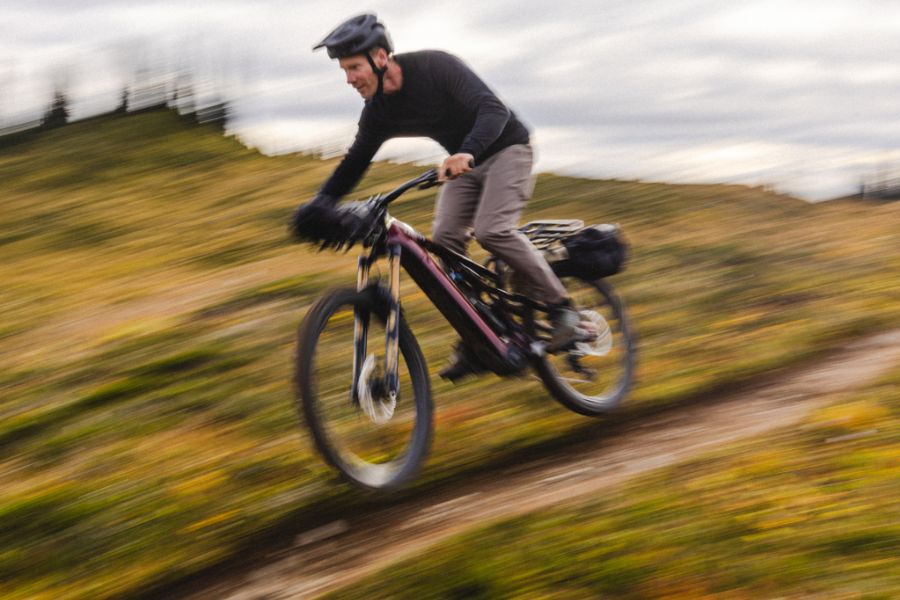
Stem length is also worth thinking about carefully. Many modern eMTBs use short stems for stability and control. Going much longer or shorter without a reason can upset the bike’s handling. If the bike feels cramped, stretched or difficult to weight properly, small cockpit changes may help, but fit should be considered as a whole.
Lever angle and control position are free adjustments that should come before buying new parts. Brake levers, dropper remote and gear shifter should be positioned so they are easy to reach while riding aggressively. A good cockpit feels natural without forcing your wrists into awkward positions.
Drivetrain upgrades are not always the best use of money
A new drivetrain can be expensive, but it is not always the smartest eMTB upgrade. If the current gears work well and have enough range, there may be better places to spend money first. Tyres and brakes usually make a bigger difference to trail performance.
That said, drivetrain durability matters on electric mountain bikes. A powerful mid-drive motor sends its assistance through the chain, cassette and chainring, so wear can happen quickly if the bike is ridden hard in mud or shifted poorly under load. If your chain is already worn, replacing it early can save the cassette. If the cassette is skipping under power, the damage may already be done.
The best drivetrain upgrade is often maintenance. Clean the chain, check wear regularly, use the right lube, shift before steep climbs and avoid stamping on the pedals during gear changes. Those habits can save more money than buying a more expensive derailleur.
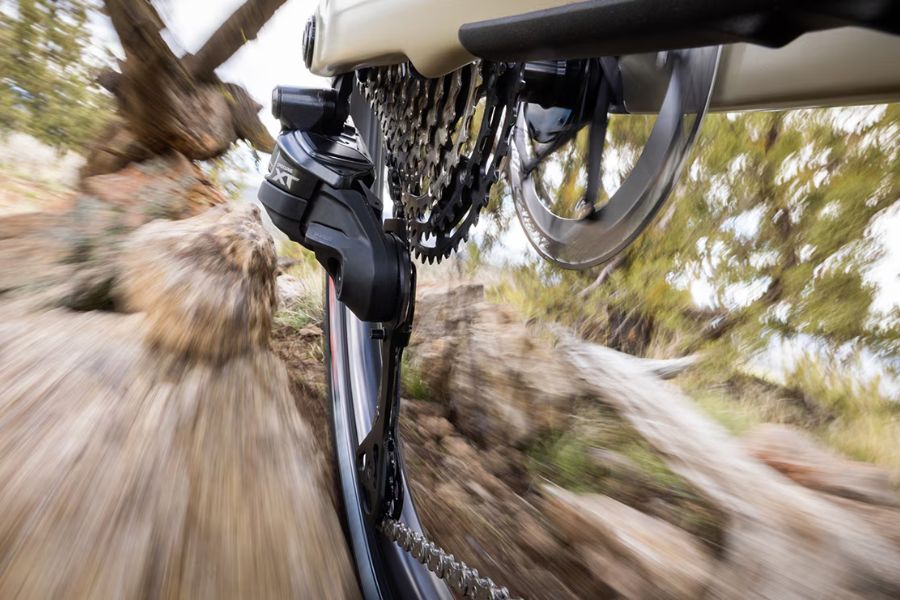
If replacing parts, think durability rather than weight. An eMTB does not need delicate race parts if it is being ridden through winter grit and steep climbs. Strong chains, appropriate cassettes and e-bike-suitable components can make more sense than chasing the lightest possible setup.
If drivetrain wear is already becoming a problem, read our guide to eMTB drivetrain wear explained. It explains why electric mountain bikes can wear chains and cassettes faster, and how to reduce the damage before the repair bill grows.
Suspension upgrades should come after setup
Suspension is one of the most expensive places to upgrade, so it should not be the first move unless there is a clear problem. A better fork or shock can improve an eMTB, but setup, servicing and tyre pressure should come first.
Start with sag, rebound and compression settings. If the fork dives badly under braking, feels harsh on small bumps or bottoms out too easily, it may need setup work rather than replacement. If the shock feels dead, wallowy or harsh, check air pressure, rebound and volume spacers before assuming it is not good enough.
Servicing matters too. A neglected fork or shock can feel poor even if it is a quality part. Mud, water and grit from UK riding can shorten service intervals, especially if the bike is used all year. A lower-leg service or shock service can restore performance and feel like an upgrade without changing the component.
A suspension upgrade makes sense if the current fork or shock is genuinely limiting the bike. This is more likely on cheaper eMTBs, where a basic fork may struggle with the weight and speed of electric mountain biking. A stiffer chassis, better damper and more adjustable fork can improve control on rough trails.
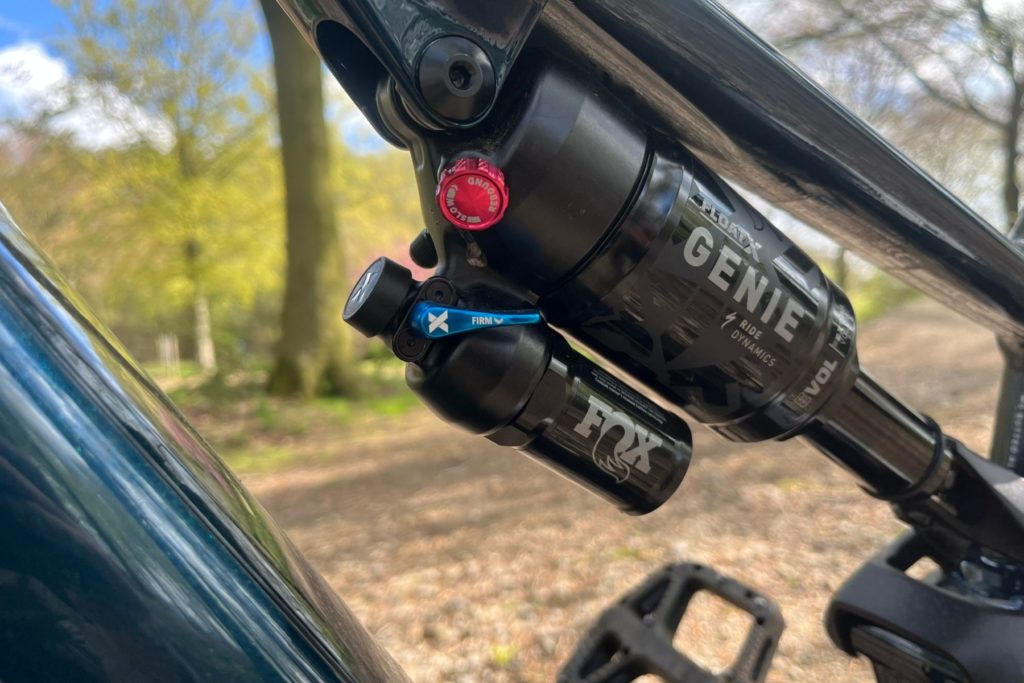
For full-suspension eMTBs, the rear shock needs to suit the frame’s suspension design. Do not assume that any premium shock will automatically be better. Compatibility, tune, clearance and intended use all matter.
Wheels and inserts are worth considering for harder riding
Wheels are not usually the first upgrade for most eMTB riders, but they become important if you are damaging rims, breaking spokes or riding rough trails regularly. Electric mountain bikes are hard on rear wheels because of extra weight, torque and repeated impacts.
A stronger rear wheel can make sense for heavier riders, aggressive riders or anyone regularly hitting rocky trail centres. However, wheels are expensive, so it is worth checking tyre casing, pressure and riding style first. Many rim strikes are caused by tyres that are too soft, too light or unsuitable for the terrain.
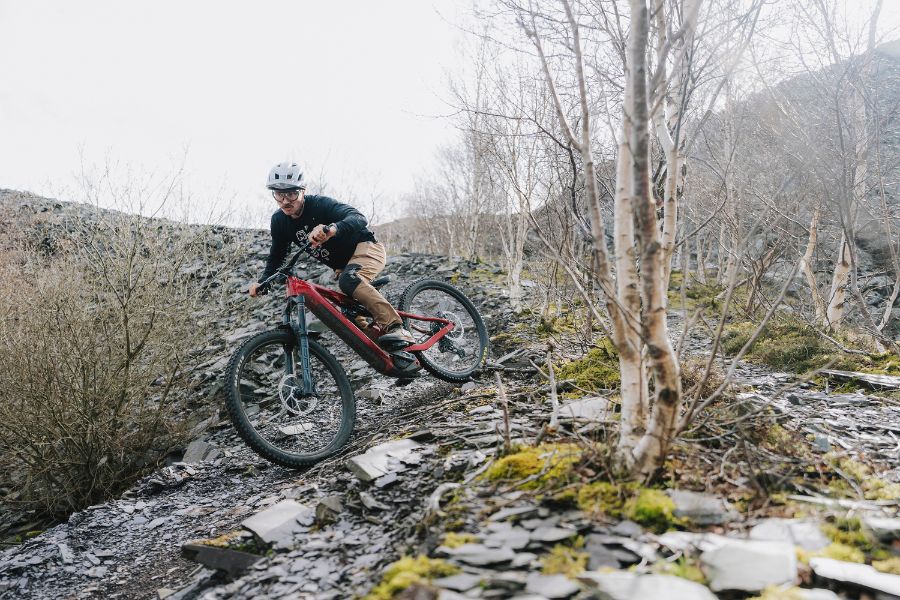
Tyre inserts can be a cheaper middle ground. A rear insert can add support, reduce rim damage and allow slightly lower pressures without the tyre folding as easily. They add weight and can make tyre fitting messier, but on an eMTB the extra protection may be worth it.
For many riders, the best order is tyre first, pressure second, insert third, wheel upgrade last. A strong tyre casing and correct pressure solve many problems before new wheels are needed.
Protection, mudguards and practical upgrades
Some of the best eMTB upgrades are boring but useful. A front mudguard, frame protection, chainstay protection, crank boots and motor-area protection can all help the bike survive UK riding.
A small front mudguard keeps spray out of your eyes and protects the fork seals from some trail muck. It is cheap, light and useful for year-round riding. A rear mudguard is more personal, but it can help reduce spray and muck around the frame depending on the bike.
Frame protection is worth fitting early, especially on expensive carbon or painted frames. eMTBs often get loaded onto racks, leaned against gates, covered in mud and dragged through gritty conditions. Protecting high-wear areas before they are damaged is easier than trying to hide scuffs later.
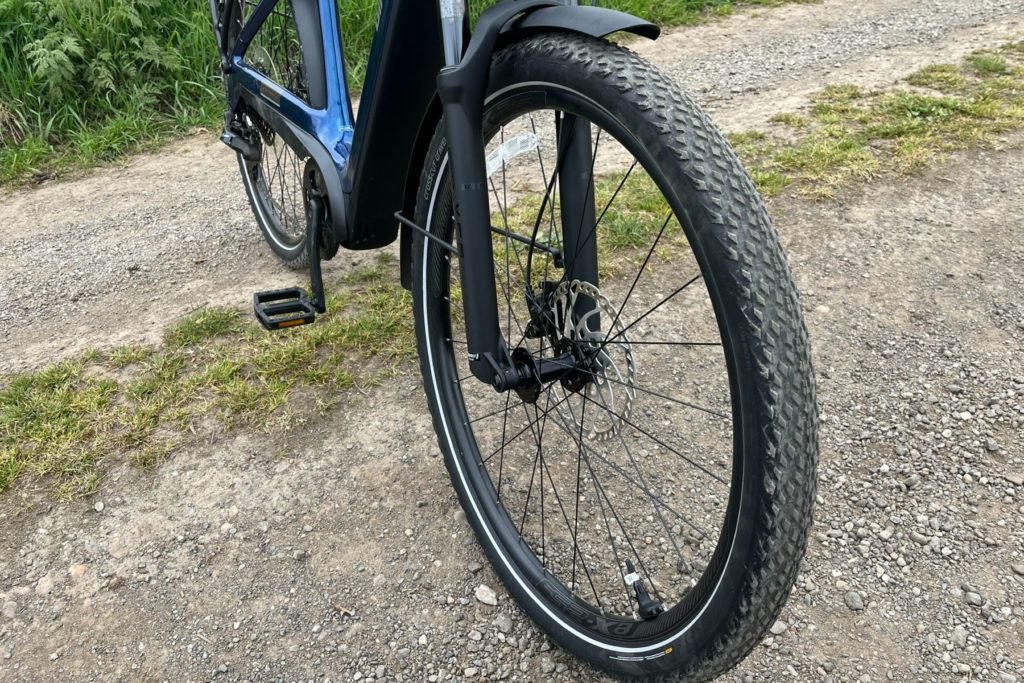
A good chainstay protector can reduce noise and protect the frame from chain slap. Some bikes come with decent protection from the factory, while others benefit from aftermarket options.
Lights can also be a worthwhile upgrade if you ride in winter, commute to trails or finish rides late. For proper off-road night riding, you need serious output, secure mounts and enough battery life. For road sections and visibility, a smaller setup may be enough. The key is matching the light to the ride rather than buying the brightest number on the box.
Motor and battery upgrades are usually not the answer
Most riders should not think of the motor as an upgradeable part. The motor is part of the bike’s core system, and changing it is not like swapping tyres or brakes. If you want a different motor feel, more torque or a bigger battery, that usually means choosing a different bike, not upgrading the one you have.
Software updates and app tuning are the exception. Some systems allow riders to adjust assistance modes, torque response or support levels within manufacturer limits. That can make a real difference to how the bike feels without changing hardware. It can also help range if you tune modes sensibly.
Derestricting an eMTB is not a sensible upgrade. It can make the bike illegal for public roads and many public spaces, affect insurance, increase wear and create safety issues. For UK riders, an electric mountain bike sold as an EAPC should assist only up to 15.5mph under motor power. If you need more performance off-road, buy the right legal bike for the riding you do rather than trying to bypass the system.
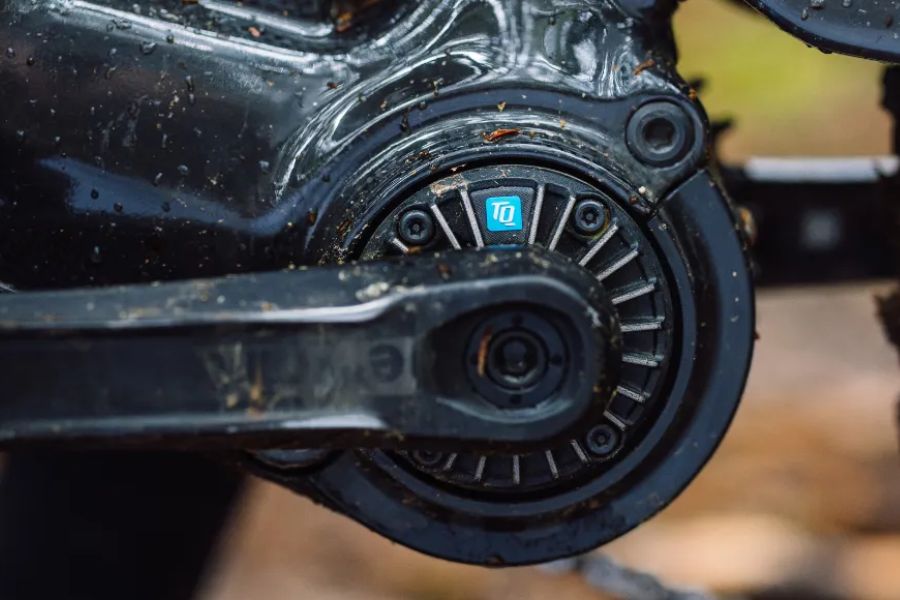
Battery upgrades are also complicated. Some bikes allow different capacity batteries or range extenders, but compatibility is specific. A bigger battery may add range, but it can also add weight and cost. If range is your main concern, our article on whether you need an 800Wh eMTB battery explains when a bigger battery makes sense and when it simply makes the bike heavier.
If you are unhappy with the motor character itself, our guide to the best eMTB motor for UK riding is a better place to compare systems before changing bikes.
The best upgrade order for most eMTB riders
For most riders, the best eMTB upgrade order is simple: setup first, tyres second, brakes third, contact points fourth, then drivetrain, suspension, wheels and protection depending on what the bike actually needs.
Tyres and brakes are usually the biggest performance upgrades because they affect grip, control and confidence immediately. Contact points make the bike more comfortable and secure. Drivetrain upgrades should be driven by wear and durability rather than the desire for shiny parts. Suspension upgrades should come only after proper setup and servicing.
Budget also matters. If you bought a cheaper eMTB, the best upgrades are usually the ones that improve safety and control: tyres, brake pads, rotors and pedals. If you bought a premium full-suspension eMTB, you may not need many parts at all. Setup, maintenance and fine tuning may deliver more benefit than replacing components.
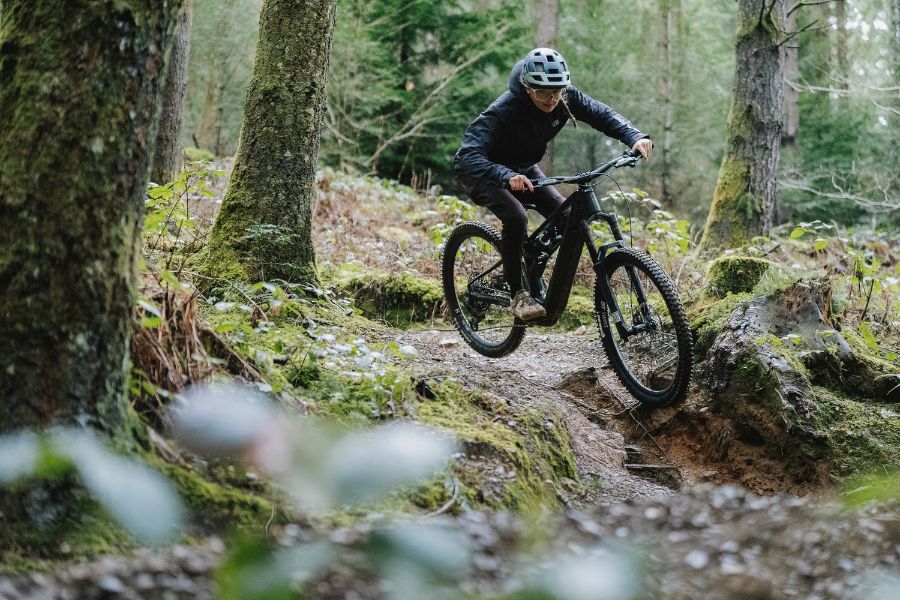
The best upgrade is the one that solves the problem you actually have. If the bike lacks grip, buy tyres. If it lacks stopping power, sort the brakes. If it feels harsh, check tyre pressure and suspension. If it wears chains quickly, clean and measure the drivetrain. If it feels heavy and slow, look at tyres, pressure, brake rub and setup before blaming the motor.
If you are still choosing a bike and trying to avoid expensive upgrades later, start with our best eMTB 2026 guide. Buying the right bike in the first place is almost always cheaper than trying to turn the wrong bike into something else.
eMTB upgrades FAQs
What is the best first upgrade for an eMTB?
For most riders, tyres are the best first eMTB upgrade. Better tyres can improve grip, braking, comfort, puncture protection and confidence, especially on wet UK trails.
Should I upgrade the brakes on my eMTB?
You should consider upgrading brake pads, rotors or the full brake system if the bike feels underpowered, inconsistent or overheats on descents. Pads and rotors are usually the best place to start before replacing the entire brake system.
Are eMTB tyre upgrades worth it?
Yes, eMTB tyre upgrades are often worth it. Stronger casings, better tread patterns and suitable compounds can make an electric mountain bike feel more controlled and reliable, especially on muddy or rocky trails.
Should I upgrade my eMTB drivetrain?
Only upgrade the drivetrain if the current setup is worn, unreliable or unsuitable for your riding. On an eMTB, durability is usually more important than saving weight.
Can I upgrade my eMTB motor?
In most cases, no. The motor is part of the bike’s integrated system and is not usually treated as an upgradeable component. Some systems allow software tuning within manufacturer limits, but changing motor type normally means buying a different bike.
Are expensive eMTB upgrades always worth it?
No. Expensive upgrades are not always the best use of money. Setup, tyres, brakes, pedals, grips and maintenance often make a bigger real-world difference than cosmetic or weight-saving parts.