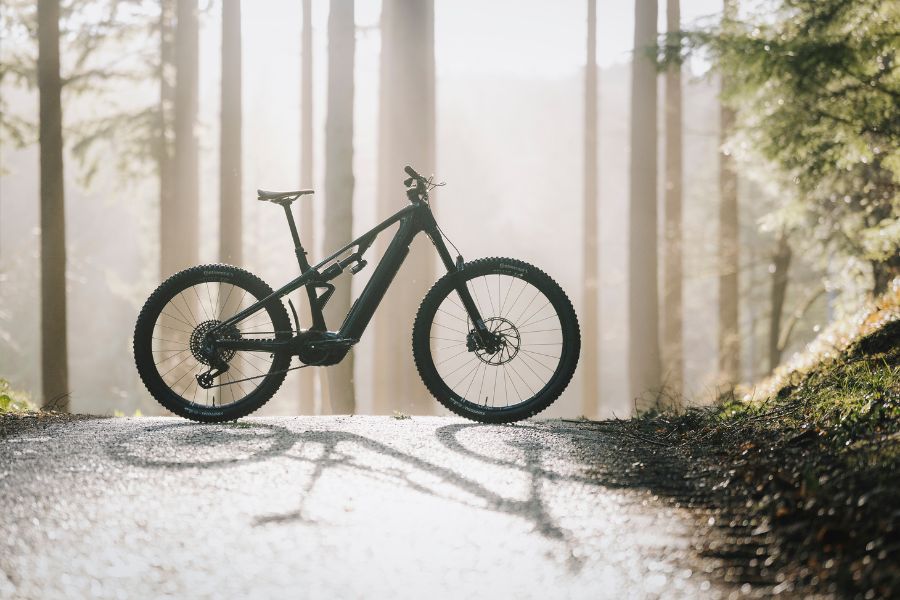
eMTB insurance UK cover is not a legal requirement for most road-legal electric mountain bikes, but it can be a very sensible thing to consider. A proper eMTB can cost anywhere from £3,000 to £8,000 or more, which makes it one of the most expensive things many riders own after their car. Add in the cost of the battery, motor, suspension, brakes, wheels and accessories, and the financial risk of theft or crash damage becomes hard to ignore.
In UK law, a compliant electric mountain bike is usually treated as an Electrically Assisted Pedal Cycle, or EAPC. That means it must have pedals, the motor must be rated at no more than 250W continuous power, and assistance must cut off at 15.5mph. If the bike meets those rules, it does not need to be registered, taxed or insured like a motor vehicle. We explain the legal side in more detail in our UK eMTB law explained guide.
That legal position does not mean insurance is pointless. It just means the decision is voluntary for a legal eMTB. For riders buying a high-value full-suspension electric mountain bike, electric mountain bike insurance can cover risks that standard home insurance may not handle well, especially theft away from home, accidental damage on the trail, public liability, travel, events and accessories.
This guide explains what eMTB insurance can cover in the UK, what to check before buying a policy, and where riders can get caught out by locks, storage rules, garages, sheds, vans and event exclusions.
Is eMTB insurance a legal requirement in the UK?
For a road-legal eMTB that meets EAPC rules, insurance is not compulsory in the UK. You do not need motor insurance simply because the bike has electric assistance, provided it is a compliant pedal-assist bike with a 250W continuous-rated motor and assistance limited to 15.5mph.
That is an important distinction. An eMTB is not automatically treated like a moped or motorcycle just because it has a motor. A legal electric mountain bike is treated broadly like a normal pedal cycle for registration, tax and insurance purposes.
However, if the bike does not meet EAPC rules, the position changes. A bike that can be powered beyond the legal assist limit by the motor, has a continuous-rated motor above the legal limit, or is otherwise classed as a motor vehicle may need to be registered, taxed and insured. That is one reason derestricting an eMTB is not a harmless upgrade. It can affect legality, insurance, warranty and where the bike can be used.
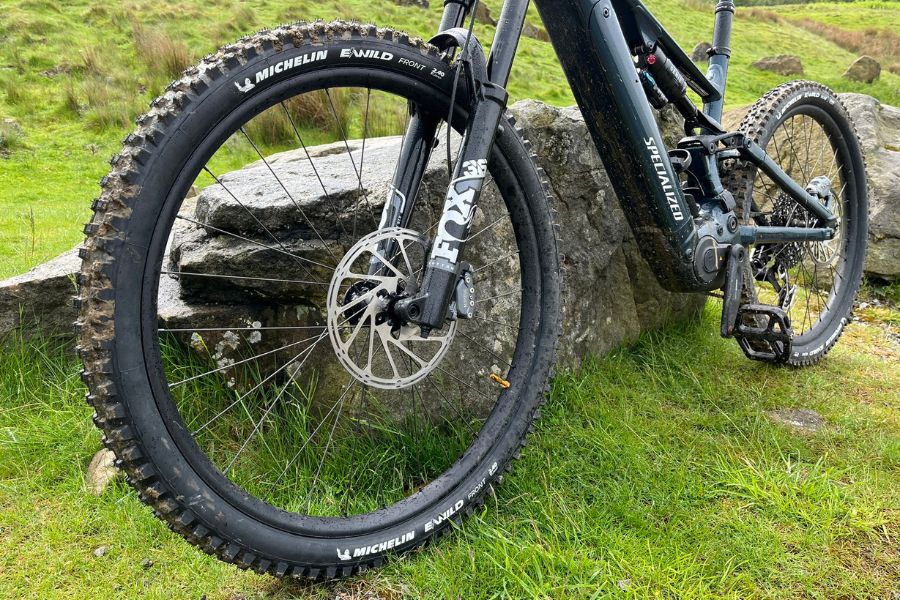
For normal eMTB riders, the question is not “must I insure it?” but “could I afford to replace it if it was stolen or badly damaged?” If the answer is no, insurance is worth considering.
This is especially true if you are buying from the higher end of the market. Riders comparing bikes in our best eMTB 2026 guide are often looking at machines with serious motors, large batteries, full-suspension frames and expensive components. Those are exactly the bikes that can be painful to replace without cover.
What does eMTB insurance usually cover?
Electric mountain bike insurance varies by provider and policy level, but the main areas to check are theft, accidental damage, public liability, personal accident, accessories, travel and event cover.
Theft cover is usually the first reason riders look at insurance. A high-value eMTB is attractive to thieves, especially if it is stored in a garage, shed, van or left outside a café during a ride. Good theft cover should explain where the bike is covered, what lock is required, how it must be secured and what evidence the insurer will expect if you claim.
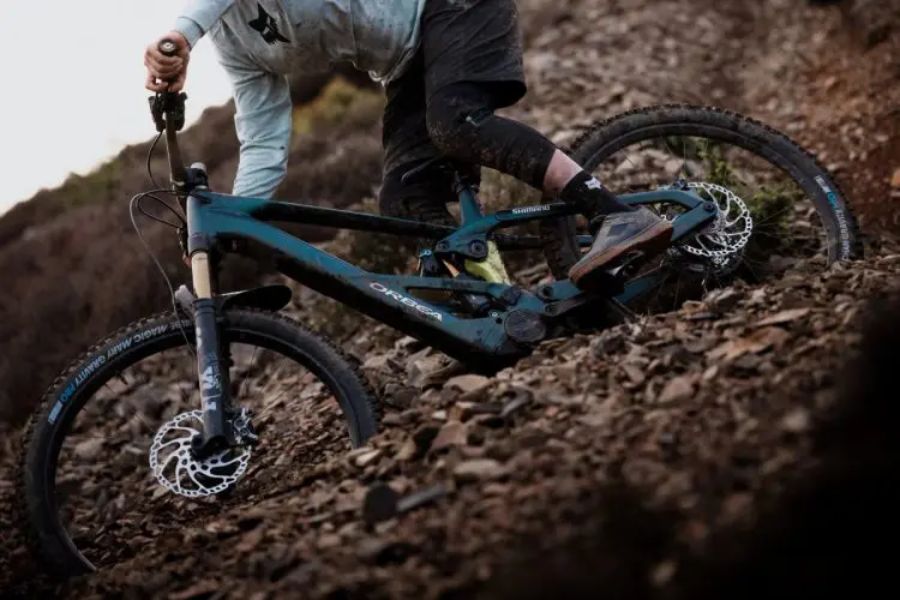
Accidental damage is also important for eMTB riders. Mountain biking involves crashes, rock strikes, broken mechs, damaged wheels, smashed displays and the occasional heavy landing. A road-focused bicycle policy may not always be the best fit if it does not properly reflect off-road use, so check whether trail riding is included and whether there are restrictions around racing, timed events or bike-park riding.
Public liability cover protects you if you cause injury or damage to someone else or their property while riding. It is easy to overlook, but it can be one of the most valuable parts of a policy. If you ride shared trails, bridleways, trail centres, roads to reach the trails or busy multi-user routes, liability cover is worth understanding.
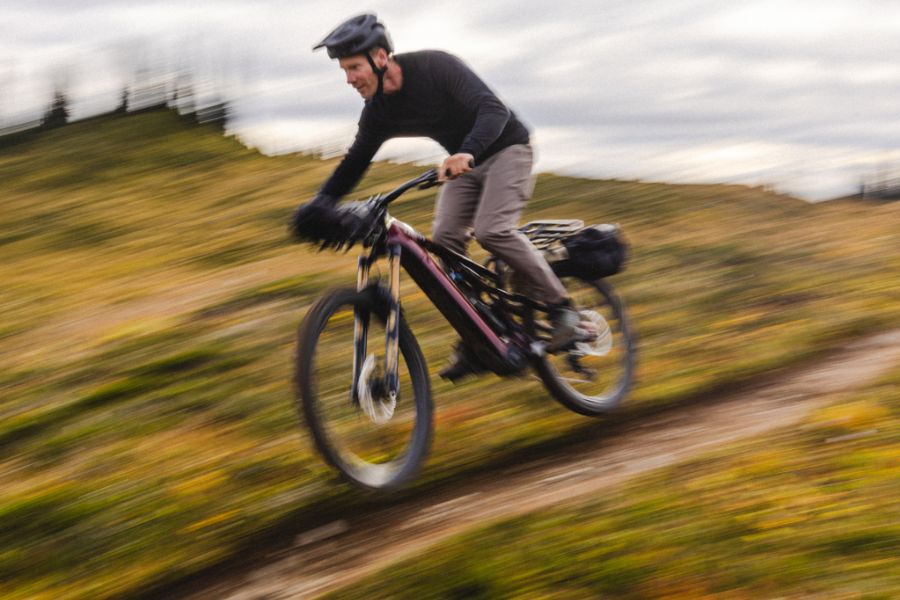
Accessories and kit cover can also matter. Lights, GPS computers, helmets, riding kit, racks, locks and tools can add up quickly. If you have upgraded the bike with better tyres, brakes, pedals or drivetrain parts, check whether those upgrades are included in the insured value. Our guide to what should you upgrade first on an eMTB? explains why tyres, brakes and contact points are often among the first parts riders change.
The key point is that policy wording matters more than marketing. Do not assume every electric mountain bike insurance policy covers the same situations. Read the exclusions before you need to claim.
Specialist eMTB insurance providers to compare
If you are looking to insure an eMTB in the UK, it is worth comparing specialist cycle insurers as well as checking your home insurance. Two of the main names riders are likely to come across are Bikmo and Laka, both of which offer dedicated bicycle or e-bike cover rather than treating the bike as a small add-on to a home contents policy.
Bikmo is one of the more obvious places to start for electric mountain bike insurance because its e-bike cover is built around cycling-specific risks such as theft, accidental damage, accessories, travel and optional rider protection. For an eMTB rider, the important thing is that the policy is designed around bikes being used, transported and stored in the real world, rather than only sitting inside the house.
That matters if your electric mountain bike is used for trail centres, transported in a van, locked outside a café, stored in a garage or upgraded with expensive parts. A specialist policy can be easier to understand because it is written for cyclists, but you still need to check the details. Look at the excess, lock requirements, storage conditions, accidental damage wording, accessories cover and whether public liability is included or optional.
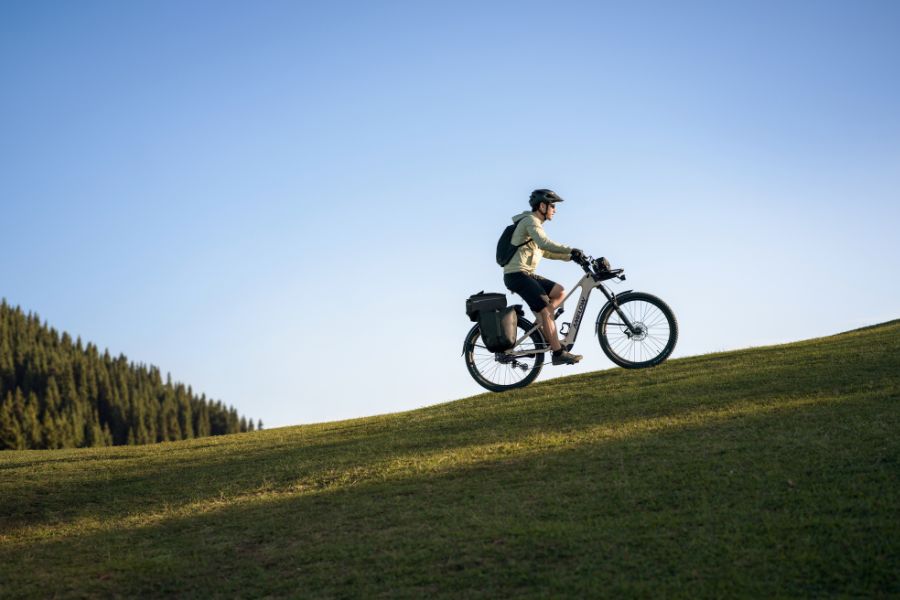
Laka is also worth comparing if you are looking at electric mountain bike insurance. Its model and cover structure is different, so it can suit riders who want to compare monthly specialist cover against a more traditional insurer. As with Bikmo, the key is not just the brand name but whether the policy fits how and where you actually ride.
The sensible approach is to get quotes from specialist providers such as Bikmo and Laka, then compare those against any cover you already have through home insurance or cycling membership. The cheapest option is not automatically the best. A policy that does not cover theft from your garage, accidental damage on trails or the full value of your bike may not be good value for a high-end eMTB.
Theft cover: home, trail centre, café, van and garage
Theft cover is where many eMTB insurance policies become more detailed. It is not enough to know that theft is included. You need to know how the bike must be stored and locked for the cover to apply.
At home, insurers may treat a bike differently depending on whether it is kept inside the house, in a locked garage, in a shed, in a communal bike store or outside. A high-value eMTB kept in a wooden shed may need extra security, such as a ground anchor, approved lock or specific door and window security. Some insurers may not cover certain storage setups, or may apply conditions that must be met.
Garages can be a grey area. Many riders assume a locked garage is automatically enough, but the policy may still require the bike to be locked to an immovable object inside the garage. It may also depend on whether the garage is attached to the house, separate from the property or shared. If your eMTB lives in a garage, read that section of the policy carefully.
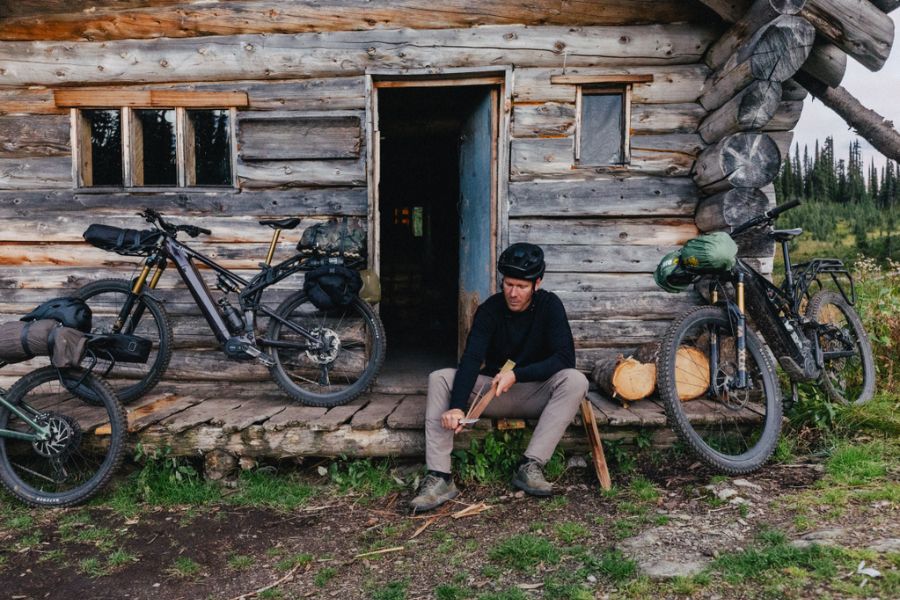
Sheds need even more attention. A shed is often easier to attack than a house or garage, so insurers may require stronger locks, anchors or specific security standards. If you keep a £5,000 eMTB in a shed, insurance may still be possible, but the security requirements may be stricter than you expect.
Theft from a van or car is another important eMTB issue. Electric mountain bikes are heavy and often transported by van, towbar rack or inside a vehicle. If you leave the bike in a van overnight, outside a hotel, at a trail centre or while stopping on the way home, check whether the policy covers that situation. Some policies may exclude unattended vehicle theft unless the bike is hidden, locked and the vehicle is secured.
The same applies at cafés and trail centres. If your bike is unattended, the insurer will usually expect it to be locked through the frame to an immovable object with an approved lock. A lightweight café lock may not be enough for a high-value electric mountain bike. If you are building a proper security setup, our best eMTB security products guide is designed to help with locks, anchors, trackers and storage protection.
Approved locks, trackers and security products
Approved locks are one of the most common areas where riders get caught out. An insurer may require a Sold Secure-rated lock, often Gold or Diamond level for expensive bikes. The lock may also need to be used in a specific way, usually through the frame and attached to an immovable object.
This matters because many riders buy good bikes but use poor locks. A cheap cable lock may stop an opportunist for a few seconds, but it is unlikely to satisfy specialist insurance requirements for a high-value eMTB. If your bike is stolen while locked incorrectly, the insurer may reject the claim.
For eMTBs, lock choice needs to reflect bike value. A £7,000 full-suspension eMTB should not be protected with the same lock you might use for a pub bike. A proper U-lock, heavy-duty chain, ground anchor and secondary lock can all play a role, especially for home storage.
This is where products from brands such as Litelok can make sense, because a proper lock is not just a theft deterrent; it can also be part of satisfying the policy conditions. For riders storing a bike in a garage or shed, a strong lock should usually be used alongside an anchor or fixed point rather than simply looped through the frame.
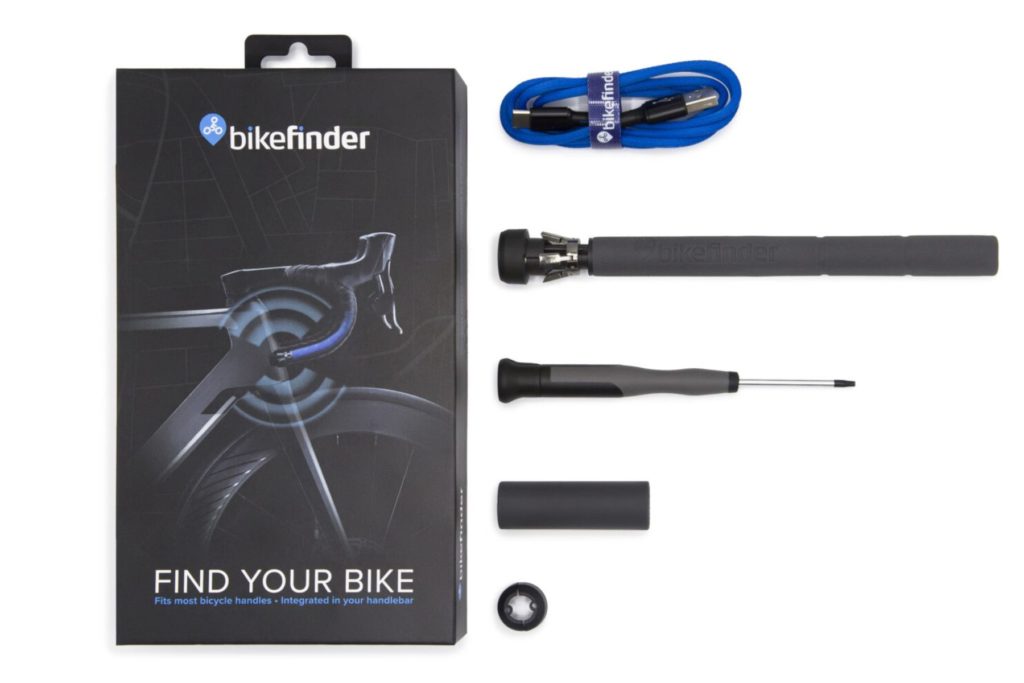
Trackers can add another layer. Products such as AlterLock and BikeFinder are designed to help locate a stolen bike, which can be especially useful for high-value eMTBs. A tracker should not be seen as a replacement for an approved lock, though. Insurance policies usually focus on whether the bike was secured correctly before it was stolen, not simply whether it had a tracker fitted.
It is also worth keeping proof of lock ownership. If you need to claim, the insurer may ask for evidence that you owned and used an approved lock. Keep receipts, take photos and make sure the lock rating is clear. The same applies to the bike itself: keep the original purchase receipt, frame number, motor serial details where available, battery details, photographs and proof of upgrades.
Accidental damage and trail riding
Accidental damage is one of the main reasons specialist eMTB insurance can be useful. A full-suspension electric mountain bike is not cheap to repair. A cracked carbon frame, damaged motor casing, bent wheel, smashed display, broken derailleur or damaged battery can quickly become expensive.
The important question is whether the policy covers the way you actually ride. General bicycle insurance may cover crashes, but eMTB riders should check whether off-road riding, trail centres, bike parks, jumps, uplift days, races, timed events and organised rides are included or excluded.
This matters because an eMTB is often used more heavily than a standard leisure bike. The motor encourages riders to do more climbs, more descents and longer rides. If you ride regularly at trail centres, accidental damage cover may be just as important as theft cover.
There can also be grey areas around wear and tear. Insurance is not a maintenance plan. Chains, cassettes, brake pads, tyres and bearings wear out through normal use. That is different from sudden accidental damage. If your chain wears, your cassette skips or your brake pads are finished after a wet winter, that is generally an ownership cost rather than an insurance claim. Our eMTB drivetrain wear explained guide covers why electric mountain bikes can get through drivetrain parts faster than normal bikes.
Battery and motor damage also need careful reading. Check whether accidental battery damage is included, whether water ingress is excluded, and whether the insurer requires professional inspection after a crash. If the policy wording is unclear, ask before buying.
Public liability cover
Public liability is easy to ignore until something goes wrong. It can cover you if you injure someone else or damage someone else’s property while riding. For eMTB riders, this matters because many UK rides include shared spaces: bridleways, forest roads, trail centres, road sections, car parks and multi-user paths.
A simple example would be colliding with another rider, damaging a parked car while unloading, or causing injury to a walker on a shared route. Nobody plans for that, but the financial consequences can be serious.
Public liability may be included as standard, available as an add-on, or already included through a cycling membership depending on your circumstances. Do not assume you are covered. Check the amount of liability cover, where it applies and whether eMTB use is included.
If you ride only on private land, the situation may still matter depending on who else is present and what the policy covers. If you ride events, races or organised rides, check whether liability cover applies there too.
For expensive eMTBs, many riders focus entirely on theft, but liability cover can be equally important. Theft cover protects the bike. Liability cover protects you.
Events, racing and exclusions
Not all eMTB insurance policies cover events in the same way. Social rides, sportives, enduro races, timed stages, uplift days, coaching sessions and bike-park riding may be treated differently by different insurers.
If you race or plan to race, read the exclusions carefully. Some policies may cover non-competitive events but exclude racing. Others may offer race cover as an add-on or only under certain policy tiers. eMTB racing is still a developing area, so do not assume your normal cycle cover automatically includes it.
Timed events are especially important. A policy may treat a timed race differently from a casual ride at the same venue. It may also exclude professional or paid use, courier work, hire use or commercial activity. If you use the bike for content creation, guiding, coaching or events, check whether that affects cover.

Bike parks and uplift days can also be treated differently. A rider crashing on a blue trail at a trail centre is not the same risk as repeated downhill runs on a long-travel eMTB. Some insurers may still cover it, but the policy wording needs to be clear.
The safest approach is simple: insure the bike for the riding you actually do, not the riding you think sounds normal. If your eMTB is a trail-centre and bike-park machine, the policy needs to match that.
Home insurance vs specialist eMTB insurance
Some riders already have bicycle cover through home insurance. That can be useful, but it needs checking carefully. Home insurance may cover bikes at home, but it may have a single-item limit, away-from-home restrictions, excesses, depreciation rules or exclusions for accidental damage while riding.
For a cheaper bike, home insurance may be enough. For a high-value eMTB, it may not be. A £5,000 to £8,000 electric mountain bike can easily exceed standard bicycle limits unless it has been declared separately. Even then, the policy may be stronger for theft at home than for crash damage on a trail.
Specialist electric mountain bike insurance is built around cycling risks. It is more likely to include theft away from home, accidental damage, accessories, event options, public liability and cycling-specific claims handling. That does not automatically make it cheaper or better for everyone, but it is often more relevant to serious eMTB ownership.
It is worth comparing both options. Check the insured value, excess, new-for-old terms, storage requirements, lock requirements, theft away from home, accidental damage, liability and event cover. The cheapest policy is not always the best if it excludes the situation most likely to happen.
This is particularly important if you are buying a premium long-range bike. Our best long-range eMTB guide focuses on bikes designed for bigger rides, and those are often exactly the sort of machines where storage, travel and theft cover deserve proper attention.
How much does eMTB insurance cost?
The cost of eMTB insurance in the UK depends on the value of the bike, where you live, how it is stored, what level of cover you choose, the excess, whether accessories are included and whether you add cover such as travel, racing or personal accident.
A more expensive eMTB will usually cost more to insure because the potential claim is larger. Location matters too, especially if you live in an area with higher bike theft rates. Storage can also affect risk. A bike kept inside the house may be viewed differently from one kept in a shed or communal store.
The type of cover changes the price. Theft-only cover may cost less than a policy including theft, accidental damage, public liability, travel and accessories. But for mountain biking, accidental damage is often one of the main reasons to consider specialist cover in the first place.
The excess matters as well. A higher excess may reduce the monthly premium, but it also means you pay more if you claim. For a high-value eMTB, the saving may or may not be worth it.
Rather than focusing only on the headline monthly cost, compare the policy against realistic scenarios: theft from home, theft from a locked bike rack, crash damage on a trail, damage while travelling, and liability on a shared route. A policy that does not cover your most likely risks is not good value, even if it is cheap.
What to check before you insure an eMTB
Before you insure an eMTB, make sure you know the exact replacement value. Include the bike, upgrades, accessories and any permanently fitted parts. If you have upgraded tyres, brakes, wheels, bars, drivetrain or protection, keep receipts and photos.
Check the bike’s legal status. If it is a road-legal EAPC, normal specialist e-bike insurance may be appropriate. If it has been derestricted or modified outside legal limits, insurance could become much more complicated or invalid.
Check storage rules. Look at what the policy says about the house, garage, shed, communal storage, van, car and public locations. Do not rely on assumptions. If the policy says the bike must be locked to an immovable object, that is what you need to do.
Check lock requirements. Make sure your lock meets the required Sold Secure rating and that you use it correctly. Keep proof of purchase and take photos of your locking setup at home.
Check accidental damage. Confirm that off-road riding is included, and look for exclusions around racing, timed events, bike parks, uplift days and jumps.
Check liability. Make sure the policy includes public liability if you want protection while riding around other people.
Check battery and accessories cover. Batteries are expensive, and accessories can add hundreds of pounds to the total value. Make sure they are included if you expect them to be covered.
Finally, check the claims process. A good policy should make it clear what evidence you need, how quickly claims are reviewed and whether replacement is new-for-old or based on depreciation.
So, do you need eMTB insurance in the UK?
You do not legally need eMTB insurance in the UK if your electric mountain bike is a compliant EAPC. But if your bike is expensive, stored outside the house, transported regularly, ridden at trail centres or used for proper off-road riding, insurance is worth serious consideration.
For a low-cost eMTB used occasionally on local paths, home insurance or no specialist policy may be enough depending on your risk tolerance. For a £3,000 to £8,000 eMTB, the calculation changes. Theft, accidental damage and liability can all become expensive very quickly.
The best approach is to look at the real risk. Could you replace the bike tomorrow if it was stolen? Would your home insurance cover it away from home? Are you covered if you crash at a trail centre? Does your lock meet the policy requirements? Is your garage or shed storage acceptable? Are events or racing excluded?
If you are still choosing the bike itself, start with our best eMTB 2026 guide, or our best eMTB under £3,000 guide if you are trying to keep the budget under control. The more expensive the bike becomes, the more insurance moves from “maybe” to “worth checking properly”.
For many UK eMTB riders, specialist insurance is not about ticking a legal box. It is about protecting a high-value bike that is designed to be ridden hard, transported often and stored securely between muddy weekends.
eMTB insurance UK FAQs
Do you legally need eMTB insurance in the UK?
No, you do not legally need eMTB insurance in the UK if your electric mountain bike is a compliant EAPC. That means it has pedals, a 250W continuous-rated motor and assistance that cuts off at 15.5mph. Non-compliant bikes may be treated as motor vehicles and can require insurance.
Does home insurance cover an eMTB?
Home insurance may cover an eMTB, but you need to check the policy carefully. High-value bikes may exceed single-item limits, and cover away from home, accidental damage while riding, accessories and theft from sheds or garages may be restricted.
What does electric mountain bike insurance cover?
Electric mountain bike insurance can cover theft, accidental damage, vandalism, public liability, accessories, travel and personal accident depending on the policy. The exact cover varies by insurer, so always check the wording.
Is Bikmo good for eMTB insurance?
Bikmo is worth comparing if you want specialist electric bike insurance rather than relying only on home insurance. As with any provider, check the cover level, lock requirements, storage conditions, accidental damage wording, public liability and exclusions before buying.
Do I need an approved lock for eMTB insurance?
Most specialist bike insurers require an approved lock, often Sold Secure Gold or Diamond for high-value eMTBs. The bike may also need to be locked through the frame to an immovable object when unattended.
Can I insure an eMTB kept in a garage or shed?
Yes, many insurers will cover eMTBs stored in garages or sheds, but there may be conditions. The building may need to be locked, and the bike may need to be secured to an immovable object with an approved lock or anchor.
Does eMTB insurance cover racing?
Not always. Some policies exclude racing, timed events or certain bike-park activities, while others may offer event or race cover as an add-on. If you race or ride organised events, check this before buying cover.
Can you insure a derestricted eMTB?
A derestricted eMTB may not be treated as a legal EAPC and could invalidate normal e-bike insurance. It may also be illegal to use on public roads, cycle paths and many public spaces. Check the legal and insurance position before modifying any eMTB.