
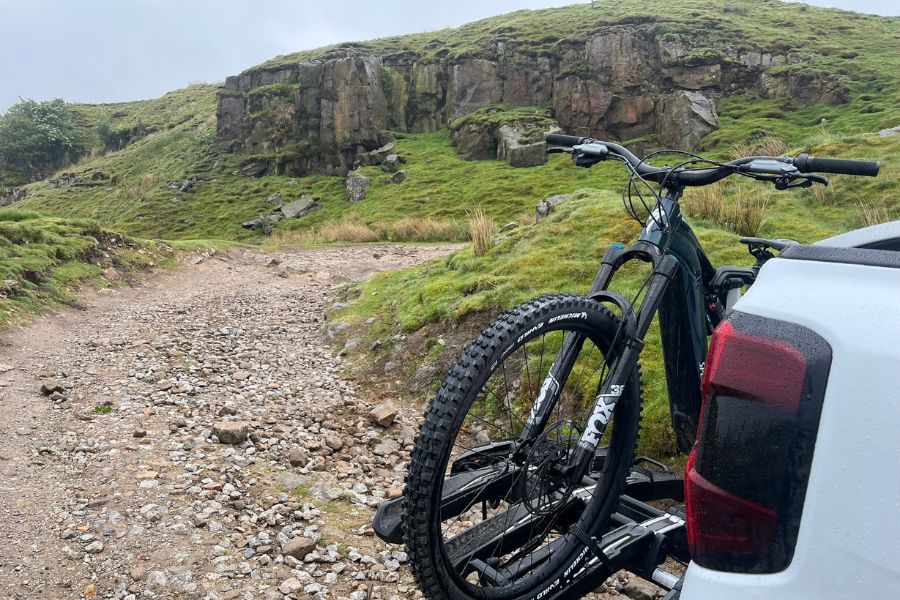
Knowing how to secure an eMTB properly is one of the most important parts of electric mountain bike ownership. A good eMTB is expensive, desirable and difficult to replace quickly. It may have a high-value motor system, large battery, premium suspension, upgraded tyres, better brakes and riding kit stored nearby. That makes it attractive to thieves, whether it is kept in a garage, loaded into a van or left outside a trail-centre café.
The mistake many riders make is thinking about security only after buying the bike. In reality, eMTB security should be treated like helmet fit, tyre pressure or insurance. It is part of owning the bike properly. A cheap cable lock and a closed garage door may be enough for a low-value pub bike, but they are not a serious plan for a £3,000 to £8,000 electric mountain bike.
The best approach is layered security. That means using more than one deterrent: a strong lock, a fixed anchor, sensible storage, a tracker, insurance, good documentation and better habits when travelling. No single product can make an eMTB impossible to steal, but every extra layer can make the bike slower, noisier, riskier and less attractive to take.
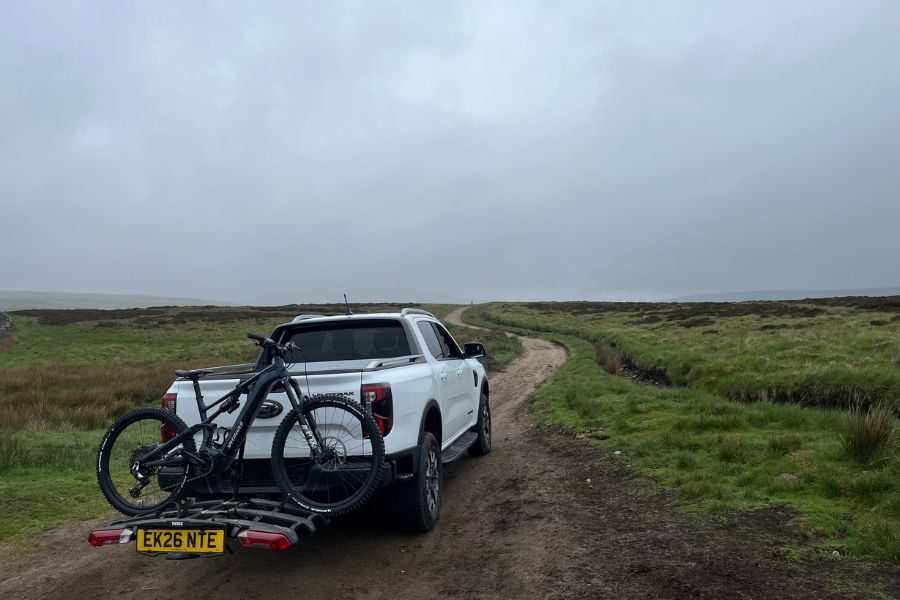
This guide explains how to secure an eMTB at home, in a van and at the trail centre, with practical advice for UK riders and product types worth considering.
Why eMTB security needs to be taken seriously
An electric mountain bike is not just a normal bike with a motor. It is usually more valuable, heavier and more recognisable. The motor and battery make it expensive, while the frame, suspension, brakes and drivetrain can add thousands of pounds to the replacement value.
That matters because thieves are not only looking for unlocked bikes. A high-value eMTB can be worth targeting even when it is locked, especially if it is stored in the same place every night or left visible in a van. A weak lock, poor shed security or predictable parking routine can turn an expensive bike into an easy target.
Security also matters for insurance. Even if you have specialist cover, you still need to follow the policy conditions. That usually means using an approved lock, securing the bike correctly and storing it in the way the insurer expects. If your bike is stolen while it is not locked properly, or if it is kept somewhere your policy does not cover, a claim may not be straightforward.
If you are still weighing up cover, our guide to eMTB insurance UK explains what to check around theft, accidental damage, public liability, approved locks, garages, sheds and event exclusions.
The simplest way to think about eMTB security is this: do not rely on one thing. A lock is not enough by itself. A garage is not enough by itself. A tracker is not enough by itself. Insurance is not enough by itself. The safest setup uses all of them together.
How to secure an eMTB at home
Home security is where most riders should start. Your eMTB probably spends more time at home than anywhere else, and thieves may have more time to work if the bike is stored in a shed, garage or outbuilding.
The best place to store an eMTB is inside the house, out of sight, behind a locked door. That is not realistic for everyone, especially with a muddy full-suspension bike, but it is still the safest starting point. If the bike has to live in a garage or shed, the aim is to make that storage area harder to enter and the bike harder to remove once inside.
Do not rely on the building alone. A locked shed or garage door is useful, but the bike should still be locked to something fixed. A ground anchor or wall anchor makes a big difference because it stops a thief simply carrying the bike away. The lock should pass through the frame, not just a wheel, and ideally through the rear triangle as well.
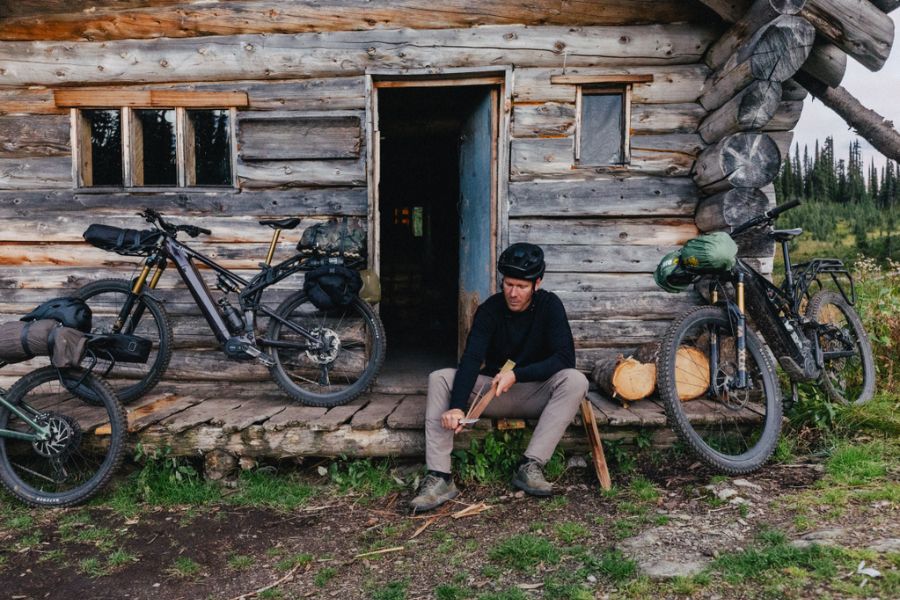
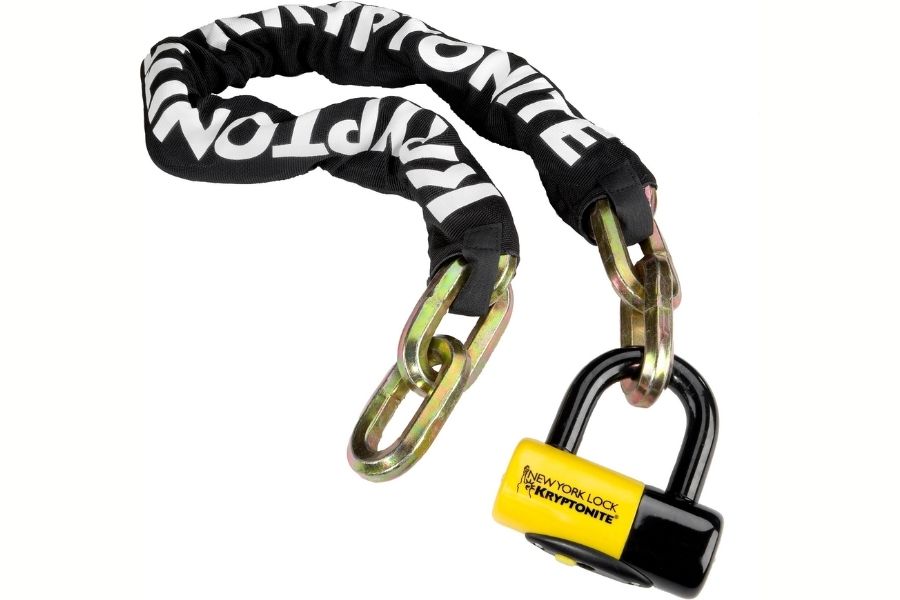
For a high-value eMTB, a Sold Secure Gold or Diamond-rated lock is the sensible baseline. A heavy chain can work well at home because weight matters less when the lock is staying in the garage. A strong D-lock can also work if the anchor position allows the frame to be secured tightly. The less space inside the lock, the harder it is to attack.
A product such as a Litelok X1 or Litelok X3 makes sense for riders who want a serious D-lock rather than a cheap cable or light commuter lock. The important point is not just the brand, but the rating, how the lock is used and whether it works with your storage setup. A strong lock used badly is still a weak point.
If your garage or shed has windows, think about visibility. A bike that can be seen from outside is easier to target. Cover windows, keep the bike away from sight lines and avoid leaving packaging, empty bike boxes or obvious branding outside the house after buying a new eMTB.
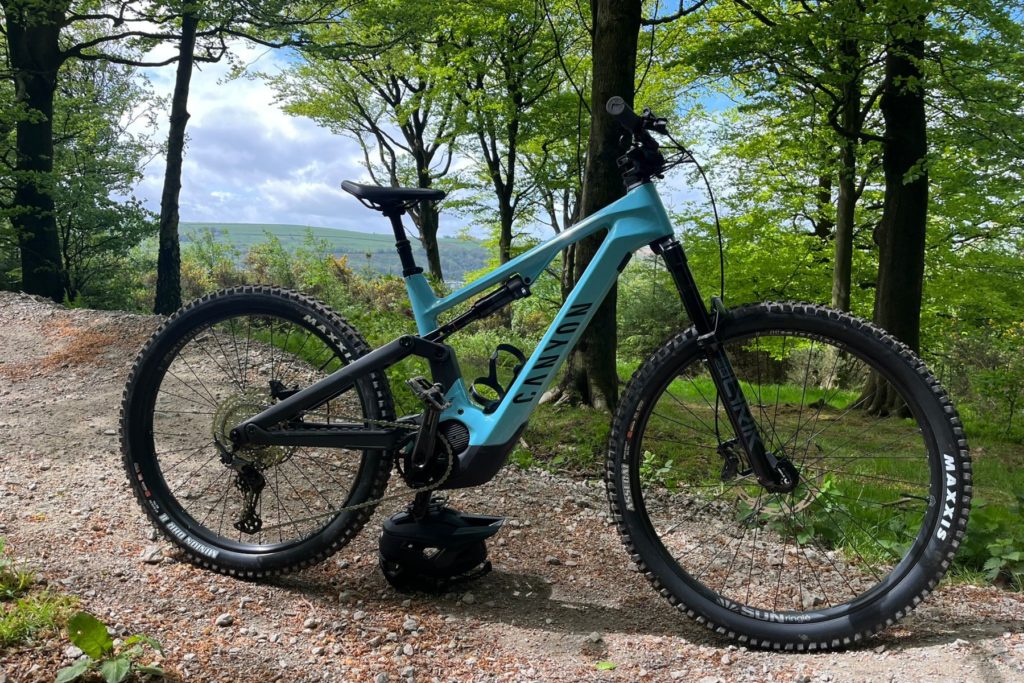
For multiple bikes, storage organisation can help too. A system such as Stashed SpaceRail can make a garage or bike room tidier, especially if you need to store several bikes in a small footprint. It is not a security product by itself, but better storage can make it easier to lock bikes properly, keep them away from doors and avoid leaving expensive kit scattered around.
It is also worth removing easy extras. Take lights, GPS computers, action cameras, tools and other accessories off the bike when it is stored. If your battery is removable, store it according to the manufacturer’s guidance and do not leave it somewhere obvious or easy to grab. Batteries are expensive, and a bike without its battery is less useful to a thief.
Garage and shed security: the weak points to check
A garage or shed is only as secure as its weakest point. That might be the door lock, hinges, roof panels, windows or the ground anchor installation. Before spending more money on bike locks, look at the whole storage area.
Start with the door. A weak hasp, exposed screws or basic padlock can be defeated quickly. Use proper door security, shielded hardware and quality padlocks where needed. If the hinges are exposed, make sure they cannot simply be unscrewed. On a shed, the structure itself may be weaker than the lock, so reinforcing the door and frame can be as important as buying a stronger padlock.
Windows are another weak spot. Frosted film, blinds or internal boarding can stop people seeing what is inside. If you store a high-value eMTB in an outbuilding, do not make it obvious from the outside.
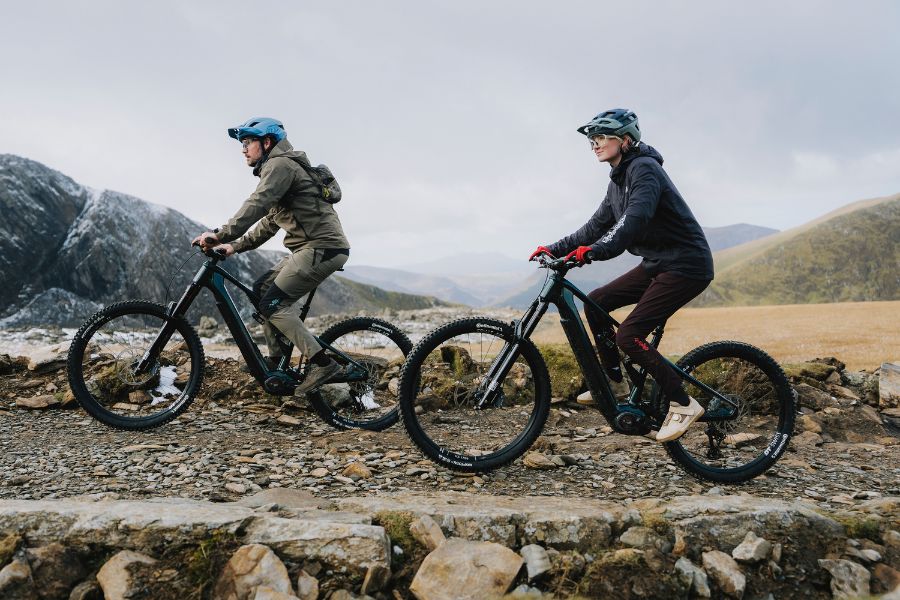
The anchor matters too. A ground anchor needs to be installed into something solid. A heavy-duty anchor fixed badly into weak flooring is not much help. If you are securing a bike to a wall, the wall needs to be strong enough and the fixings need to be appropriate.
Think about noise. An alarm on the building, a garage sensor, a smart camera or a movement-alert device can add another layer. The aim is to make a theft attempt noisy and time-limited. Locks slow someone down. Alarms increase pressure. Cameras and lighting increase risk.
Finally, keep proof. Take photos of your storage setup, lock, anchor and bike. Keep purchase receipts, serial numbers and frame numbers. If you ever need to make an insurance claim, having evidence ready will make the process easier.
How to secure an eMTB in a van
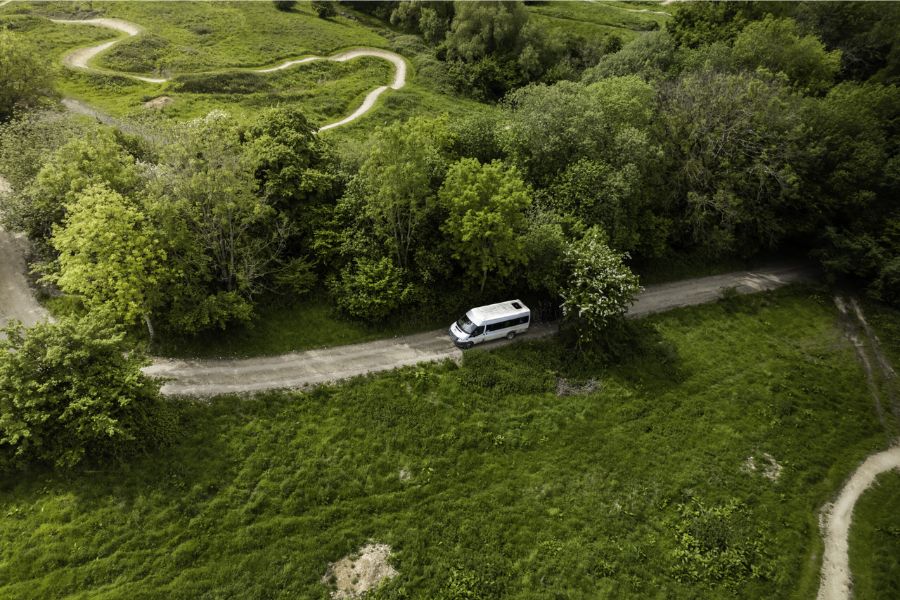
Van security is a major issue for eMTB riders. A van makes travelling to trail centres, bike parks and riding weekends easier, but it can also concentrate a lot of value in one place. A van with two electric mountain bikes, helmets, tools, shoes and riding kit can be worth a huge amount.
The first rule is simple: do not leave an eMTB in a van unless you have to. That is especially true overnight. A van parked at a hotel, trail-centre car park, motorway services or outside a house can attract attention, and thieves may assume there are bikes inside even if they cannot see them.
If the bike has to stay in the van, keep it hidden. Use blinds, solid bulkheads, internal covers or a layout that stops the bike being visible through windows. Do not leave helmets, muddy shoes, bike stands or obvious riding kit on display because they can signal what is inside.
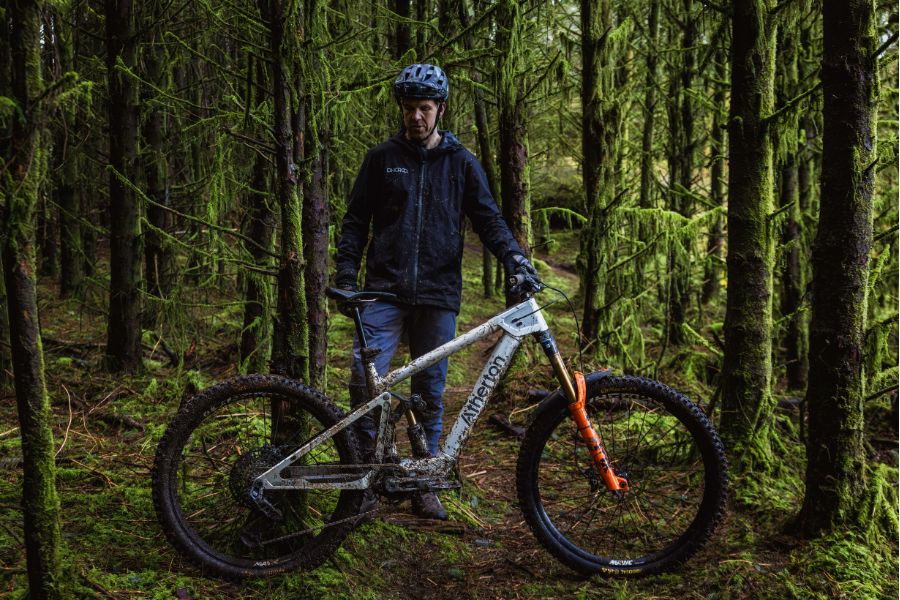
The bike should be locked inside the van, not just placed inside it. Use a strong lock through the frame and secure it to a fixed internal anchor point, cargo rail or properly installed floor anchor. Factory tie-down loops may be useful, but check how strong they actually are. A lock around a flimsy fixing is not enough.
A heavy chain can work well in a van because you do not need to carry it on the ride. A high-security D-lock can also work if the anchor point is close enough to the frame. For high-value bikes, two locks are better: one securing the frame to the van and another linking bikes together or securing a wheel.
A tracker adds another layer. AlterLock and BikeFinder are both designed to help locate a bike if it is moved or stolen. They should not be treated as a substitute for locks, but they can help if the worst happens. A hidden tracker is especially useful in a van scenario because theft can happen quickly and the bike may be moved before you notice.
Be careful with routines. If you always load the bike the night before, park in the same visible place and leave early for rides, that pattern can become obvious. Load as late as practical, unload as soon as possible and avoid leaving the van unattended in predictable high-risk places.

If you use insurance, check the wording for vehicle theft. Some policies may have specific conditions around unattended vehicles, overnight storage, visibility, locks and whether the bike was secured to an immovable object. Do not assume that “the bike was locked in the van” is automatically enough.
How to secure an eMTB at the trail centre
Trail centres can feel safe because they are full of riders, vans and bikes. That can create a false sense of security. A busy car park or café stop can also be attractive to thieves because there are lots of expensive bikes and plenty of distractions.
The safest approach is to keep the bike with you. If you are stopping for food or coffee, sit where you can see the bike. If you are riding in a group, take turns watching bikes rather than leaving several eMTBs unattended at once.
If you do need to leave the bike, lock it properly. A lightweight café lock may stop someone rolling the bike away casually, but it is not a serious security solution for a high-value eMTB. Use a proper lock through the frame and attach it to an immovable object. If there is no secure stand, locking bikes together is better than doing nothing, but it is not as good as using a fixed point.
A compact Sold Secure-rated D-lock can be useful at trail centres. You may not want to ride with a heavy chain, but you can keep a serious lock in the van and use it during café stops, toilet breaks or when changing kit. The lock only works if it is easy enough to use, so choose something that fits your actual routine.
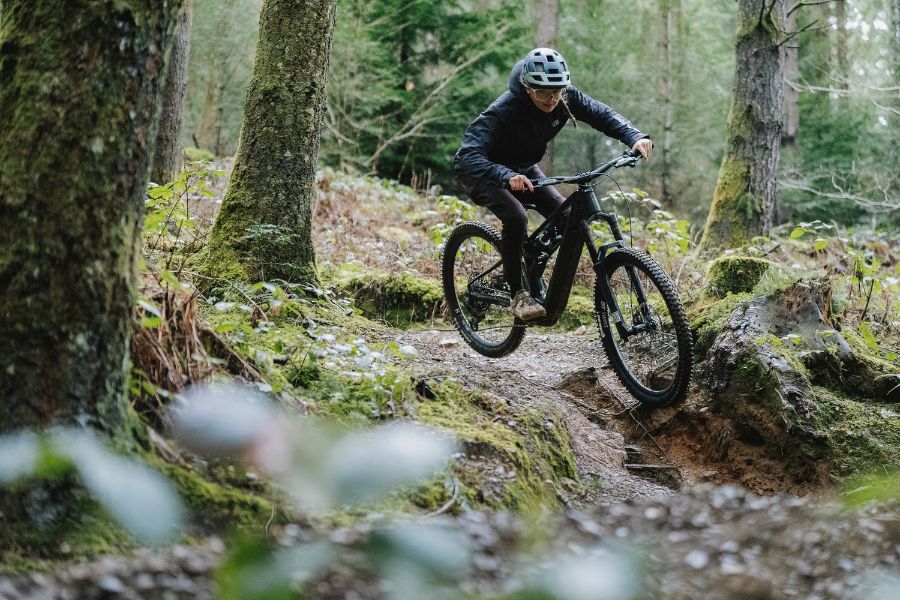
Try not to leave the bike on the outside of a rack or leaning against the van while you get changed. This is when theft can happen quickly. Lock the bike before you start sorting kit, paying for parking or chatting in the car park.
Also think about what is attached to the bike. Remove the display if it is removable, take off GPS computers and do not leave expensive lights, cameras or tools sitting on the bike. Small accessories are easy to steal and may not be worth claiming for, but replacing them still costs money.
If you use a tracker such as AlterLock or BikeFinder, make sure it is charged and active before the ride. A tracker that is flat or not armed is not a security layer.
Approved locks and insurance conditions
Insurance-approved locking is one of the most important parts of eMTB security. Many riders focus on buying insurance but forget that the policy may only work if the bike is locked in a specific way.
The key phrase to understand is Sold Secure. Sold Secure is an independent security testing and certification scheme, and many UK insurers use its ratings when setting lock requirements. For a high-value eMTB, Sold Secure Gold or Diamond is usually the level to look at.
Diamond-rated locks are generally the strongest bicycle lock category and are especially relevant for expensive electric bikes. Gold-rated locks may also be accepted by some policies, but the exact requirement depends on the insurer and policy start date. Always check your own policy rather than assuming a lock is suitable because it looks strong.
Specialist insurers such as Bikmo and Laka are worth comparing if you want cover that reflects real cycling use. Bikmo is particularly relevant because it is built around cycle insurance and sets clear lock rules for policyholders. The important point is that insurance does not replace good locking. It depends on it.
When locking an eMTB, secure the frame to an immovable object. Do not lock only the front wheel, because many mountain bikes use quick-release or thru-axle wheels that can be removed. If you can, include the rear wheel and frame inside the lock. Keep the lock away from the ground where possible, because that makes it harder to attack with leverage or heavy tools.
Keep lock receipts and take photos. If a policy requires a specific lock rating, you may need to prove that you owned and used the correct lock. It is also sensible to keep photos of the bike locked in its normal storage setup at home.
Should you use a bike tracker on an eMTB?
A tracker is not a replacement for a lock, but it is a useful extra layer for a high-value electric mountain bike. The lock is there to prevent or delay theft. The tracker is there to improve your chances of finding the bike if it is moved or stolen.
Bluetooth tags can be useful for some situations, but they are not the same as a dedicated GPS or network-connected bike tracker. Products such as AlterLock and BikeFinder are designed more specifically for bike theft scenarios, with movement alerts, app tracking and hidden installation options.
A tracker can be especially useful if your eMTB is stored in a garage, transported in a van or left briefly at trail centres. Movement alerts can give you earlier warning, while location tracking may help recovery. However, you should never put yourself at risk trying to recover a stolen bike. If a tracker shows the bike’s location after a theft, report it to the police and follow their advice.
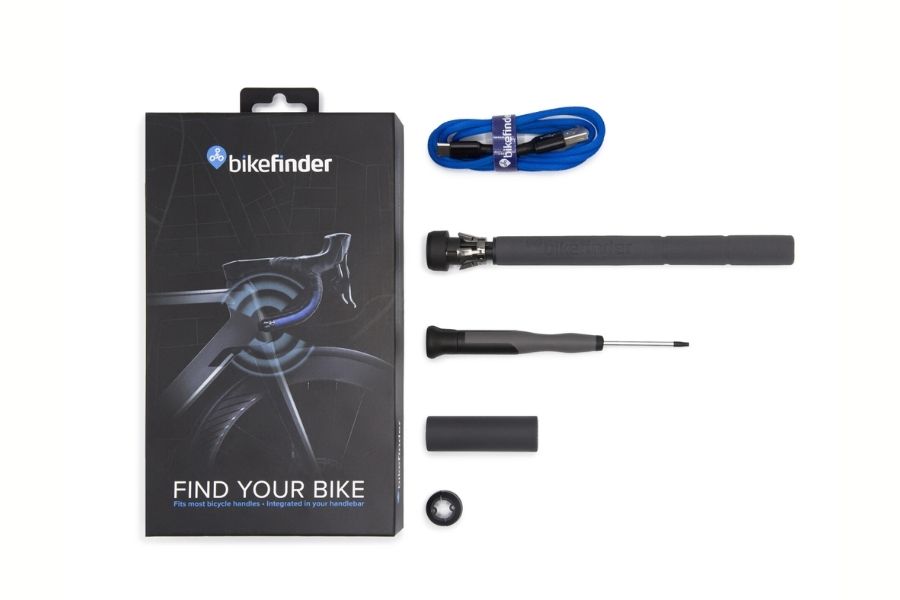
The main things to check are battery life, subscription costs, signal coverage, app reliability, mounting position and whether the device is obvious. A tracker that is easy to remove is less useful. A tracker that is hidden well and kept charged is much more valuable.
Also remember that insurance companies usually care about locking first. A tracker may support recovery, but it will not usually excuse poor storage or a weak lock.
The best eMTB security setup for most riders
The best eMTB security setup depends on where the bike is kept and how you use it, but most riders should think in three levels: home, travel and ride stops.
At home, use the strongest setup. That means keeping the bike out of sight, locking the frame to a fixed anchor and using a serious Sold Secure Gold or Diamond-rated lock. If the bike is in a garage or shed, improve the building security as well as the bike lock. A tracker and insurance are sensible additions for high-value bikes.
In a van, hide the bike, lock it to a fixed internal point and avoid leaving it unattended for long periods. If you are staying away overnight, bring the bike inside whenever possible. If that is not possible, choose parking carefully, keep the bike covered, lock it inside the van and make sure your insurance covers that situation.
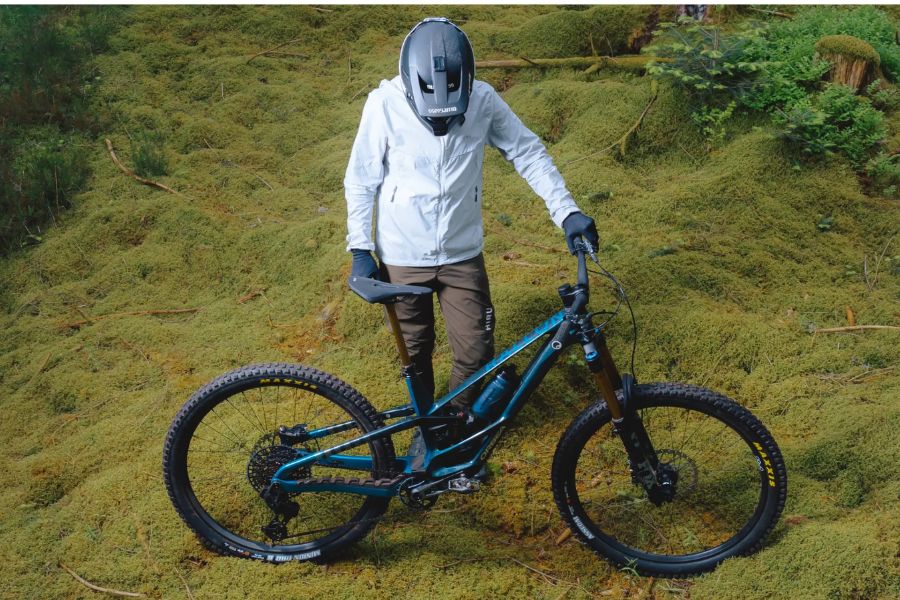
At the trail centre, keep the bike in sight where possible. If you stop, lock it through the frame to something fixed. If you are riding with friends, take turns watching the bikes. Use a proper lock from the van rather than relying on a tiny café lock for an expensive eMTB.
A sensible product setup might include a Litelok X1 or X3-style high-security D-lock, a heavy chain or ground anchor for home, a tracker such as AlterLock or BikeFinder, organised garage storage from a system such as Stashed SpaceRail, and specialist insurance from a provider such as Bikmo or Laka. You do not need every product on day one, but you do need a proper plan.
The right setup should match the bike’s value. A £1,500 hardtail and an £8,000 full-suspension eMTB do not carry the same risk. If you are shopping for a new bike, our best eMTB 2026 guide shows how quickly prices can rise once you move into serious full-suspension and long-range models.
Common eMTB security mistakes
The most common mistake is using a weak lock. A cable lock may be light and convenient, but it is not enough for a high-value eMTB. It may have a place as a secondary deterrent or café-stop reminder, but it should not be the main security measure.
The second mistake is locking only the wheel. Always lock the frame. Wheels can be removed, and an eMTB without a front wheel is still valuable.
The third mistake is assuming a garage or shed is automatically secure. If the bike is not locked inside the building, the building itself becomes the only barrier. That is rarely enough.
The fourth mistake is leaving the bike visible in a van. Even if the bike is locked inside, visibility increases the risk. Keep it hidden and avoid leaving riding kit on display.
The fifth mistake is ignoring insurance wording. A policy may have lock, storage and unattended vehicle requirements. If you do not follow them, the cover may not work the way you expect.
The sixth mistake is posting too much in real time. Sharing the exact trail centre, van location or expensive new bike setup while you are still there can be risky. Save the post until after the ride, especially if your account is public.
Finally, do not make security so awkward that you stop using it. The best security setup is one you will actually use every time. A very heavy chain is brilliant at home but useless if it never leaves the garage. A compact D-lock in the van may be more useful for trail-centre stops because it fits your routine.
How to secure an eMTB: final advice
The best way to secure an eMTB is to make theft difficult, noisy, slow and risky. That means using a strong lock, securing the frame to something fixed, keeping the bike out of sight, improving garage or shed security, using a tracker, keeping evidence and making sure your insurance conditions are met.
At home, focus on fixed security: anchor, lock, building, visibility and documentation. In a van, focus on hiding the bike, locking it internally and avoiding overnight storage. At the trail centre, focus on keeping the bike in sight and locking it properly during stops.
No lock, tracker or policy can guarantee your eMTB will never be stolen. But a layered setup makes a real difference. For a high-value electric mountain bike, that is not overkill. It is part of owning the bike properly.
How to secure an eMTB FAQs
What is the best way to secure an eMTB at home?
The best way to secure an eMTB at home is to store it out of sight, lock the frame to a fixed ground or wall anchor and use a Sold Secure Gold or Diamond-rated lock. A garage or shed should be treated as one layer of security, not the whole security plan.
Should I use a D-lock or chain for an eMTB?
A strong D-lock is useful for trail-centre stops and compact locking, while a heavy chain works well at home because weight matters less. For high-value eMTBs, many riders use both: a D-lock for travel and a heavy chain with an anchor at home.
Is a tracker worth it on an eMTB?
A tracker is worth considering on a high-value eMTB, especially if the bike is stored in a garage, transported in a van or used at trail centres. It should be used alongside a proper lock, not instead of one.
Can I leave an eMTB in a van overnight?
It is better not to leave an eMTB in a van overnight. If you have no choice, keep it hidden, lock it to a fixed internal point, park carefully and check whether your insurance covers unattended vehicle storage.
What lock rating do I need for eMTB insurance?
Many UK cycle insurers require a Sold Secure Gold or Diamond-rated lock for higher-value bikes, but requirements vary by provider and policy. Always check your own insurance wording before buying or relying on a lock.
How do I secure an eMTB at a trail centre?
Keep the bike in sight where possible. If you leave it, lock the frame to an immovable object with a proper lock, remove easy accessories and avoid relying on a lightweight café lock for an expensive eMTB.
Should I remove the battery when storing an eMTB?
If your battery is removable, storing it separately can reduce the bike’s immediate value and make it less useful to a thief. Always follow the bike and battery manufacturer’s storage and charging guidance.
Is a garage safe enough for an eMTB?
A garage is better than leaving a bike outside, but it is not enough by itself. The eMTB should still be locked to a fixed anchor inside the garage, and the garage door, windows and visibility should all be considered.